Best Brush Sets for Makeup Artists in 2026: Which Type Is Right for You?
Disclosure: We may earn a commission when you buy through links on this page, at no extra cost to you. As an Amazon Associate I earn from qualifying purchases. Learn more

Compare every type of brush set side by side so you can choose the best brush sets for makeup artists for your kit, clients, and working budget.
Professional kits fail in quiet ways. A brush that sheds on a client, a set with no backup for the one shape you use most, or bristles that cannot survive daily sanitation will cost you time on every job. This guide compares the best brush sets for makeup artists by type, so you can match a set to your work, whether that is bridal parties, editorial shoots, lessons, or content creation. Start with the comparison table below, then use the type breakdown and selection criteria here to build a kit that holds up under paid work.
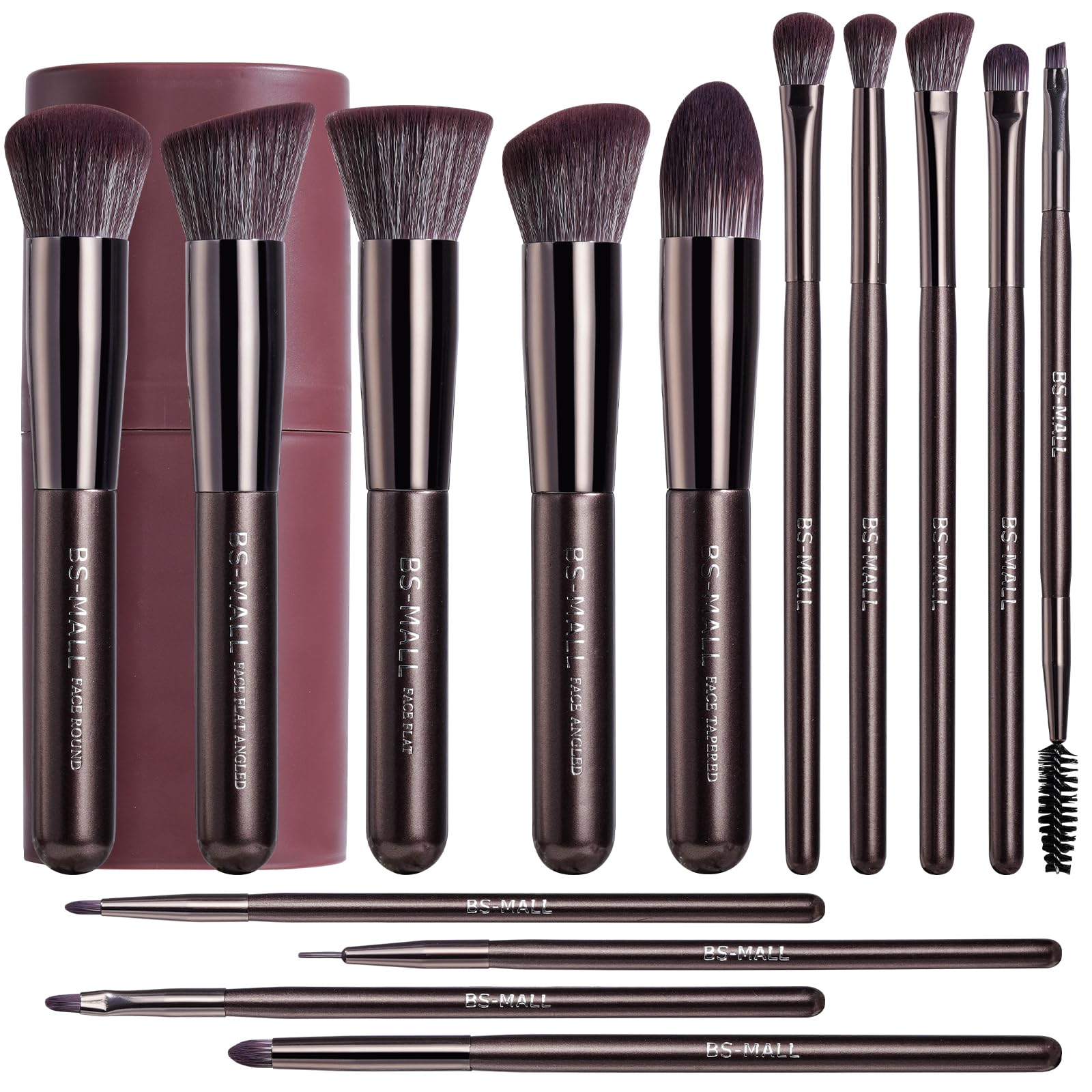


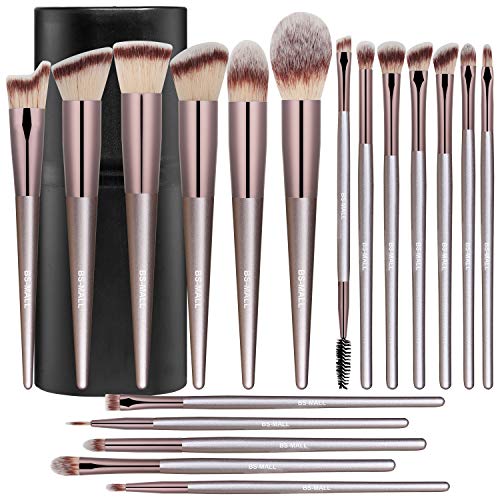
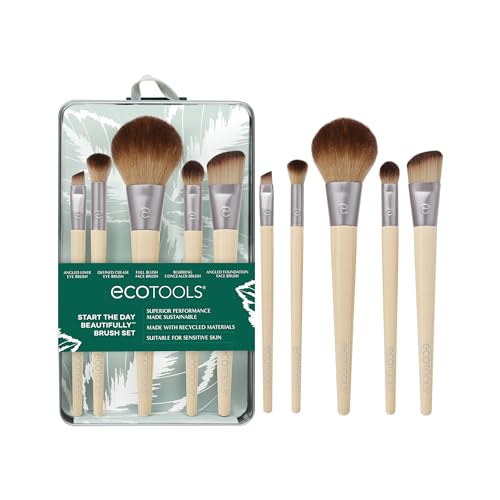
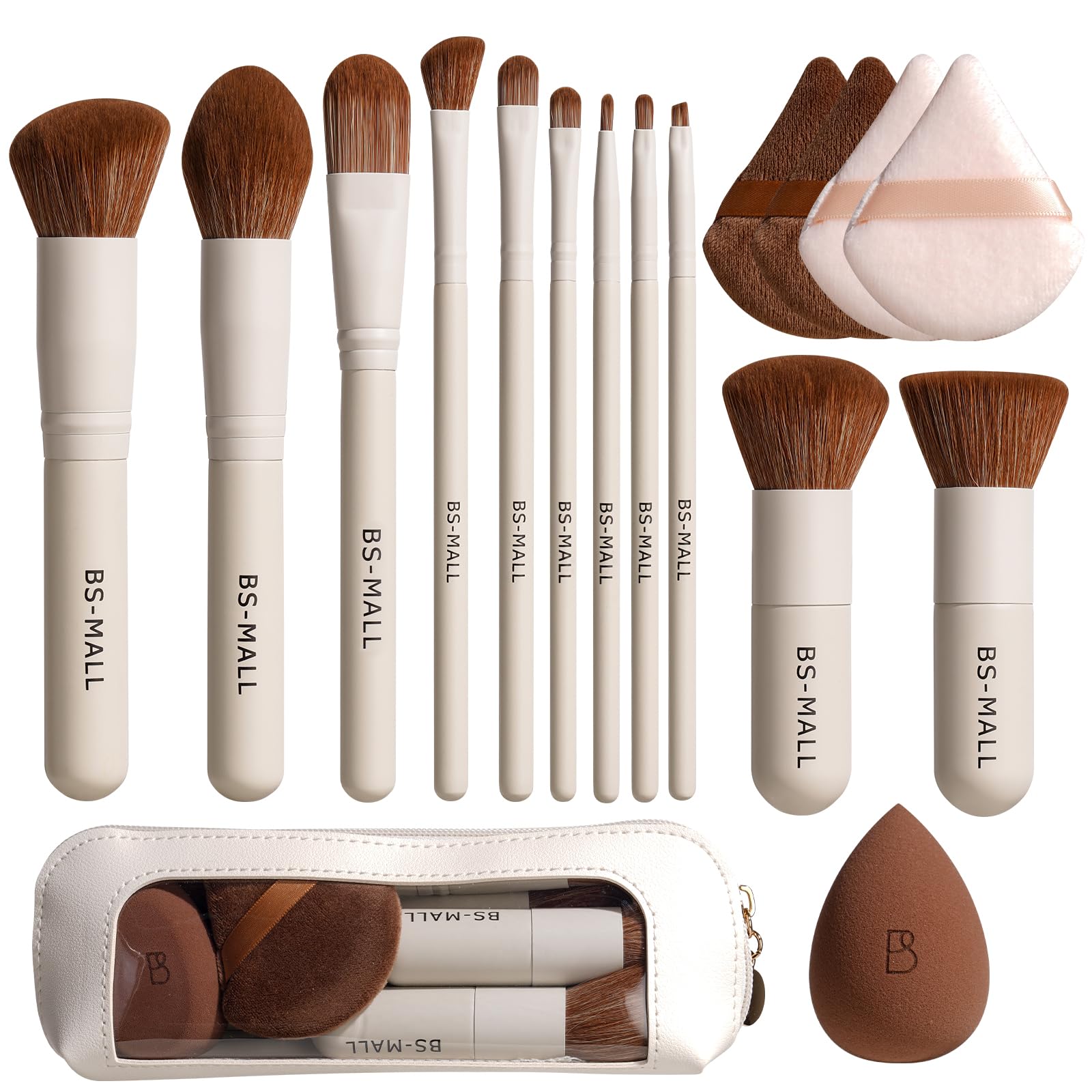


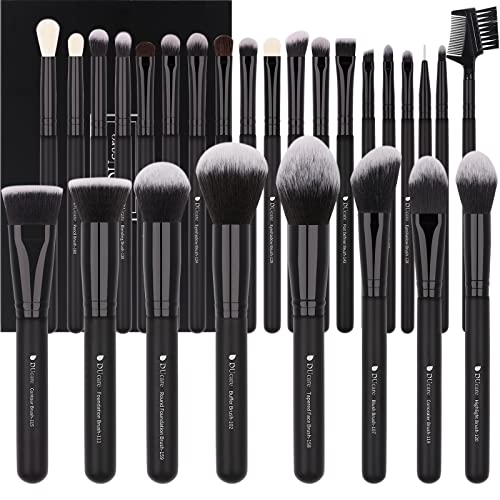

Types of Brush Sets Compared
Four types cover nearly every professional purchase. They differ less in brush count than in bristle quality, sanitation tolerance, and how gracefully they age under daily washing. Read each type with your busiest working week in mind, because a kit that suits a monthly hobbyist may collapse under a Saturday with six clients in a row.
Budget Tier Sets
Budget sets, usually around $20 to $40, give working artists inexpensive depth. Their best professional use is as backups, for large parties where many identical brushes are needed at once, for practice on training heads, and for kits you send to events where loss is likely. Modern synthetic bristles at this tier can apply product surprisingly well. The limits show up in durability and consistency. Ferrules may loosen after months of daily sanitation, bristle cuts vary between sets, and handles feel light during long sessions. Smart professionals buy budget sets deliberately for defined roles rather than expecting them to carry a career, and they inspect and wash every piece before it touches a client.
Premium Tier Sets
Premium sets, often above $80 and sometimes far above, compete on bristle sorting, density, and balance. For an artist, the payoff is control. Pigment lands where you place it, blending edges need fewer passes, and brushes return to shape after the deep cleaning that paid work demands. Premium sets suit lead artists, bridal specialists whose work is photographed at close range, and anyone whose reputation rides on flawless skin work. Our guide to the best professional makeup brush sets explores this tier in more depth. The limits are cost per backup and care. You will want duplicates of key shapes, and delicate heads punish harsh cleansers and rough storage in crowded kits.
Travel Friendly Sets
Travel friendly sets use shorter handles, roll cases, or hard cases that keep heads separated and clean in transit. They suit destination weddings, on location shoots, and artists who move between studios. A good travel set protects bristles first and saves space second, because a bent powder brush costs more than the room a proper case takes. Compare shapes against your home kit so your hand finds familiar tools on site, and see the best travel makeup brush sets guide for case styles. The limit is leverage. Short handles can cramp detailed eye work during long applications, so many artists pack a travel set for face work and add two or three full length eye brushes in the same case.
Sensitive Skin Sets
Sensitive skin sets emphasize very soft, densely packed synthetic bristles that apply product with minimal dragging, plus handles and finishes chosen to tolerate frequent gentle cleaning. They suit artists whose clientele includes mature skin, clients who report reactivity, and anyone doing makeup after skincare treatments where friction matters. If skin becomes red, itchy, or swollen, stop the application, remove the product, and advise the client to consult a dermatologist rather than switching to another brush and continuing. No brush claim, including dermatologist tested language on packaging, guarantees an individual reaction. Patch testing new products on a small area first remains the safer professional habit.
Budget Tier vs Premium Tier: Which Should You Choose?
Compare the two tiers on the criteria that decide a working day. On application, premium bristles give finer control, while budget synthetics handle bold color and cream products well. On sanitation, premium ferrules and fibers usually tolerate daily washing longer, though any brush fails early if water soaks the ferrule. On cost per job, a budget set replaced yearly can still beat a premium set that sits as a display, while a premium core set used daily for three years is cheap per client. On risk, budget sets win for loss prone events. The practical answer for most artists is a hybrid kit. Build your core from the premium tier, then add budget depth for parties, backups, and teaching, a pattern also covered in our guide to the best affordable makeup brush sets.
How to Choose the Right Brush Set
Type tells you the family. These four criteria tell you whether a specific set deserves a place in your kit, and they are weighted for paid work rather than personal use.
Features That Matter for Makeup Artists
Professional work adds three demands that home routines do not. First, duplication. A working set needs multiples of your core shapes so a clean brush is always ready between clients. Second, speed. Brushes must pick up, place, and blend product in few passes because your schedule has no slack. Third, consistency across copies. Two brushes with the same name should behave the same way. When you evaluate a set, count how many true core shapes it gives you, check whether singles are sold for replacements, and favor makers who keep lines stable over years. Our broader guide to the best brush sets for makeup can help you map shapes to techniques.
Brush Fiber and Build Technology
Fiber choice is the technology decision in a brush set. Modern synthetic fibers are engineered with tapered tips that mimic natural hair pickup while releasing creams cleanly and drying fast after washing, which is why most working kits now lean synthetic. Natural hair still has fans for very soft powder diffusion, but it varies more between batches and needs gentler sanitation. Beyond fiber, look at how heads are shaped. Hand shaped heads with uncut tips feel softer and blend more smoothly than laser cut heads on skin. Ferrule construction matters equally. A double crimped, well glued ferrule survives the washing schedule of paid work, while a loose one ends a brush career no matter how fine the bristles feel.
Longevity and Wear Time
Judge longevity by what daily sanitation does over six months, not by how a brush feels on day one. Quality fibers keep their tip shape through hundreds of washes, coatings on handles resist cleanser and disinfectant wipes, and printed labels stay readable so assistants can sort the kit quickly. Wear shows first in your hardest working tools. Foundation and concealer brushes face the most washing and the most friction, so a set that sells those shapes as singles protects your investment. Plan your kit budget around replacing core face brushes on a cycle, while powder and blending brushes, washed more gently, serve for years.
Skin Type Match
Match brush softness and density to the skin in your chair. Mature or dry skin does better with softer, less dense brushes that move product without disturbing texture or flakes. Oily skin tolerates firmer buffing that presses base makeup into place. For clients with reactive skin, use your softest fully cleaned brushes, apply new products to a small patch first, and keep notes on what each regular client tolerates. Artists building skills with gentler techniques may also find our guide to the best makeup brush sets for beginners useful for clients who want to learn their own routine. When a client reports a diagnosed skin condition, follow their clinician guidance and your local hygiene rules over any general advice in a buying guide.
Care and Maintenance Tips
Professional care is a hygiene routine, not an occasional deep clean. Wash brushes after each client day with a gentle cleanser, working only the bristles, then reshape heads and dry them flat or angled down so water never sits in the ferrule. Between clients on the same day, use a fresh brush from your duplicates rather than rushing a damp one back into service. Store the clean kit in a closed case away from dust, and audit it monthly. Retire any brush that sheds after washing, feels scratchy on the inside of your wrist, or holds a bent shape. Keep cleanser, a microfiber towel, and spare core brushes in your working bag so the routine survives busy locations.
Brush Sets: Your Questions Answered
What features matter most in a brush set for makeup artists?
Duplication, sanitation tolerance, and consistency matter most for working artists. You need clean spares of core shapes, ferrules and fibers that survive daily washing, and copies that behave alike so your results do not change when you swap brushes. Personal users can forgive a missing backup. A paid schedule cannot. After those three, judge bristle softness and shape coverage against the services you actually book most often.
Is a brush set safe for sensitive skin?
A brush set is generally safe for sensitive skin when bristles are soft, fully cleaned, and used with a light touch. Safety also depends on the products applied and the client skin that day, which no brush maker can promise. Patch test new products, stop if redness or itching appears, and refer clients with ongoing reactions to a dermatologist. Claims on packaging are general information, not a personal clearance for any one client.
Does a premium brush set really work better?
A premium set works better in specific, feelable ways rather than in magic ones. Denser and more evenly sorted bristles place pigment more precisely, blend edges in fewer passes, and return to shape after washing more reliably. Those gains matter across six clients in a day. For a single weekly application, the visible difference shrinks, which is why premium spending should follow your booking volume and not your ambition alone.
Is a professional brush set worth paying more for?
Paying more is worth it when the set is your daily work tool and the upgrade buys durability under sanitation. Spread over hundreds of applications, a premium core set costs little per client and protects your reputation for clean, even work. It is not worth it for shapes you use monthly. Buy those in the budget tier as singles or small sets, and keep your serious money on the five or six brushes you reach for on every job.
How often should a makeup artist replace brushes?
Replace a brush when its performance changes, not on a fixed calendar. Shedding that continues after washing, a loose head, persistent scratchiness, or a shape that will not return after reshaping are clear retirement signs. In busy kits, core face brushes may reach that point within a year or two, while powder brushes last far longer. Inspect monthly, keep client facing standards strict, and never let a failing brush stay in service because replacing it feels inconvenient.
Final Thoughts
Build your kit by type and by workload. A premium core for control, budget depth for parties and backups, a protected travel set for location work, and the softest tools reserved for reactive clients. The comparison table above will help you check candidate sets against that structure. Choose the best brush sets for makeup artists for the jobs you actually book, keep sanitation non negotiable, and talk with a dermatologist about any client skin concerns that go beyond product choice.