Best Brush Sets for Beginners for 2026: Matching the Right Set to Your Routine
Disclosure: We may earn a commission when you buy through links on this page, at no extra cost to you. As an Amazon Associate I earn from qualifying purchases. Learn more

Best brush sets for beginners, matched to your routine so you avoid overpaying and get the right fit the first time.
There is no single brush set that suits every newcomer, because a person learning everyday base makeup needs different tools than a person learning eye looks or stage makeup. This guide helps you choose the best brush sets for beginners by starting with your routine instead of a brush count. You will learn which user type you are, which features genuinely help while you learn, and which beginner mistakes waste money. Start with the comparison table below, then read the matching sections for your situation before you spend anything.

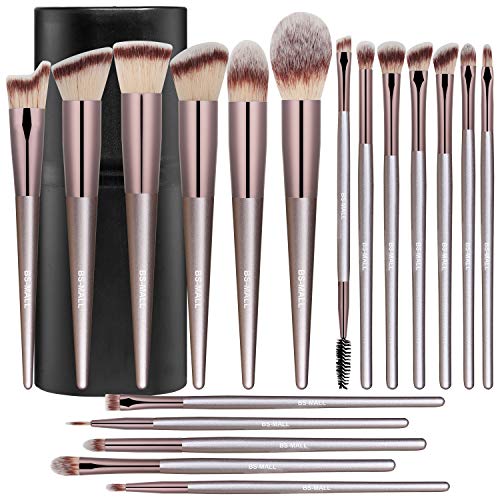
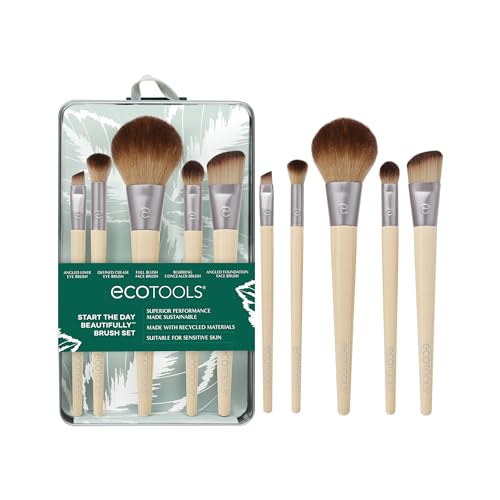
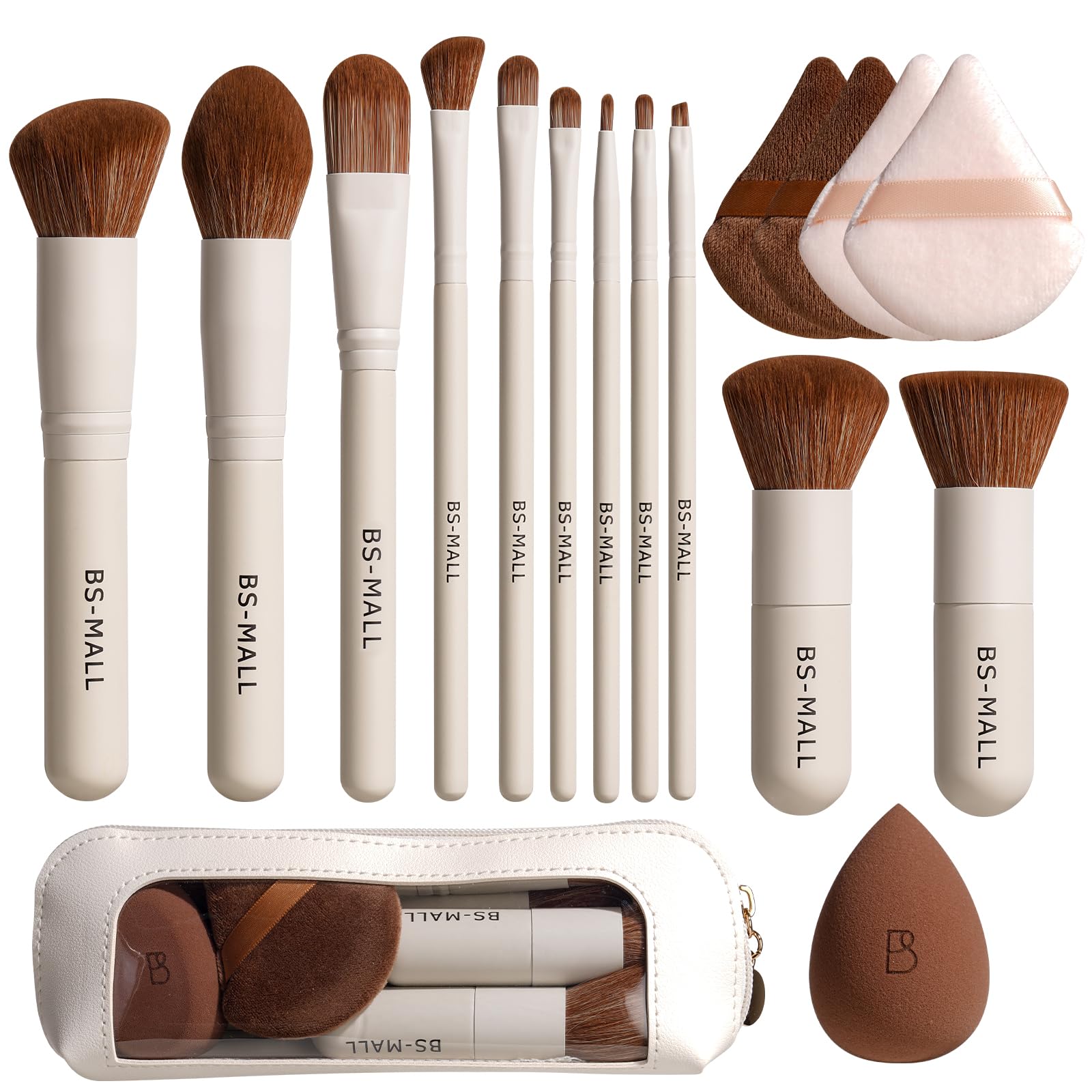


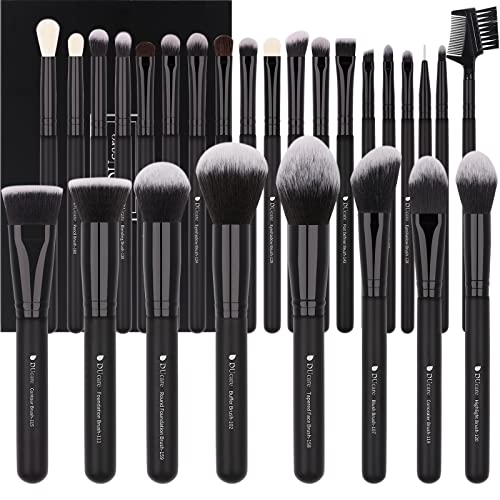
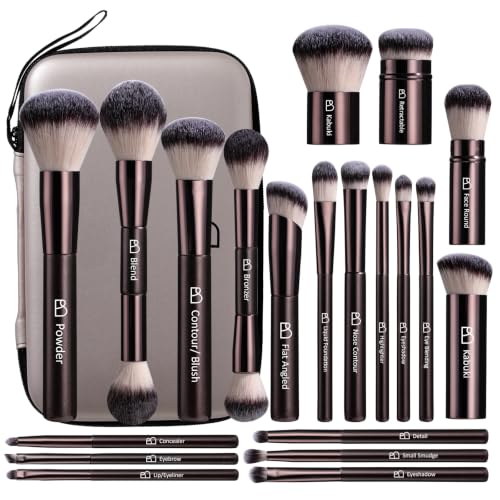


Who Should Buy Which Brush Sets?
Most beginner regret comes from buying for an imagined routine. The four groups below describe real starting points. Find yours first, and the feature section that follows will make much more sense, because each group should weight softness, price, and set size differently.
For People Who Want the Best Performance
Some beginners already wear makeup daily and want tools that will not hold back improving skills. If that is you, spend on bristle quality rather than brush count. A compact set of eight to twelve dense, evenly cut brushes will teach you cleaner blending than a giant set of uneven ones, and it will still serve you in two years. Look for synthetic bristles that work with both creams and powders, since your product collection will change as you learn. Skip specialty shapes for now. Performance at this stage means control and consistency, not owning a brush for every technique on social media.
For Value Seekers
Value seekers want a set that survives the learning phase without punishing early mistakes. Aim for the middle of the budget range, where ferrules stay tight through weekly washing and bristles keep their shape after the rough handling every beginner delivers while learning pressure. A set around $25 to $45 with core face and eye shapes, plus a simple case, is the sweet spot for most people. Our guide to the best brush sets gives wider context on how sets differ as prices rise. Replace single brushes later as your tastes sharpen, rather than rebuying a whole kit.
For First Time Buyers
If you have never owned a matched set, simplicity is your top feature. Choose a set where every brush has an obvious job, ideally with labels or a guide card that names each shape and its use. Ten to fourteen pieces is plenty. More than that and you will ignore half the kit while feeling vaguely guilty about it. Synthetic bristles are the forgiving choice because they tolerate beginner washing habits and work with the cream products most starter routines use. Keep the box and receipt until after your first full wash, and read our guide to the best makeup brush sets for beginners for more first purchase pointers.
For Gift Shoppers
A beginner set is a kind gift when it removes decisions instead of adding them. Choose core shapes in a tidy case, with soft synthetic bristles that suit most skin and most starter products. Avoid highly themed sets built around one technique, because the recipient may not share that interest. Include a gentle brush cleanser if your budget allows, since the first wash is where many new owners feel unsure. Keep the receipt in the box and favor sets with a clear store return path. A modest set that gets used weekly beats a dramatic set that intimidates its owner into leaving it sealed.
Key Features to Compare
Features only matter when they change what happens on your face or in your sink. The five points below connect each feature to a moment in a beginner week, so you can rank them by your own habits instead of by marketing order.
Key Performance Specs
The specs that matter are bristle material, density, and ferrule security. Synthetic bristles are the practical default for beginners because they apply creams and powders, rinse clean easily, and forgive imperfect drying. Density should match the job. Dense heads for foundation and concealer, medium density for blush and bronzer, and soft loose heads for finishing powder and blending. Tug each ferrule gently in store or on arrival. Any wobble now becomes a detached head within months. Handle length near standard makeup brush length gives you the leverage that tutorials assume, which quietly makes learning easier.
Intended Use and Who It Is For
Write down the products you actually own before you shop. A beginner with liquid foundation, one blush, and a small eye palette needs about ten brushes, not twenty. A beginner learning for dance, theatre, or content creation may need stronger powder and contour tools instead. Sets describe themselves loosely, so translate the box into your week. Count how many included brushes map to a product you own today. If fewer than two thirds do, the set is the wrong shape for you no matter how good the discount looks. Future techniques can be served by single brushes bought later with real knowledge.
Beginner Friendly Features That Matter
Helpful features reduce the number of things you must remember at once. Labeled handles or an included guide card assign each brush a job while you build memory. Color coded or clearly varied handle shapes let you grab the right brush without reading in poor light. A case that holds brushes apart protects bristles and makes a small kit feel organized rather than jumbled. Quick drying synthetic bristles matter more than most lists admit, because a brush still damp at morning is a brush you will skip washing next time. Finally, a sponge or cleansing pad included in the kit lowers the barrier to your first proper wash.
Build Quality and Materials
Build quality shows in small places. Bristle tips should look even under bright light, with no stray long fibers poking past the rest. The ferrule should be crimped or glued with no gap where water can enter, and the handle finish should not feel sticky or smell strongly of chemicals. Wooden and coated metal handles both work for beginners when they balance well in the hand. Compare general brush construction in our guide to the best brushes sets if you want more background. One practical test is the sink test. Wash the set once on arrival. A well built set sheds almost nothing after that first wash and dries back into shape.
Maintenance and Long Term Costs
Your real cost includes cleanser, replacement brushes, and the time a kit demands each week. Synthetic sets keep costs low because they tolerate gentle soap and dry within hours, so one set can serve a daily routine. Natural hair sets may need special cleanser and longer drying, which can push you toward owning duplicates of your most used brush. Plan on replacing your hardest working face brush every one to two years as a beginner, since learning pressure is rough on bristles. Sets whose maker sells open stock singles keep long term costs honest, because one worn brush never forces a full rebuy. Related options in the best cosmetic brush sets guide show how brands handle replacements.
Common Mistakes to Avoid When Buying Brush Sets
- Buying by brush count. A large count usually means filler shapes, not more useful tools for your routine.
- Ignoring your actual products. Cream heavy routines and powder heavy routines need different densities, so match the set to your shelf.
- Skipping the first wash test. Wash any new set at once while returns are still simple, because shedding and loose ferrules show up early.
- Choosing scratchy bristles to save money. Rough brushes make beginners press harder, which hurts results and skin comfort at the same time.
- Forgetting storage. Brushes crushed in a makeup bag bend and shed, so budget for a case or cup from the start.
Tips to Get the Most From Your Brush Set
Label your learning curve instead of fighting it. For the first month, keep the guide card on your counter and return each brush to the same slot after use so your hands learn the kit by position. Wash face brushes weekly and eye brushes every week or two, reshape them while damp, and dry them flat with heads past the counter edge. Practice a new technique on the back of your hand before your face, using the brush you are least sure about. Small habits like these teach you more in a month than a second set would.
FAQs
What makes a brush set for beginners different?
A beginner set favors forgiveness and clarity over specialization. Bristles are synthetic and easy to wash, shapes cover core jobs without near duplicates, and labels or guides explain each tool. The goal is a kit you understand fully within a few weeks. Sets aimed at experienced users add narrow specialty shapes and delicate materials that assume habits a beginner has not built yet, which is why starting simpler leads to faster learning.
How long does a beginner brush set last?
A beginner brush set lasts one to three years with weekly washing and decent storage. Your first set often wears faster than later ones because learning pressure and washing technique are still developing. Face brushes usually wear first since they are used and washed most. When a brush stays scratchy after washing or will not dry back into shape, replace that single brush and keep the rest of the set in service.
How much should I spend on a beginner brush set?
Spend around $25 to $45 for a first set you expect to use weekly. Below that range, ferrule strength and bristle evenness become unreliable, which makes learning harder for the wrong reasons. Above that range, you are paying for refinement you cannot judge yet. If your budget is small, buy fewer brushes of decent quality rather than many poor ones. Two good face brushes and three good eye brushes teach more than fifteen uneven tools.
How do I maintain a beginner brush set?
Maintain the set with a simple weekly rhythm. Wash with a gentle cleanser, keep water out of the ferrule, reshape each head while damp, and dry brushes flat or pointing down. Between washes, tap off loose powder and store the brushes upright in a cup or spaced in a case. The rhythm matters more than any special product. Ten calm minutes each week will keep a modest set performing like a much more expensive one.
Are expensive brush sets worth it for beginners?
Expensive sets are rarely worth it as a first purchase. Beginners cannot yet feel the small gains in balance and bristle sorting that drive premium prices, and early washing habits can shorten the life of delicate brushes. An exception is the daily wearer who already knows she will stick with makeup and prefers buying once. For most people, a sound mid range set plus lessons learned is the smarter spend, with upgrades bought singly later.
What features matter most when buying a beginner brush set?
Shape match and bristle comfort matter most. Every brush should map to a product you own, and no brush should feel scratchy on the inside of your wrist. After that, check ferrule security and choose synthetic bristles for easy care. A guide card or labeled handles round out the list because they shorten the confusing first weeks. Price comes last in the ranking, since a cheap set you understand beats an impressive set you avoid using.
Wrapping Up
Start from your routine, choose forgiving synthetic brushes in shapes you can name a job for, and test the whole set with a first wash while returns are easy. The comparison table above will help you compare shortlist options against those three rules. Pick the best brush sets for beginners for the makeup you wear this month, learn them well, and add single brushes only when a real gap appears in your routine.