Best Brush Sets Made Simple: A 2026 Buying Guide
Disclosure: We may earn a commission when you buy through links on this page, at no extra cost to you. As an Amazon Associate I earn from qualifying purchases. Learn more

Best brush sets explained: brush types, bristle materials, sizes, and cleaning for makeup, art, and craft use.
The term best brush sets can mean makeup brushes, paint brushes, or craft brushes, so the first step is to be clear about your use. The comparison table below shows how set sizes and brush shapes differ, so you can avoid buying a large set full of tools you will never use. This guide explains brush types in plain language for a first time buyer.
A good set matches the work you do most. Makeup sets focus on face and eye brushes, art sets focus on paint application and detail, and craft sets focus on broader coverage and texture. Buying a set built for a different use rarely saves money, because the shapes and bristles will not suit your task.


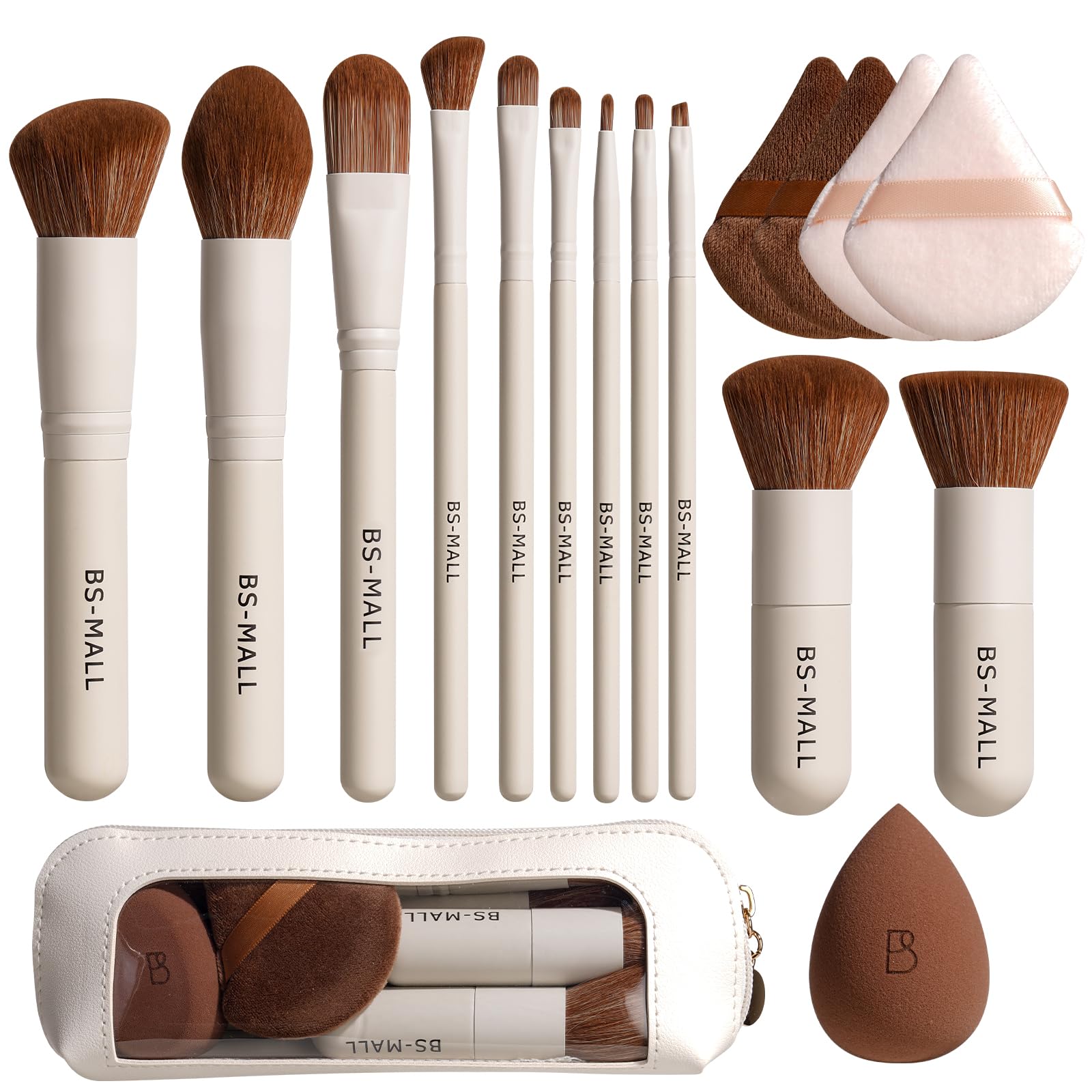


Brush Sets 101: The Basics
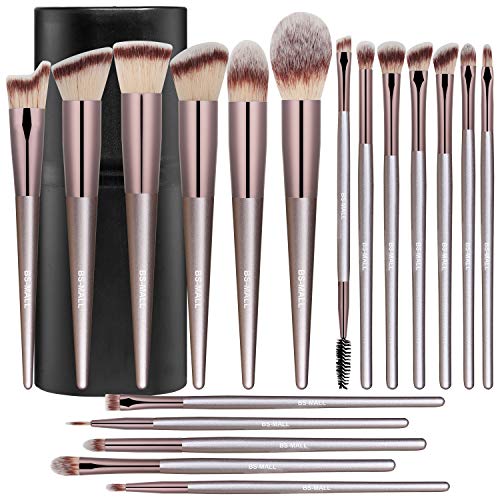
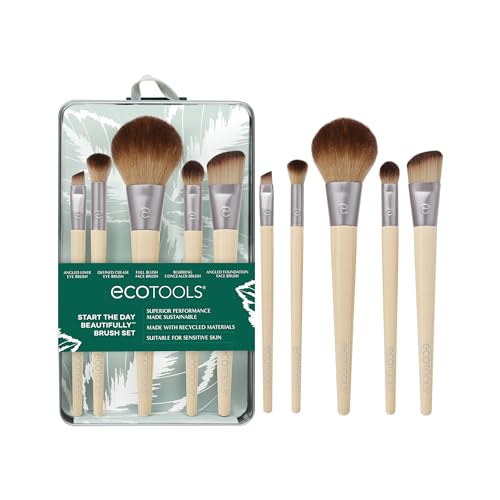
Makeup brush sets usually include foundation, powder, blush, and eye brushes in several sizes. Face brushes are larger and softer for blending, while eye brushes are smaller and more precise for detail. A set with a few well chosen shapes beats a huge set with many duplicates.
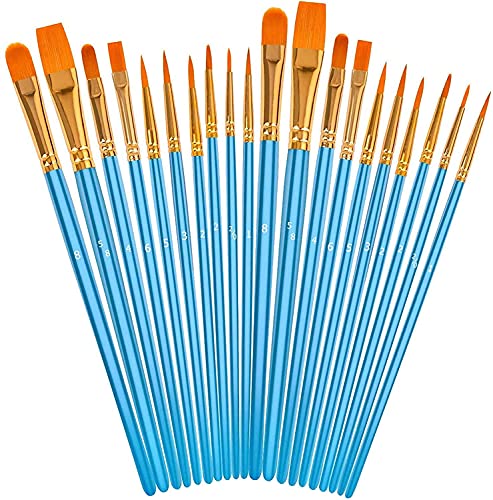
Art brush sets include flat, round, filbert, and fan shapes for different strokes. Flat brushes cover large areas and create sharp edges, round brushes suit detail and lines, and filbert brushes blend soft edges. The right mix depends on whether you paint in watercolor, acrylic, or oil.
Craft and hobby sets often include broader brushes for varnish, glue, and texture work. These brushes prioritize durability and easy cleaning over fine detail. If you craft with children, washable and sturdy brushes matter more than professional precision.
Bristles, Handles, and Set Size
Natural bristles hold powder and paint well and feel soft on skin, but they need gentle cleaning and can trigger allergies for some users. Synthetic bristles suit liquid products, clean easily, and work well for sensitive skin. Check the bristle type before buying, especially for makeup use.
Handles should feel balanced and comfortable for your hand size. Short handles suit detail work close to the surface, while long handles suit painting at an easel. A handle that feels heavy or slippery will tire your hand during a long session, so hold a similar brush if you can.
Set size should match your skill and routine. Beginners do well with a small set of core shapes, while experienced users can justify a larger set for specialized work. A huge set may look like value, but unused brushes still need storage and cleaning.
Cleaning, Storage, and Hygiene
Clean makeup brushes regularly to prevent product build up and skin irritation. Wash with mild soap and lukewarm water, reshape the bristles, and dry flat or hanging with bristles down. Never soak wooden handles for long, because water can loosen ferrules and warp wood.
Clean art brushes promptly after painting, using the cleaner suited to your paint type. Rinse thoroughly, reshape, and store bristle up or flat. Dried paint in a brush is hard to remove and can ruin the shape, so cleaning right after a session saves money over time.
Store brushes where bristles stay protected and air can circulate. A roll, cup, or case keeps shapes intact and prevents dust build up. Avoid storing brushes bristle down in a closed bag, where moisture can linger and bristles can bend.
Choosing a Set for Your Budget
For makeup, spend on a small set with soft, dense face brushes and precise eye brushes, rather than a large set of thin, scratchy tools. Test softness on the back of your hand if you can, and check that bristles do not shed heavily when gently pulled.
For art, choose a set with the shapes you use most and a bristle type suited to your paint. Student sets offer good value for learning, while professional sets offer better shape retention for serious work. Start modestly and add single brushes as your style develops.
Which Type of Brush Set Is Right for You
As a rough guide, useful makeup sets start around $10 to $25, and sets with denser, better cut bristles and a sturdy case often run $30 to $60. Art sets for students are usually $10 to $30, while professional sets that hold their shape for years cost more. A higher price helps only when it buys firmer ferrules, evenly cut bristles, and brushes that keep their shape after washing, so judge by those details and not by the number of pieces in the box.
If you wear makeup most days, choose a compact makeup set with dense face brushes and a few precise eye brushes. If you paint, buy a small art set in the bristle type that suits your paint, and add single brushes later. If you craft or do home projects, pick sturdy, washable brushes in a few widths. Setting your use first keeps you from paying for shapes you will never touch.
Before you order, check bristle type against your products and skin, look at how the set stores and travels, and read the return policy. Hold each brush as you would in real use, wiggle the head to check the ferrule, and test softness on the back of your hand. In the first week, watch for shedding, splaying after washing, and a balance that tires your hand, and return the set early if you find faults. Keep a note of the shapes you use most so your next single-brush purchase is targeted.
Related Guides to Compare
Compare nearby choices in our guides to the best brushes sets, the best cosmetic brush sets, the best brush sets for makeup, the best beauty brush sets, and the best eye brush sets.
Frequently Asked Questions
How many brushes do I need in a set?
Most beginners need only a handful: for makeup, a foundation, powder, blush, and two or three eye brushes cover daily use. For art, a flat, a round, and a filbert in two sizes cover many techniques. Add specialized brushes only when a specific task calls for them.
Are synthetic brushes as good as natural brushes?
Synthetic brushes work very well for liquid makeup and acrylic paint, clean easily, and suit sensitive skin. Natural brushes excel with powders and some oil techniques. The best choice depends on your product and skin, not on a blanket rule about quality.
How often should I clean makeup brushes?
Clean brushes used for liquid products more often than those used for dry powder, and clean eye brushes regularly to avoid irritation. A weekly wash suits many users, with a quick spot clean between full washes. If skin irritation appears, clean brushes and talk with your clinician if it persists.
Why do brush bristles shed?
Shedding can come from loose bristles in a new set, rough cleaning, or a damaged ferrule. Gentle washing, proper drying, and avoiding tugging help reduce shedding. Heavy shedding from the start usually means a low quality set that is better returned.
Can one brush set serve both makeup and art?
No, makeup and art brushes are built for different products, hygiene needs, and shapes. Sharing brushes risks contamination and poor results in both uses. Keep separate sets for skin and for paint, and store them apart.
Final Thoughts
Choose a set built for your actual use, with a few good shapes rather than many unused ones. The best brush sets should feel comfortable, clean easily, and cover your core tasks without clutter.