
Best Brush Pen Sets: Our 2026 Checklist and Buying Guide
Disclosure: We may earn a commission when you buy through links on this page, at no extra cost to you. As an Amazon Associate I earn from qualifying purchases. Learn more
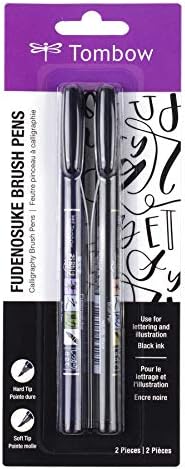
Best brush pen sets by tip, ink flow, color range, and paper match, for lettering, sketching, and journaling.
A brush pen set can look generous in the box and still disappoint on paper, with scratchy tips, ink that skips, or colors that fade within a year. This guide gives you a practical checklist for choosing the best brush pen sets for lettering, sketching, journaling, and classroom work. You will learn how tips, ink, and barrel design behave in real use, what each price tier usually delivers, and which warning signs to avoid. Start with the comparison table below, then score every option against the criteria that follow.


How to Evaluate Brush Pen Sets
Judge a set the way you will actually use it. Before you buy, picture your main project, your usual paper, and how many colors you truly reach for in a week. Then work through the criteria below, because a set that shines for loose watercolor style sketches may frustrate a lettering beginner who needs control. Keep notes as you compare, and give the most weight to tip quality and ink behavior, since those two points decide almost every stroke you make.
Purpose and Who It Is For
Start with the job. Lettering needs a tip that snaps back after pressure so thick downstrokes and thin upstrokes stay clean. Sketching and coloring favor softer tips and ink that layers without tearing paper. Journaling needs quick drying ink that will not bleed through thin pages. Beginners do best with a medium firm tip and a modest color count, because control matters more than range at first. If you teach or buy for kids, add washable ink and sturdy caps to your must have list.
Materials and Build Quality
Tip material shapes the whole experience. Felt tips are affordable and predictable but can fray with heavy pressure on rough paper. Bristle style tips, whether natural or synthetic, give expressive line variation and last longer when you use smooth paper and a light hand. Barrels should feel balanced, with a cap that posts securely and seals with a clear click so ink does not dry out. Check that printing on the barrel names the color clearly. Sets you will carry daily also need a case or tray that keeps tips from pressing against hard objects in your bag.
Size and Design
Set size is a decision, not a bonus. A set of twelve well chosen colors you use weekly beats a set of sixty where half the shades duplicate each other. Look at the balance between light and dark tones, and check for a true black and a blender if you plan shading work. Dual tip designs, with a brush on one end and a fine tip on the other, double your outlining options without doubling your storage. Handle length matters too. Short barrels suit small hands and travel kits, while longer barrels give lettering artists more control on large pieces.
Durability and Care
A durable set keeps its line quality for months, not weeks. Tips should resist fraying when you stay on suitable paper, and ink should flow to the last portion rather than drying in a half full pen. Store pens flat or tip conditions the maker suggests, keep caps on between uses, and never force a dried tip back to life by pressing harder, which bends fibers permanently. If you want a wider view of brush style tools in general, our guide to the best brushes sets covers care habits that apply across brush formats.
Ease of Use
Easy to use means the pen does what your hand expects. Ink should start at once without shaking or squeezing, lay down evenly at slow and fast speeds, and stop cleanly when you lift the tip. Color caps should match the ink closely enough that you are not swatching every pen before each session, although making your own swatch card remains a smart first step with any new set. For left handed writers, quick drying ink prevents smearing across fresh strokes. Test grip comfort as well, because a slick round barrel can tire your hand during long lettering practice.
Price and Value
Value is cost per usable pen, not cost per box. Budget sets around $15 to $30 suit practice and classrooms, but expect firmer tips and fewer lightfast colors. Mid range sets around $30 to $60 usually bring better ink flow, wider and better balanced color ranges, and replacement tips or refill options. Premium sets above that level should justify themselves with bristle quality, refillable ink, and colors that stay true in displayed work. If a budget set will be replaced twice in a year, the mid range option is often the cheaper purchase over time. Compare drawing tools more broadly in our guide to the best brush sets if your projects mix media.
Key Features That Matter
Four features separate satisfying sets from drawer clutter. First, tip recovery. The tip should return to a fine point after a firm stroke. Second, ink behavior on your paper, including bleed, feathering, and drying time. Third, a color range built around mixing and shading rather than novelty shades. Fourth, refill or replacement support, which protects your favorite colors from disappearing when one pen runs dry. Sets that publish lightfast ratings and clear paper guidance are also easier to trust, because the maker is telling you the limits instead of hiding them.
What Each Price Tier Usually Delivers
The product table above spans several tiers, and the honest way to compare them is by what each tier reliably delivers. Use the three guides below as expectations, then check any specific set against the checklist rather than assuming a higher price always means a better match for your work.
Best Overall Tier
Expect the most balanced package here, usually in the mid range. Tips hold a point through regular practice, ink flows without skipping on smooth and lightly textured paper, and the color range covers skin tones, foliage, skies, and shadow shades without filler. You should also get a storage case that protects the tips and a swatch friendly naming system. This tier suits hobbyists who draw or letter several times a week and students building a kit that must last a full course. The limit is that truly specialized colors, such as metallic shades, may still require a small add on purchase later.
Best Value Tier
Value tier sets keep the essentials and trim the extras. You get firm felt tips that forgive beginner pressure, a compact color range chosen for general subjects, and simple packaging instead of a display case. They are a sensible choice for practice books, travel sketching, and shared classroom supplies where loss is likely. Shoppers who also need writing pens for notes and planners can compare options in our guide to the best pen sets. The limit is longevity. Heavy daily use on rough paper will wear these tips faster, so budget for replacement within the year if you draw every day.
Best Premium Tier
Premium tier sets should earn their price in tip craft and ink quality. Look for bristle tips with smooth recovery, pigments with stated lightfast ratings, refillable or replaceable nibs, and colors that layer and blend without muddy streaks. This tier suits artists who sell work, display pieces in daylight, or letter commissions where a ruined stroke costs real money. The limit is care. Premium tips punish rough paper and heavy pressure, and the larger investment hurts more if the set sits unused, so buy this tier when your weekly practice habit is already established.
Quick Buyer Checklist
Run through these questions before you pay. Each yes makes the purchase safer, and any no tells you exactly what to verify in the product details or reviews from working artists.
- Does the tip firmness match your main task, such as lettering or coloring?
- Have you seen the ink tested on paper like the paper you own?
- Does the color range include the tones your subjects actually need?
- Can you replace or refill your most used colors later?
- Do the caps seal tightly and match the ink color closely?
- Is there a case or tray that protects the tips in storage?
- Does the maker state lightfast or fading guidance clearly?
- Would you still choose this set if it had half as many colors?
Red Flags to Watch For
Be cautious when a set advertises a huge color count but shows no swatches on real paper, because untested shades often duplicate each other. Vague claims about professional quality with no tip material named, no lightfast information, and no refill path suggest a maker avoiding specifics. Watch for reports of caps that arrive loose, since drying out is the fastest way a new set dies. Extremely low prices for very large sets usually mean watery ink and tips that fray within weeks. Finally, avoid sets whose colors are numbered without names or charts, because reordering a favorite shade becomes guesswork.
Tips to Get the Most From Your Brush Pen Set
Start every new set by making a swatch card on the paper you use most, labeled with each color name, and keep it with the set. Practice pressure drills for ten minutes before real lettering so your hand learns the tip limits without risking a finished piece. Store the set away from heat and sunlight, recap pens as soon as you set them down, and rotate which colors you practice with so wear spreads evenly. When a tip begins to fray, move that pen to loose sketching duty rather than forcing it through detailed work.
Frequently Asked Questions
How long does a brush pen set last?
A well cared for set lasts one to three years of regular use. Tip wear, not ink supply, usually ends a pen life first, especially on rough paper. Pens used for gentle coloring on smooth paper last longest. Store them capped and flat, and your most used colors may need replacement sooner than the rest, which is normal and a good reason to favor sets with refills or open stock singles.
Is a brush pen set worth paying more for?
Paying more is worth it when the upgrade buys tip recovery, refill options, and lightfast ink. Those three gains show up in every stroke and in how long finished work keeps its color. Paying more only for a bigger box or a fancy case adds little. If you practice twice a month, a solid mid range set gives you nearly all the benefit, and your money is better spent on good paper.
What features matter most in a brush pen set?
Tip recovery and ink behavior on your paper matter most. A tip that returns to a point lets you mix thick and thin lines in one stroke, and ink that neither bleeds nor skips keeps that line where you put it. After those two, weigh the color range against your subjects. A smaller set with the tones you need beats a rainbow you have to work around, especially for lettering where black and a blender do daily duty.
Is a brush pen set a good gift?
Yes, a brush pen set makes a good gift when you match it to the person's habit. For beginners, pair a medium firm set with a lettering practice pad so the first session goes well. For experienced artists, choose a smaller premium set over a giant budget box, because they will feel the tip quality at once. Add a note about smooth paper, since the wrong paper is the most common reason a gifted set gets blamed for fraying.
The Bottom Line
Decide by tip, ink, and color range, in that order, and let price follow the tier that matches your practice habit. The comparison table above will help you revisit your shortlist quickly once you know which tier fits. Choose the best brush pen sets for the work you actually do, swatch them on your own paper the day they arrive, and you will know within one session whether the set deserves its place on your desk.


