Best Brush Hog Mowers: A Buying Guide by Budget for 2026
Disclosure: We may earn a commission when you buy through links on this page, at no extra cost to you. As an Amazon Associate I earn from qualifying purchases. Learn more

Compare the best brush hog mowers by price tier and learn which deck size, power source, and drive type fit your acreage, brush thickness, and terrain.
A brush hog mower is built for the jobs a lawn mower cannot handle, cutting tall weeds, thick brush, and small saplings on rough ground. Prices range from under $1,000 for compact models to about $5,000 or more for wide commercial cutters. This guide walks through the best brush hog mowers by budget tier, the features that earn their cost, and the sizing checks that keep you from buying the wrong cutter for your land.
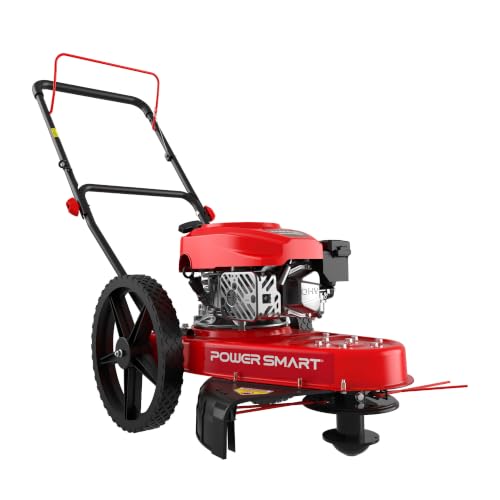
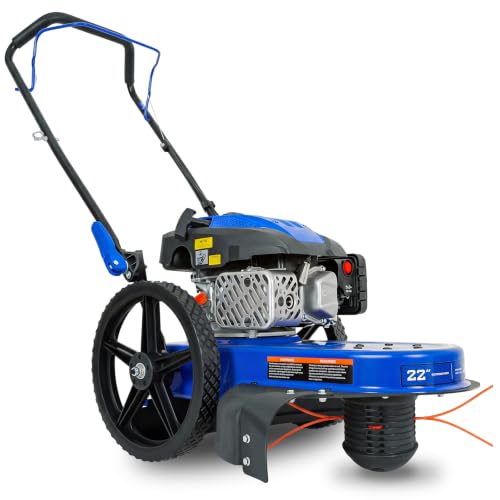
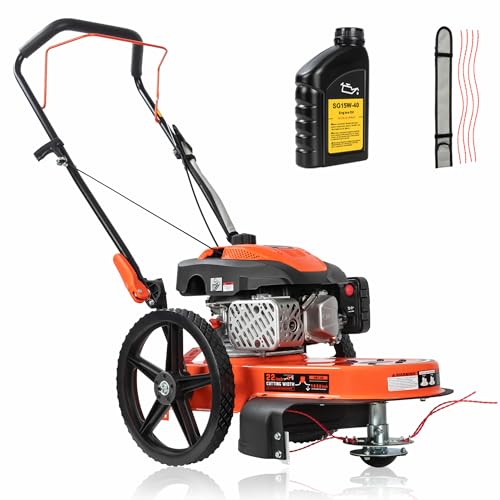
Start with the comparison table below to see how cutting widths, power ratings, and price tiers line up. Then match a tier to your acreage, brush thickness, and the machine you already own.


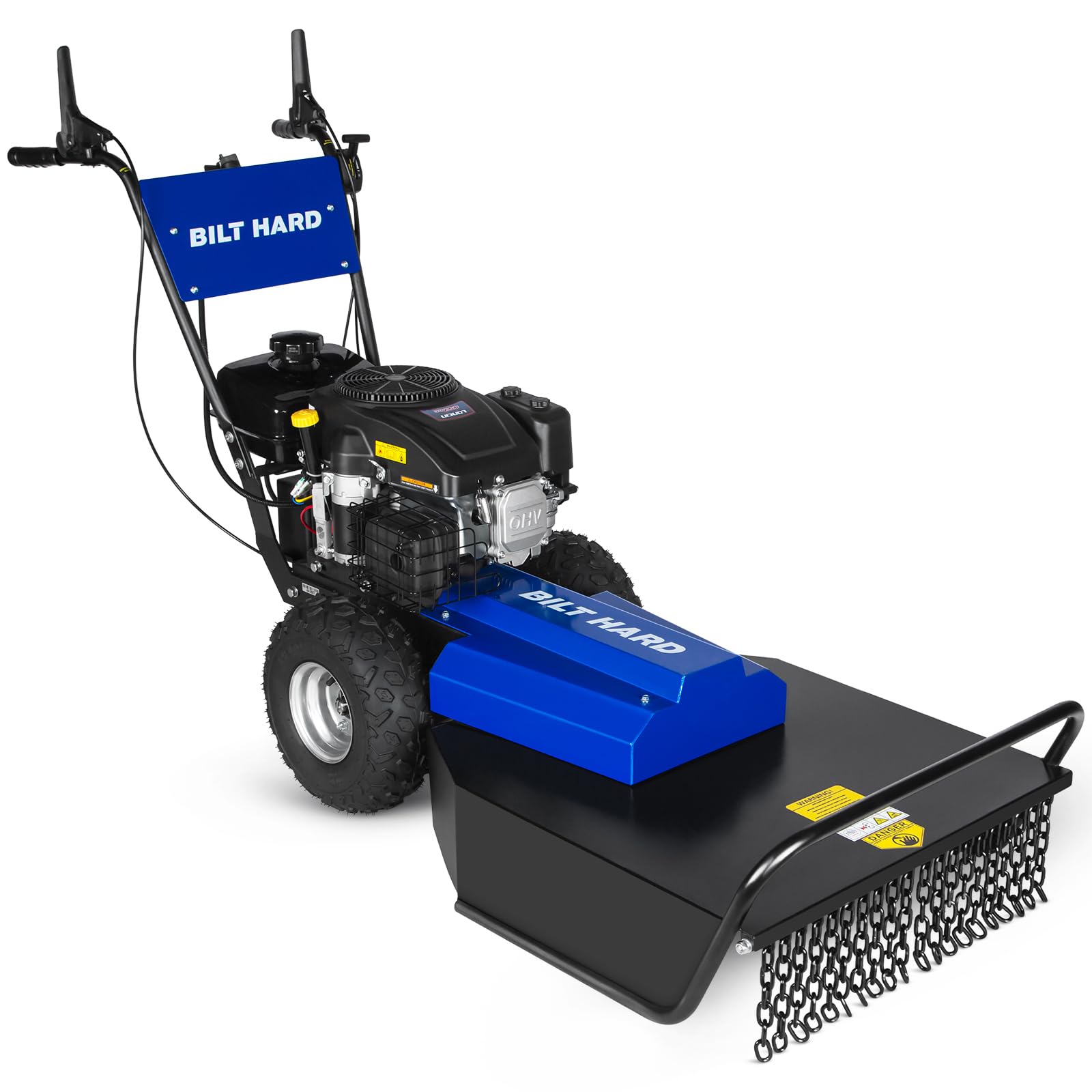

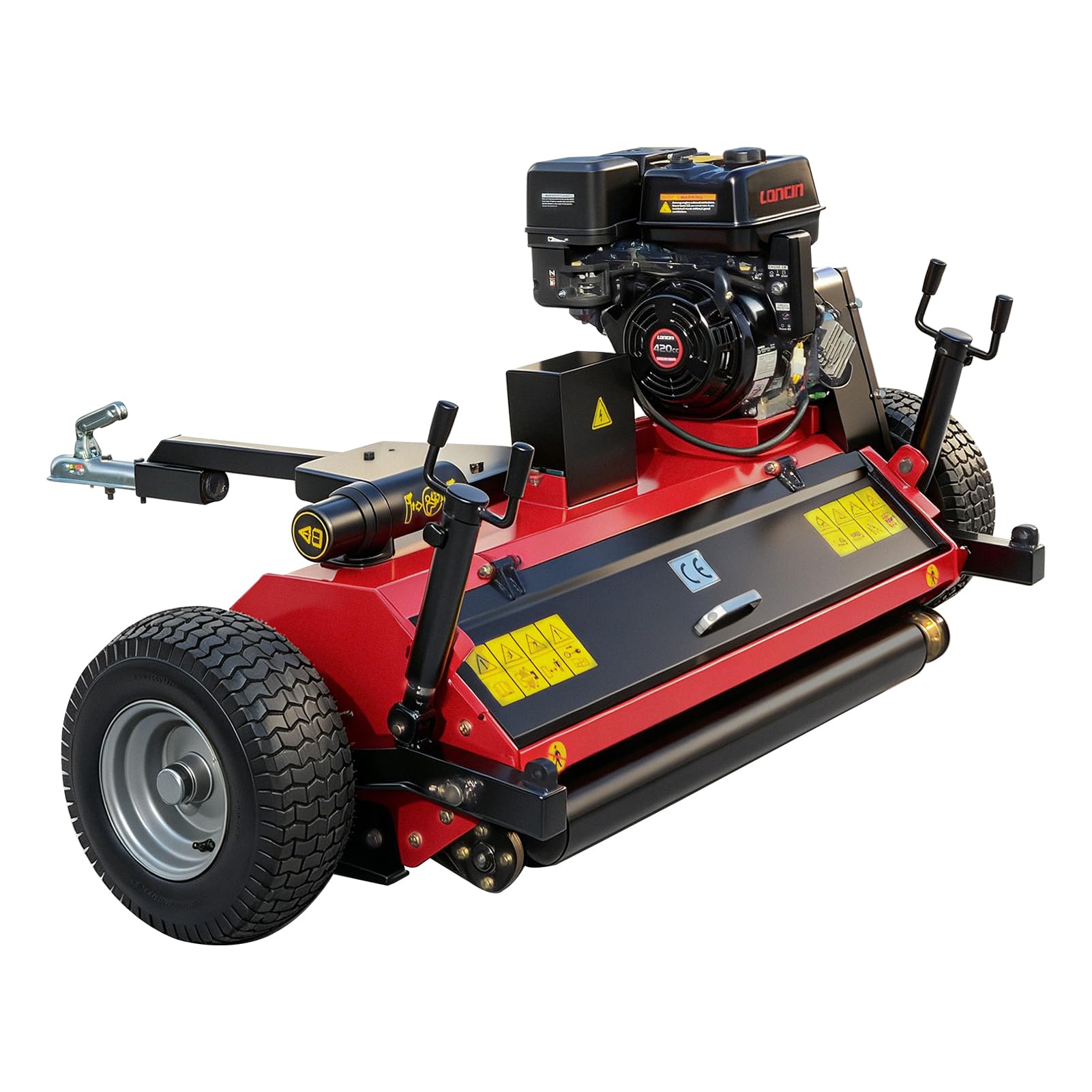
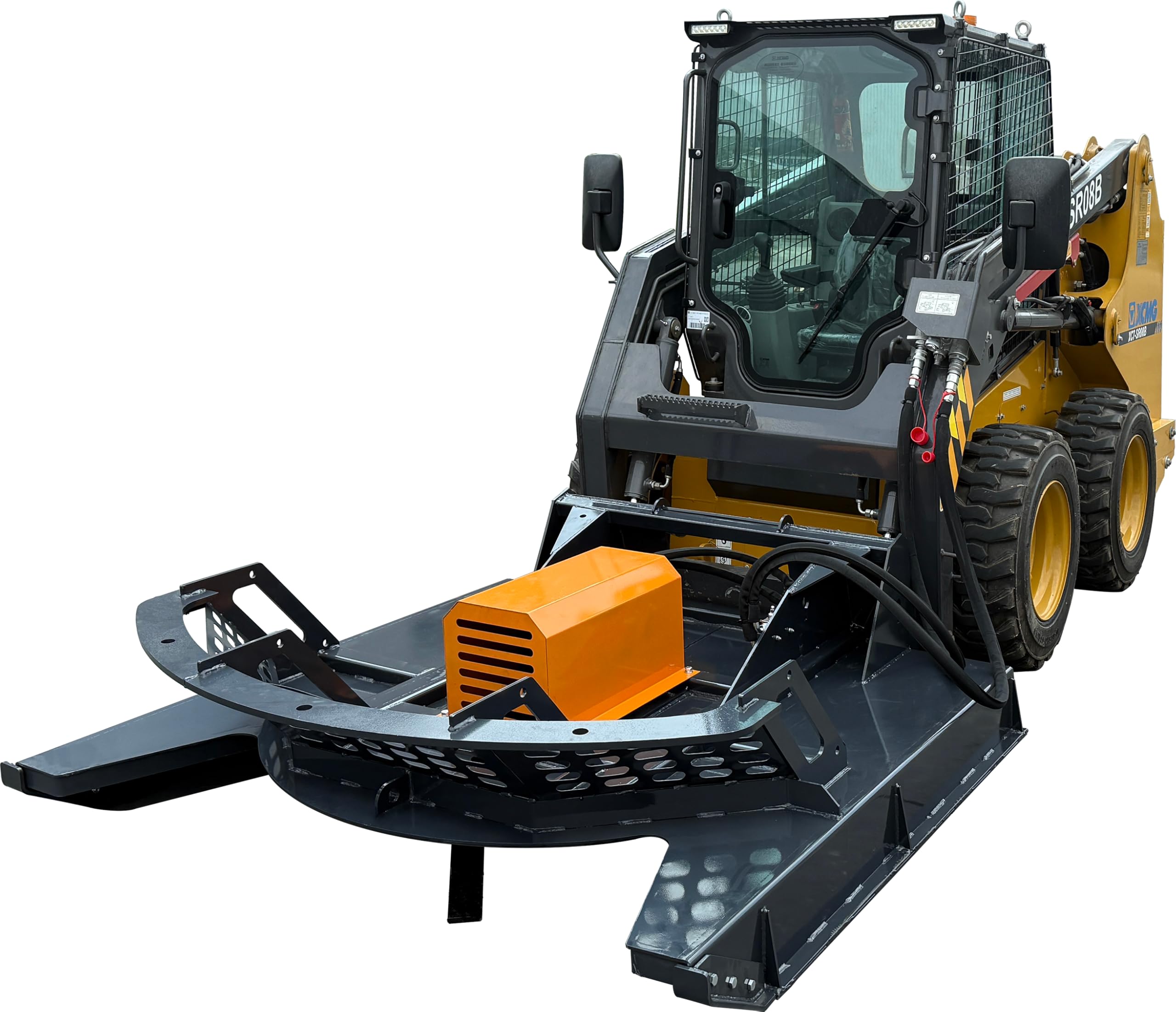
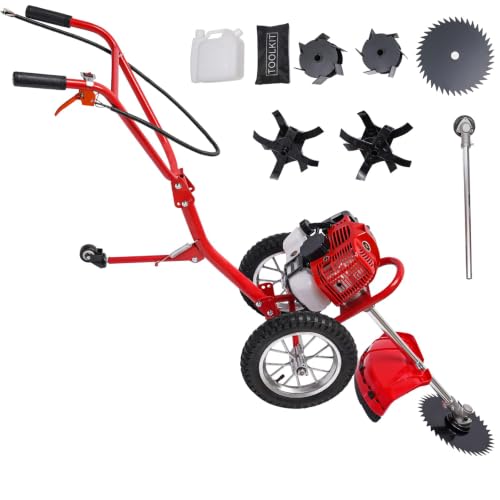
Who Should Buy a Brush Hog Mower?
A quick naming note first: brush hog, bush hog, and rotary cutter all describe the same family of heavy rotary mowers, and the names are used interchangeably in listings. If you are cross shopping terminology, see our guide to the best bush hog mowers for the same category under its other common name. What sets these machines apart is a thick swinging blade, a heavy deck, and a driveline built to absorb hits from rocks and stumps.
Owners of Pastures, Fields, and Rough Acreage
If you maintain open ground that only gets cut a few times a year, a tractor mounted rotary cutter is the standard tool. It trails behind the tractor, shrugs off uneven ground, and turns a day of hand clearing into a few passes. For wide open ground where you also cut lighter growth along fences and lanes, our guide to the best field and brush mowers covers machines aimed at that mix of field work. Size the cutter to your tractor first and worry about brand last.
Landowners Reclaiming Overgrown Ground
Reclaiming land that has gone wild for several seasons is a different job from routine mowing. You face saplings, briars, and hidden debris, and the first passes go slowly. A brush hog earns its keep here because the swinging blades pivot when they strike something solid instead of bending a fixed blade or stalling the engine. Work in stages, cut high on the first pass, and lower the deck once you can see where the rocks and stumps hide.
Buyers Without a Tractor
Not every brush hog hangs on a three point hitch. Self propelled walk behind models carry their own engine and let you clear trails, ditch banks, and small lots where a tractor cannot fit. If that sounds like your situation, see our guide to the best walk behind brush mowers for machines built to be driven on foot. Tow behind cutters with their own engines are another option if you own an ATV or a utility vehicle.
What Your Money Gets You at Each Price Tier
Price tiers in this category track three things: cutting width, deck and gearbox strength, and how thick a sapling the cutter can handle. The product table above shows how the best brush hog mowers spread across these tiers, and the breakdown below explains what changes as you move up.
Budget Tier: What to Expect
Budget cutters, generally under $1,500, are compact four foot models for light tractors or smaller walk behind units for lots under a couple of acres. Expect thinner deck steel, a basic gearbox, and a cutting capacity around one inch of sapling diameter. That is plenty for weeds, grass, and light brush on ground you know well. The trade offs show up in durability: welds are simpler, parts can be slower to find, and these cutters dislike hidden rocks.
Midrange Tier: The Sweet Spot for Most Buyers
Midrange cutters start at about $1,500, with stronger models reaching about $3,500, and cover most five to twenty acre properties. Decks get thicker steel and reinforced corners, gearboxes handle more horsepower, and cutting capacity climbs to about two inches. Five and six foot widths become common, which cuts your pass count on open fields noticeably. Parts support improves a lot too, with blades and shear pins stocked widely. If you cut several times a year and plan to keep the machine for a decade, land here.
Premium Tier: When Spending More Pays Off
Premium cutters run about $3,500 and up, adding heavy fabricated decks, high horsepower gearboxes, slip clutches, and widths of seven feet or more. Some use dual spindle designs that cut wide while trailing neatly behind the tractor. This tier pays off when you mow commercially, clear rough ground often, or run a tractor that would overwhelm a lighter gearbox. For a few acres of light brush, the extra strength sits unused.
Features Worth Paying For (and Ones to Skip)
Deck Material and Build Quality
The deck takes every hit, so steel thickness matters more than paint or styling. Look for decks in the range of 10 to 12 gauge steel on midrange and premium cutters, with welded bracing around the gearbox mount and a reinforced front edge. Stamped thin decks flex and crack around the spindle over time. Chain guards or rubber deflectors front and rear are worth paying for because they slow thrown debris.
Power Source and Driveline Protection
Most tractor cutters draw power from the PTO shaft, so the tractor engine size sets your ceiling and the cutter gearbox must be rated for it. Walk behind and tow behind models use their own gas engines instead. Driveline protection is the feature to study: a shear pin is cheap but stops your work each time it snaps, while a slip clutch costs more and resets itself after a hit. On rocky ground, the slip clutch repays its price quickly.
Drive Type and How the Cutter Moves
For tractor models the tractor does the driving, but self propelled walk behind units offer gear driven wheels that pull you up slopes and through thick growth. That matters on banks and wet ground. A zero turn mower, by contrast, is a finish mower for lawns, and its thin deck and fixed blades are not built for saplings or stumps, so see our guide to the best ztr mowers only if your ground is true lawn. For lighter tools aimed at edges and small patches, browse our guide to the best brush mowers instead.
Cutting Width, Cutting Height, and Discharge
Width sets your pass count: a six foot cutter covers an acre far faster than a four foot model, provided your tractor has the power and your gates have the room. Cutting height adjusts with the tail wheel and top link, usually across a range of about 2 to 12 inches, and higher settings suit first passes over rough ground. Forget lawn mower thinking here: there is no bagging option, and mulching in the lawn sense does not apply, because a brush hog shreds growth and drops it in place.
Sizing and Compatibility Checks Before You Order
Match the cutter to your tractor before anything else. A common rule of thumb is about five PTO horsepower for every foot of cutter width, so a six foot cutter wants roughly 30 PTO horsepower or more. Confirm the hitch category as well, since Category 1 and Category 2 pins and spacing differ, and check that the PTO shaft length suits your hitch without binding at full lift. A cutter too wide for the tractor will lug the engine, overheat the gearbox, and cut poorly.
Check the rated sapling capacity against your worst growth, not your average growth. If your back field holds two inch saplings, a cutter rated for one inch brush will spend its life snapping shear pins. Also walk your gates and trail pinch points with a tape measure, because a wide deck that cannot reach the back pasture is money wasted. Wider cutters are heavier too, and your tractor may need front ballast weight to steer safely with one raised.
Safety deserves its own check. A brush hog can throw debris a long distance, so keep people and animals well clear while the blades turn. Shut the PTO off, lower the cutter, and let the blades stop fully before inspecting a jam, and wear eye protection around the deck. If the gearbox, PTO shaft, or blades show cracks or heavy damage, have a qualified mechanic handle the repair, since a failed driveline part can cause serious injury.
Common Mistakes to Avoid
- Buying a cutter wider than your tractor can power, which lugs the engine and overheats the gearbox.
- Ignoring sapling capacity ratings, so the cutter snaps shear pins on growth it was never built to cut.
- Mowing unknown ground at a low deck height on the first pass, which slams blades into hidden rocks and stumps.
- Skipping the hitch category and PTO shaft checks, leaving you with a cutter that will not attach or lift correctly.
- Letting people or pets stay near the work area, where thrown debris can travel a surprising distance.
- Storing the cutter outside without cleaning packed grass from under the deck, which rusts the steel from below.
Long Term Costs to Factor In
The purchase price is only part of ownership. Blades dull and eventually need replacement, shear pins and slip clutch plates are consumables, and the gearbox needs its oil checked and changed on schedule. Walk behind and tow behind models add engine costs: fuel, oil, filters, plugs, and belts. Tires and tail wheels wear on rocky ground, and warranty length varies by tier, with budget models often carrying shorter coverage on the gearbox, the priciest single part to replace.
Parts availability should factor into the purchase too. A cutter from a maker with a wide parts network costs less to keep running over ten years than a bargain import with no stocked blades or gearbox parts, even when the sticker prices look far apart.
Care and Maintenance for Your Brush Hog
After each use, knock the packed grass and mud out from under the deck once the blades have stopped and the PTO is disconnected. Wet clippings hold moisture against the steel and start rust that thins the deck over a few seasons. Grease the PTO shaft joints and check the gearbox oil level each season. Inspect blades for cracks, and replace a cracked blade rather than running it, since a thrown blade fragment is extremely dangerous.
Check the tail wheel for wobble, keep its pivot greased, and confirm that shear pins match the rating the maker specifies, because a harder bolt removes the protection the driveline depends on. Store the cutter under cover with the deck lowered onto blocks. A short preseason routine of greasing and oil checks keeps a midrange cutter working well for many years.
Frequently Asked Questions
How long does a brush hog mower last?
A brush hog mower typically lasts 10 to 20 years with basic care. The gearbox and deck decide the lifespan more than anything else: a thick deck stored under cover resists rust for decades, while a thin deck left outside can rot through in a few seasons. Blade and bearing wear are normal service items along the way. Treat the first gearbox oil change as the milestone that sets up the whole service life.
How often should you sharpen brush hog mower blades?
Sharpen brush hog mower blades once or twice a season for average use, and more often on sandy or rocky ground. Unlike lawn mower blades, brush hog blades keep a slightly blunt edge, around the thickness of a coin, because they shred brush by impact rather than slicing it cleanly. A razor edge chips faster on saplings and stumps. Sharpen both blades evenly so the rotor stays balanced and vibration stays low.
Is a zero turn mower a substitute for a brush hog mower on one acre?
No, a zero turn mower is not a substitute if that acre holds tall weeds, brush, or rough ground. Zero turn decks are thin, the blades are fixed and light, and the low frame hangs up on ruts and stumps that a brush hog rolls over. One pass through saplings can bend a spindle that costs more to replace than a season of hired brush cutting. On smooth finished lawn, though, the zero turn is faster and cleaner.
What size brush hog mower do you need for your land?
Choose the size from your tractor power and your gate widths first, then from acreage. Four foot cutters suit compact tractors and small lots, five and six foot models cover most rural properties, and wider units only make sense with the horsepower to spin them. A slightly narrower cutter that fits through every gate usually clears more land in a day than a wide cutter that cannot reach half of it.
Can a brush hog mower cut saplings and small trees?
Yes, within its rated capacity, which runs from about one inch on light cutters to about three inches on heavy premium models. Back into dense stands slowly rather than driving forward, so the rear of the deck meets the growth first and you can retreat if the cutter struggles. Raise the deck for the first pass over tall saplings, then lower it for a cleanup pass. Trees beyond the rating belong to a chainsaw, not a mower.
Final Thoughts
The right choice comes down to three checks: cutter width matched to your tractor power, sapling capacity matched to your thickest growth, and a deck and gearbox built for your ground. Budget tiers serve maintained ground well, midrange cutters cover most properties for a decade or more, and premium models earn their price under heavy workloads. Use the product table above to compare widths, ratings, and prices, and you will land on one of the best brush hog mowers for your land with confidence.