Best Brush Dryer: How to Choose a Hair Dryer Brush for 2026
Disclosure: We may earn a commission when you buy through links on this page, at no extra cost to you. As an Amazon Associate I earn from qualifying purchases. Learn more
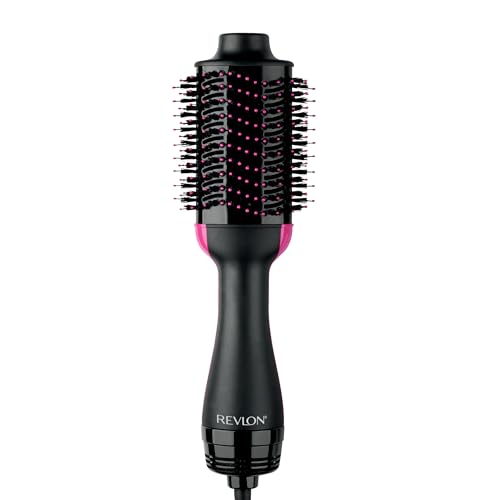
Best brush dryer guide: barrel size, wattage, heat settings, and bristles for short, long, fine, and thick hair.
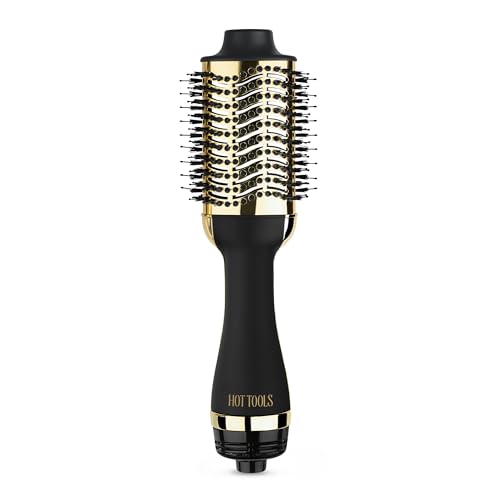
A brush dryer, also sold as a hot air brush or one-step dryer, combines a blow dryer and a styling brush in a single tool. The best brush dryer dries your hair and shapes it in one pass, which saves time and leaves less heat damage than drying first and then styling with a flat iron or curling iron.
The product table below lists popular options. Use this guide to decide on barrel size, wattage, bristle type, and heat settings so the tool you choose suits your hair length and texture.




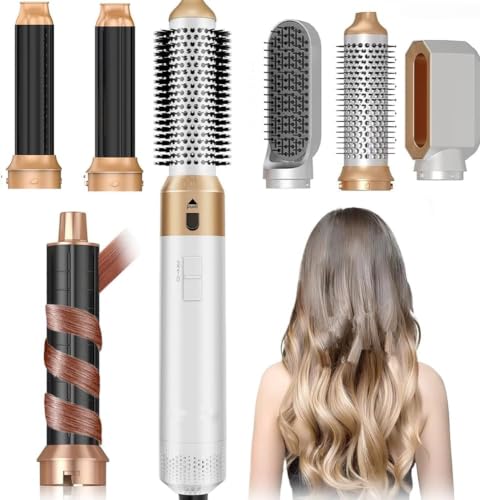
How a Brush Dryer Works
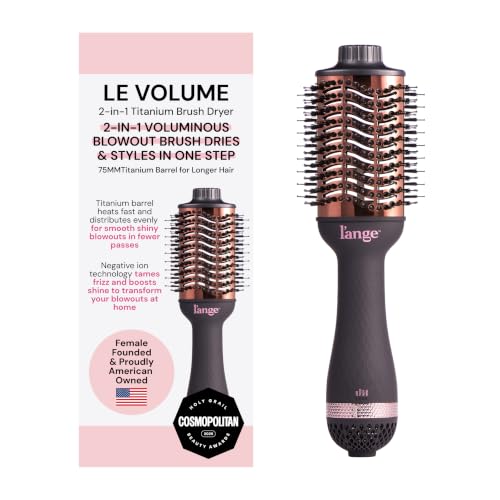
A brush dryer pushes warm air through a round or oval brush head while you pull it through damp hair. Tension from the bristles smooths the cuticle, and the airflow dries and sets the shape. Many models add ionic technology, which is meant to reduce static and frizz, and some include a ceramic or tourmaline coating on the barrel to spread heat more evenly.
Most are used on towel-dried or slightly damp hair, not soaking wet hair. Starting too wet makes the process slow and exposes hair to heat for longer than needed.
What to Look For in the Best Brush Dryer
Barrel Size and Shape
Barrel diameter controls the result. A larger barrel of about 2.5 to 3 inches gives volume and long, loose waves for medium to long hair. A barrel around 1.5 to 2 inches suits short hair, bangs, and tighter bends. Oval paddle brushes lean toward straightening and a sleek finish, while round brushes lean toward volume and body.
Wattage and Airflow
Higher wattage dries faster, but more power is not always better. Models around 1000 to 1200 watts suit most hair types. Fine or damaged hair does better with lower heat and a cool shot option, while thick or coarse hair may want the stronger airflow.
Heat and Speed Settings
Look for at least two heat levels and a cool setting. A cool shot sets the style after you finish a section and helps the shape last longer. Fine hair should stay on low or medium heat, and thick hair can use high on dry sections.
Bristle Type
Nylon pins with ball tips grip hair and glide without snagging. Mixed boar and nylon bristles give extra grip and shine, which many people like for straight hair. Check that bristles are firmly set and that the brush head is heat resistant and easy to clean.
Cord, Weight, and Handle
A swivel cord at least 8 feet long makes it easier to move around your head. Weight matters because styling takes arm strength: a lighter tool is easier on your wrist, especially for long hair. Rubberized handles help when your hands are damp.
Safety Features
Look for an overheat protection feature, a cool-touch tip, and a plug that fits your outlet. Keep the intake free of lint and hair, and unplug the tool when it is not in use.
Which Type Suits Your Hair
- Short hair: a smaller barrel gives body without pulling the ends flat.
- Medium to long hair: a large round barrel or an oval paddle for smooth, bouncy styles.
- Fine hair: lighter heat, a medium barrel, and a volumizing shape to avoid limp ends.
- Thick or curly hair: stronger airflow, detangle first, and work in small sections.
- Frizz-prone hair: an ionic model and a cool shot to seal each section.
How to Use a Brush Dryer
- Towel-dry your hair until it is damp, not dripping, and apply a heat protectant.
- Divide your hair into sections and clip the top out of the way.
- Place the brush at the roots, pull slowly toward the ends, and rotate the brush for body.
- Finish each section with a cool shot to set the shape.
- Repeat on each section, then let your hair cool before touching it.
Use small sections for best results. Larger sections dry unevenly and may need extra passes with heat.
Brush Dryer Versus Other Hot Tools
A brush dryer sits between a blow dryer and a round brush used by hand. Compared with a flat iron, it dries and smooths at the same time, so you use less total heat. Compared with a hair straightener brush, which only heats a damp-free surface, a brush dryer also removes water, which is why it can replace two steps. People with very thick, coarse, or tightly coiled hair sometimes still prefer a standard dryer with a diffuser or a concentrator nozzle, because it moves more air and gives more control over each section.
If you travel often, check the weight, the plug type, and whether the cord swivels. A compact model with dual voltage is easier to pack, but it may have fewer heat settings than a full-size tool.
Heat Protection and Hair Health
Apply a heat protectant spray or cream evenly from roots to ends before you start. Wait a minute for it to settle, then begin on medium heat. Avoid passing over the same area several times, and use the cool shot at the end to close the cuticle for a smoother finish. If your hair feels brittle or looks dull, reduce how often you use hot tools and add a weekly conditioning treatment.
Cost and Value
Brush dryers run from about $30 to $80 for popular models, with professional salon-style options costing more. Lower-priced tools do the job for occasional use. Paying more usually buys stronger airflow, better coatings, and a sturdier build, which matter if you use the tool several times a week. Check the warranty and the return policy before you buy.
Care and Maintenance
Unplug and let the tool cool before cleaning. Remove hair from the bristles with a comb or brush, clear the air intake of lint, and wipe the barrel with a damp cloth. Store it in a dry place with the cord loosely wrapped, not tightly bent, since tight bends damage the wires over time.
Common Mistakes
- Using the tool on soaking wet hair, which increases heat exposure.
- Skipping a heat protectant on fine or color-treated hair.
- Choosing a barrel that is too large for short hair.
- Holding the tool in one spot, which can overheat the hair.
- Forgetting to clean the intake, which reduces airflow and strains the motor.
Brush Dryer FAQ
Is a brush dryer better than a regular blow dryer?
A brush dryer is easier for smoothing and adding volume in one step, so it suits people who want a quick blowout. A regular blow dryer with a separate brush gives more control and speed for very thick hair.
Can a brush dryer damage hair?
Any heat tool can dry hair out if misused. Use a heat protectant, choose a lower heat setting for fine or damaged hair, and keep the tool moving.
What barrel size should I choose?
Choose about 1.5 to 2 inches for short hair and 2.5 to 3 inches for medium to long hair. A larger barrel gives looser curls and more volume.
How long does it take to dry hair with one?
Most people need 10 to 25 minutes depending on hair length and thickness. Starting with towel-dried hair and working in sections speeds things up.
Do ionic brush dryers reduce frizz?
Many people find ionic models help smooth hair and reduce static, although results vary with hair type and humidity.
Final Thoughts
Choose the barrel size for your hair length, keep heat moderate, and use small sections for smooth results. The best brush dryer is the one that fits your hair type and routine, so review the product table above and pick the model that matches.