Best Broomball Shoes 2026: Grip and Safety Buying Guide
Disclosure: We may earn a commission when you buy through links on this page, at no extra cost to you. As an Amazon Associate I earn from qualifying purchases. Learn more

Broomball shoes compared by sole grip, ankle support and fit, with tips for casual players, league players, goalies and referees.
Finding best broomball shoes matters more than most newcomers expect, because broomball is played on ice without skates. Your shoes are your only contact with a slippery surface, so grip, support, and fit decide whether you can run, stop, and turn with confidence.
This guide explains the features that actually help on ice: soft rubber soles, ankle support, and a fit that locks your foot in place. The comparison table below sets out the main shoe styles side by side, so you can match a shoe to casual games, league play, or refereeing.




Why Broomball Shoes Are Different
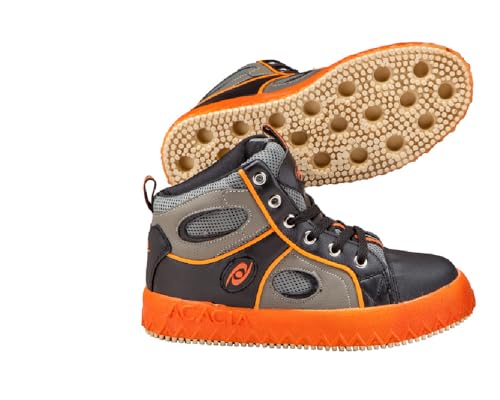
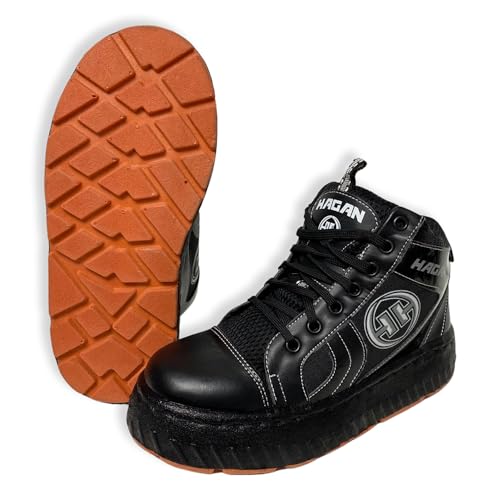
Broomball players run on ice in shoes rather than skates, so the sole must grip a surface that is wet, cold, and constantly changing. Soft rubber compounds grip ice better than hard soles, which tend to slide. Deep, flexible tread patterns channel away thin water films and give the sole more biting edges.
Indoor rink ice differs from outdoor ice, which can be rougher and colder. Shoes that work well indoors may feel less secure outdoors, so consider where you will play most. Whatever the venue, no shoe grips ice perfectly, and learning to move with short, controlled steps matters as much as the shoe itself.
Key Features Worth Comparing
Sole Compound and Tread
Soft rubber is the single most important feature for broomball, since it stays flexible in cold temperatures and grips better than hard plastic soles. Look for a tread with many small lugs rather than a few large ones, because more edges mean more grip points. Avoid smooth dress soles entirely, since they slide dangerously on ice.
Ankle Support and Stability
Mid cut shoes or shoes with firm heel counters support the ankle during quick stops and turns. A stable shoe resists rolling when you plant a foot hard, which protects ankles during fast direction changes. Low cut shoes feel freer, but they demand stronger ankles and better balance from the wearer.
Fit and Lockdown
Your foot should feel locked in without pressure points, since sliding inside the shoe wastes grip and causes blisters. Laces that run close to the toes allow finer adjustment than slip on styles. Try shoes on with the socks you will wear for games, and test quick side steps in the shop if you can.
Warmth and Water Resistance
Ice rinks are cold, and melted ice can soak through mesh uppers quickly. A shoe with a less porous upper keeps feet drier and warmer over a full game. Insulation matters less than dryness, since wet feet chill fast even in a moderately warm shoe.
Who Should Buy Which Style
For Casual Players
Casual players need affordable grip and comfort above all, since games are social and less intense. A dedicated broomball shoe is the surest choice, and a sturdy court or trail shoe with soft rubber soles can work for occasional play. Prioritize fit and tread over specialised features you may never notice in a friendly game.
For League Players
League players play harder and more often, so durability and ankle support matter more. Look for reinforced toe areas, firm heel counters, and soles that survive repeated ice sessions without hardening. Keep a dedicated pair for broomball, since road wear can dull the tread that grips ice.
For Goalies and Referees
Goalies move in short bursts and need lateral stability for quick shuffles, while referees skate or run the length of the rink for a full game. Both roles benefit from secure fit and reliable grip, and referees should also value cushioning for long periods on their feet.
Mistakes to Avoid
The most dangerous mistake is wearing smooth soled shoes on ice. Fashion trainers, dress shoes, and worn out running shoes can all slide badly, raising the risk of falls and collisions. Check the sole before every game, and retire shoes once the tread wears smooth.
Another mistake is buying shoes a size too large for extra socks. A loose shoe slides on your foot, which cancels out even the best sole grip. The product table above shows the main styles, and choosing the right fit within any style matters more than the brand name.
Care and Safety on Ice
Keep broomball shoes dry between games, since damp shoes chill feet and degrade some sole compounds. Brush off ice and grit after play, and store shoes at room temperature rather than in a freezing garage. Inspect tread depth regularly, and replace shoes when grip fades.
Warm up before games, move with short steps on ice, and stop play if the surface becomes dangerously rough or flooded. If you feel ankle pain, swelling, or numbness that persists after a game, seek advice from a clinician rather than playing through it. Good shoes reduce risk, but they never remove it entirely.
Moving Well on Ice
Good shoes help, but movement technique completes the picture on ice. Short, controlled steps with knees slightly bent keep your weight over your feet, which improves grip and balance. Long strides and sudden stops invite slips even in the best shoes, so build speed gradually and practise stopping before games get intense.
Falling safely matters too, since falls happen even to experienced players. Tuck your chin, bend your arms, and try to land on softer areas rather than stiff wrists or elbows. Protective gear such as helmets and knee pads reduces injury risk, and many leagues strongly recommend helmets for all players regardless of experience.
After games, note which movements felt insecure and whether your shoes contributed. Worn tread, loose laces, or a poor fit often reveal themselves through specific slips or sore spots. Addressing those details between games keeps your next session safer and more enjoyable than simply hoping for better ice.
League rules sometimes specify sole types or ban certain footwear, so check your league handbook before investing in a dedicated pair. Some leagues require non marking soles to protect rink ice, while others ban cleats or hard plastic soles outright. Knowing the rules early prevents buying shoes you cannot wear in competition. When rules are silent, choose soft rubber court shoes with strong tread, since they satisfy most league expectations and perform well on ice.
Keep a spare pair of laces in your kit bag, since broken laces mid game can end your session or force you to play with a loose shoe. Flat athletic laces grip better than round ones and stay tied through quick movements. Checking laces before each game takes seconds and prevents an avoidable problem on the ice.
Frequently Asked Questions
Can I wear normal running shoes for broomball?
You can, but only if the soles are soft rubber with deep tread and the fit is secure. Many running shoes use harder compounds or worn treads that slide badly on ice, so inspect the sole carefully before playing. Court shoes or trail shoes with soft rubber often grip better than road running shoes. When in doubt, test the shoes with quick stops on a safe icy patch before a game.
Do I need special broomball shoes?
Dedicated broomball shoes exist, with soft rubber soles made for ice, and many casual players also use court, trail, or indoor soccer shoes with soft rubber. The key features are grip, ankle stability, and a locked in fit. Some leagues suggest or require specific sole types, so check your league rules before buying. A dedicated pair kept for ice play will keep its tread longer.
Should broomball shoes be tight or loose?
They should feel snug and locked in, with no heel slip and no pressure points that cause blisters. A shoe that is too loose lets your foot slide inside, which wastes grip and strains ankles during turns. Wear your game socks when trying shoes on, and lace them fully from near the toes upward. If your toes hit the front during quick stops, try a different size or shape.
How do I keep my feet warm during broomball?
Dry feet stay warmer than insulated but wet feet, so choose uppers that resist soaking and socks that wick moisture. Wool blend or synthetic game socks work better than cotton, which holds water and chills quickly. Keep a spare pair of socks in your bag, and change them if your feet get wet. Warm up well before play, since good circulation helps more than any single shoe feature.
When should I replace broomball shoes?
Replace them when the tread wears smooth, the sole hardens, or the upper no longer holds your foot securely. Ice play wears soles faster than road use, so inspect tread depth every few games. Cracks in the sole or a heel counter that collapses sideways are also clear replacement signs. Playing on worn shoes raises fall risk, so retire them promptly rather than stretching another season.
Final Thoughts
Choosing best broomball shoes comes down to soft rubber grip, a locked in fit, and enough ankle support for the way you play. Get those three right, and you will move with far more confidence on the ice.
Check your league rules, try shoes on with game socks, and inspect the tread before every session. The right pair will not make ice feel like dry ground, but it will make the game safer and much more fun.