Best Brooks Walking Shoes for Plantar Fasciitis 2026: Supportive and Cushioned Options
Disclosure: We may earn a commission when you buy through links on this page, at no extra cost to you. As an Amazon Associate I earn from qualifying purchases. Learn more

Best Brooks walking shoes for plantar fasciitis: supportive, cushioned models to compare for heel comfort, plus fit tips and when to get advice.
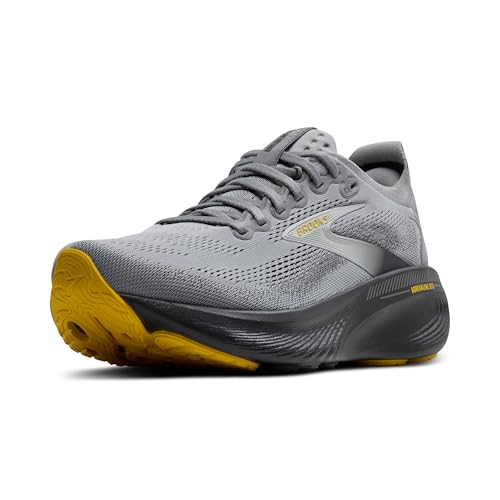
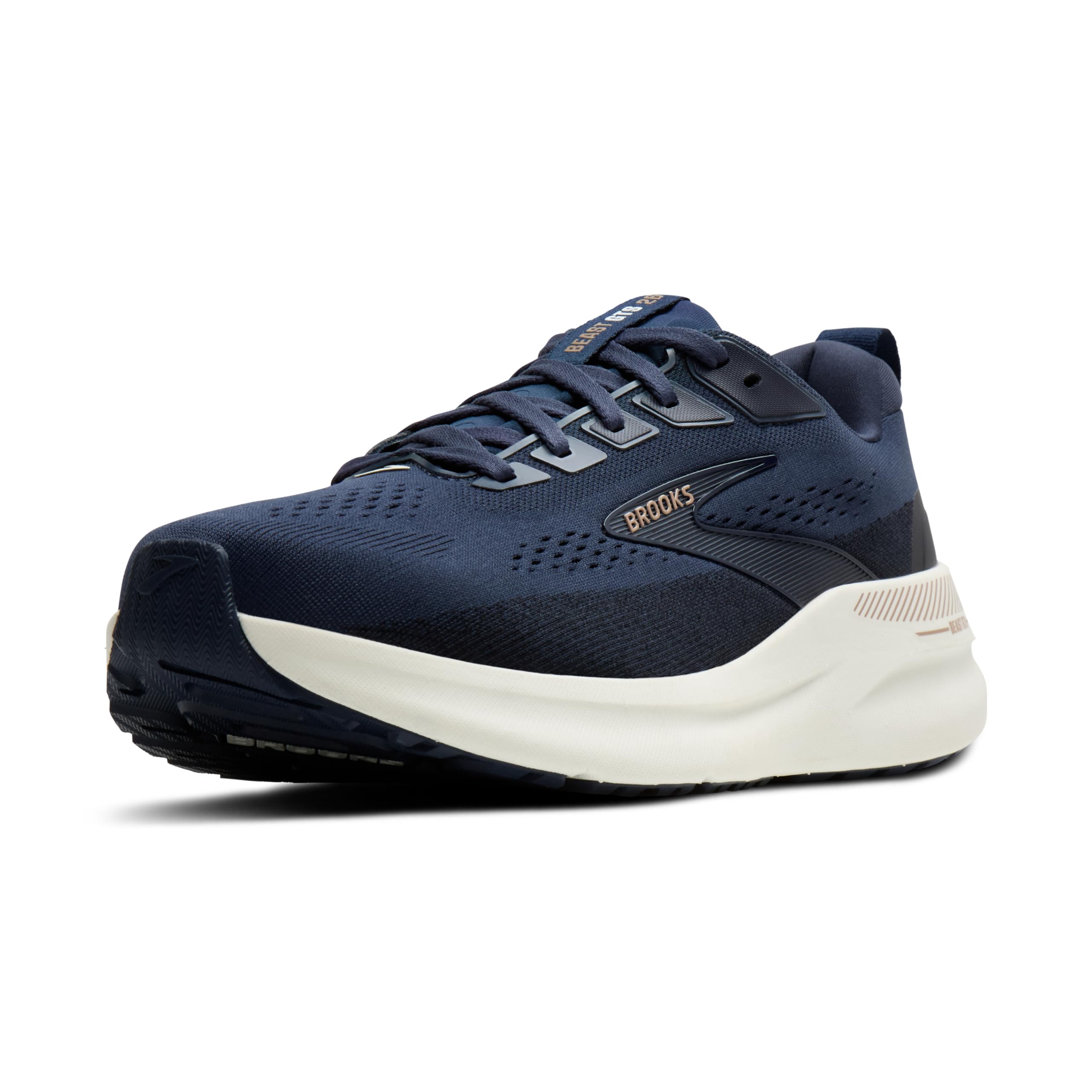
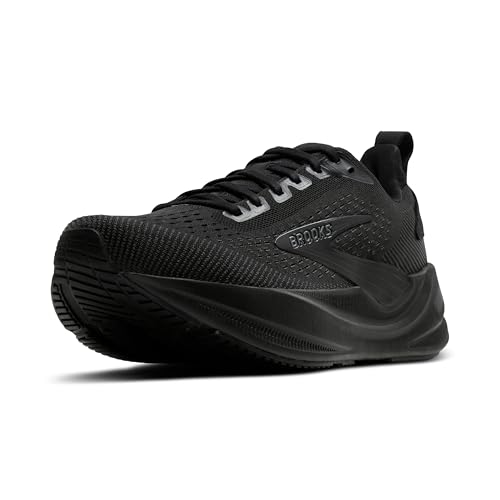
The best brooks walking shoes for plantar fasciitis combine a firm, supportive arch, a cushioned heel and a stable base, which are the features people with heel pain usually look for in a walking shoe. Brooks offers stability models, soft neutral shoes and dedicated walking shoes, and the table below lists current options. Footwear can add comfort, but it does not diagnose or treat the condition, so this guide also covers when to ask a professional.
Plantar fasciitis typically feels like a sharp or aching pain under the heel, often worst with the first steps in the morning or after sitting for a while. Many people find that supportive, well fitted shoes make daily walking more comfortable while they follow the advice of their doctor or podiatrist.




What to Look For in a Walking Shoe
Firm Arch Support
Support that holds its shape under load matters more than very soft foam. A shoe that folds in half easily or twists like a towel usually lacks the structure that a sore heel needs. Press on the arch area and try to bend the shoe: a good walking shoe resists twisting and bends mainly where the toes bend.
Heel Cushioning and Drop
A cushioned heel absorbs impact on each step, and a moderate heel-to-toe drop can reduce the stretch on the calf and the fascia for many walkers. Most Brooks walking and stability shoes sit around 8 to 12 mm, which suits a natural heel strike. Needs vary, so pay attention to how your own heel feels.
A Stable Base
A wide, stable sole and a firm heel counter reduce inward rolling, which keeps your walking pattern steadier. This is where stability models shine, and it is one reason the Adrenaline and Beast are popular with walkers.
Roomy Toe Box
Toes should spread without pressure. A cramped forefoot changes how you walk and can add discomfort elsewhere in the foot.
Removable Insole
A removable insole lets you use a custom orthotic or a firmer insert if your clinician advises one. Bring it to the fitting and swap it in for the factory insole.
Brooks Types to Compare
Stability shoes such as the Adrenaline GTS and Beast add guidance on the inner side and suit walkers whose feet roll inward. Cushioned shoes such as the Ghost, Ghost Max and Glycerin offer a soft landing for walkers who prioritize shock absorption, though you should still check that the arch holds its shape. The Addiction Walker is a dedicated walking shoe with a leather or suede upper, a firm structure and a broad base that many people with heel pain choose for work and travel. Strong motion-control walking shoes suit severe overpronation and can feel stiff at first.
Fit and Break In
Try shoes in the afternoon, when feet are slightly larger, and wear your usual walking socks. Walk on a hard floor for several minutes, not just carpet, because carpet hides firmness. Start with short walks and build distance gradually, since new support changes how the foot and calf work.
Keep a note of your first-step pain each morning for a few weeks. A trend tells you more than one good or bad day, and it helps you explain symptoms to a clinician.
Using the Shoes Well
Supportive shoes help most when you wear them consistently. Many people also keep a supportive house shoe, because walking barefoot or in flat slippers on hard floors can be uncomfortable during a flare. Rotating two pairs lets the foam recover, and replacing shoes when the support has worn out keeps the benefit. Walking shoes typically last about 300 to 500 miles, or six to twelve months of daily wear.
Calf stretches, a gradual increase in walking time and a healthy weight are often part of the advice people receive for heel pain. Follow your clinician's guidance on exercises and treatment.
Budget and Value
Brooks walking and stability shoes range from roughly $70 to $170. A mid-priced stability shoe covers most walkers, a lower-priced pair can suit short walks and a higher price usually buys better foam durability or a wider range of sizes. If you walk many miles every day, spending more on a durable, supportive pair is usually sensible.
Common Mistakes to Avoid
Choosing the softest shoe because it feels plush in the store is a frequent mistake, since soft foam without structure may not support the arch. Others include wearing a shoe long after it has flattened, buying too narrow a fit, and relying on shoes alone when pain is persistent.
Who Each Brooks Model Suits
The Adrenaline GTS is the most common starting point, because it offers moderate guidance and plenty of cushioning at a fair price. The Beast has a broader base and firmer posting, which suits heavier walkers or people with strongly flattened arches. The Ghost Max and the Ghost are softer, with a rocker-shaped sole on the Max that reduces the work of pushing off. The Addiction Walker is the practical choice for work: it is easy to clean, holds its shape and stays supportive through long shifts.
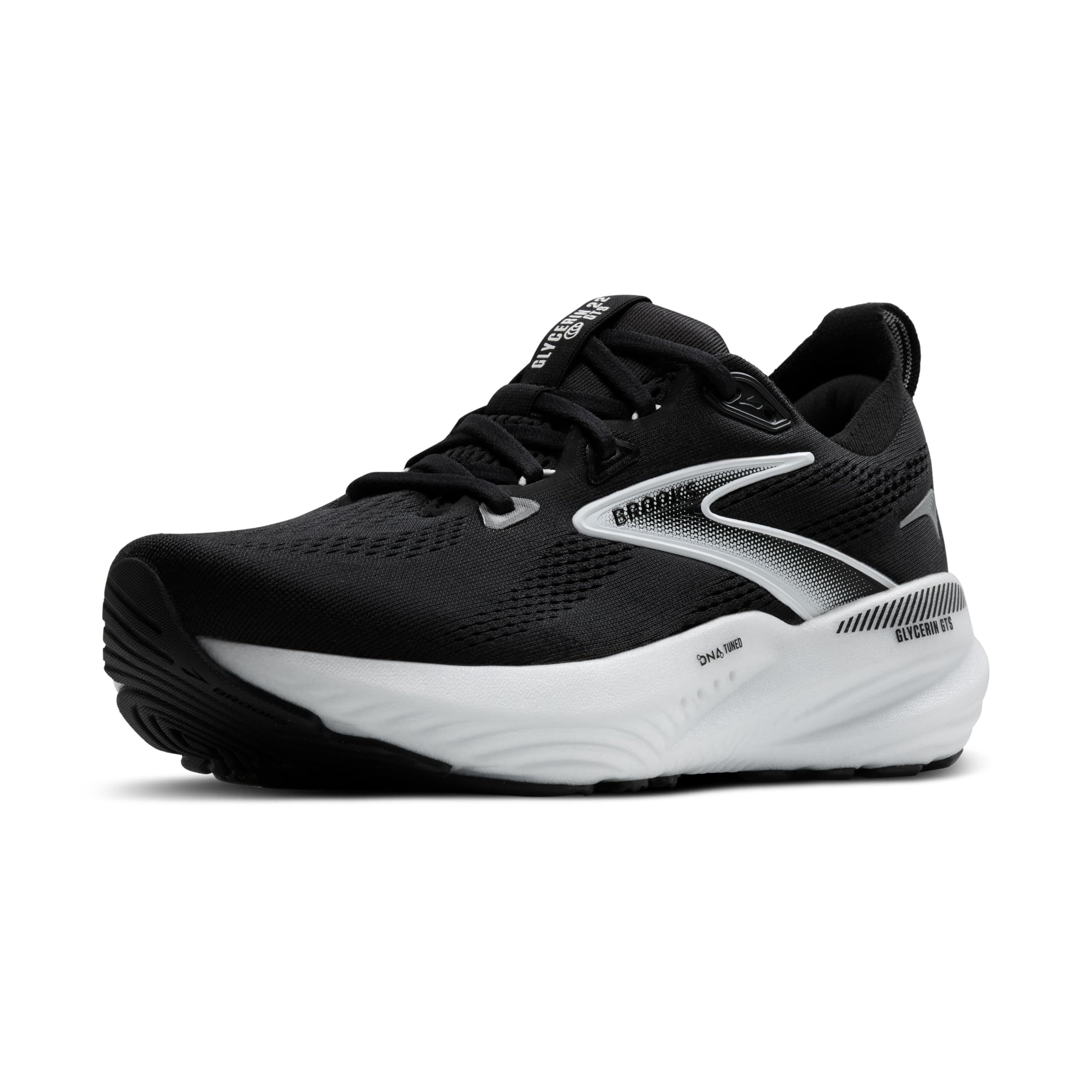
The Ariel, built for women who want a roomy, supportive fit, is a good choice for wide feet, and the Glycerin GTS adds deep cushioning to the stability platform for those who want maximum comfort.
Everyday Habits That Go With Good Shoes
Shoes work best alongside sensible habits. Stand up and stretch the calves before the first steps in the morning, avoid sudden jumps in walking distance and give your feet rest days after long outings. Put on supportive shoes before you stand on hard floors, even at home. If you stand for work, shifting your weight, taking short sitting breaks and using a cushioned mat can reduce strain on the heel.
Keep your shoes in good condition. Check the outsole for uneven wear and look at the shoe from behind on a flat surface. If it leans, the support has worn out and it is time for a new pair.
Related Guides
For more options, see best shoes for plantar fasciitis, best walking shoes for plantar fasciitis, best men's walking shoes for plantar fasciitis and best hoka walking shoes for plantar fasciitis.
Frequently Asked Questions
What makes a walking shoe good for plantar fasciitis?
Firm arch support that does not collapse, a cushioned heel, a stable base and a roomy toe box. Bring your orthotics if you use them and walk on a hard floor before deciding.
Should I wear the same shoes all day?
Supportive shoes help most when worn consistently, including a supportive house shoe if your clinician suggests it. Avoid flat slippers on hard floors during a flare.
How long until walking feels better?
Improvement is often gradual over weeks. It depends on activity, calf flexibility and support, so keep walks regular but moderate and follow professional advice.
When should I see a clinician?
See one for heel pain that lasts more than a few weeks, pain that worsens, swelling, numbness, a sudden pop or pain after an injury. A clinician can look for other causes and advise on orthotics or therapy.
Do inserts help if shoes already support well?
A firm insert can help if the stock insole feels flat, but a poor shoe plus an insert rarely beats a well fitted supportive shoe. Ask a podiatrist about custom options if over-the-counter inserts do not help.
Final Thoughts
The best brooks walking shoes for plantar fasciitis offer a firm arch, a cushioned heel and a stable, roomy fit. Compare the stability and walking models in the table, build up your walking time gradually and talk with a professional if the pain continues.