Best Brooks Walking Shoes 2026: Cushioning, Support and Fit for Daily Miles
Disclosure: We may earn a commission when you buy through links on this page, at no extra cost to you. As an Amazon Associate I earn from qualifying purchases. Learn more

Best Brooks walking shoes: how the Addiction Walker, Ghost, Adrenaline and Revel differ, and how to choose for daily miles, standing and long days.
The best brooks walking shoes fall into three groups: dedicated walking shoes such as the Addiction Walker, cushioned neutral trainers such as the Ghost, and stability shoes such as the Adrenaline GTS. Each balances cushioning, support and weight differently, so the best pair depends on your foot shape, your stride and how far you walk. The table below lists current options, and this guide explains how to choose between them.
Walking and running place different demands on a shoe. Walking involves a heel strike and a long roll to the toes at lower speed, so a stable heel, a flexible forefoot and a comfortable fit matter more than bounce.




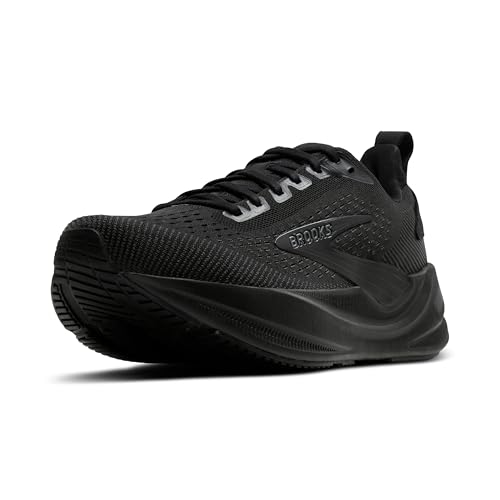

Dedicated Walking Shoes
The Addiction Walker is Brooks' best known walking shoe. It uses a leather or suede upper that holds its shape, a firm heel counter, a broad stable base and a rocker-shaped sole that encourages a smooth roll. It is easy to wipe clean, so it suits work, travel and long days on hard floors. It is heavier and less breathable than a mesh trainer, and it needs a short break-in period.
Neutral Cushioned Trainers for Walking
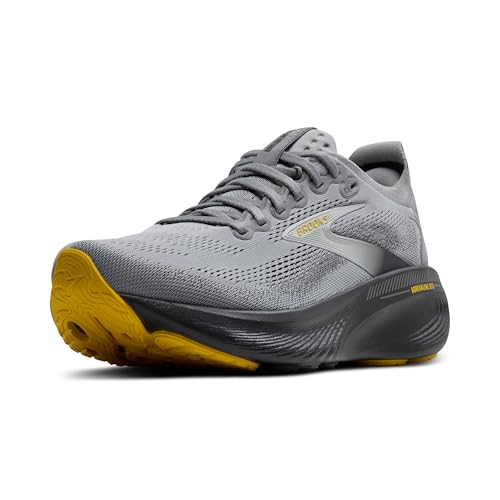
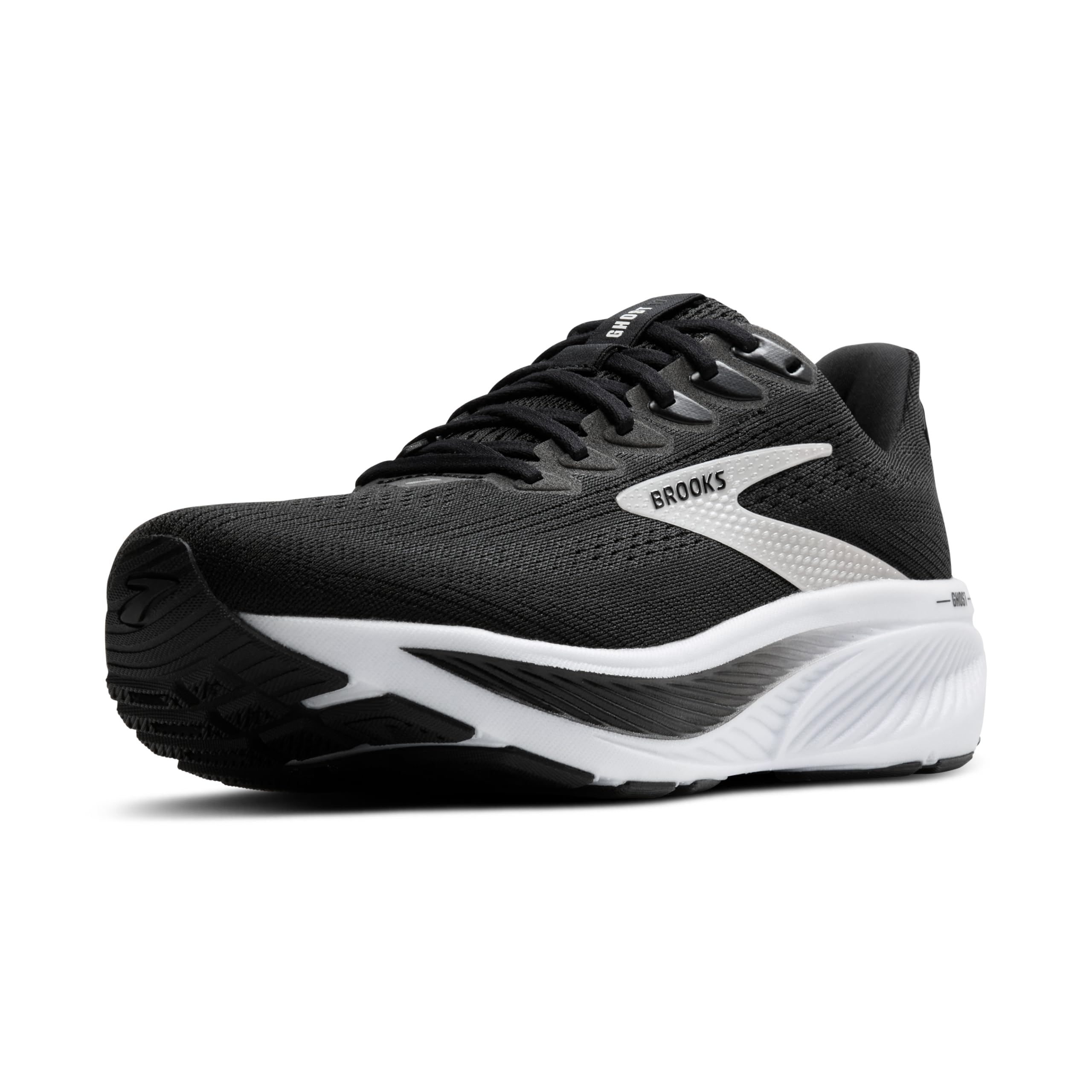
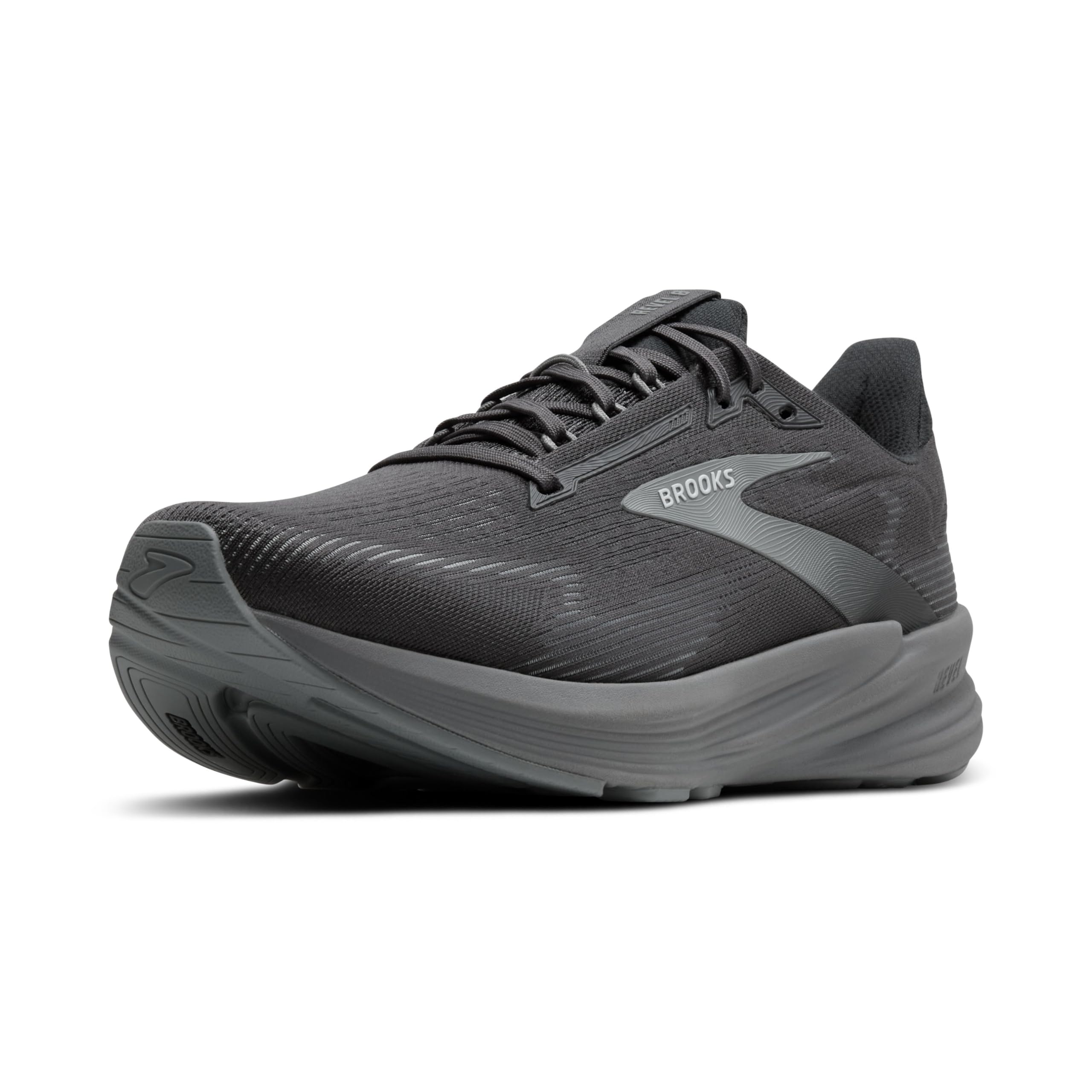
Many walkers prefer the softer feel of a running shoe. The Ghost has balanced cushioning and a smooth ride, which suits most feet and most walking routes. The Ghost Max adds a thick, soft midsole and a rocker shape that reduces fatigue on long walks. The Revel is a lighter, more affordable neutral shoe for short outings and errands. If you have stiff, high arches, these neutral models are usually more comfortable than a stability shoe.
Stability Shoes for Walking
If your feet roll inward, your arches tire quickly or your knees ache after long walks, a stability shoe can help. The Adrenaline GTS adds guidance along the inside of the shoe without feeling stiff, and the Ariel provides a roomier, broader platform. These shoes feel more structured than a neutral trainer, so give yourself a few walks to adjust.
Key Features to Compare
Cushioning
Soft cushioning suits long, easy walks and hard floors, while a firmer ride gives a more stable push-off for brisk walking. Think about the surface you walk on most.
Support and Stability
Match the support level to your stride. Stability models guide a foot that rolls inward, while neutral models let the foot move naturally. Do not choose the most supportive shoe by default, because too much correction can feel uncomfortable.
Fit and Width
The shoe should hold the heel and midfoot snugly and leave room for the toes to spread. Many Brooks walking models come in narrow, medium, wide and extra wide sizes, which often solves fit problems better than changing length.
Outsole and Traction
A walking outsole should grip pavement, park paths and wet sidewalks. A flexible forefoot helps the foot roll naturally through each step.
Fit Tips
Try shoes in the afternoon, when feet are larger, and wear the socks you walk in. Leave a thumb width beyond the longest toe. Walk on a hard floor for several minutes, because carpet hides firmness. If you use orthotics, take them along and swap them in for the factory insole.
Budget and Value
Brooks walking shoes range from around $65 for the Revel to $150 or more for the Ghost Max. The Adrenaline and Ghost sit in the middle at roughly $110 to $150. A mid-priced pair usually offers the best balance of cushioning life and fit, and spending more is worthwhile if you walk many miles every day. Last season's colors are often discounted when new versions arrive, and the shoe beneath is typically very similar.
Care and Replacement
Rotate two pairs if you walk daily, air shoes out after use and let them dry away from heaters. Replace walking shoes after roughly 300 to 500 miles, or every six to twelve months of regular use. Signs of wear include flat cushioning, a heel that leans on a flat surface and smooth spots on the outsole.
Common Mistakes to Avoid
Buying a shoe because it is soft in the store, ignoring width, and keeping a pair far past its life are the most common errors. Another is choosing a stability shoe without needing it. If foot pain, swelling or numbness appears, rest and talk with a doctor.
Choosing for Your Daily Routine
Office and retail workers who walk and stand on hard floors usually prefer the Addiction Walker or a cushioned Ghost, because both hold up through a full shift and are easy to keep clean. Commuters who walk to the station each day want a lightweight, breathable shoe that goes with everyday clothes, and the Revel suits them well. Travelers on city breaks do better with a comfortable neutral trainer and a spare pair of socks than with a stiff shoe they have not worn in. Walkers who build up to long fitness walks should look at the Ghost Max or Glycerin for the extra cushioning.
Walking in Wet or Cold Weather
Standard mesh shoes breathe well but let water in. In wet climates some walkers add a second pair with a waterproof membrane for the rainiest months, while others stay with breathable shoes and rotate pairs so one can dry. Wool or synthetic socks keep feet warmer and drier than cotton, and a leather walking shoe sheds light rain better than mesh. Check the outsole on wet sidewalks, and replace shoes when the tread is smooth.
Socks, Insoles and Lacing
Socks change how a shoe fits more than most people expect. Cushioned, moisture-wicking socks reduce friction and keep feet drier on long walks, while thin socks leave more room in a snug shoe. If the factory insole feels too flat, a supportive replacement can help, as long as the shoe has a removable insole and enough volume. Lace the shoe firmly at the midfoot and a little looser over the toes, and use the extra eyelet if your heel slips.
It also helps to write down the date you start a new pair. When aches return on familiar routes, a quick look at that date often shows that the shoes are simply due for replacement.
Related Guides
For more options, see best walking shoes, best walking shoes for women, best walking shoes for men, best women's brooks walking shoes and best brooks walking shoes for plantar fasciitis.
Frequently Asked Questions
How do Brooks walking shoes differ from running shoes?
Walking shoes favor a lower heel, a flexible forefoot and a stable heel for the heel-to-toe motion. Running shoes add more impact cushioning. Many neutral running shoes also work well for walking.
Which Brooks model suits overpronation?
Stability models such as the Adrenaline GTS and Ariel guide inward rolling with firmer support on the inner side.
How long do walking shoes last?
Most last several hundred miles. Replace them when cushioning feels flat, the heel tilts or traction wears smooth.
Should I buy my usual size?
Start with your usual size, but try a half size up if your toes feel crowded after a longer walk. Feet swell during walking, so fit shoes later in the day.
Can walking shoes help foot pain?
Well fitted shoes can reduce discomfort from poor fit, but they do not treat foot conditions. Pain with swelling, numbness or limping deserves a doctor's review.
Final Thoughts
The best brooks walking shoes match your stride, your daily distance and your foot width. Choose a dedicated walker for work and hard floors, a neutral trainer for a soft ride, or a stability shoe if your feet roll inward, and replace them before they wear out.