Best Brooks Shoes for Marathon 2026: Training and Race Day Choices
Disclosure: We may earn a commission when you buy through links on this page, at no extra cost to you. As an Amazon Associate I earn from qualifying purchases. Learn more

Best Brooks shoes for marathon runners: how Ghost, Glycerin, Hyperion and Adrenaline models differ and how to pick one for long miles.
The best brooks shoes for marathon training and racing balance cushioning, weight and stability so your feet stay comfortable after hours of running. Brooks offers soft daily trainers, lighter speed shoes and stability models, and the right choice depends on your pace, your stride and how much mileage you plan to run. The table below lists current options, and this guide explains how to match them to your plan.
Most runners need more than one kind of shoe over a marathon build. A cushioned trainer handles the bulk of the weekly miles, and a lighter, more responsive shoe is saved for fast sessions and sometimes race day.
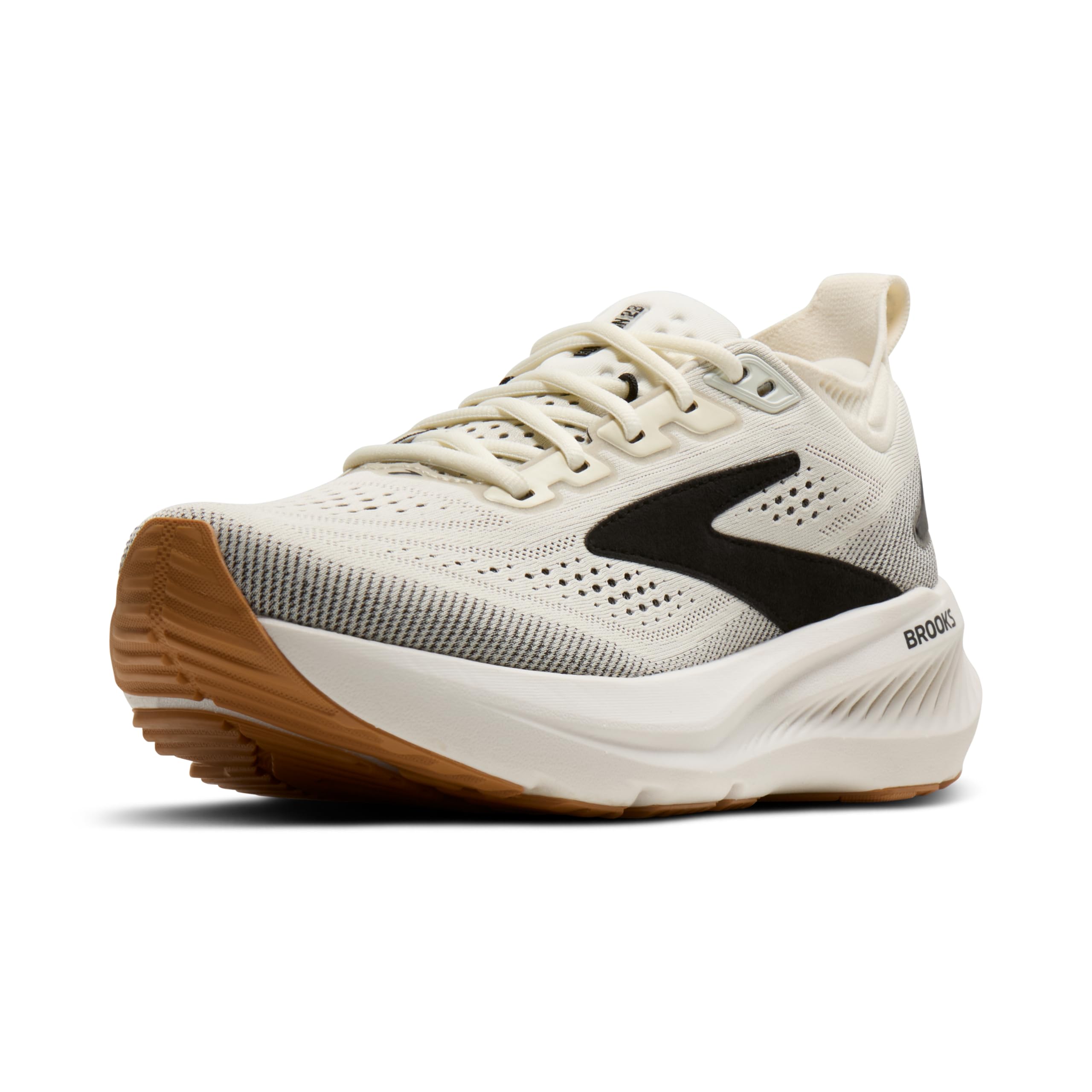


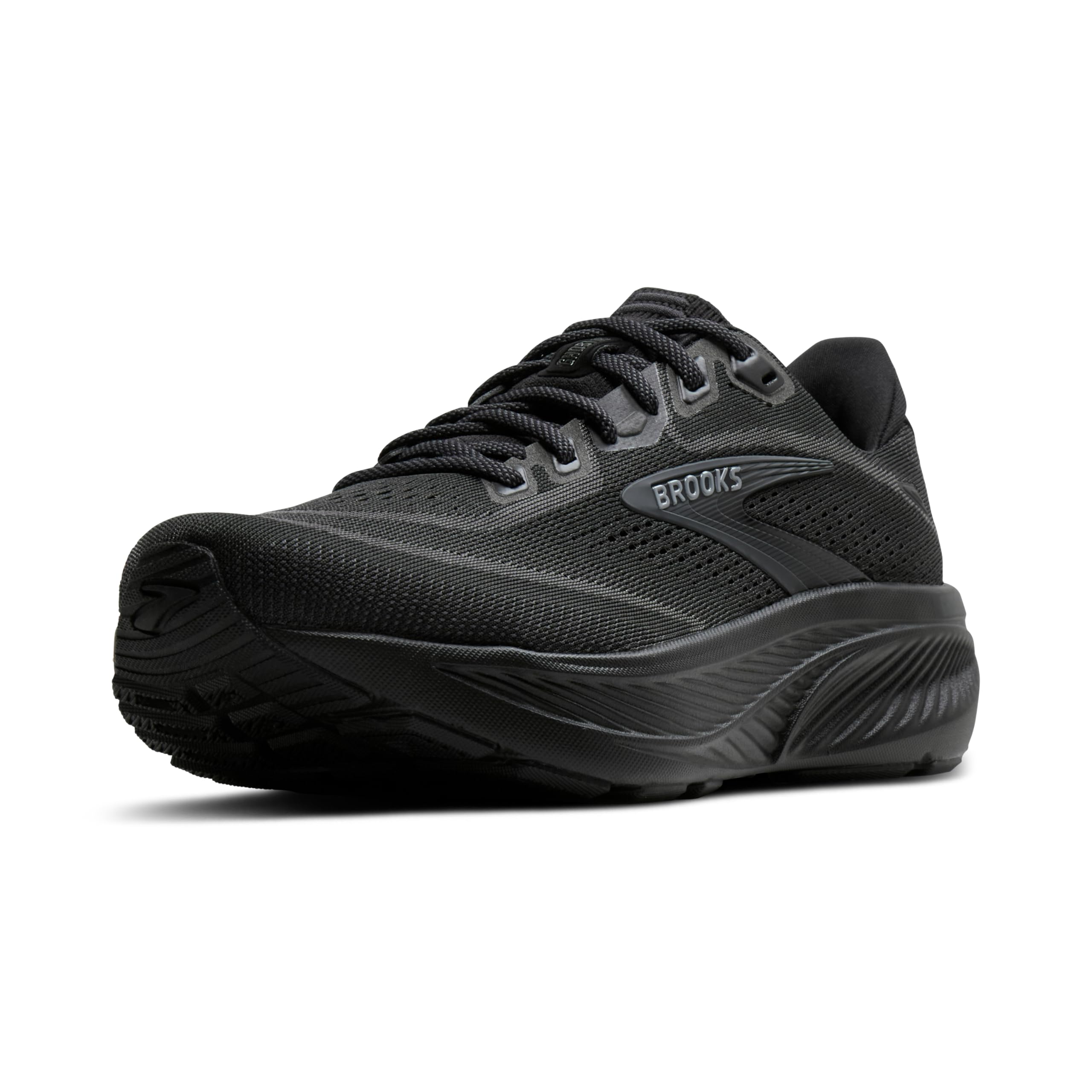

Choosing by Role
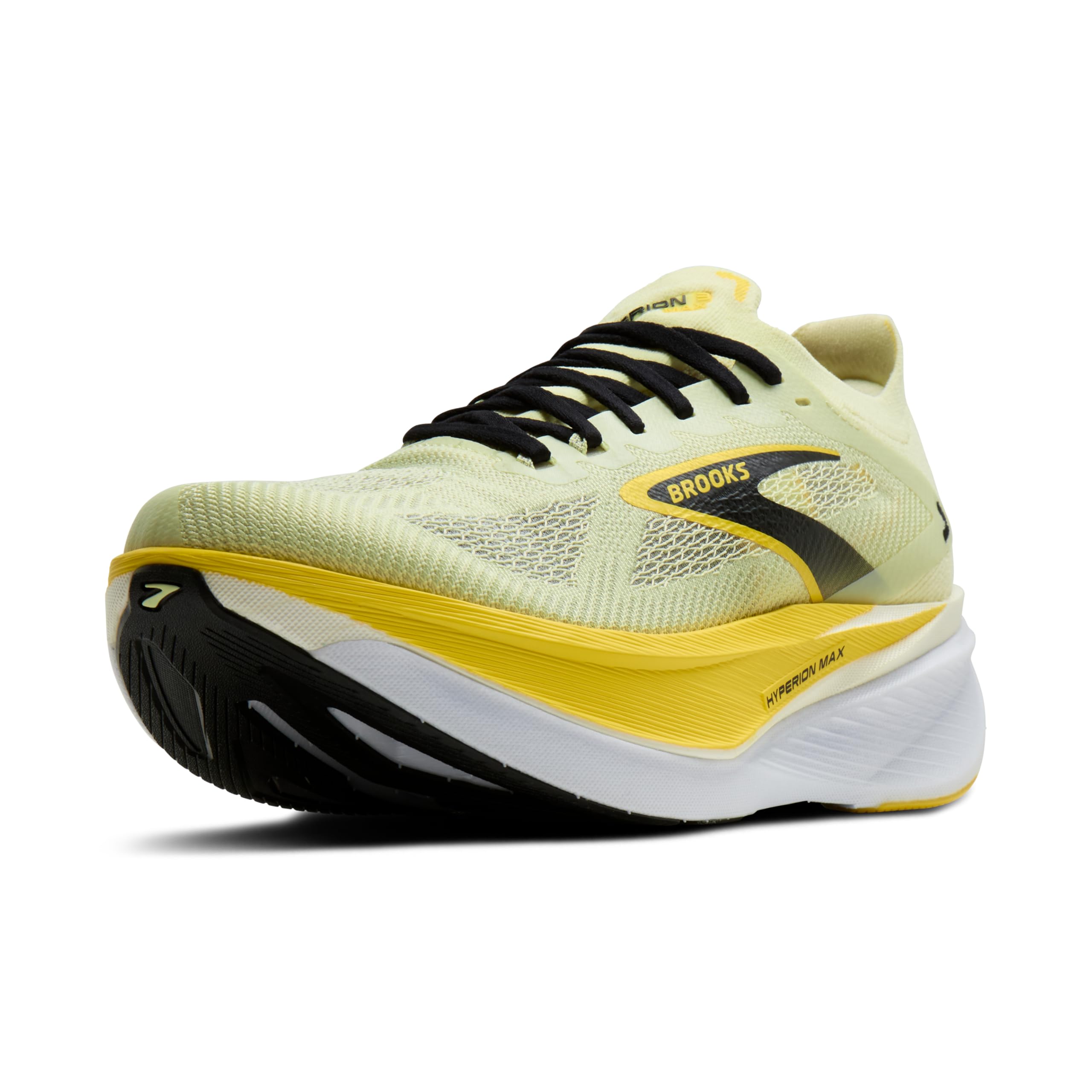
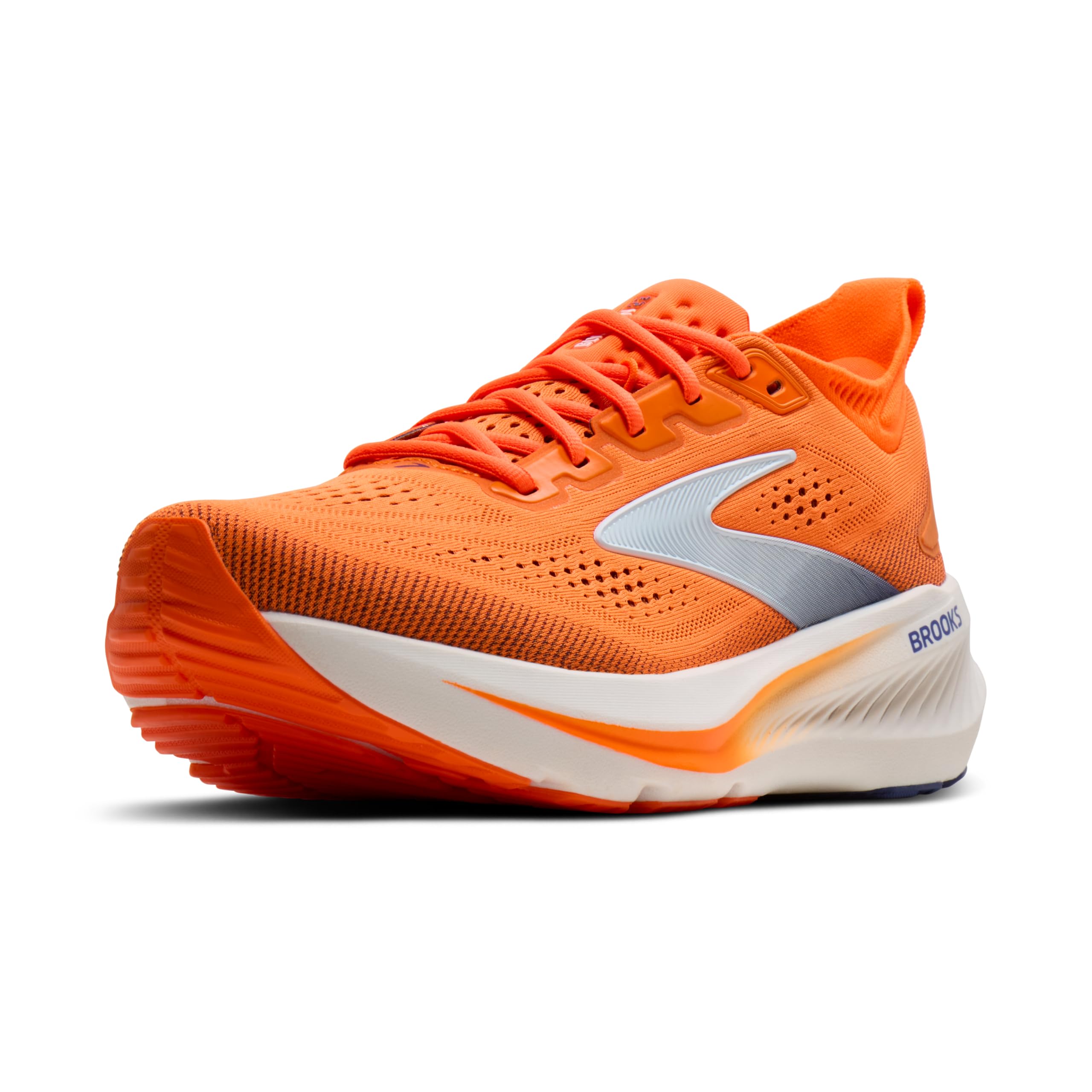
For daily training, the Ghost is the dependable choice, with moderate cushioning and a smooth ride. The Glycerin and Glycerin Max are softer and thicker, which helps on long runs when legs are tired. Runners who overpronate often prefer the Adrenaline GTS, which adds guidance without feeling stiff.
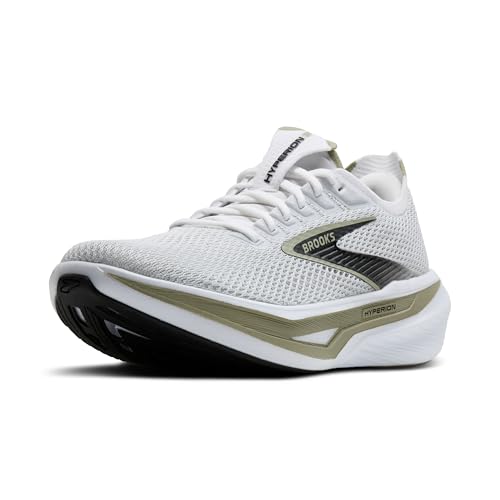
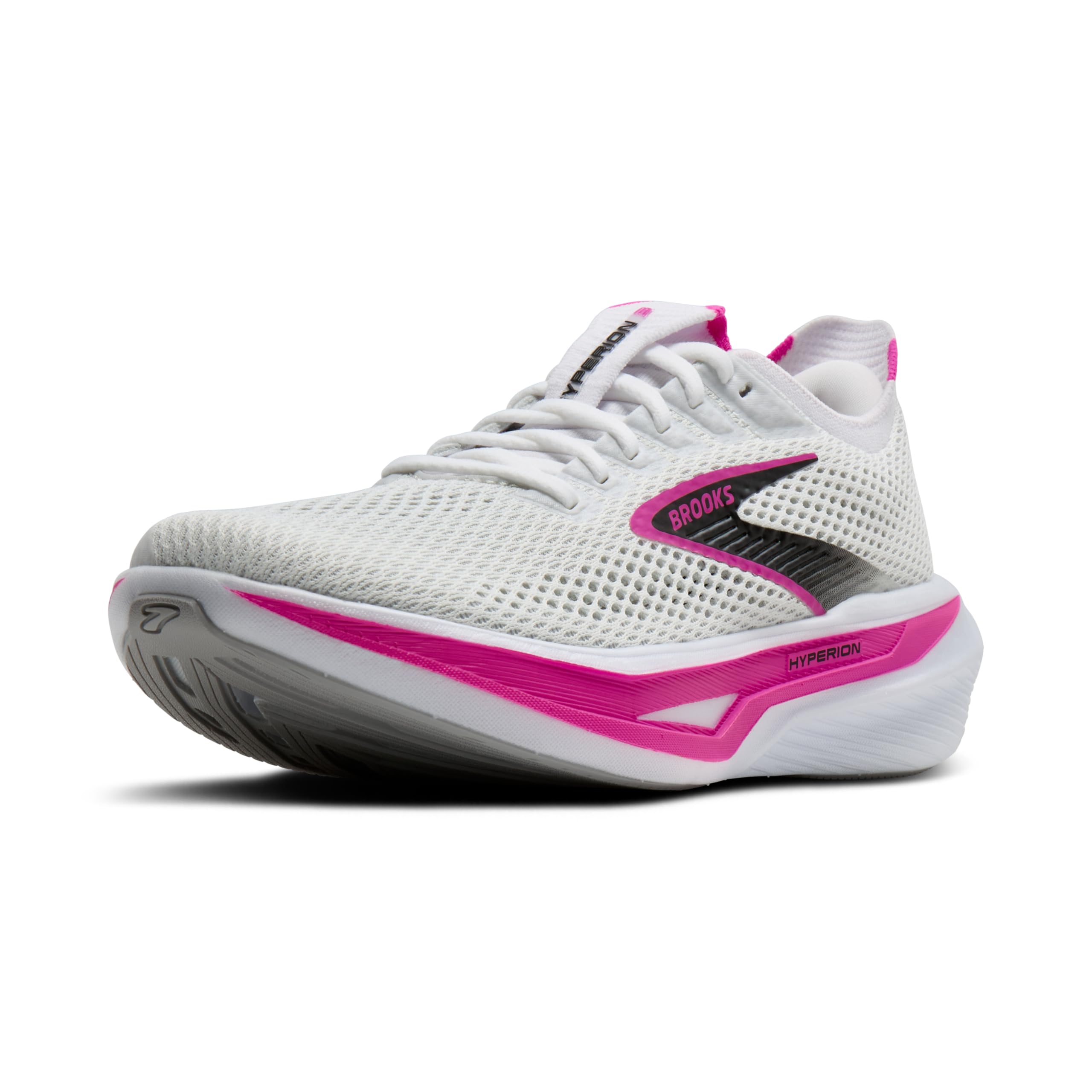
For faster running, the Hyperion line is lighter and springier. The Hyperion Max combines extra foam with a lively feel, making it a popular option for marathon pace work and long races. Elite style carbon plated racers exist in the Brooks range, but they cost much more and are not needed by most runners.
Key Features to Compare
- Cushioning: foam that stays comfortable at mile twenty matters more than a soft feel in the first mile.
- Weight: lighter shoes can feel quicker, but very light shoes give less protection over 26 miles.
- Stability: neutral for an even stride, guided shoes if your feet roll inward and your ankles tire.
- Toe room: feet swell during long runs, so leave about a thumb width beyond the longest toe.
- Outsole durability: high weekly mileage wears rubber quickly, especially at the heel.
Fit for Long Distances
Marathon fit is a little different from a short run fit. Choose a shoe that holds the heel and midfoot securely but leaves enough room in the toe box for swelling. Many runners go up half a size from their everyday shoes for long distances. Try shoes late in the day and use the same socks you plan to race in.
Training Plan and Shoe Rotation
Rotating two pairs during heavy training gives the foam time to recover and lowers the chance that one pair breaks down early. Track the mileage on each pair, and retire running shoes after roughly 300 to 500 miles, or sooner if they feel flat or you notice new aches.
Break in race shoes over several runs, including at least one long run at race pace. Never wear a brand new pair on race day, because rubbing and hot spots often only show up after many miles.
Common Mistakes to Avoid
Buying the lightest shoe before the legs are ready for it is a common error. So is choosing a size that feels perfect in the store but leaves no room for swelling, or racing in shoes that are almost worn out. Many runners also forget to lace the shoe with a heel lock when the heel slips, which can cause blisters.
Budget and Value
Brooks marathon-friendly shoes run from about $80 for the Hyperion up to $150 or more for the Glycerin Max and Hyperion Max. A daily trainer in the $110 to $150 range is often the best investment, since it carries most of your miles. If you add a lighter shoe for speed work, you can often find it at a lower price, as these shoes wear faster and benefit from a rotation.
Plan to replace your main trainer once during a long build, especially if you run more than 40 miles a week. Buying a second pair of the same model a few weeks before the race ensures you have a fresh pair for the final long runs.
Race Week Checklist
In the final week, keep your routine simple. Wear the same shoes and socks you used for your long runs, lace them the way you practiced and check that the insoles are flat and the laces are not frayed. Trim your toenails a few days before the race, because long nails can cause pain on downhills.
Apply lubricant or anti-chafe balm to areas that have rubbed in training, and pack a spare pair of socks in your bag. Break any surprise hot spot into a note for your next training block rather than changing shoes on race morning.
Cushioned or Light: Finding Your Balance
There is no single best answer. Heavier runners and those who finish in four hours or more often feel better in a thicker cushioned shoe all the way through. Faster runners may prefer a lighter shoe that returns more energy, as long as the foam still protects their legs during the later miles. Try both in your long runs and notice how your legs feel the next day, because next-day soreness is a better guide than first impressions.
Common Fit Problems on Long Runs
Black toenails usually mean the shoe is too short or too loose, so the toes hit the front on downhills. Blisters on the heel point to a heel that slips, which a runner's knot lacing pattern often fixes. Pain on the top of the foot suggests laces that are too tight, and numb toes can mean the toe box is too narrow. Notice these signals in training so you can adjust the size, width or lacing before race day.
Heavier Runners and Slower Paces
Runners with a higher body weight, or those who run at a gentle pace for several hours, often prefer a thicker midsole that does not bottom out in the final miles. The Glycerin and Glycerin Max are common choices, and the Adrenaline GTS is a favorite for people who want guidance and cushioning together. A slower pace also means more time on your feet, so comfort and durability usually matter more than saving a few ounces.
Related Guides
For more options, read best marathon shoes, best marathon running shoes, best marathon racing shoes and best brooks running shoes.
Frequently Asked Questions
How much cushioning do marathon shoes need?
Enough to stay comfortable late in the run, when legs are tired and your form changes. Soft foam helps with impact, but too much softness can feel unstable for some runners.
Should marathon shoes fit tight or roomy?
Secure in the midfoot and heel, with room for toes to spread. Feet swell over long distances, so a shoe that feels snug in the store can feel too small at mile twenty.
Do I need stability or neutral shoes?
Neutral shoes suit a fairly straight stride, while stability shoes help runners whose feet roll inward. A gait check at a running store can help you decide.
How long do marathon shoes last?
Usually 300 to 500 miles, depending on your weight, surfaces and stride. Replace them when the cushioning feels flat or the outsole is worn smooth.
Can I race a marathon in new shoes?
It is best not to. Break shoes in over several training runs so race day feels familiar. If pain or swelling persists, talk with a doctor or a podiatrist.
Final Thoughts
The best brooks shoes for marathon are the ones that match your stride, feel comfortable late in a long run and are broken in before race day. Choose a cushioned trainer for most of your miles, add a lighter shoe if you want one for faster work, and replace pairs before they wear out.