Best Brooks Shoes for Cross Training (2026): What Fits Your Routine
Disclosure: We may earn a commission when you buy through links on this page, at no extra cost to you. As an Amazon Associate I earn from qualifying purchases. Learn more

The best brooks shoes for cross training suit cardio and light gym work: check stability, cushioning and fit for your routine.
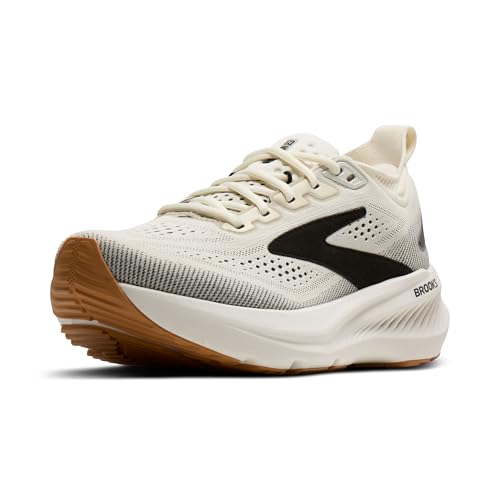
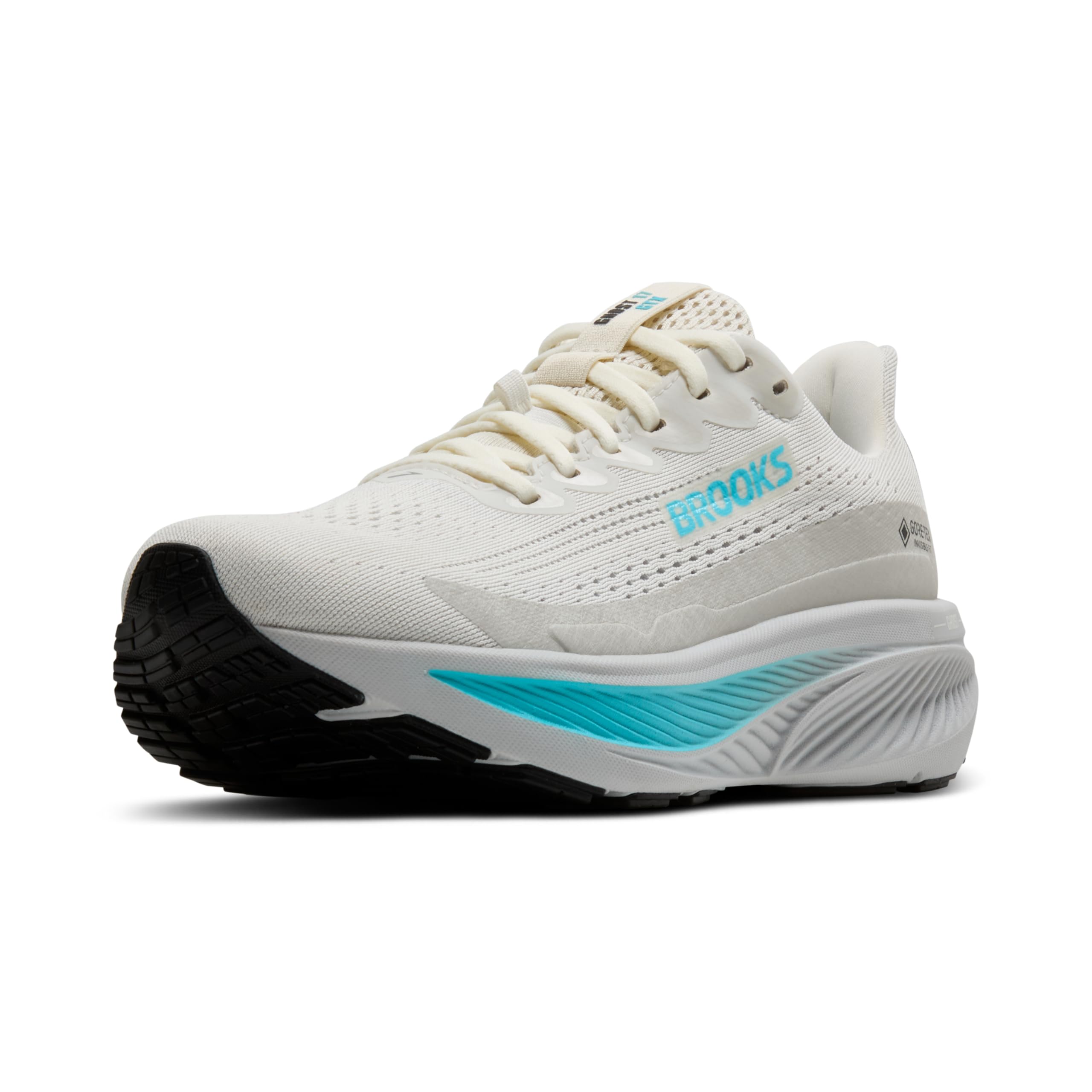
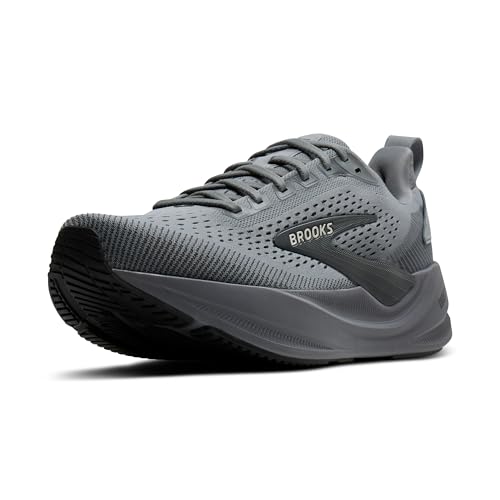
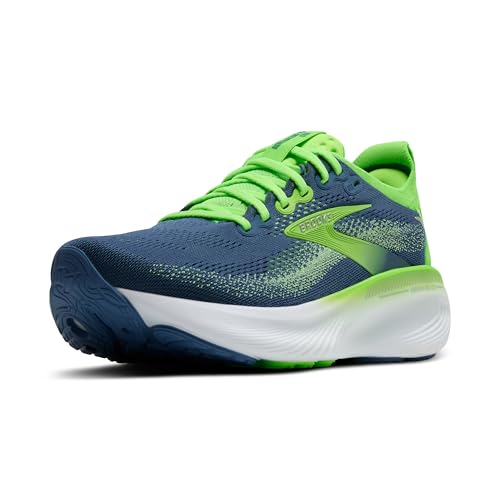
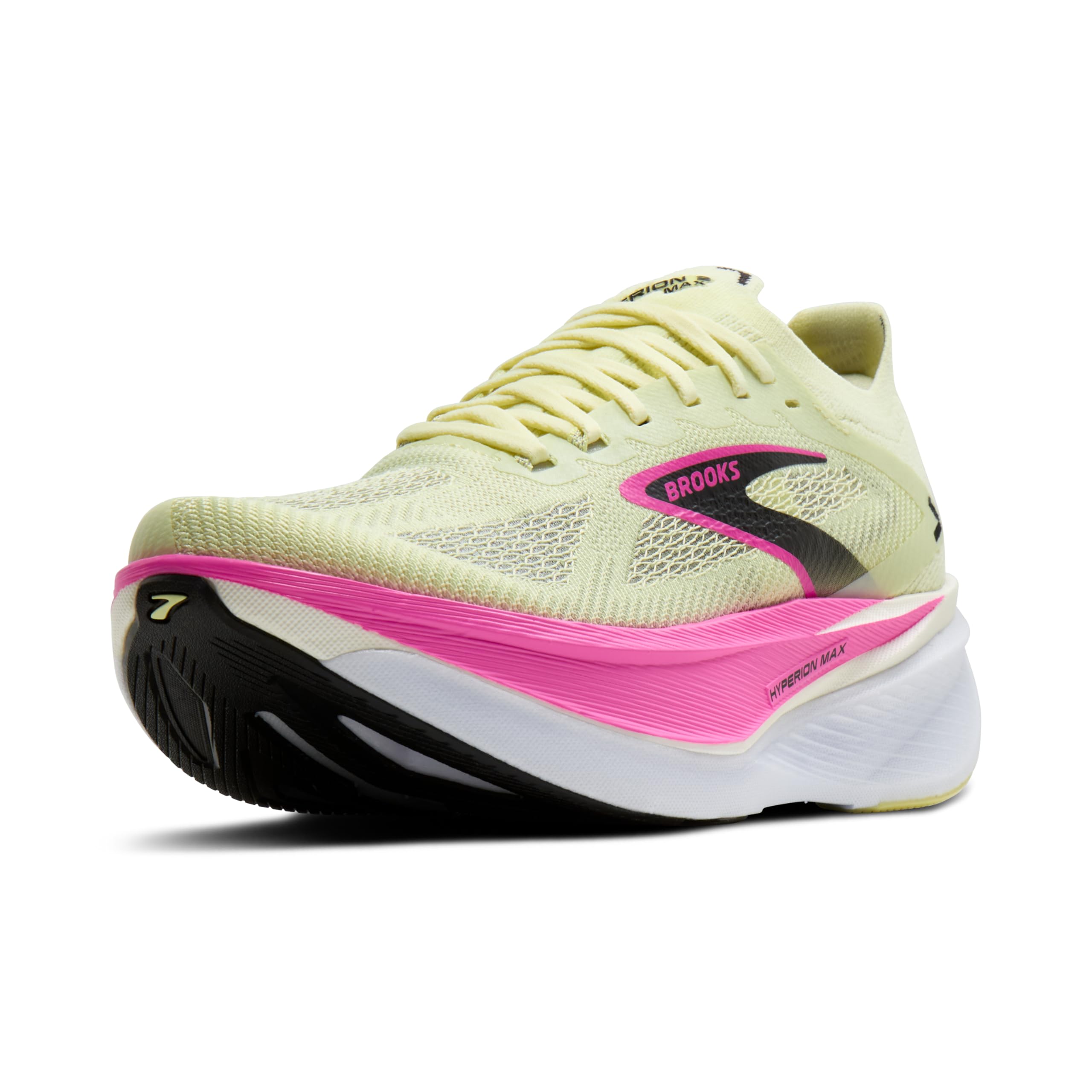
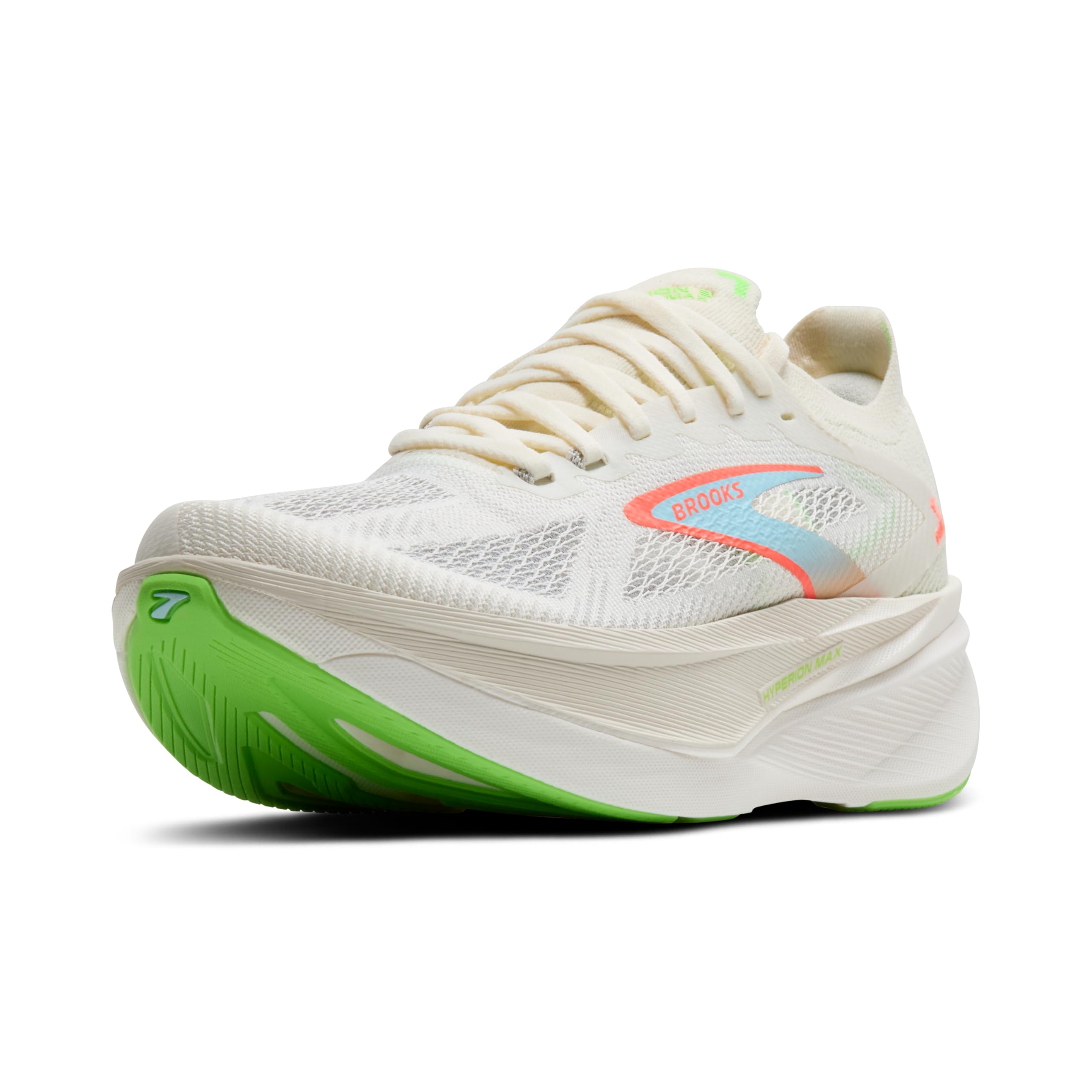
The best brooks shoes for cross training depend on what your workout week really looks like. Brooks is a running brand, so its strengths are cushioning, stable heels and comfortable fit, which suit gym days that mix treadmill running, cycling, rowing and light strength work. Heavy lifting, rope climbs and fast lateral drills ask for a flatter, firmer shoe, and that is where a dedicated cross trainer wins. This guide helps you decide how much of your routine a Brooks shoe can cover, and the product table gives a quick comparison of what is available.
Cross training covers a wide range of activity. A shoe that feels perfect on a 5K treadmill session can feel wobbly during a loaded squat or a side shuffle drill. Sorting your week by movement type is the best way to choose.


What Cross Training Asks From a Shoe
Lateral stability
Classes and circuits involve side to side moves. A shoe with a wide, firm base and a snug upper keeps the foot from rolling over the edge of the sole. Soft, tall running midsoles feel less stable in these drills.
A firm, flat heel for lifting
Squats and presses feel steadier on a firm, low platform. Thick cushioned heels compress under load and can make you feel unsteady. If lifting is a big part of your week, consider a flatter shoe for that portion.
Cushioning for impact work
Jumping, box work and running intervals benefit from moderate cushioning. This is where a Brooks shoe shines, because well cushioned midsoles take the sting out of repeated landings.
Grip on varied floors
Gym rubber, wood studios and polished concrete all behave differently. A rubber outsole with a flat pattern grips most indoor floors and handles quick direction changes safely.
Matching Your Routine to a Brooks Shoe
- Mostly cardio and running with some machines: a cushioned neutral road shoe works well.
- Mixed classes with jumping and shuffling: choose a stable, lower cushioned shoe with a wide base and a secure upper.
- Strength training plus short runs: a firm, stable trainer with a snug midfoot hold, or two pairs, one for lifting and one for running.
- Walking, standing and light gym use: any supportive cushioned shoe is comfortable.
A Sample Week and the Shoes It Needs
Picture a typical week: two treadmill or road runs, one strength session, one mixed class and a long walk. The runs and the walk are well served by a cushioned Brooks road shoe. The class asks for a stable base, so a lower and wider shoe feels safer. The strength day is the one where a flatter, firmer pair pays off. If budget allows only one pair, choose a moderately cushioned shoe with a wide, stable heel and a secure upper, then keep heavy lifts to sets where you feel steady.
If most of your week is running with a little gym work, a Brooks road shoe covers almost everything. If most of your week is classes and lifting, put your money into a dedicated cross trainer and keep a running shoe for cardio days.
Checking Stability at Home
When the shoes arrive, do a short check before committing. Stand on one leg for ten seconds and notice whether the ankle wobbles. Do a few bodyweight squats and watch whether the heel feels squishy. Step side to side across a small space and see whether the foot slides in the shoe. Any of these signs means the shoe is better kept for running, and you can return it within the return window. Keep the packaging until you are sure.
Choosing the Best Brooks Shoes for Cross Training by Fit
Fit matters more for cross training than for steady running, because the foot moves in more directions. The heel should lock without lifting, the midfoot should feel held, and the toes need room to spread during squats and lunges. Try shoes late in the day with the socks you wear to the gym, and do a few lunges, side steps and calf raises in the store or at home. If the foot slides sideways inside the shoe, the upper is too loose or the size is wrong.
Socks, Insoles and Lacing
Gym shoes spend hours on varied floors, so sock choice matters. Moisture wicking socks reduce hot spots during long classes. If you use custom insoles, remove the stock insole first and recheck the heel hold. A runner's loop with the extra top eyelet locks the heel for jumping and lateral moves, and double knotting prevents the laces from loosening mid workout.
What to Spend
Brooks shoes suited to gym use usually cost about $100 to $160. Spending more buys extra cushioning and lighter builds, which help running days but do little for lifting. If you split your time, a mid range shoe with a stable platform often serves you best. Last season versions are a good way to save without losing comfort.
One more practical point: gym floors vary, and the outsole pattern matters. Deep lugs designed for trails can catch on rubber mats, while a smooth flat pattern may slide on dusty wood. A moderate pattern with broad rubber contact is the safest choice for indoor training.
Common Mistakes to Avoid
- Wearing soft road running shoes for heavy lateral training, which feels unstable.
- Lifting heavy in very thick cushioned heels, which compress under load.
- Choosing by color or brand loyalty instead of how the shoe feels during side steps.
- Ignoring wide sizes when the forefoot feels tight during lunges.
- Keeping gym shoes far past their life, when the midsole has packed out.
Care and Replacement
Wipe the soles after gym use and let shoes air out fully between sessions to limit odor. Rotate two pairs if you train most days, so the foam recovers. Replace shoes when the midsole feels flat, the upper loses its hold or the outsole wears smooth. Stop and seek advice if you notice persistent pain, swelling or numbness.
Related Guides
For broader options, read our guides to the best cross training shoes, the best cross training shoes for men and the best women's cross training shoes. If you also run, compare the best shoes for cross training and running.
Frequently Asked Questions
Can I use running shoes for cross training?
For light cardio and mixed circuits, yes. For heavy lifting or sharp lateral drills, a flatter and firmer cross training shoe feels more stable.
Do I need different shoes for lifting and running?
Many people use two pairs. A cushioned shoe suits running and impact work, and a firm flat shoe suits squats, presses and agility drills.
How should cross training shoes fit?
Snug at the heel and midfoot, with room for the toes to spread. Move around in them before deciding, and check that your foot does not slide sideways during side steps.
How often should I replace gym shoes?
When the cushioning feels flat, the outsole is worn smooth or the upper stretches and no longer holds your foot. Heavy daily use shortens the interval.
Final Thoughts
Decide what share of your week is running or cardio and what share is lifting or lateral work, then choose the stability and cushioning to match. Compare shoes in the product table, and the best brooks shoes for cross training will be the pair that feel steady in side steps and comfortable in the final set.