
Best Bottled Water For Coffee Machines: A Practical Guide for Buyers 2026
Disclosure: We may earn a commission when you buy through links on this page, at no extra cost to you. As an Amazon Associate I earn from qualifying purchases. Learn more

Compare bottled water for coffee machines by mineral level, taste, scale risk, and machine type, with storage and descaling guidance for better coffee.
Coffee is about 98 percent water, so the water you pour into the tank shapes flavor and protects the machine. The best bottled water for coffee machines is not the most expensive bottle or the purest one. It is water with a moderate, balanced mineral content that extracts flavor well and builds up little scale inside the heater and tubing. This guide explains what to look for on the label and how to match water to your machine.
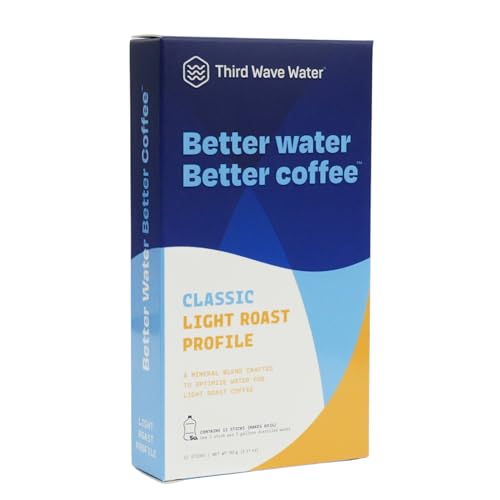
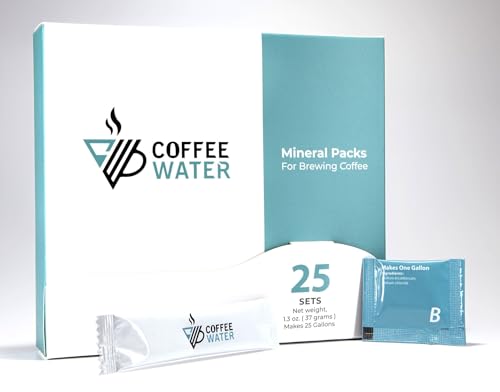
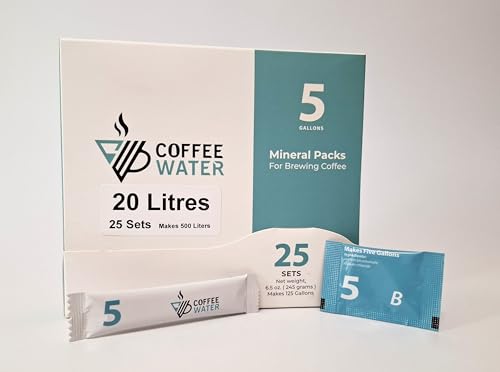
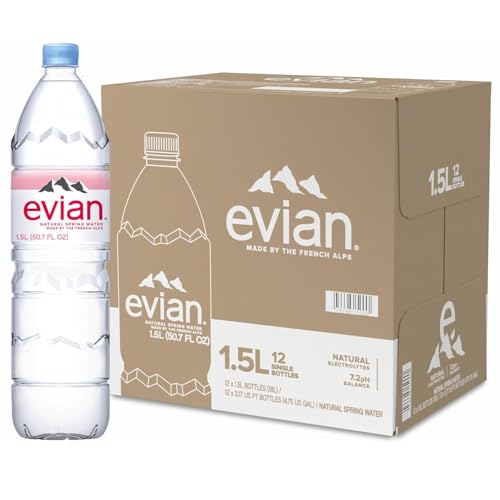
The product table below lists bottled waters and mineral packs you can use, and the sections here explain how to choose among them.

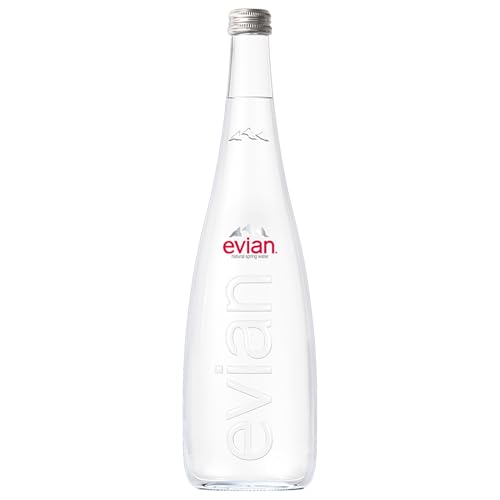
Why Water Matters for Coffee
Minerals in water carry flavor out of the coffee grounds. Water with almost no minerals tastes flat and under extracted, while very hard water can taste chalky and leaves scale on heating elements. A middle path, soft to moderately hard water with some magnesium and calcium and a gentle buffer, usually tastes best and keeps machines running smoothly.
Scale is the practical risk. As water heats, dissolved calcium and bicarbonate settle out as white deposits that slow flow, throw off temperature and eventually clog the machine. Choosing lower scale water and descaling on schedule extends the life of any brewer.
Types of Bottled Water Compared
| Type | Good For | Watch For |
|---|---|---|
| Low mineral spring water | Delicate coffee, light roasts | Check the label, some brands are very low in minerals |
| Balanced mineral water | Everyday brewing | Rounder flavor, moderate scale risk |
| Distilled or purified water | Mixing with mineral packs | Flat on its own, may not suit machines with water sensors |
| Mineral packs for brewing | Making your own coffee water | Needs pure water and careful measuring |
Low Mineral Spring Water
Many spring waters sit in the soft range and give a clean, bright cup. They suit light roasts where clarity matters most. Because brands vary, read the mineral analysis on the label or the maker website rather than assuming that any spring water is low in minerals.
Balanced Mineral Water
Waters with a moderate mineral level give a rounder, fuller cup and suit medium and dark roasts. They carry slightly more scale risk, so descale on schedule. Many coffee drinkers find this the easiest everyday choice.
Distilled and Purified Water
Distilled water has had nearly all minerals removed. On its own it tastes flat and extracts poorly, and some espresso machines use water level or conductivity sensors that expect some minerals. Distilled water becomes useful as a clean base when you add a brewing mineral pack to build the exact profile you want.
Mineral Packs for Brewing
Brewing mineral packs are dissolved in pure water to create balanced coffee water. They give repeatable results and keep scale low, but they add cost and a mixing step. They suit enthusiasts who want consistent flavor from every brew.
How to Choose Water for Your Machine
Read the Mineral Content
Look for the total dissolved solids figure on the label or a published water report. A moderate level, often in the range of about 75 to 150 milligrams per liter, is a common target for good extraction. Very high mineral waters increase scale, and very low ones taste flat.
Consider Hardness and Alkalinity
Hardness, mostly calcium and magnesium, helps extraction but drives scale. Alkalinity, mostly bicarbonate, buffers acidity and can dull bright coffees if it is too high. Waters with balanced hardness and low to moderate alkalinity are friendly to most machines.
Check Your Machine Maker Advice
Some makers recommend specific water types or warn against distilled water. Check your manual before changing water, especially for espresso machines with sensors and for pod machines with narrow tubing.
Plan for Cost and Storage
Bottled water is a regular expense, so compare cost per liter and how many bottles you need each week. Buy a size you can use before the bottle sits long, store bottles away from heat and sunlight and keep caps closed.
Water for Different Machine Types
Drip brewers and single serve machines are the most forgiving, and they handle moderate mineral waters well when descaled on schedule. Espresso machines heat water to higher temperatures and often have narrow passages, so scale risk matters more and a lower mineral water is the safer choice. Machines with built in filters or water sensors may have their own rules, so follow the manual first.
Cold brew and pour over setups are less sensitive to scale but just as sensitive to taste. If you brew by hand, you can fine tune the water more freely and try mineral packs for a cleaner, brighter cup.
Comparing Waters at Home
You can compare waters with a simple side by side tasting. Brew the same coffee with two or three waters, change only the water and taste them side by side while the coffee cools slightly. Note which cup tastes cleaner, brighter or flatter, and keep the one you prefer. Small differences are normal, and your own taste matters more than any chart.
Common Mistakes to Avoid
- Using very hard tap water without checking, which builds scale quietly and dulls taste and flow.
- Assuming distilled water is always best, then finding it tastes flat or confuses a machine sensor.
- Switching waters constantly, which makes it hard to judge changes in taste.
- Skipping descaling because the water is bottled, when any mineral content can leave scale over time.
- Leaving water in the tank for days, which lets it go stale.
Care and Long Term Use
Store bottles away from heat and sunlight, empty and refill the tank regularly and descale on the schedule your machine maker suggests. Rinse the tank with fresh water when you change brands. Watch for slow flow, noisy pumps or white residue, which are early signs that scale is building up.
Frequently Asked Questions
Can I use distilled water in my coffee machine?
Some machines accept it, but many makers advise against it, and the coffee can taste flat. Check your manual first, and consider adding a brewing mineral pack to distilled water for better flavor.
Is spring water better than tap water for coffee?
It can be, if your tap water is very hard, heavily treated or tastes of chlorine. If your tap water tastes clean and has moderate hardness, a simple filter may be enough.
How much should I spend on water for coffee?
Plain bottled spring water is inexpensive per liter, while brewing mineral packs cost more per brew. Try an affordable spring water first and add packs only if you want more control.
Does bottled water prevent scale?
Low mineral waters reduce scale, but no water removes the need to descale. Follow the maker schedule and watch for signs of buildup.
How long can I leave bottled water in the tank?
Fresh water gives the best taste, so empty and refill the tank regularly rather than topping up stale water. If the machine sits unused for several days, empty the tank first.
Final Thoughts
Choose water with a moderate, balanced mineral level, check the label and your machine manual and descale on schedule. Compare a few waters side by side and keep the one that tastes best in your own cup. Chosen this way, the best bottled water for coffee machines improves your coffee and protects your machine at the same time.
For related guidance, see our guide to best bottled water for espresso machines.


