
Best British Shoes: A Practical Buying Guide for 2026
Disclosure: We may earn a commission when you buy through links on this page, at no extra cost to you. As an Amazon Associate I earn from qualifying purchases. Learn more

British shoe styles compared by leather, welted construction, sole grip and UK sizing, with care steps for a pair that lasts.
British shoemaking is known for leather uppers, careful stitching and soles that a cobbler can replace, but the label tells you less than the construction does. The best british shoes for you depend on how you will wear them, which last shape suits your feet, and whether you want a pair that can be repaired for years. This guide explains the classic styles, the construction terms and the fit checks that matter before you use the product table.
Start with your routine. A pair for office days needs a different shape and sole from a pair for wet city streets or weekend errands, and a pair you will rewear three times a week should be built more carefully than one for a few events a year.

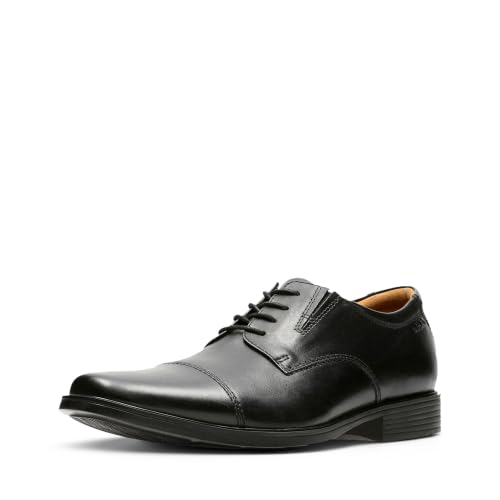


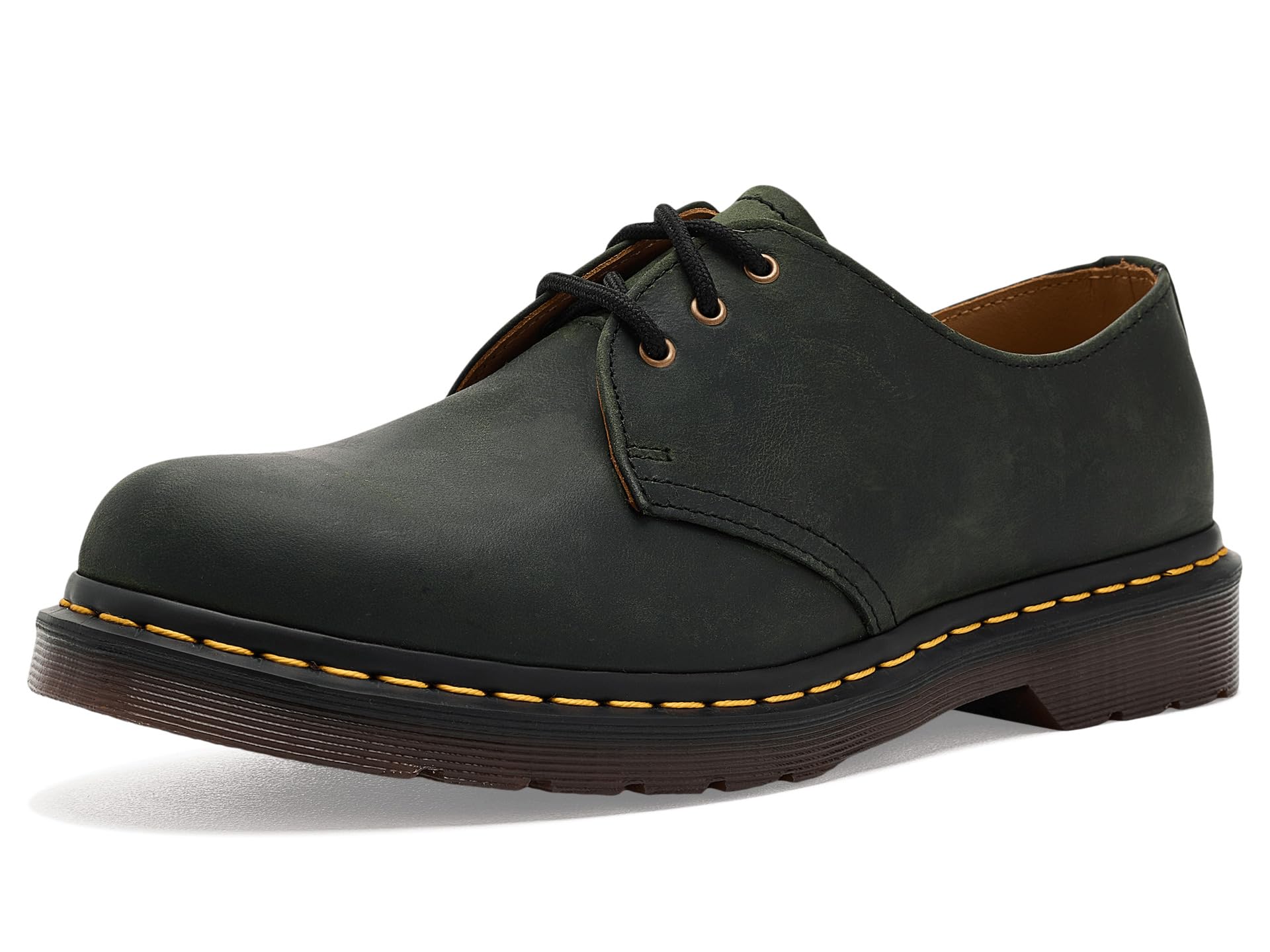

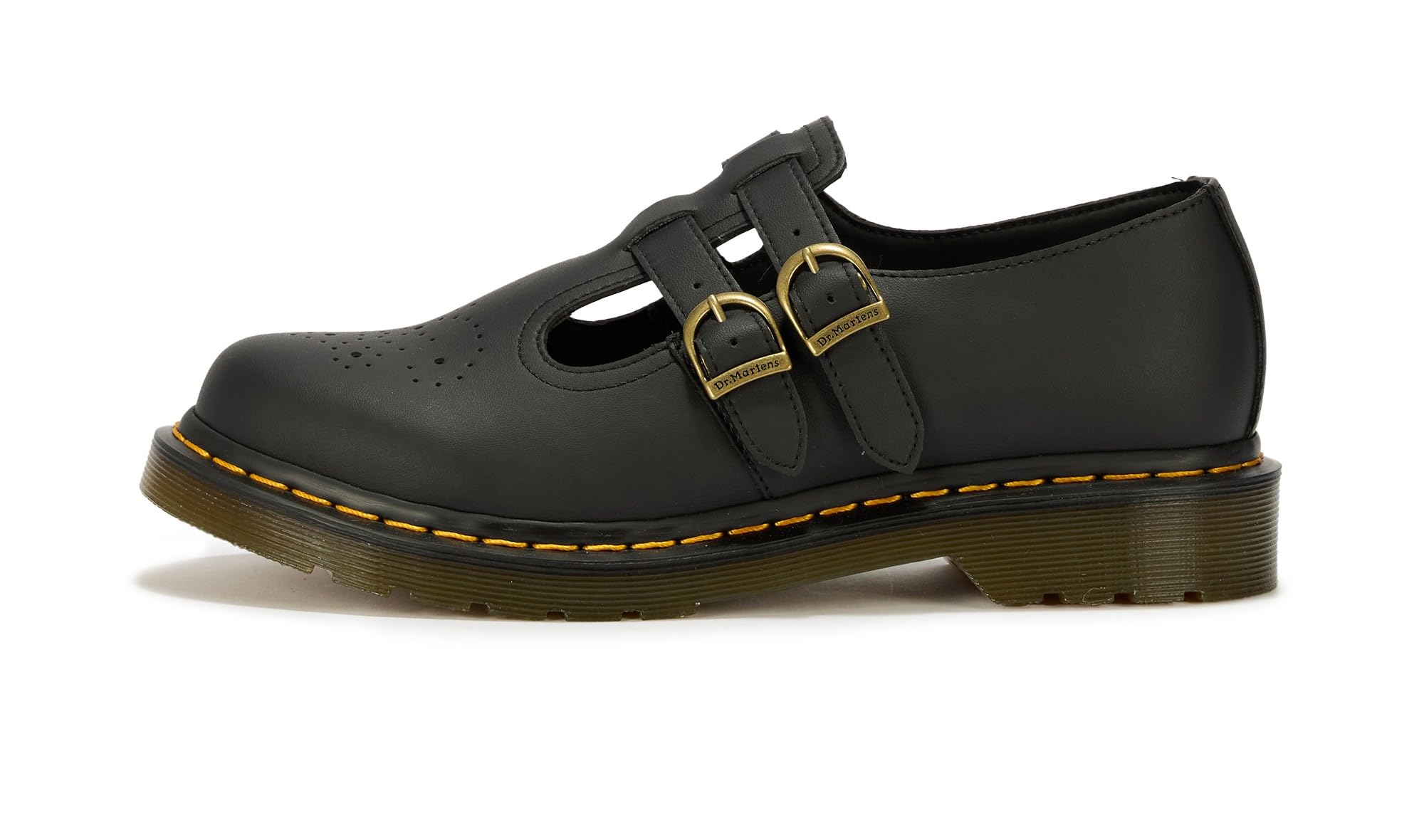


Who Should Buy Which Style of British Shoes?
Pick the style from your daily life first, then judge leather, sole and fit, because the best british shoes are the ones that match how you live.
Office and Formal Wearers
You need a clean, closed lacing shoe that looks right with a suit or tailored trousers. An Oxford with a plain or cap toe in smooth black or dark brown calf leather is the safest choice. Look for a slim but not pointed toe, a leather or thin rubber sole, and enough width across the ball of the foot that you can stand through a long meeting. Rotate two pairs so each one rests a day between wears.
Smart Casual and Everyday Wearers
A Derby has open lacing, so it adjusts more easily to a high instep and feels a little more relaxed than an Oxford. It works with chinos, dark denim and knitwear. Choose a thicker rubber or commando style sole if your day includes wet pavements, and pick a leather that can take a few scuffs, such as grained or waxed calf.
Casual and Heritage Wearers
If you prefer a rugged, lived in look, consider chunky welted shoes, crepe or lug soles and suede. These tolerate rain better than a polished dress shoe and need less fuss, though suede still wants a protective spray. Heritage casual pairs often use thicker leather that needs a short break in period, so wear them for a few hours at a time at first.
Key Features of British Shoes Explained
Leather Quality and Finish
Full grain leather keeps the strong outer layer of the hide, so it polishes well, breathes and develops character with age. Corrected grain leather is sanded and coated for a uniform look, which costs less but can crack at the flex point sooner. Suede and nubuck feel soft from the first wear but mark more easily. For a first pair, smooth full grain leather in a dark shade is the most forgiving.
Construction and Resoling
Construction decides how long a pair can live. A Goodyear welted shoe joins the upper, welt and sole with stitching, so a cobbler can replace the sole several times. Blake stitched shoes are slimmer and can also be resoled, though less often. Cemented shoes are glued, which keeps the price down but usually ends the life of the pair when the sole wears out. If you plan to keep shoes for many years, prefer a welted or stitched sole.
Sole Type and Grip
A smooth leather sole looks elegant and suits dry floors, but it can slip on wet stone or tile until it has scuffed in. A thin rubber sole keeps a dress profile with better grip. Studded or commando soles add traction and suit rain, though they look less formal. Choose the sole for the surfaces you walk on most, not for the photo.
Fit, UK Sizing and Last Shape
British makers use UK sizes, which usually run about half a size to one full size smaller than US sizes, so follow the maker size chart instead of converting from memory. Measure both feet in the afternoon, when they are largest, and size for the longer foot. Your toes should lie flat with a thumb of space ahead of the longest toe, and your heel should lift only slightly as you walk. Lasts vary by maker, so the same size can feel different from one brand to the next.
British Shoe Styles Compared
| Style | Best For | Watch For |
|---|---|---|
| Oxford | Formal dress and office wear | Closed lacing fits a narrow instep best |
| Derby | Everyday smart casual wear | Open lacing is easier on a high instep |
| Brogue | Smart casual outfits and tweed | Punched holes let in water in heavy rain |
| Loafer | Easy slip on days | Needs a snug heel fit to stay on |
| Desert or chukka | Relaxed weekends | Suede marks easily and needs spray |
No single style wins for everyone, so match the shape to the clothes you wear most. If your outfits lean casual, a Derby or a desert style will get far more use than a strict Oxford.
Common Mistakes When Buying British Shoes
- Ordering your usual US size without checking the UK chart gives you shoes that are too long or too short.
- Buying stiff leather shoes for a long walk the next day causes blisters at the heel and little toe.
- Choosing a smooth leather sole for daily wet pavements leaves you with poor grip.
- Paying for a famous name when the shoe is cemented gives you a pair that cannot be resoled.
- Storing wet shoes beside a radiator cracks the leather and weakens the stitching.
Care and Long Term Use
Rest leather shoes for at least a day between wears, and insert wooden shoe trees while the leather is still warm so the toe keeps its shape. Brush off dry mud, wipe salt marks with a damp cloth, and let wet shoes dry at room temperature away from direct heat. Condition smooth leather every few weeks if you wear the pair often, then add wax for shine and light water resistance.
Check heels every month. A worn heel replaced early costs far less than a full resole, and it keeps your weight landing evenly. For comfort at home after a long day, our guide to the best british slippers covers the indoor side, and our guide to the best british boots covers taller styles for wet weather.
Frequently Asked Questions
How should British shoes fit?
They should feel firm across the instep, with your heel seated and your toes clear of the toe cap. Leather gives a little across the width but almost nothing in length, so a shoe that is too short will not improve. Wear the socks you plan to use and walk on a hard floor, since carpet hides a tight forefoot.
How long is the break in period?
Most leather shoes soften after about three to five short wears. Begin with an hour or two at home, then build up. Thick heritage leather can take a week or two of this gradual schedule. Pain that stays sharp at one spot usually points to the wrong size or last, so exchange early instead of forcing it.
Are British shoes worth the higher price?
They can be when the extra cost buys full grain leather, a welted sole and a last that fits you, because those features let a pair last for years through resoles. They are harder to justify if you will wear them only a few times a year. Compare cost per wear rather than the price on the box.
Can British shoes be worn in the rain?
Dark smooth leather with a rubber sole handles showers well when you dry and condition it afterward. Suede and thin leather soles are weaker in heavy rain. For regular wet commutes, pick a studded rubber sole and keep a second pair so each one can dry fully.
How do I care for British shoes so they last?
Use shoe trees, brush after each wear, polish on a regular schedule and let the leather rest between wears so moisture can escape. Small habits protect the leather and the stitching far better than an occasional deep clean.
Final Thoughts
Choose the style for your routine, check the UK size chart, and favor welted or stitched soles if you want a pair to last. Use the product table to compare current options against those points, and the best british shoes for you will be the pair that fits well, suits your clothes and can be repaired when the sole wears out.


