
Best Bristle Dartboard Buying Guide for Home Play 2026
Disclosure: We may earn a commission when you buy through links on this page, at no extra cost to you. As an Amazon Associate I earn from qualifying purchases. Learn more
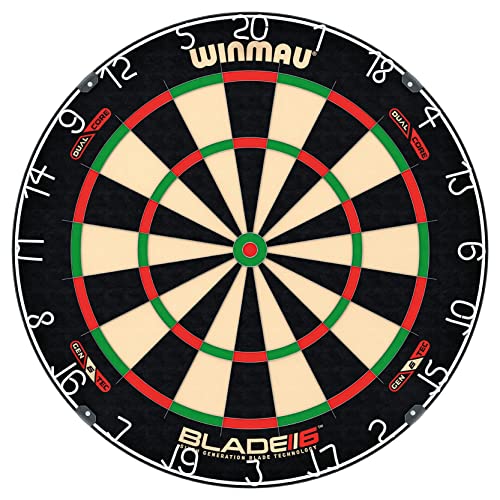
Compare bristle dartboards by price and build, from sisal quality and wiring to size, mounting, and care, so you can choose the right board for home play.
Prices for a best bristle dartboard vary widely, and the price alone does not tell you how long a board will last or how well darts will stick. The real differences lie in the sisal fiber, the wiring, the board size, and the way the board is mounted. This guide explains what your money buys at each price level so you can spend where it counts.
Read the product table for a quick overview, then work through the price levels and features that matter most for casual play, regular practice, or a shared game room.
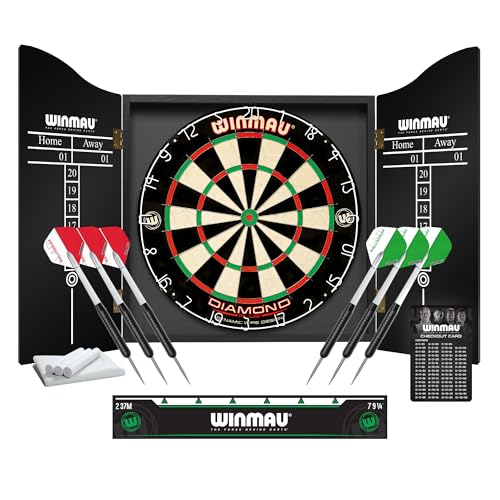
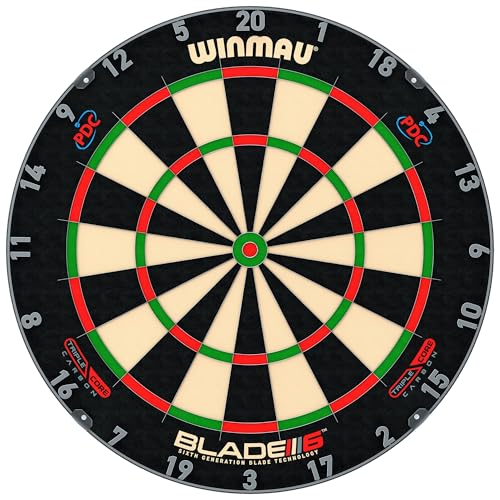

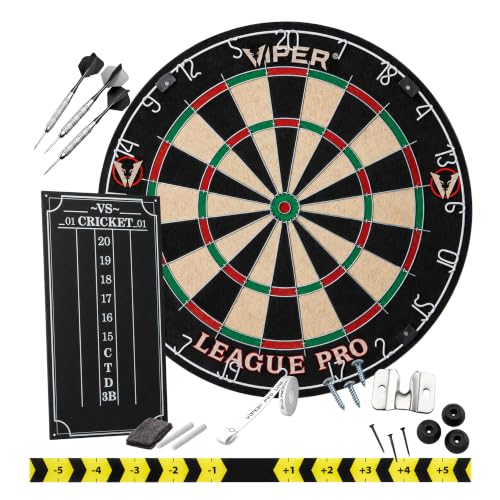
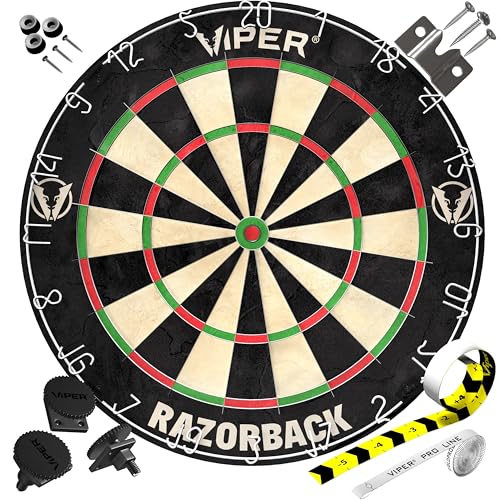

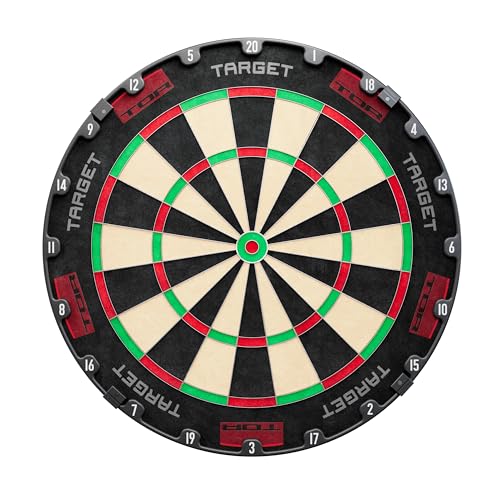
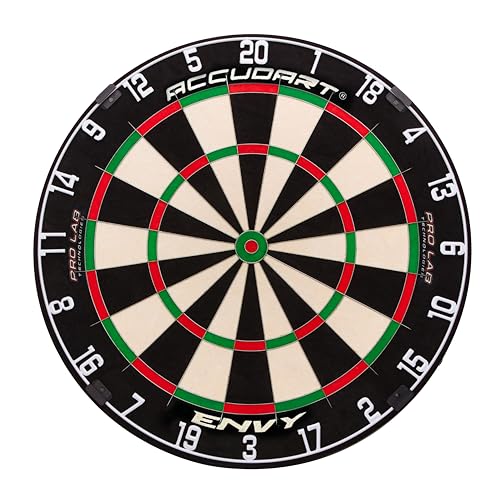
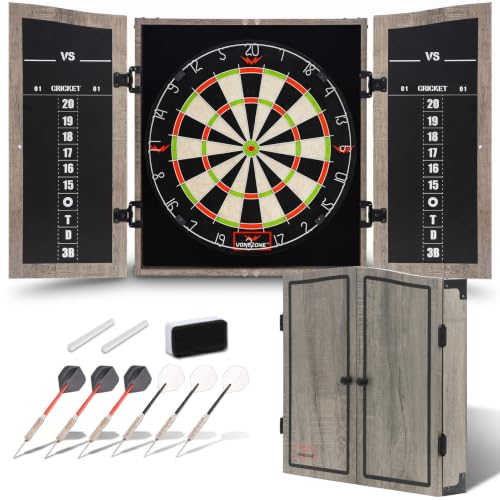
Spending Levels Explained
At a lower price, about $25 to $50, you can expect a basic sisal board with standard wiring and a simple mounting bracket. These boards suit casual play and new players who want to learn the game without a large outlay. At a middle price, about $50 to $120, you can expect denser sisal, thinner wiring, a movable number ring, and sturdier hardware. At a higher price, about $120 to $250, you can expect premium sisal, blade style wiring, and a board built to heal well after many games.
What Your Money Gets You at Each Price Level
Under About $50: What to Expect
Boards in this range use thinner sisal and wider wire dividers, so darts may bounce out more often and holes may stay visible longer. The number ring is often fixed, which means you cannot rotate it to spread wear across the board. Mounting hardware is usually simple, so check that the bracket holds the board firmly and level. These boards still suit casual games, but they may need replacing sooner if you play several times a week.
About $50 to $120: The Middle Ground
Boards in this range offer the best balance for most home players. The sisal is denser, so holes close better after darts are pulled out, and the wiring is thinner, so fewer darts deflect. A movable number ring lets you rotate the board now and then, which spreads wear and extends its life. Mounting hardware is sturdier, and many boards include a level or a simple hanging kit.
Over About $120: Paying for Long Life
Boards in this range use premium sisal and blade style wiring that sits almost flush with the surface, which reduces bounce outs and keeps scoring clear. The number ring is easy to move, the board feels solid, and the finish resists wear from frequent play. These boards suit players who practice often, host regular games, or want a board that lasts for years. The higher price pays off mainly through longer life and steadier play, not through a different game.
Features Worth Paying For and Ones to Skip
Intended Use and Who It Is For
Start with how you will use the board, since the best bristle dartboard for one home is not the best for another. A casual player who throws a few games on weekends needs a board that is easy to hang and easy to read, while a regular player needs denser sisal and a movable number ring. A shared game room needs a board that can handle many players and frequent use. Matching the board to your use keeps you from paying for features you will not notice.
Key Performance Specs
The most important specs are board size, sisal density, and wiring style. A standard board measures about 17.75 inches across the playing area, denser sisal heals better after darts are removed, and blade style wiring sits thin and flat so fewer darts bounce out. An electronic dartboard works differently, using plastic holes and soft tip darts, and our guide to the best electronic dartboard can help if you prefer scoring that is done for you.
Safety and Mounting
Safe mounting matters as much as board quality. Hang the board on a solid wall at the standard height, with the bullseye about 5 feet 8 inches from the floor, and leave clear space around it for missed darts. A backboard or surround protects the wall and catches stray darts, which is wise in a busy room. Store darts in a case when not in use, and keep sharp darts away from small children at all times.
Warranty and Customer Support
A clear warranty shows how long the maker will support the board if the sisal, wiring, or number ring fails early. Read what is covered, since normal wear from play is often excluded, while defects in materials and build are usually covered. Check whether the maker offers spare parts, such as a replacement number ring or mounting kit. Keep your receipt and the maker guide, and note the warranty period when the board arrives so you can act in time if a defect appears.
Ease of Use and Setup
Setup should be simple: mark the hanging height, fix the bracket level, hang the board, and check that it does not wobble. A board that is hard to level or that slips on its bracket will frustrate players and wear unevenly. Look for a bracket that locks the board in place and a number ring that turns without tools. If you plan to move the board between rooms, choose a lighter board and a mounting kit that is easy to remove and refit.
Long Term Costs to Factor In
The board itself is only part of the total cost. Over time you may need replacement darts, spare flights and shafts, a surround or backboard, and a new board when the sisal wears out. Rotating the number ring regularly spreads wear and delays replacement, which lowers the yearly cost. Factor in these extras when you compare prices, and set aside a small budget for darts and accessories.
Common Mistakes to Avoid
- Hanging the board at the wrong height, which changes the feel of the game and strains your throw.
- Skipping a surround, which leaves the wall open to damage from missed darts.
- Leaving the number ring in one position, which wears one area of the board faster than the rest.
- Pulling darts out at an angle, which tears sisal fibers and leaves holes open.
- Choosing a board by price alone, without checking sisal density and wiring style.
- Storing darts loose in a drawer, where points can dull or cause injury.
Care and Maintenance Tips
Good care extends the life of any bristle board. Rotate the number ring every few weeks so wear spreads across the whole surface, and pull darts straight out rather than twisting them. Keep the board dry and away from direct heat, since moisture and heat can warp sisal and loosen the backing. When one area finally wears thin despite rotation, it is time to replace the board rather than keep patching it.
Frequently Asked Questions
How do I maintain a bristle dartboard?
Rotate the number ring regularly, pull darts straight out, and keep the board dry and away from heat. Rotating the ring spreads wear so one number area does not wear out long before the rest, which is the most common reason a board needs early replacement. Pulling darts straight out protects sisal fibers, while twisting tears them and leaves holes open. A light brush now and then removes dust, and you should avoid cleaners that soak into the sisal.
What features matter most when buying bristle dartboards?
Sisal density, wiring style, board size, and a movable number ring matter most when buying a bristle board. Denser sisal heals better after darts are removed, thin blade wiring reduces bounce outs, and a full size board gives the true feel of the game. A movable number ring lets you rotate the board to spread wear, which extends its life more than any other single feature. Mounting hardware matters too, since a board that wobbles or slips will wear unevenly and frustrate players.
Are expensive bristle dartboards worth it?
Expensive boards are worth it for frequent players, but not always for casual players. A premium board uses denser sisal and thinner wiring, so it lasts longer and gives fewer bounce outs, which matters when you play several times a week. For occasional games, a midrange board usually gives nearly the same enjoyment at a lower price. Judge the price by how often you play and how long you expect the board to last, rather than by the price tag alone.
How much should I spend on a bristle dartboard?
Most home players do well spending about $50 to $120 on a bristle board. That range buys denser sisal, thinner wiring, and a movable number ring, which together give good play and a reasonable life. Casual players can spend less, about $25 to $50, if they play only now and then and accept earlier replacement. Frequent players and shared game rooms may justify spending over about $120 for a board built to last through heavy use.
How long does a bristle dartboard last?
A bristle board can last from one year to several years, depending on how often you play and how well you care for it. A board used a few times a month and rotated regularly often lasts several years, while a board used daily in a shared room may wear out in a year or two. Rotating the number ring, pulling darts straight out, and keeping the board dry all extend its life. When the sisal stays rough or darts no longer stick well despite rotation, replacement is due.
Wrapping Up
Choose by sisal density, wiring style, and a movable number ring first, then match the price level to how often you play. Use the product table to compare boards side by side, and remember that a midrange board often gives the best value for regular home play. A best bristle dartboard should feel steady, score clearly, and last long enough to justify its price.


