Best Bridal Sandals: Comfort and Style Checklist for 2026
Disclosure: We may earn a commission when you buy through links on this page, at no extra cost to you. As an Amazon Associate I earn from qualifying purchases. Learn more

A checklist for the best bridal sandals: fit, heel height, grip, cushioning, and care for ceremonies on grass, stone, or ballroom floors.
A wedding day asks a lot of one pair of shoes. You stand for photos, walk down an aisle, greet guests, and dance for hours, often on grass, stone, or polished floors. Choosing best bridal sandals is less about one pretty detail and more about a short checklist you can actually test before the day arrives.
This guide walks through that checklist step by step, from fit and toe box room to cushioning, traction, and care. Use it alongside the comparison table below, then try your shortlist at home on both hard floors and carpet so surprises show up early, not at the ceremony.
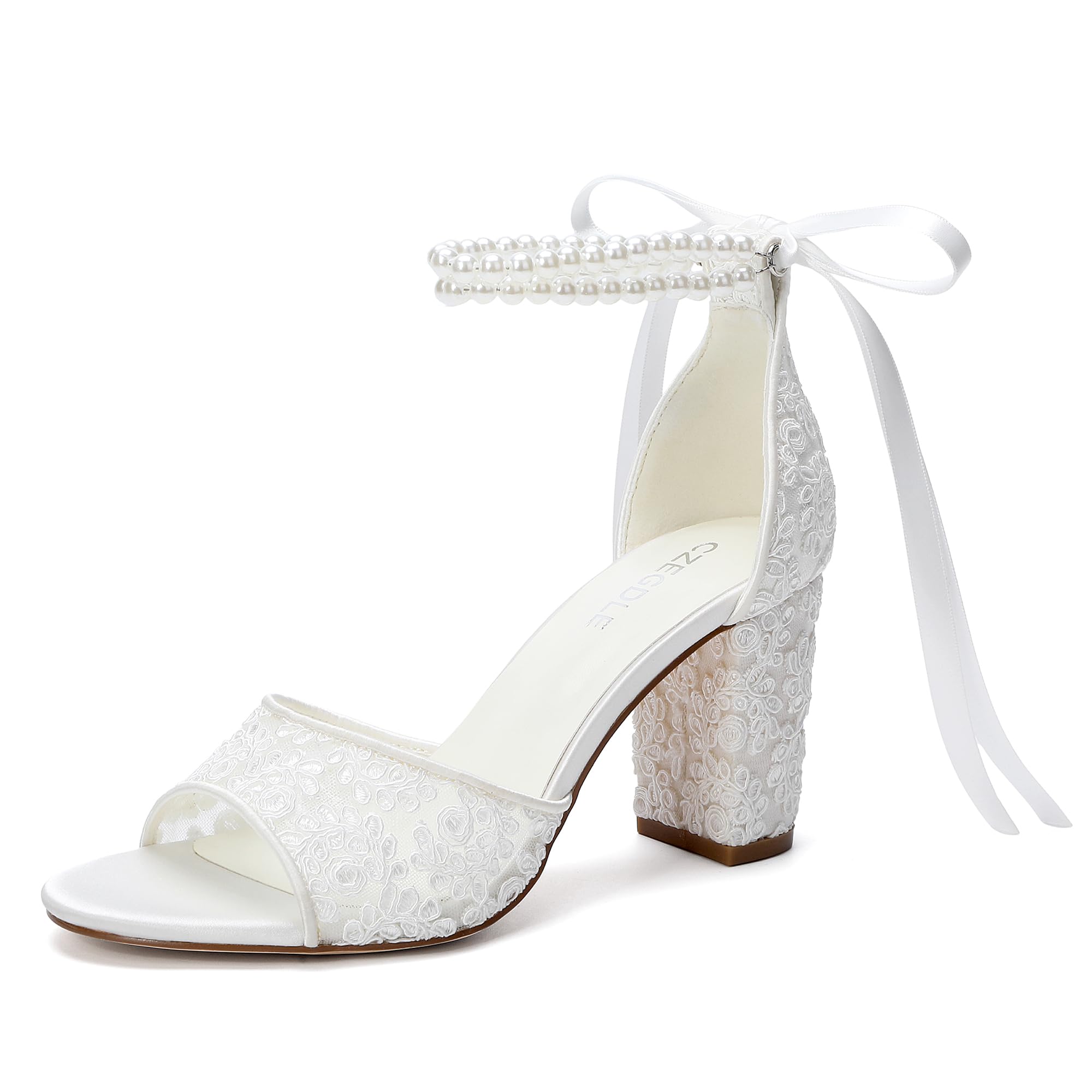


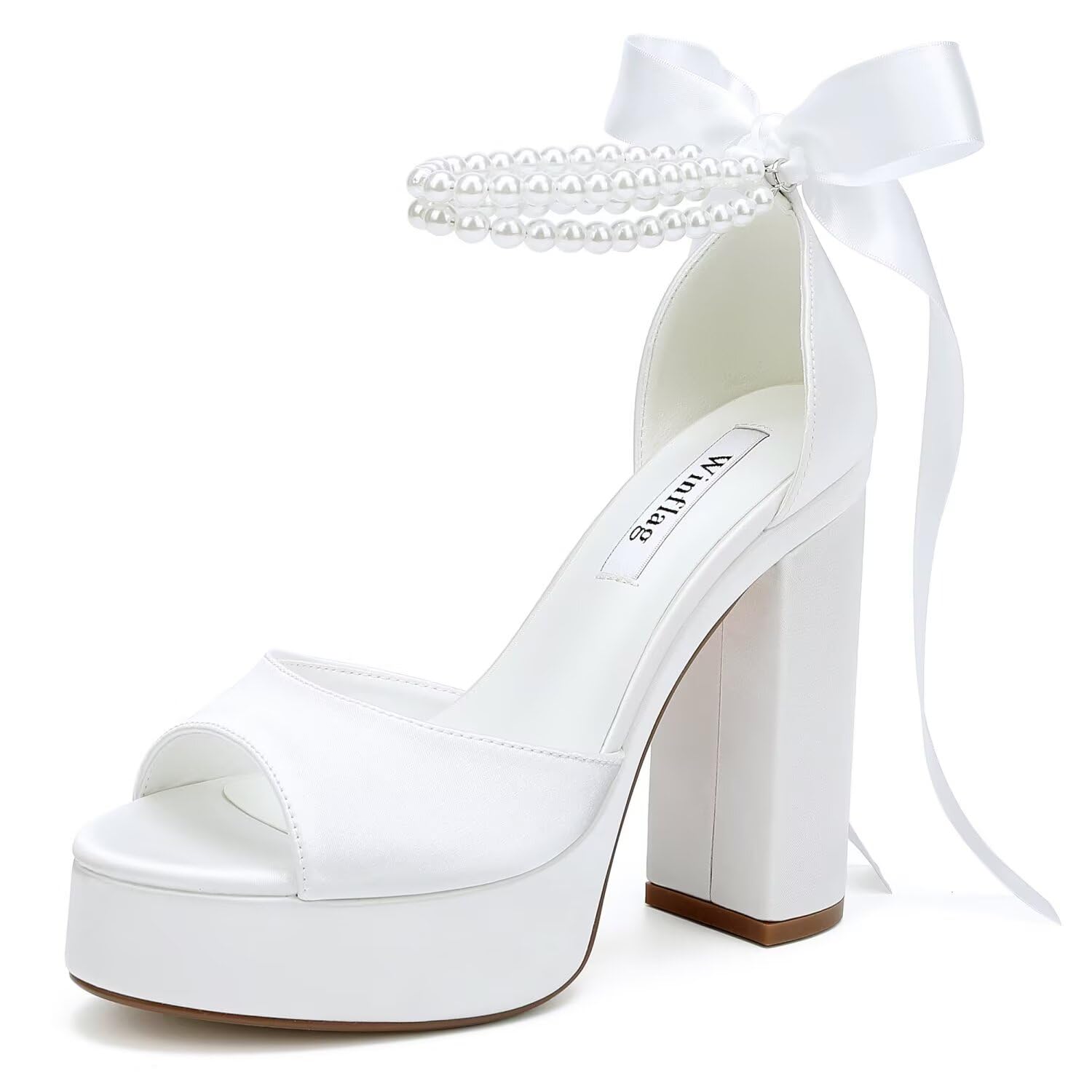
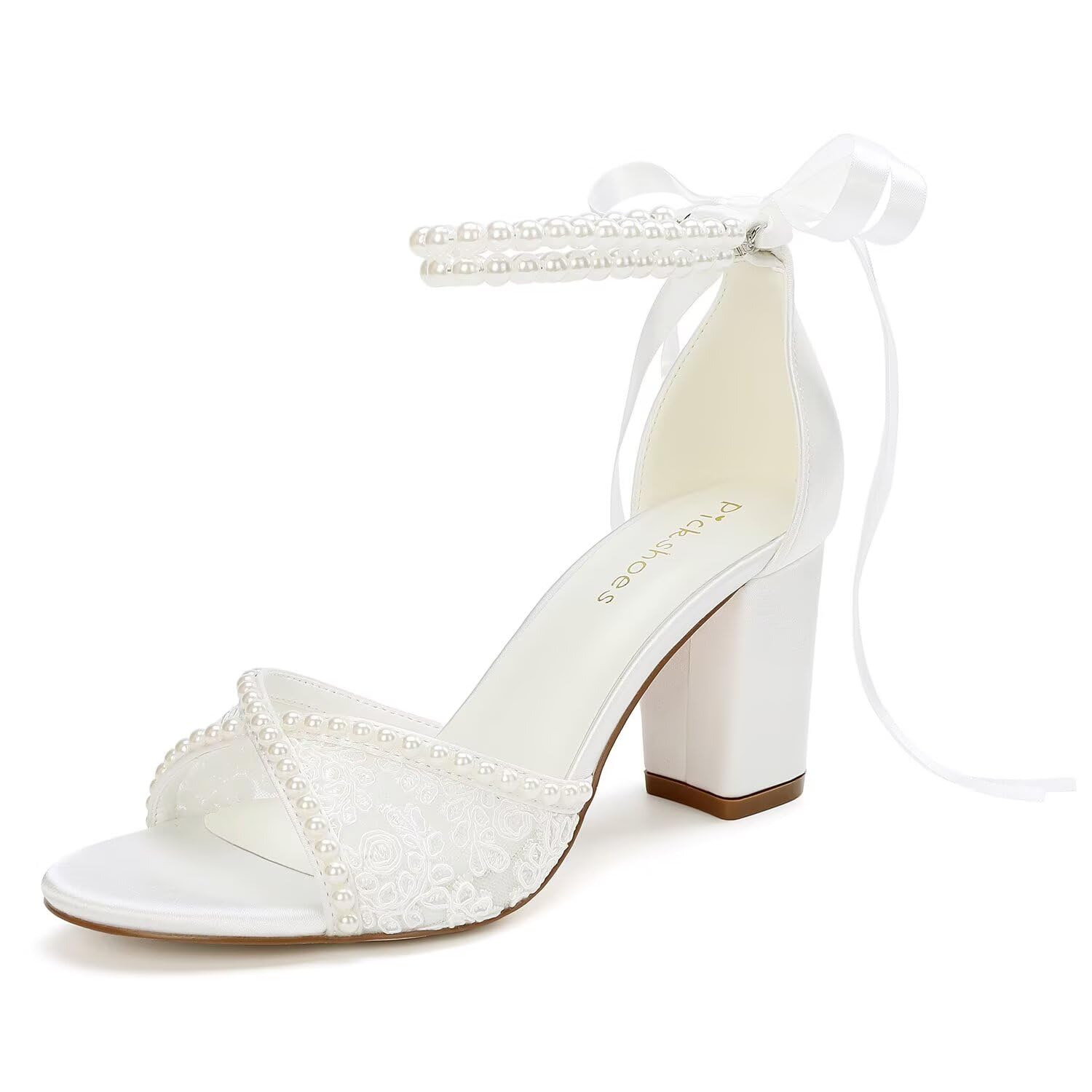

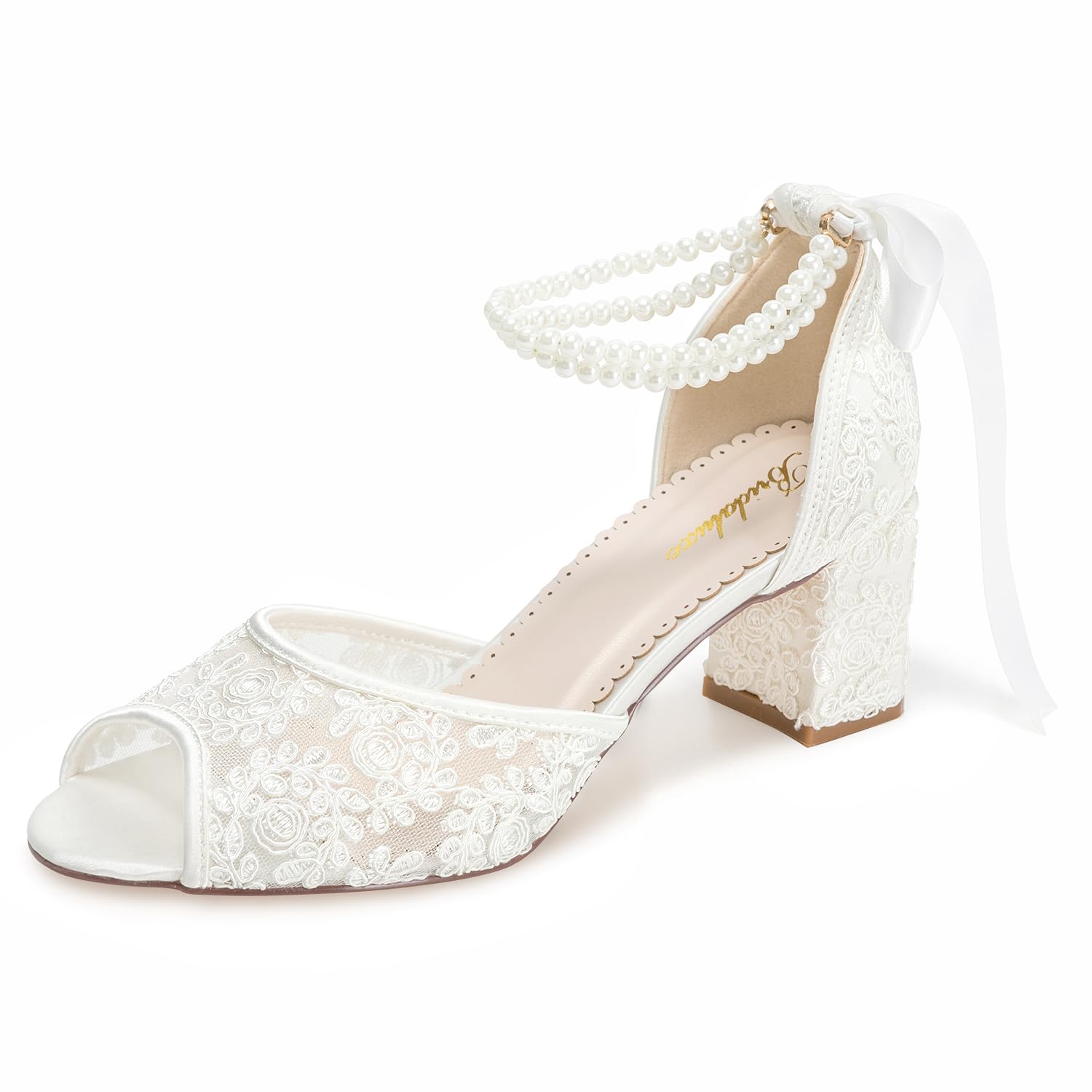
How to Evaluate Bridal Sandals
Think of the sections below as a simple scoring sheet. A pair earns its place when it fits your feet late in the day, stays stable on your venue surfaces, and still looks right with your dress after hours of wear.
Fit, Sizing, and Toe Box
Measure your feet in the afternoon or evening, when they are at their largest, and try sandals on at that same time of day. Your toes should lie flat without spilling over the front edge or gripping the footbed to stay in place. Look for a toe box that lets your toes spread a little, with straps that hold the midfoot rather than squeezing the toes. If you sit between sizes, most brides do better sizing up and adding a thin insole or strap pad than squeezing into the smaller pair. Walk on a hard floor for ten minutes and watch for rubbing at the big toe joint and heel.
Durability and Expected Lifespan
A bridal pair may only face one long day, but weak construction can fail within that day. Check that straps are stitched or firmly anchored into the sole, not only glued at the surface. Press the footbed with your thumb. It should spring back rather than staying dented. Seams on satin and leather should sit flat with no loose threads. A well made pair should also survive rehearsal events, photos, and later wear for parties or anniversaries, so treat flimsy bonding, thin straps, and peeling finish as early warning signs.
Upper Materials and Breathability
Leather straps usually soften with wear and handle warmth better than stiff synthetic straps, which can keep a sharp edge against the skin. Satin looks classic with many gowns but shows water spots and scuffs more easily, so it suits indoor venues best. Mesh panels and open designs let heat escape during summer ceremonies. Whatever you choose, run a fingertip along every strap edge. If it feels rough in your hand, it will feel worse on your foot after three hours. Breathability matters most for outdoor summer weddings, where feet swell and friction rises.
Water Resistance and Venue Surfaces
Most dress sandals are not waterproof, and that is fine for a ballroom. For a garden or beach venue, ask a different question. What happens on damp grass or a wet stone path? Leather soles can turn slick when wet, while rubber outsoles keep better grip. Satin uppers can stain from a single wet patch of lawn. If rain is possible, plan a backup pair for travel between locations and keep the dress pair dry until you reach cover. A thin protective spray made for your upper material can help, but try it on a hidden spot first.
Outsole Traction and Terrain
Turn the sandal over before you fall for the upper. A smooth leather sole on polished marble is a real fall risk, while a rubber outsole with fine tread gives you grip without looking sporty. For grass, a block heel or a wider heel base spreads your weight and sinks far less than a narrow stiletto. Try your pair on the closest match to your venue floor you can find. If you slide on tile at home, you will slide at the venue too. Slim stick on sole pads can add grip, but fit them a week early and walk in them first.
Cushioning and Support
Cushioning decides how your feet feel at hour six, not minute six. Look for padding under the ball of the foot, where a heel shifts most of your weight, plus a footbed that follows the curve of your arch. A very high heel with almost no platform creates a steep heel to toe drop and loads the forefoot hard. A modest platform or a lower heel reduces that angle. If you already use arch support in daily shoes, check our guide to the best sandals for plantar options for ideas on shaped footbeds that can work under a dress.
Arch Support and Foot Type
Flat feet often roll inward in strappy shoes with no structure, so a shaped footbed and a secure ankle strap help keep the foot centered. High arches need cushioning that fills the gap under the midfoot rather than a flat board of a sole. Try this practical test. Stand in the sandals and shift your weight side to side. Your foot should stay over the sole instead of rolling off the inner edge. If your feet ache in most dress shoes, wear your chosen pair around the house in short sessions and note exactly where soreness starts.
Three Styles That Pass the Checklist
Instead of chasing one named product, use the product table above to sort options into three proven style groups. Each group below suits a different wedding plan and budget, and each still has to pass the fit and traction checks above.
The Balanced Block Heel Style
The most versatile choice is a mid height block heel sandal with an ankle strap, a padded footbed, and a rubber outsole, usually around $80 to $150. The block heel handles grass, gravel, and dance floors, while the ankle strap stops the foot sliding forward. This style works with most dress lengths and most venues, which is why it suits brides who move between an outdoor ceremony and an indoor reception. Its main limit is looks. A block heel reads a little less delicate than a slim heel in close up photos, so check it against your dress hem before deciding.
The Value Style
Value pairs, often around $40 to $80, usually trade softer leather for synthetic uppers and simpler footbeds, but the good ones keep the features that matter. Prioritize a secure strap layout, a heel height you already know you can wear, and an outsole with real texture. Skip paying extra for heavy crystal detail you will only see in a few photos. The honest trade off is lifespan and edge softness. A value pair can absolutely last the day, yet its straps may need moleskin at rub points, so budget a little time for a home trial and small comfort fixes.
The Flat and Low Heel Style
Flat and low heel sandals, often around $50 to $120, are the compact heroes of a long day. They pack easily as a reception backup, fit under a long hem without changing its length, and remove heel pressure entirely. Look for a cushioned footbed rather than a paper thin sole, because a flat shoe with no padding can tire the heel on hard floors. Many brides also use this style as travel footwear for the days around the wedding. If you are comparing simple options for the hotel and honeymoon, see our guide to the best sandals hotel picks for what packs well.
Quick Buyer Checklist
Run through these questions before you pay. A no answer does not always rule a pair out, but it should point to a fix or a different style.
- Did you try them on in the evening with the hosiery or bare feet you plan for the day?
- Can you walk on a hard floor for ten minutes without toe gripping or heel slipping?
- Does the heel base suit your venue surface, grass, stone, sand, or polished floor?
- Is there padding under the ball of the foot and support under the arch?
- Do all strap edges feel smooth against your skin?
- Have you planned a backup pair for rain, travel, or late night dancing?
- Does the return window cover your wedding date if a home trial goes badly?
Red Flags to Watch For
Walk away from straps attached with a single line of glue and no stitching, because one caught heel can pull a strap free. Be wary of listings with no clear heel height, no outsole photo, and no material details, since those gaps hide the facts you need most. Very thin soles with a tall heel almost always mean forefoot pain. Reviews that praise looks only, with no mention of hours worn, tell you little about a wedding day. Finally, a return policy that ends before your event is a quiet risk. For a broader sense of how dressy options are judged, compare notes in our guide to the best rated sandals before you settle.
Care and Maintenance Tips
Break your pair in with three or four short home sessions, starting with thirty minutes on carpet and building to an hour on hard floors. Store satin and light leather away from direct sunlight so colors stay even, and stuff the toe area softly to hold the shape. After the wedding, wipe soles clean, let the pair air dry away from direct heat, and check strap anchors before storing them. A small kit with blister pads, clear strap cushions, and a spare ankle strap button covers most day of fixes.
FAQs
How should bridal sandals fit?
They should fit snugly at the midfoot and heel with your toes lying flat and clear of the front edge. Your heel should not hang off the back, and straps should hold without digging in. Try them late in the day, walk on hard floors, and allow a small amount of room for the swelling that comes with hours of standing and warm weather.
Do I need waterproof shoes for a wedding?
No, most brides do not need waterproof shoes, and true waterproofing rarely comes in a dress style. What you need is a plan for wet ground. Choose a rubber outsole for grip, avoid satin on wet grass, and keep a backup pair for moving between venues in rain. That combination protects both your safety and the look of your main pair far better than chasing a waterproof label.
How often should I replace my bridal sandals?
Replace them when the footbed stays compressed, straps stretch so the foot slides, or the outsole wears smooth. For a pair worn only at events, that may take years, but inspect before each wear. A sandal saved for one more party with a loose ankle strap or worn heel tip is a fall risk, and resoling or strap repair often costs less than a new quality pair.
Are expensive bridal sandals worth it?
They can be worth it when the extra cost buys softer leather, better padding, and cleaner strap finishing, because those details decide comfort at hour six. Price alone guarantees nothing, though. A mid price pair that fits your foot shape and venue will serve you better than a costly pair with the wrong heel or a narrow toe box. Spend on fit and construction first, decoration second.
How long is the break in period for bridal sandals?
Plan on three to five short sessions across one to two weeks. Start indoors on carpet, then move to hard floors, and add the exact socks or bare skin you will have on the day. Leather usually softens noticeably by the third session. If a strap still cuts in after that, padding or a different size will help more than hoping the wedding day goes better.
Can I wear bridal sandals all day?
Yes, if the heel height matches what you already tolerate, the footbed is padded, and you have broken them in at home. Even then, a smart plan helps. Sit when you can during photos, swap to a flat backup pair for late dancing, and keep blister care in your bag. All day comfort is usually the result of fit plus planning, not one miracle feature.
Final Thoughts
Fit, traction, and cushioning decide your day far more than sparkle does. Match the heel base to your venue, try the pair at home in the evening, and keep a simple backup ready. When you compare the product table above with this checklist, the best bridal sandals for you are the pair that still feel steady and kind to your feet after a full trial hour.