
Best Brewing Boots in 2026: Every Type Explained Side by Side
Disclosure: We may earn a commission when you buy through links on this page, at no extra cost to you. As an Amazon Associate I earn from qualifying purchases. Learn more
Compare brewing boot types for wet brewery floors, with clear guidance on grip, waterproofing, support, fit, protective toes and care for long shifts.
Brewing puts your feet in water, wort, grain dust and cleaning solution, often on smooth concrete that turns slick without warning. The best brewing boots keep that liquid out, grip the floor and still feel bearable at the end of a long shift. The comparison table below helps you match a type to your floor.
Start with the wettest job you do in a normal week, not the driest. A boot that feels light in a taproom can soak through during washdown.
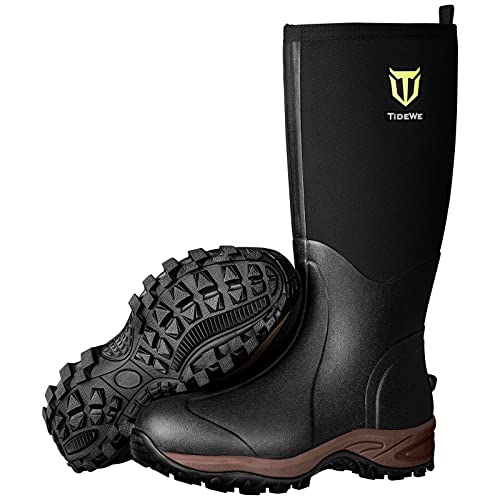
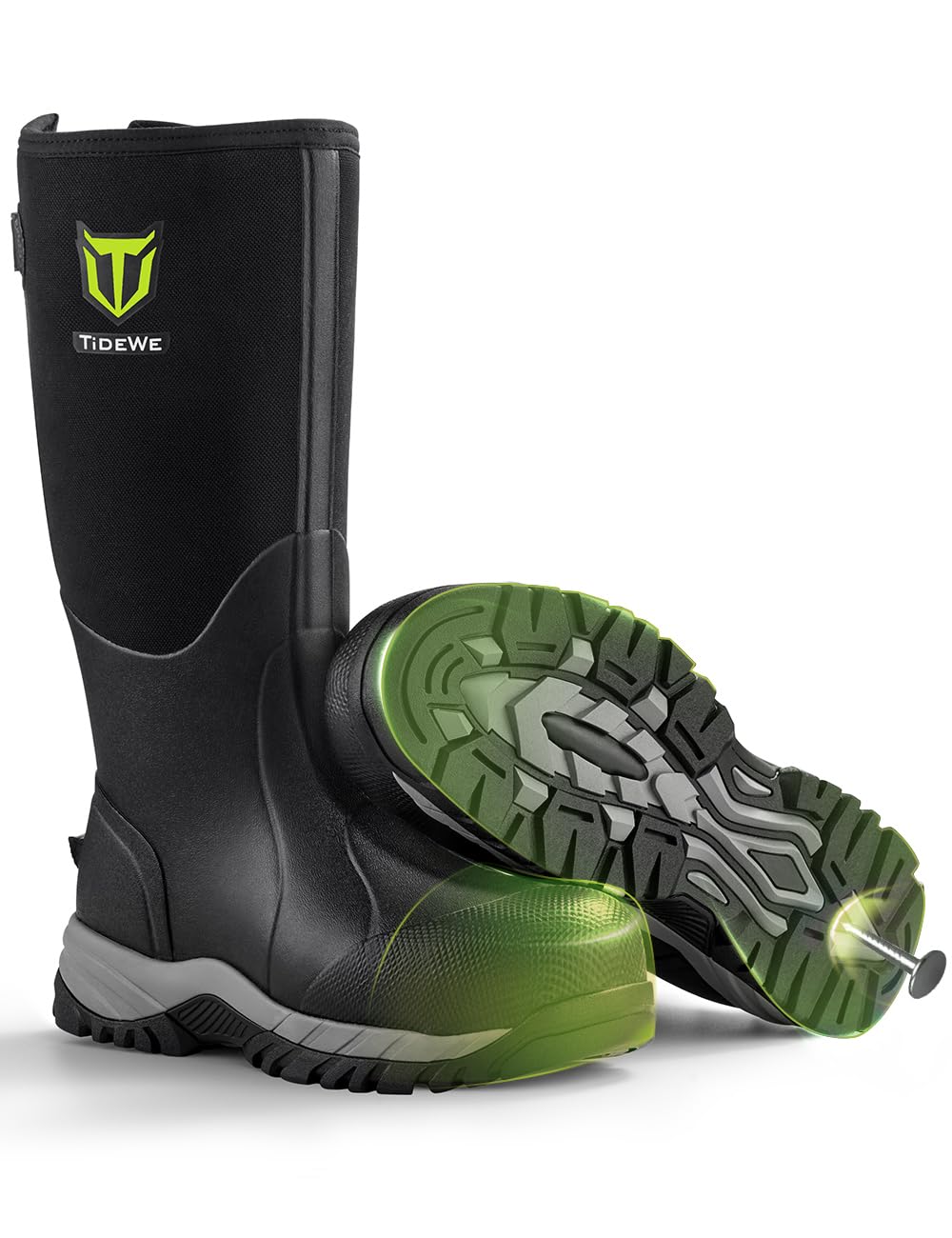

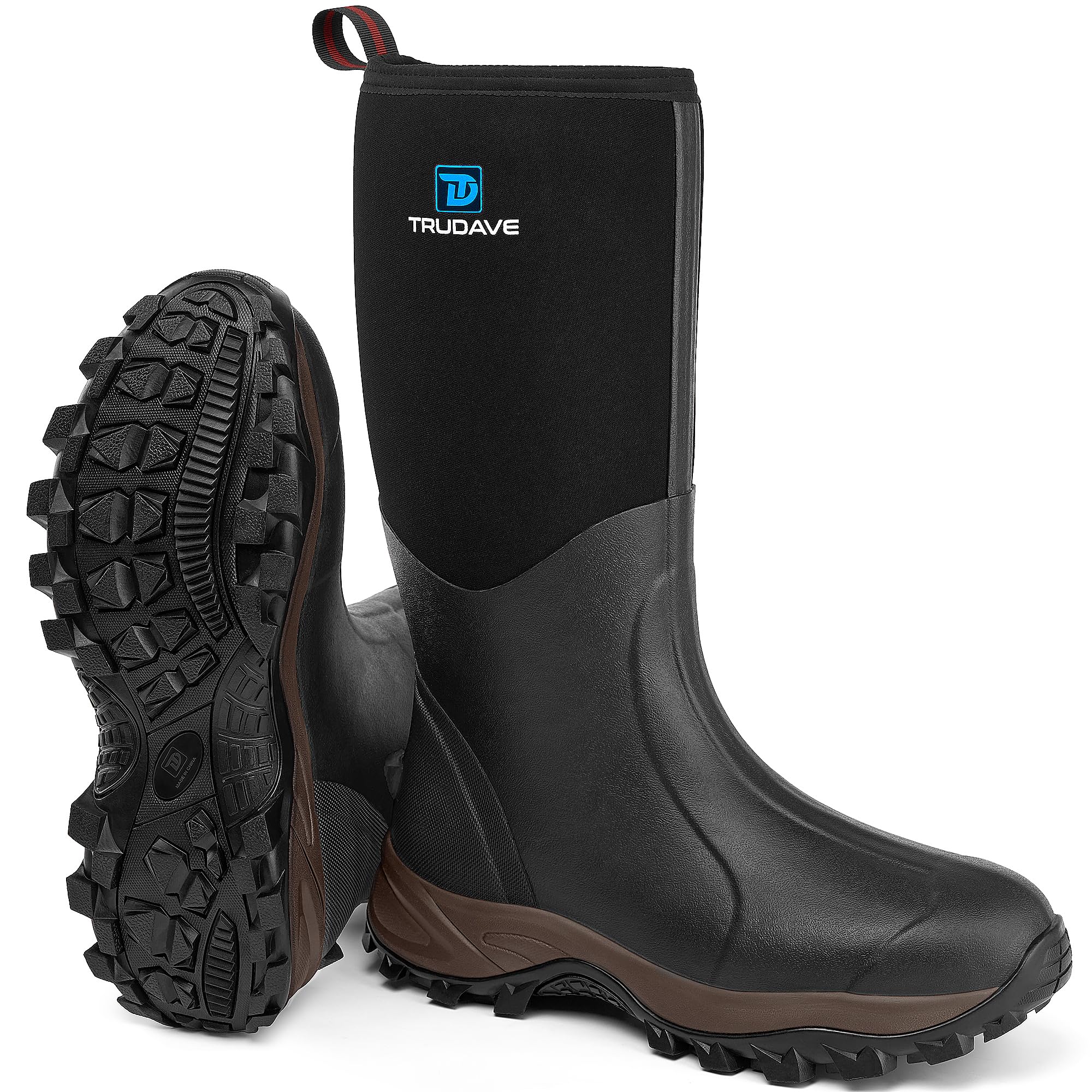

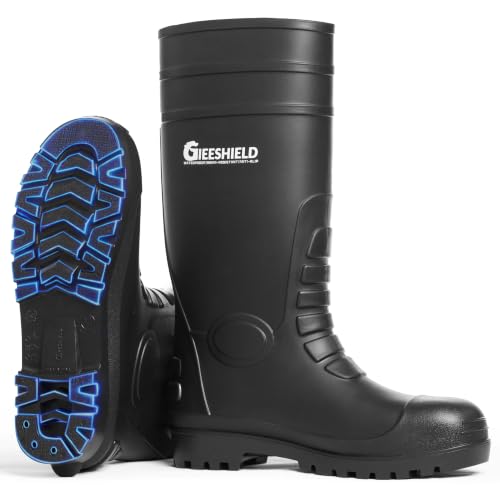
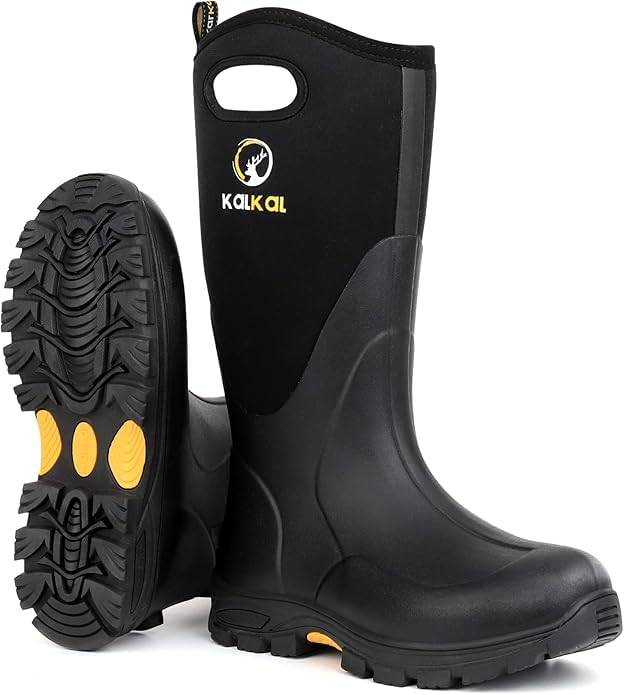

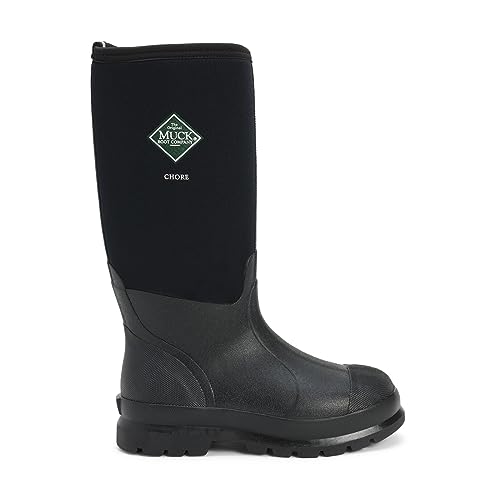
Types of Brewing Boots Compared
Most brewing footwear falls into three forms. They all need grip on wet floors, but they differ in coverage, weight and splash protection.
Tall Waterproof Boots for Cellar and Washdown Work
Tall boots, usually rubber or another fully waterproof material, rise to about 12 to 16 inches and seal out standing water completely. They suit cellar work, keg washing and washdown, where hoses splash above the ankle for hours, and you can rinse the whole boot clean afterward. The trade off is heat. Air barely moves inside, feet sweat on warm days, and a loose shaft can rub your calf.
Mid Height Waterproof Leather Boots
Mid height boots rise to about 6 to 8 inches and pair a leather or coated upper with a waterproof membrane inside. They suit brewers who split time between wet tasks and dry work such as milling and repairs, since leather supports the ankle and handles scuffs from pallets. A typical pair costs about $120 to $250. They need more care than rubber, and leather pairs take about one to two weeks of shorter tasks to break in fully.
Low Cut Waterproof Shoes for Drier Brewing Jobs
Low cut shoes cover only the foot and ankle bone, so they feel close to ordinary work shoes. They suit packaging lines, taproom shifts and home brew days where spills are small and floors are mopped rather than flooded. They weigh less, stay cooler and go on and off quickly. Their limit is coverage. A bucket tipped at shin height goes straight over the collar, so keep a taller pair nearby.
Lightweight Brewing Shoes vs Support Focused Brewing Boots: Which Should You Choose?
Lightweight shoes win on comfort in motion. They flex easily, feel cooler and tire your legs less when you walk a packaging line all shift. Support focused boots win on stability. Their firmer midsoles and stiffer heel counters hold your foot steady on ladders and wet loading docks, and they spread the load when you stand at one tank for an hour. Choose by your main risk. If slips and standing fatigue are the problem, pick support. If heat and constant walking are, pick light weight.
How to Choose the Right Brewing Boot
Choosing the best brewing boots starts with the floor and the liquid, then moves to fit. Work through these factors in order, since a boot that fails on grip will not be saved by good cushioning.
Outsole Grip on Wet and Soapy Floors
The outsole is your only contact with a floor that may carry water, wort, caustic foam or grain dust. Look for soft rubber with many small edges and channels that push liquid aside, rather than deep chunky lugs made for mud, which skate on smooth concrete and trap grain. A wide, fairly flat sole also helps, since more rubber touches the ground when you turn with a full bucket.
Membrane Waterproofing for Wet Cellar Floors
Waterproofing comes in two forms. Rubber and similar solid materials block water completely and shrug off cleaning chemicals, but they trap sweat. Membrane linings, including Gore Tex, block liquid from outside while letting some vapor escape, which feels better during long wear but can fail if punctured. For standing water and hose work, solid waterproofing is safer. For splashes and damp floors, a membrane boot with moisture wicking socks usually stays comfortable for longer.
Uppers That Survive Hot Water and Caustic Washdowns
Uppers balance protection against airflow. Full grain leather resists abrasion and supports the foot, but it dries slowly once soaked. Rubber and coated synthetics rinse clean in seconds and resist alkaline cleaners, yet they let almost no air through. Mesh and knit uppers breathe best, but they absorb spills and offer little defense against a dropped fitting, so they belong in dry areas only.
Sizing and Toe Space for Long Brew Days
Fit your boots late in the day, when your feet have swollen from standing, and wear the socks you plan to work in. You want about a thumb width of space in front of your longest toe, enough width for your toes to spread when you lift a keg, and a heel that stays put as you walk. Feet often swell half a size over a long shift, so a snug morning fit can pinch by evening. If you fall between sizes, choose the larger size.
Cushioning, Arch Support, and Heel to Toe Drop
Concrete floors punish feet slowly, so cushioning and arch support decide how you feel in the final hours of a shift. A moderately thick midsole softens each step without feeling unstable under load, while a shaped insole supports the arch so weight spreads across the whole foot. Heel to toe drop usually runs about 8 to 12 mm in work boots. A lower drop feels flatter and steadier, while a higher drop shifts weight forward and can ease tight calves.
Protective Toes for Keg and Equipment Work
A dropped keg or a steel fitting can injure toes quickly, so many brewery roles call for a protective toe cap. Steel caps offer the most protection in the slimmest shape but feel cold and add weight. Composite caps weigh less and do not conduct cold, though the cap is often bulkier. Soft toes are fine for taproom work where nothing heavy crosses the floor. Check your workplace rules before buying, since some sites require a rated cap for cellar staff.
Common Mistakes to Avoid
Most brewing boot problems come from choices that fail on a wet floor.
- Buying breathable mesh shoes for cellar work leaves your socks soaked within the first hour of washdown.
- Choosing deep mud lugs for smooth concrete reduces grip and lets the sole slide on soapy water.
- Sizing boots on fresh morning feet makes them pinch painfully once your feet swell during the shift.
- Wearing open sandals anywhere near kettles or kegs exposes your feet to hot liquid and falling steel.
- Skipping a protective toe where kegs are stacked daily leaves your toes at risk from one dropped load.
Care and Maintenance for Brewing Boots
Rinse your boots with clean water at the end of each shift to remove wort, grain and cleaning solution, since dried residue stiffens leather. Stuff tall boots with newspaper to hold the shaft open, then air dry them away from direct heat, because radiators crack leather and warp soles. Leather pairs also need conditioner once the surface looks dry and pale.
Rotate two pairs if you brew daily, giving each pair a full day to dry inside. Inspect the outsole weekly and replace the pair when the tread looks smooth at the heel or cracks appear at the toe flex. If you also brew at home, our guide to the best brewing coffee makers and our guide to the best teapots for brewing tea cover the drink side.
Brewing Boots: Your Questions Answered
Do I need waterproof boots for brewing beer?
Yes, you need waterproof boots if your brewing involves hoses, open vessels or washdown, because ordinary shoes soak through in minutes on those tasks. Even home brewers benefit, since a spilled bucket of hot wort can scald through a fabric shoe before you can step away.
Are expensive brewing boots worth the cost?
Expensive brewing boots can be worth the cost when the extra money buys a better outsole compound, a replaceable insole and stronger stitching at the toe flex, which extend working life on daily wet shifts. If you brew once a month at home, a modest waterproof pair at about $60 to $100 usually serves just as well.
How often should I replace brewing boots?
Replace brewing boots when grip, waterproofing or support gives out, rather than on a fixed calendar. For daily commercial use that often means about 8 to 14 months, while home brewers may get several years from one pair. Try the wet floor turn test: if the heel slides during a normal turn on a damp rinsed floor, the outsole is done even if the upper still looks sound.
How should brewing boots fit for a long shift on concrete?
Brewing boots should fit with room to wiggle your toes, a heel that does not lift, and no pressure across the widest part of your foot. For long shifts, add one check many buyers miss: hold something heavy at waist height while you try them, since carrying weight presses your foot forward. If your toes touch the front in that test, go up half a size.
Can I wear brewing boots all day without sore feet?
Yes, you can wear brewing boots all day if the fit, insole and sock choice work together. Soreness that builds late in the day often comes from a flat factory insole, so swapping in a supportive one is the simplest fix. Change into dry socks at a midday break on double shifts, because damp skin rubs faster. If you develop sharp heel pain or numbness that does not settle overnight, talk with your clinician about your personal needs.
Final Thoughts
Match the type to your wettest task first, then judge grip, waterproofing and fit in that order. Tall rubber boots protect cellar crews, mid height leather boots serve mixed work, and low cut shoes suit dry lines and home brew days. Use the product table above to compare coverage and price against your weekly jobs.
When you judge best brewing boots by the floor beneath you rather than by looks, the right pair is usually obvious. Buy for the shift you work most, keep them rinsed and dried, and your feet will finish the day steady.


