Best Breville Juicer (2026): Types for Every Home
Disclosure: We may earn a commission when you buy through links on this page, at no extra cost to you. As an Amazon Associate I earn from qualifying purchases. Learn more

Match the best breville juicer to your produce, household size and space, with the features that matter and the mistakes to skip.
A Saturday trip to the farmers market can leave your counter covered with apples, carrots, celery and a bag of oranges, and that is exactly the moment when the right juicer earns its space. Finding the best breville juicer for your home comes down to three things: how many people you juice for, how much counter and cabinet room you can give up, and what your weekly budget for produce looks like. If you are still weighing the brand against other options, our guide to the best juicer puts the wider field in one place.
Breville sells several distinct machine types under one brand name, and the differences between them matter more than small feature upgrades. This guide walks through each type, the specs that change your daily routine, and the costs that show up after purchase. Start with the comparison table below, then read the sections that match your household.


Quick Answer: How the Lineup Splits by Type
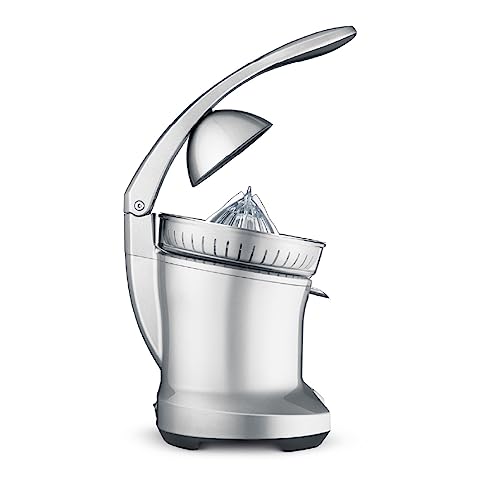
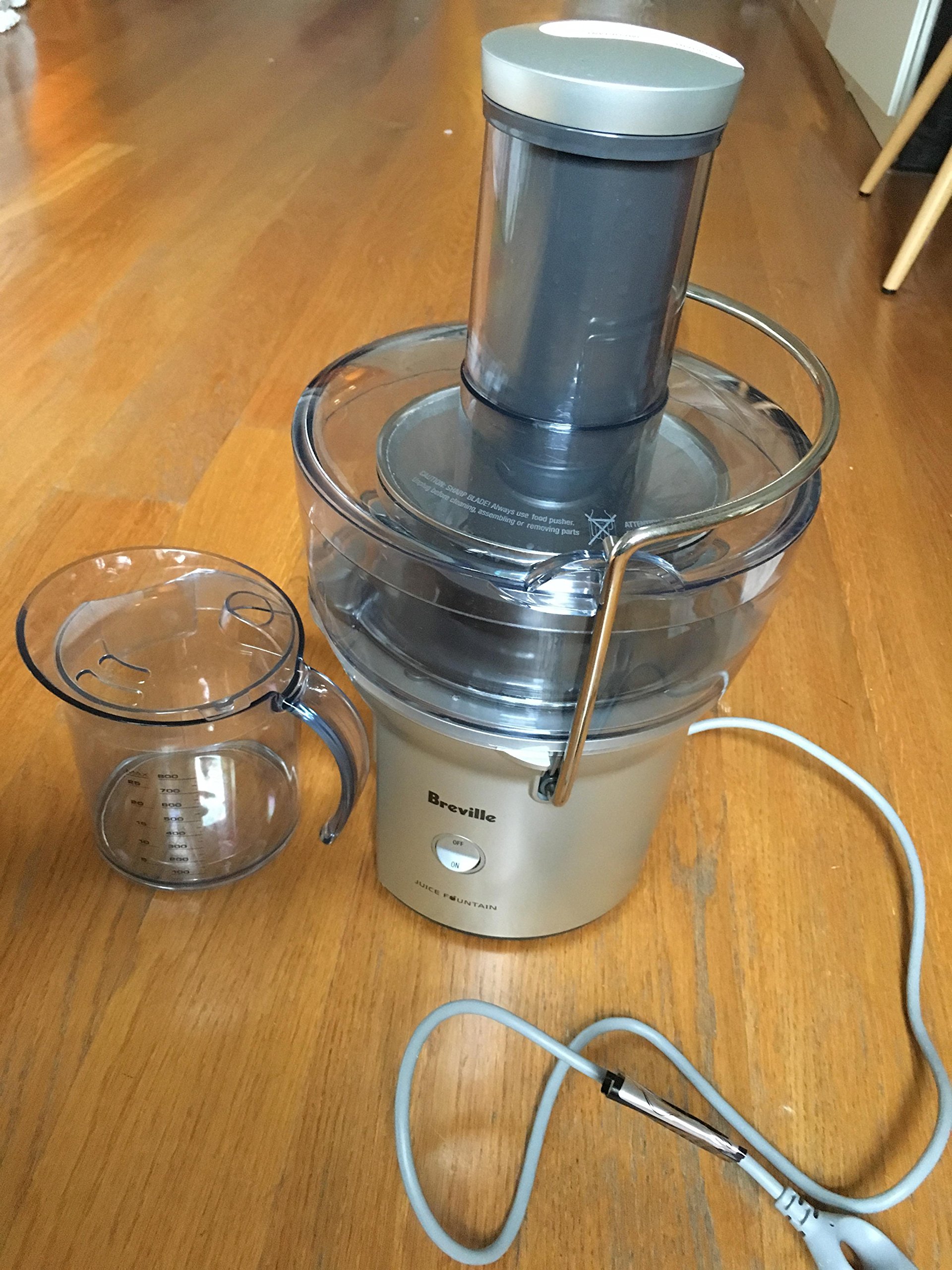
Every Breville juicer falls into one of three camps. Centrifugal models spin produce against a fine mesh at high speed, so they are the fastest route to a glass of apple or carrot juice. Cold press models crush produce slowly with an auger, which suits leafy greens and quieter mornings. Citrus press models do one job only, squeezing oranges, grapefruit and lemons with a motorized cone. Pick your camp first, and the best breville juicer for your home usually narrows to one or two models.
Before You Buy: A Quick Checklist for Choosing a Juicer
Which Type Fits Your Routine
Match the machine to the produce you buy most weeks. Centrifugal models handle firm fruit and vegetables quickly, and a wide feed chute on many of them takes whole apples, which cuts prep time on busy mornings. Cold press and masticating designs work at low speed and pull more from kale, spinach and wheatgrass, but each glass takes longer to make. If citrus is your whole routine, a dedicated press beats both. Our explainer on masticating vs centrifugal juicer designs covers the trade offs in speed, noise and yield in more depth.
Features Worth Paying For and Ones to Skip
A wide feed chute is worth real money if you juice before work, since it removes most chopping from the process. Variable speed settings earn their keep too, because soft fruit needs a gentler setting than hard carrots, and using the wrong one leaves wet pulp and wasted produce. A large pulp container matters for families making several glasses in a row. Skip decorative finishes, extra juice jugs you will never rotate through, and attachments for jobs your blender already does well.
Wattage, Power and Energy Use
Centrifugal models generally draw far more wattage than cold press models, because spinning a mesh basket fast enough to separate juice takes serious motor power. Cold press motors turn slowly and use less energy per session, though each session runs longer. Juicing uses short bursts of power, so the effect on your electricity bill stays small either way. What wattage really tells you is how the machine handles hard produce: a stronger motor bogs down less on dense carrots and beetroot, which keeps juice flowing instead of stalling mid batch.
Safety Features and Certifications
Look for a locking arm or lid switch that stops the motor the moment you open the machine, since a spinning mesh basket should never run exposed. Non slip feet matter more than they sound, because a juicer that walks across a wet counter is a spill waiting to happen. Check the listing for UL or ETL certification, which means the electrical design carries independent safety certification for the US market. Overload protection also helps, cutting power when the motor strains.
Counter Space and Dimensions
Measure before you order, and measure the space under your cabinets rather than the open counter. Tall centrifugal models with a pulp container at the back need both height and depth, and some will not slide under standard upper cabinets at all. Cold press models often have a smaller footprint but a taller profile once the pusher sits on top. Think about storage too: a machine in a low cupboard rarely gets used, while one beside the coffee maker becomes part of the routine.
Realistic Budget Ranges
Compact centrifugal models often sit at about $100 to $200, while larger versions with bigger containers and more speed settings run about $200 to $300. Cold press models and premium citrus presses tend to sit at about $300 to $500. Under about $100 you are mostly looking at small manual or basic electric citrus tools rather than the core lineup. Match the tier to your habit: daily juicers recover the cost of a bigger machine quickly, while once a week juicers rarely do.
Three Roles in the Lineup: Types Compared
Fast Centrifugal Models for Busy Weekday Mornings
Choose this type if speed decides whether juicing happens at all. A centrifugal model turns a pile of apples and carrots into juice in a couple of minutes, and cleanup centers on one mesh basket and a pulp bin. The trade off is foam on the juice and weaker results with leafy greens. For households making juice for three or four people before school and work, this is usually the most practical role in the lineup.
Cold Press Models for Leafy Greens and Quieter Kitchens
Choose this type if greens, soft fruit and noise levels shape your decision. The slow auger squeezes produce instead of shredding it, so juice comes out smoother and the machine runs at a volume you can talk over. Prep takes longer, because the narrower chute asks for smaller pieces. If that slower rhythm fits your mornings, compare this category against the wider field in our guide to the best cold press juicer before you settle on one brand.
Citrus Press Models for Orange and Grapefruit Fans
Choose this type if nearly everything you juice wears a rind. A motorized reamer does the pressing your wrist would otherwise do, and a good press handles a whole bag of oranges without tiring you out. These machines cannot help with carrots or kale, so they suit households that buy citrus in bulk and drink it fresh. Cleanup is the simplest of the three types, often just the cone, the strainer and the jug. See our roundup of the best citrus juicer options if a press sounds like your main machine.
How to Compare Breville Juicer Models
Work through the same short list for every model you consider. Start with capacity: jug size and pulp container volume decide how often you stop mid batch. Then weigh ease of use, meaning chute width and speed settings. Cleaning comes next, because a filter basket that needs scrubbing after every use will shorten the life of your juicing habit. Finish with noise and warranty length. Judge each model on manufacturer specifications and verified buyer feedback, not on headline wattage alone.
The Breville Juicer Lineup Explained
The lineup makes more sense as three product families rather than one long list. The centrifugal family is the broadest, running from compact models built for one or two glasses up to large versions for family batches. The cold press family is smaller and pricier, aimed at buyers who juice greens often. The citrus family is the narrowest, built only for rind fruit. When you are learning technique, our walkthrough on how to use a juicer explains feed speed and produce order for each family.
Within each family, higher prices usually buy capacity and convenience rather than a different kind of juice. A bigger motor, a wider chute and a larger jug help a family of five far more than a single person juicing one apple. That is why the best breville juicer for a small apartment is often a mid priced compact model, while a large household gets real value from stepping up.
Common Buying Mistakes to Avoid
- Buying for counter space you do not have: a tall model that will not fit under your cabinets ends up stored away, and a stored juicer rarely gets used.
- Choosing centrifugal for a greens heavy habit: leafy produce yields poorly at high speed, so you pay for bags of kale that mostly land in the pulp bin.
- Ignoring replacement part costs: mesh baskets and seals wear out, and a cheap model with pricey or scarce parts costs more over its life.
- Paying for capacity you never use: a family sized pulp container helps nobody in a one person home and only adds washing up.
- Skipping the noise question: a loud centrifugal model at dawn can rule out weekday juicing in a home with sleeping kids or thin walls.
Cost of Ownership and Care
Running costs stay modest. Electricity for short daily sessions adds very little to a monthly bill, so the real costs are replacement parts and produce. Mesh filter baskets dull and clog over time, seals perish, and a fresh basket every year or two keeps yield where it should be. Rinse every part straight after juicing, before pulp dries onto the mesh, and wash with warm soapy water and the small brush most models include. Our full routine for how to clean a juicer covers stain removal and storage. Dry parts fully before assembly.
Frequently Asked Questions
Is Breville a good juicer brand?
Breville has sold juicers in the US for many years, and the brand stands out for sturdy build quality, widely available replacement parts and clear manuals. Its range also covers all three juicing methods, which few brands manage under one name. The honest catch is price: comparable types from rival brands often cost less. You pay for parts availability and support, which matters most if you juice daily.
How long does a Breville juicer last?
With rinsing after every use and a replacement filter basket when yield drops, a home juicer in this range commonly serves for several years of regular use. Longevity depends less on the motor than on pulp: dried pulp left in the mesh corrodes and stains parts faster than anything else. Storing the machine dry, with seals uncompressed, also helps. Heavy daily use for a large family shortens that span compared with weekend use.
Is a juicer worth it if you already own a blender?
It depends on texture. A blender keeps all the fibre in the glass, making a thick drink closer to a smoothie, while a juicer separates the fibre out and leaves a thin, light juice. If you dislike pulp and want something you can drink quickly before work, a juicer does a job the blender cannot copy. If you enjoy smoothies and hate washing extra parts, the blender already covers you.
Can you put a whole apple in a Breville juicer?
Only models with a wide feed chute accept a whole small or medium apple, and even then the apple must sit below the top of the chute so the safety lock engages. Large apples still need halving. Seeds and stems can go through a centrifugal model without harming it, though many people core the apple anyway for a cleaner taste. Cold press models always need apples cut into pieces that fit their narrower chutes, which adds a minute or two of prep.
Does cold press juice keep longer than centrifugal juice?
Generally yes, by a modest margin. Juice from a cold press model usually keeps its color and flavor in a sealed jar in the fridge for about two to three days, while centrifugal juice is best within about one to two days. Filling the jar to the brim slows oxidation for both types, since less air sits above the juice. Neither type keeps well at room temperature, so refrigerate straight after juicing and give the jar a gentle shake before drinking.
Final Thoughts
Start with the type that fits your produce, then check dimensions against your cabinets, then choose the capacity your household actually uses. A compact centrifugal model serves most small homes well, a cold press model rewards greens lovers, and a citrus press is unbeatable for orange season. Use the product table above to compare the models that match your camp, and you will land on the best breville juicer for your kitchen without overspending on features you will never touch.