Best Breathable Safety Boots: A Buyer Checklist for 2026
Disclosure: We may earn a commission when you buy through links on this page, at no extra cost to you. As an Amazon Associate I earn from qualifying purchases. Learn more

Pick the best breathable safety boots with a simple checklist for fit, airflow, cushioning, and grip on hot, busy shifts.
Hot feet can turn a long shift into a miserable one, and a safety boot that traps heat and moisture wears you down hour by hour. The best breathable safety boots solve that problem by moving air through the upper while still guarding your toes against impact and compression. This guide walks you through a simple checklist for judging airflow, fit, cushioning, and traction before you spend any money.
Use the checklist below as you scan the comparison table below, and you will quickly spot which boots suit hot warehouses, busy workshops, and outdoor crews. Every point focuses on what you can verify from a product page or a first try on at home.
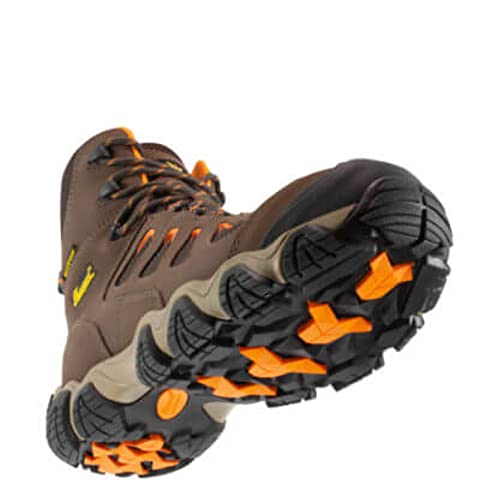

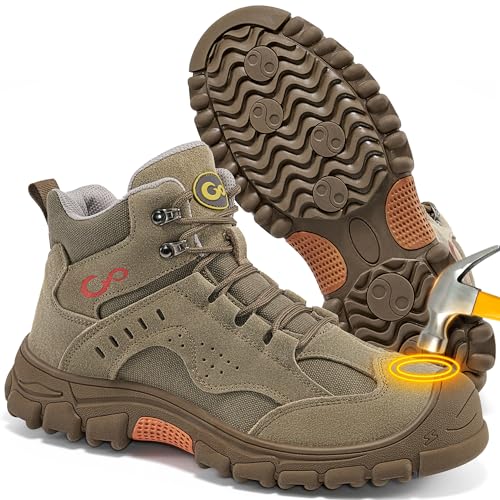
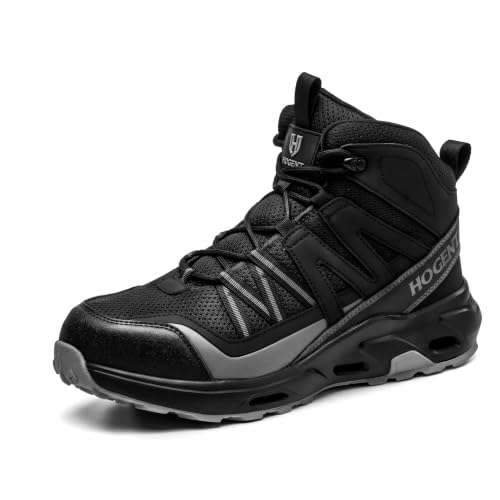
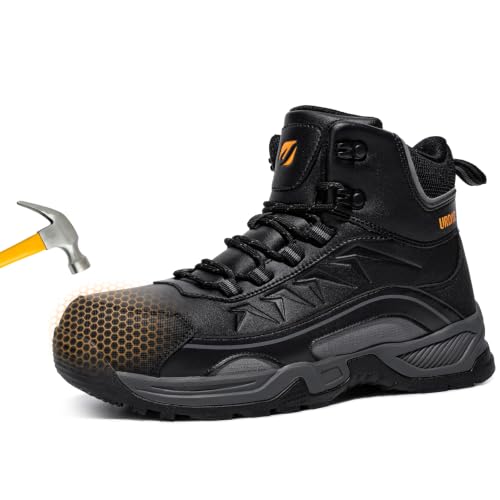


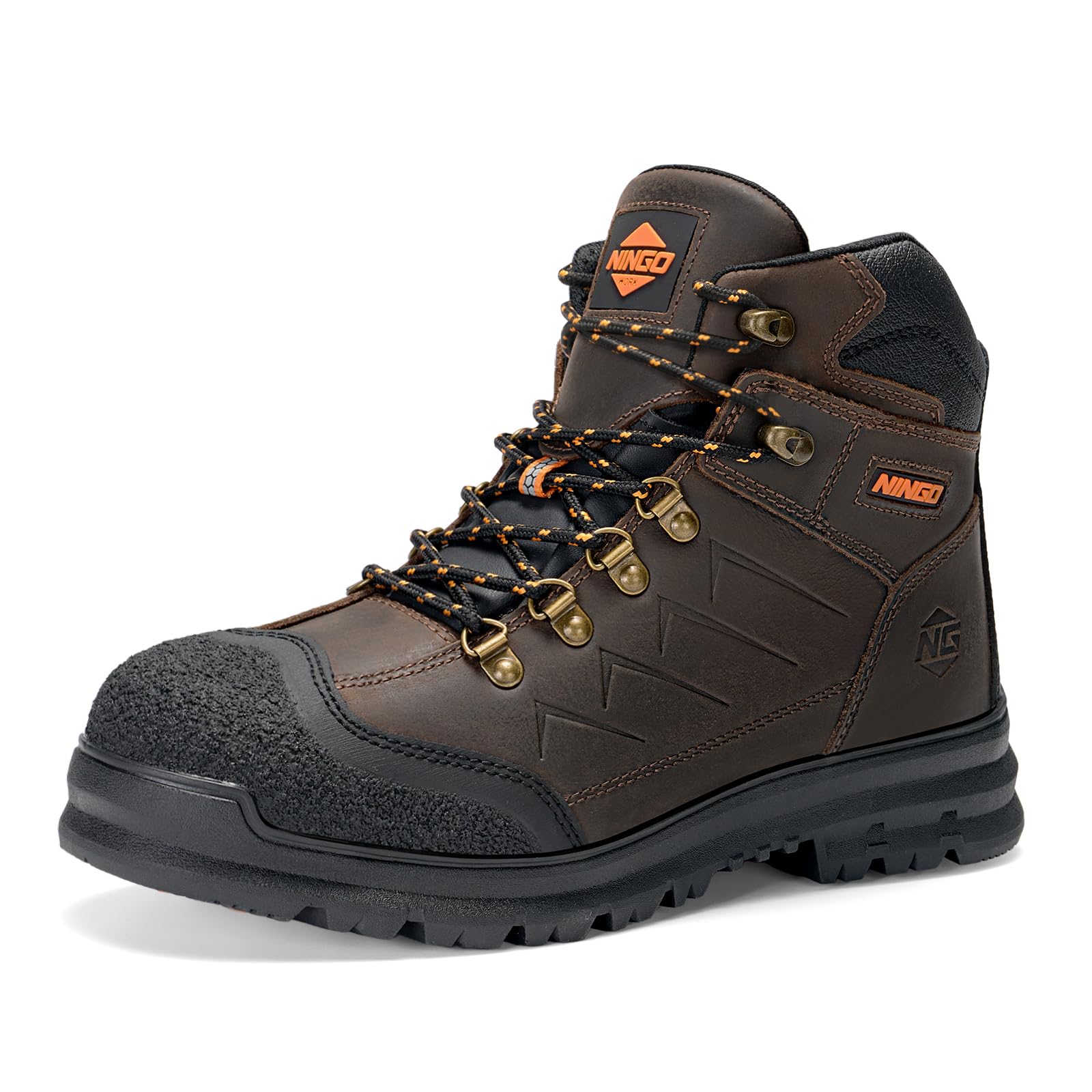
A Buyer Checklist for Breathable Safety Boots
Breathability claims are easy to print and hard to prove, so it helps to judge each boot against the same six criteria. Work through the points below in order, because fit problems cannot be fixed by good mesh, and great mesh cannot rescue a boot with a flat, painful midsole. If a listing leaves one of these areas vague, treat that silence as useful information.
Fit, Sizing, and Toe Box
Measure both feet late in the day, when they are at their largest, and buy for the bigger foot. A breathable boot should leave about a thumb width of space in front of your longest toe, and the toe box should let your toes rest flat without pressing against the safety cap. If you sit between sizes, go up a half size, since feet swell in heat and a roomier fit also lets air circulate. Wide widths help if your toes splay or you wear thick work socks.
Weight and Flexibility
Every extra ounce matters across thousands of steps, so lighter boots usually feel better by the final hours of a shift. Composite and alloy toe caps weigh less than steel and help keep the total down, while a flexible forefoot lets the boot bend with your stride instead of fighting it. Flexibility has a limit, though, because a boot that folds too easily may offer less stability on ladders and uneven ground. Aim for a boot that bends at the ball of the foot but stays firm through the midfoot.
Break In Period and Comfort Out of the Box
Mesh and knit uppers usually feel comfortable right away, with little or no break in period, while full grain leather boots often need a week or two of shorter wears. Plan your first days wisely and avoid debuting stiff new boots on your longest shift. Soft spots to check during a home try on include the top edge of the toe cap and the collar around your ankle. Any rubbing you feel in the first ten minutes will only grow worse by hour eight.
Upper Materials and Breathability
The upper decides how much air reaches your feet. Open mesh panels and engineered knit move the most air and dry quickly after a sweaty shift, but they let in dust and splash water freely. Leather breathes moderately and shrugs off abrasion better, so many boots pair leather overlays with mesh windows in low wear zones. Perforated leather sits between the two. Note that any waterproof membrane slows airflow, so a lined boot will always run warmer than the same boot without one.
Outsole Traction and Terrain
Look at the outsole tread and match it to the ground you actually walk on. Shallow, closely spaced lugs grip smooth concrete and warehouse floors well, while deeper lugs bite into gravel, mud, and grass outdoors. Rubber compounds marked slip resistant help on wet or oily surfaces, and a defined heel breast adds security when you climb ladders. Check that the tread pattern has channels to shed water, because a flat contact patch can skate on slick floors even when the lugs look aggressive.
Cushioning and Support
Cushioning protects your joints when you stand on concrete all day, and the midsole material does most of that work. Foam midsoles feel soft and light, while polyurethane midsoles feel firmer and hold up longer under heavier loads. Arch support matters just as much, so match the insole shape to your feet and consider a replacement insole if the stock one feels flat. A stable heel counter and a modest heel to toe drop keep your stride steady when fatigue sets in late in the day.
Matching Boot Features to Your Work
Once a boot passes the checklist above, the right choice depends on where and how you work. The product table above makes these trade offs easier to compare side by side. Think about your floor surface, your shift length, and how much water and dust you meet in a normal week. For a broader look at protective footwear in general, see our guide to the best safety boots before you narrow your list.
Hot Indoor Work
Warehouse, assembly, and light manufacturing crews spend their shifts on dry floors in warm air, so maximum airflow should lead your decision. Choose open mesh or knit uppers, a composite toe to cut weight, and a cushioned foam midsole for concrete. Waterproof linings work against you indoors, and heavy lug soles add weight you do not need. If your employer requires electrical hazard protection, confirm the rating on the product page, because not every lightweight mesh boot carries it.
Mixed Indoor and Outdoor Work
Delivery drivers, site supervisors, and maintenance techs move between pavement, gravel, and building interiors all day. A leather and mesh upper balances airflow with durability, and a mid depth lug pattern handles both slick loading docks and rough ground. A water resistant treatment helps with morning dew and light rain without sealing the boot the way a full membrane does. If you only need toe protection for part of the job, compare options in our guide to the best safety toe boots for more detail on cap types.
Long Shifts on Your Feet
Nurses in facilities roles, retail stock teams, and anyone covering ten or more hours should put cushioning and fit first. Look for a plush insole, a shock absorbing heel, and a wide toe box that leaves room for swelling by evening. Rotating between two pairs across the week also helps each boot dry fully, which keeps odor down and foam springy. Men shopping for this kind of comfort can also browse our guide to the best men's safety boots for fit notes by foot shape.
Quick Buyer Checklist
Run through these yes or no questions before you order. A boot that earns a yes on every line is a strong candidate for your shortlist.
- Does the upper use open mesh, knit, or perforated panels in the main airflow zones?
- Is the toe box wide enough for your toes to rest flat without touching the cap?
- Does the listing state a clear safety rating for the toe and sole protection?
- Is the toe cap material, steel, composite, or alloy, named in the specs?
- Does the outsole tread match your main floor or ground surface?
- Is the weight per boot listed, and does it suit a full shift of walking?
- Can you return or exchange the boots after an indoor try on at home?
Red Flags to Watch For
Weak listings tend to hide the same gaps. Watch for these warning signs as you compare the best breathable safety boots on your shortlist, and move on when a seller cannot answer basic questions about protection.
- The listing promises a safety toe but names no recognized rating, so you cannot confirm the protection level your employer requires.
- Breathability rests on a single small mesh panel while the rest of the upper is thick coated leather, so airflow stays minimal.
- The size chart lacks measurements in inches or centimeters, which makes ordering the right size a guess.
- Photos show a chunky tread but the sole material goes unnamed, leaving slip resistance impossible to judge.
- The warranty covers only a few months, which suggests the maker expects the upper seams or sole bond to fail early.
If breathability matters more to you than toe protection for some tasks, our guide to the best breathable boots covers airflow focused footwear without safety caps.
How to Make Your Breathable Safety Boots Last Longer
Mesh uppers and foam midsoles age faster when they stay damp, so let your boots air dry at room temperature after every shift and keep them away from heaters and direct sun. Pull the insoles out overnight to speed drying and cut odor. Brush dried dirt off the mesh with a soft brush, and wash the uppers only with mild soap and cool water when they truly need it. Rotate two pairs if you work daily, because foam needs a full day to recover its cushion. Replace your boots when the tread smooths out, the upper tears near the toe cap, or the midsole stays compressed and hard, since worn boots protect less and breathe worse.
Frequently Asked Questions
Can you wear breathable safety boots all day?
Yes, breathable safety boots are built for full shifts, and most people can wear them all day once the fit is right. The key is pacing the first week, so start with shorter wears if the upper is stiff. Carry a spare pair of socks and swap them at midday, because dry socks restore much of the airy feeling even in a warm boot. If heel pain builds across several days, the arch support may not match your feet.
How often should you replace breathable safety boots?
Most breathable safety boots need replacing after about six to twelve months of daily wear, depending on your weight, mileage, and work surface. Mesh uppers usually wear out before leather ones, so check the fabric over the toe cap each month. A useful test is pressing your thumb into the heel cushion, and foam that stays dented has lost its protection. Replace sooner after any hard impact on the toe, even if the boot looks fine.
Are expensive breathable safety boots worth the cost?
Higher priced breathable safety boots can be worth it when the extra money buys lighter materials, better cushioning, and a longer lasting outsole. Price alone guarantees nothing, though, and some budget boots breathe very well because simple mesh moves air freely. Spend first on fit and a verified safety rating, then on comfort features. Shoppers comparing them with lightweight shoes for light duty work should remember that only rated boots satisfy most job site rules.
How long is the break in period for breathable safety boots?
The break in period for breathable safety boots ranges from a single wear for knit uppers to about two weeks for leather models. You can shorten it by wearing the boots around the house in the evening, which softens stiff areas without the pressure of a full shift. Blisters are not a normal part of the process, so stop and reassess the size if hot spots appear. A boot that still pinches after two weeks is the wrong fit, not a boot that needs more time.
Do breathable safety boots need to be waterproof?
Only if your work regularly involves standing water, heavy rain, or wet concrete. Waterproof boots rely on a membrane such as Gore Tex that blocks liquid water, and that same layer slows the escape of warm air and sweat vapor. For dry indoor jobs, skipping the membrane keeps your feet noticeably cooler. A middle path is a water resistant spray treatment on the upper, which sheds light splashes while leaving the mesh mostly open.
How should breathable safety boots fit?
Breathable safety boots should fit snugly at the heel and midfoot, with open space for your toes inside the cap. Your heel should not lift as you walk, and the widest part of your foot should sit at the widest part of the boot. Try them on with your actual work socks, since sock thickness changes the fit more than most people expect. Remember that stability comes from this close heel fit, not from cramming your toes forward.
Final Thoughts
Start with fit and a verified safety rating, then judge airflow by the upper materials and cushioning by how your feet feel on hard floors. The product table above lets you weigh those points quickly, and the checklist in this guide tells you which specs deserve a second look. Choose the best breathable safety boots for your floor, your shift length, and your climate, and your feet will thank you at the end of every workday.