Best Breathable Pillows for 2026: Everything to Know Before Your First Purchase
Disclosure: We may earn a commission when you buy through links on this page, at no extra cost to you. As an Amazon Associate I earn from qualifying purchases. Learn more

Shopping for the best breathable pillows for the first time? Learn the terms, compare options, and avoid rookie mistakes with this easy guide.
If you wake up warm, flip your pillow often, or feel damp around your neck, airflow is likely your main problem. The best breathable pillows let heat and moisture move away from your head instead of trapping them at the surface. This guide walks you through fill, cover, loft, and care, so you can read the comparison table below with clear priorities.
You do not need every bedding term before you shop. Start with how you sleep, how warm your room feels, and whether you prefer a soft or firm feel. Those three answers narrow your choices far faster than price or brand claims.
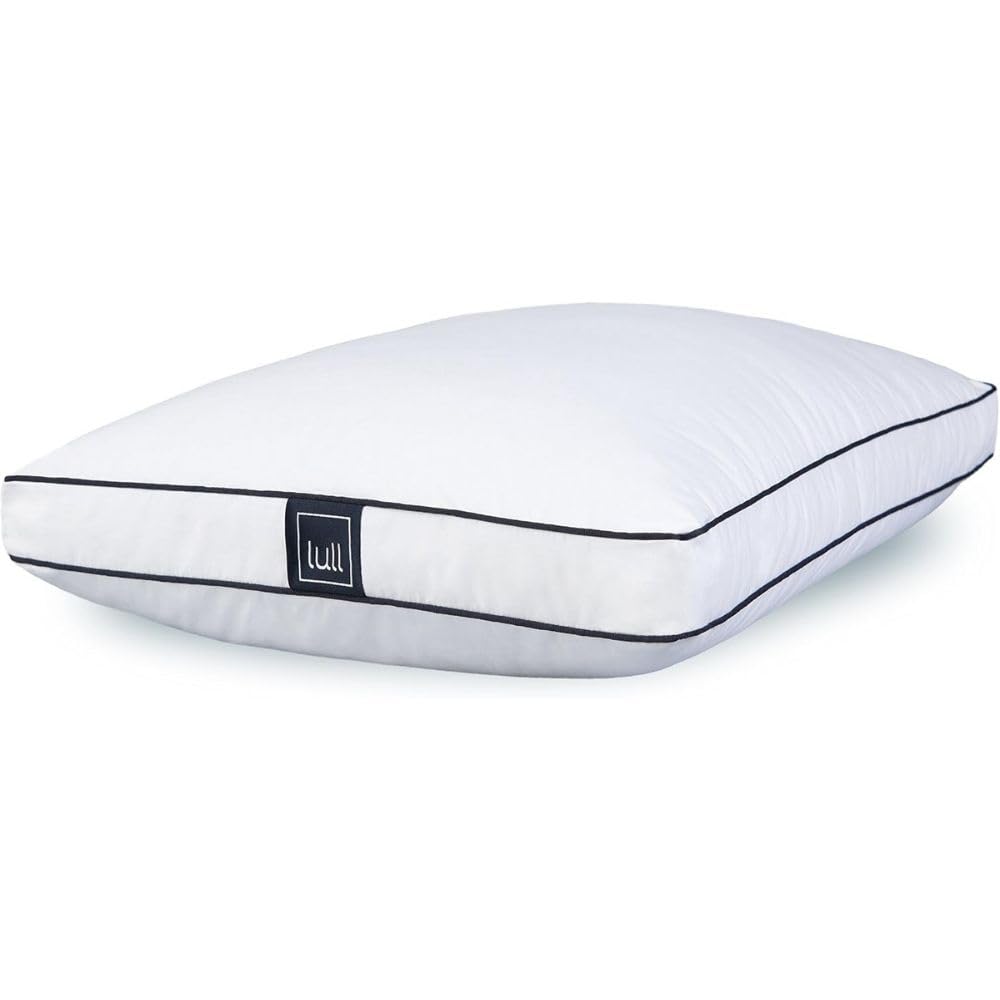

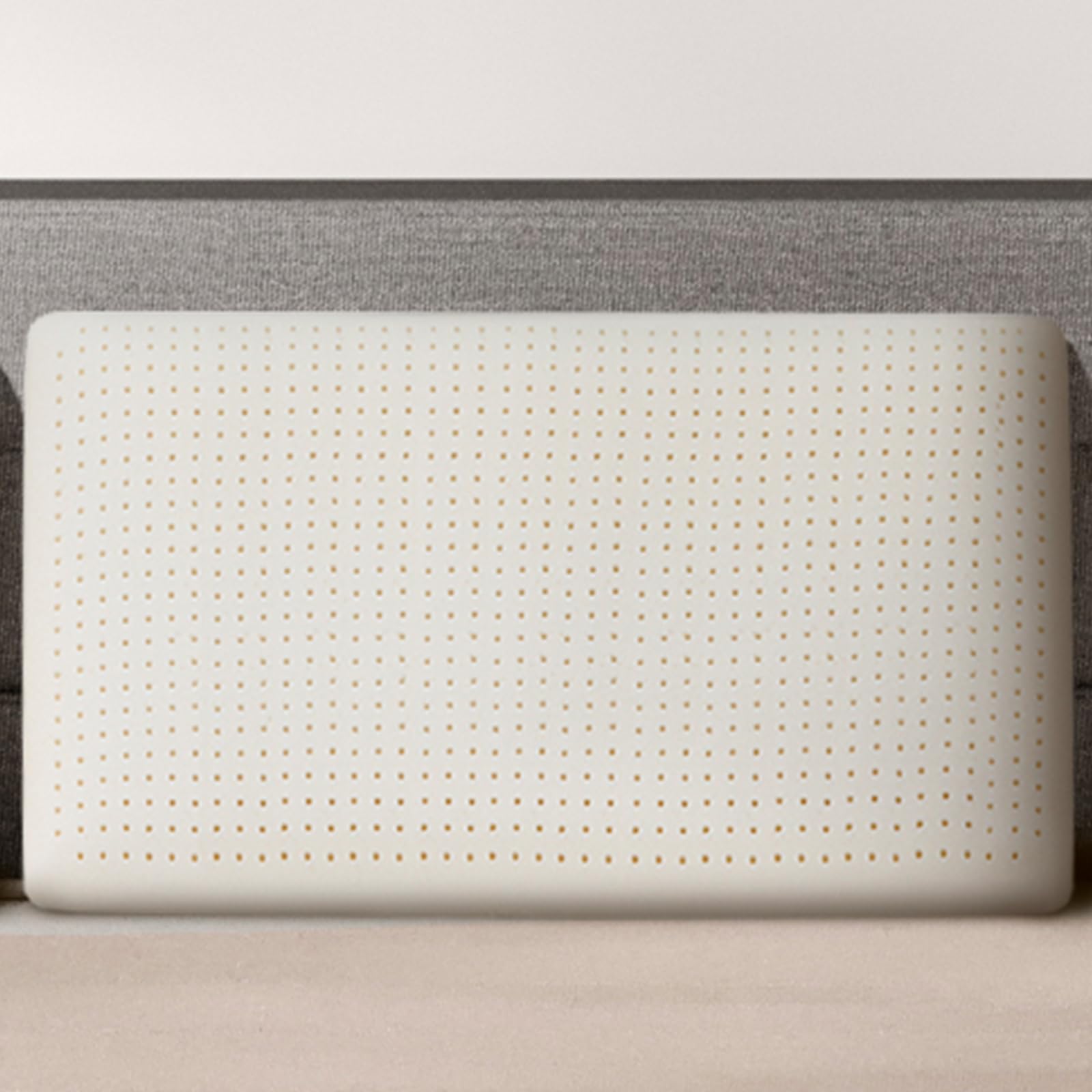
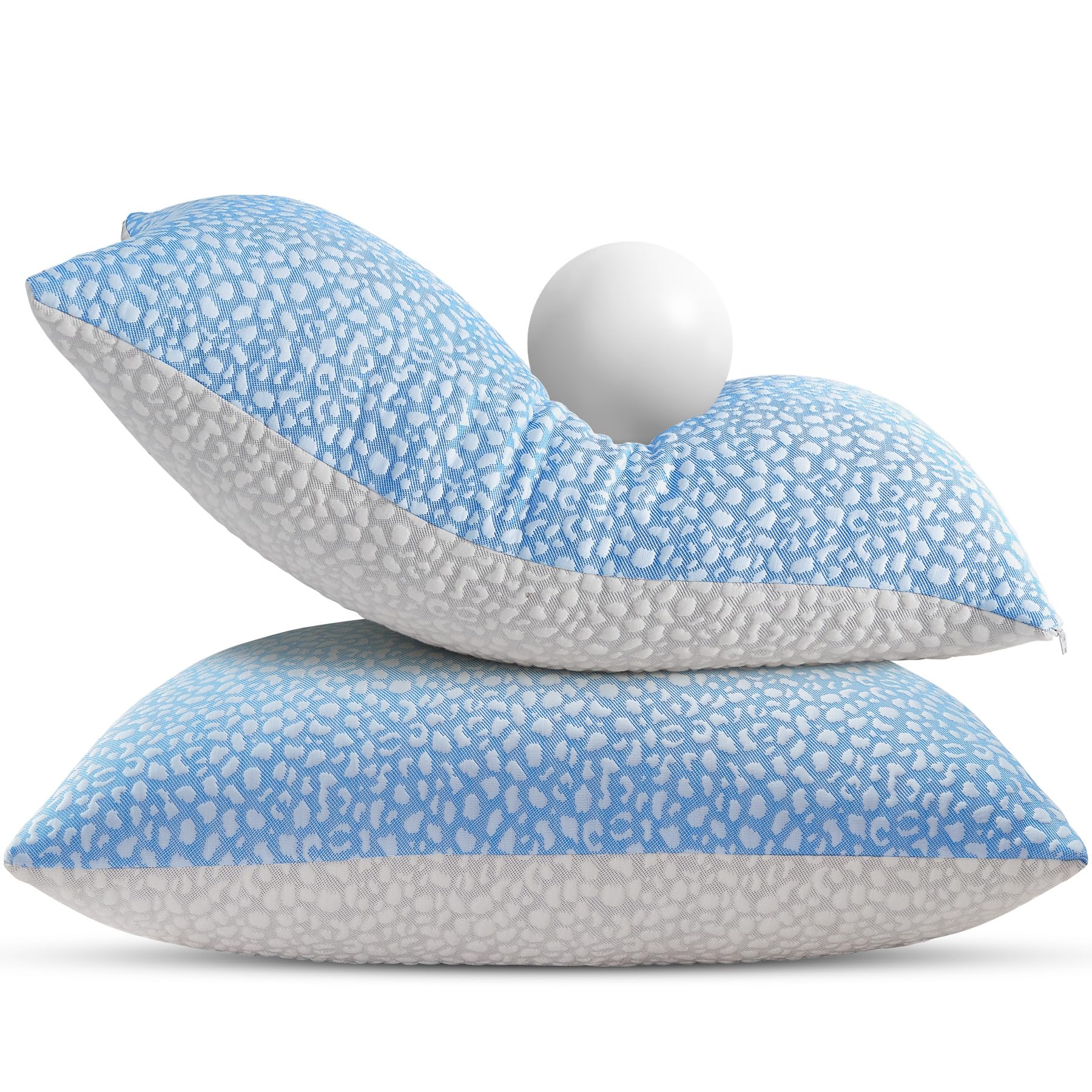

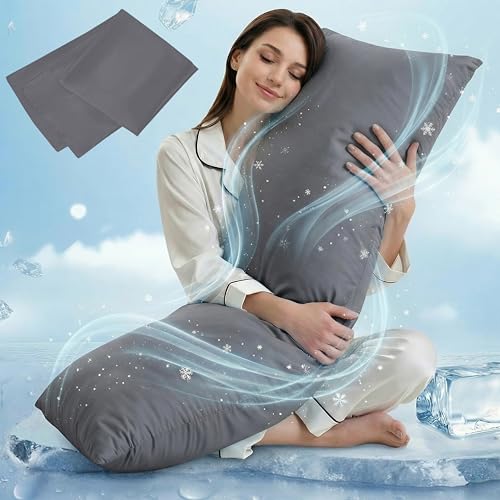


Breathable Pillows 101: The Basics for First Time Buyers
A breathable pillow moves air through its fill and cover while you rest. Dense materials slow that movement and hold body heat close to your skin. Open structures, loose fills, and woven covers let warm air escape and cooler room air take its place.
Breathability is not the same as a cold feel on first touch. Some cooling fabrics feel cool for a few minutes and then warm up like any other surface. Lasting comfort comes from steady airflow over hours. If you want a broader view first, see our guide to the best ranked pillows for general pillow types and feels.
Who Should Buy Which Breathable Pillows?
Match the pillow to your sleep position and heat pattern first. The same loft and fill can feel perfect for one sleeper and wrong for another.
Hot Sleepers Who Wake Up Warm Through the Night
You need airflow as the top priority, not just a smooth cover with a cool first touch. Look for loose or perforated fill, a woven cotton or linen cover, and no thick plastic style protector. A medium feel often works well, because a very soft pillow wraps around your face and reduces the surface that can release heat.
Side Sleepers Who Need Cooling With Neck Support
You need enough loft to fill the space between your ear and your shoulder while air still moves through the fill. A medium firm pillow with adjustable fill lets you fine tune that height after a few nights. If neck discomfort matters as well as heat, see our guide to the best pillows for neck problems.
Back and Stomach Sleepers Who Need a Lower Loft
You need a thinner pillow that keeps your head level with your spine. Back sleepers often do well with medium loft and gentle support under the neck curve. Stomach sleepers need the lowest, softest option, because a high pillow bends the neck upward for hours. Loose fill suits both groups, since you can shift fill to lower the height.
Key Features to Compare
Compare these six factors in order. The best breathable pillows combine a fill and cover that move air with loft and firmness that keep your neck level.
Fill Material and How Air Moves Through It
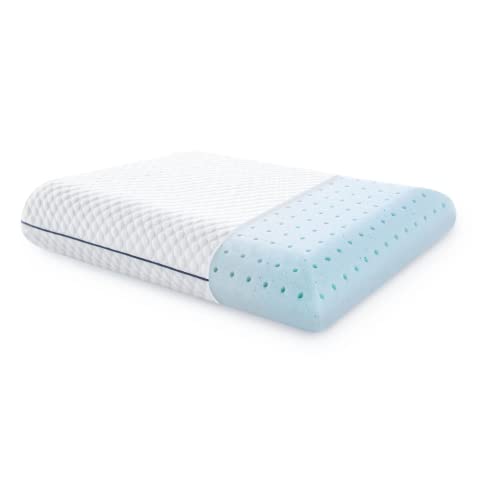
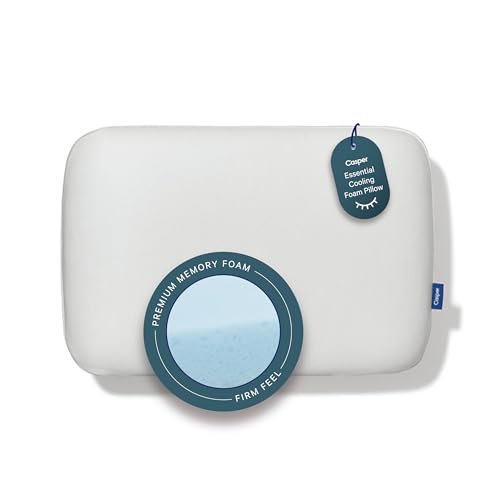
Solid memory foam holds its shape and eases pressure, but dense foam traps heat unless it has holes or an open structure. Shredded memory foam lets air pass between pieces and lets you adjust loft. Natural latex with pin holes moves air well and springs back fast. Down feels soft but can flatten, while down alternative fibers cost less and wash more easily. Buckwheat hulls allow strong airflow but feel firm and can make noise.
Cover Fabric, Thread Count, and Moisture Control
The cover is the first layer your skin meets, so its weave matters as much as the fill. Cotton percale has a crisp, plain weave that lets air pass and suits warm sleepers. Cotton sateen feels smoother but denser, so it often sleeps warmer. Linen absorbs moisture and dries well, though it feels textured at first. Fabric made from bamboo pulp can pull moisture from skin, but its airflow depends on how tightly it is woven.
Ventilation Design and Cooling Details
Look for features that give air a path out of the pillow, not only a cool sounding cover name. Perforations through foam, mesh side panels, and channel cuts help warm air leave when your head compresses the fill. Cooling fabrics with a dense surface may feel cool at first touch, yet still sleep warm if the core has no vents. Choose steady ventilation over a brief cool sensation.
Loft, Firmness, and Pressure Relief
Loft is pillow height, and firmness is how much it resists your weight, so judge both together. Side sleepers often need about 4 to 6 inches of loft, back sleepers about 3 to 5 inches, and stomach sleepers about 2 to 3 inches. Good pressure relief spreads weight without letting your neck tilt. Persistent neck pain, numbness in your arms, or headaches on waking need a doctor, so talk with your clinician about personal needs. For heat plus soreness, see our guide to the best pillows for sore neck.
Size and Fit for Your Bed and Pillowcase
Pillow sizes are simpler than many first time buyers expect. A standard pillow measures about 20 by 26 inches, a queen about 20 by 30 inches, and a king about 20 by 36 inches. Match the pillow to your pillowcases, because a loose case bunches and a tight case compresses loft and reduces airflow. Leave a little room inside the case so fill can expand.
Certifications, Durability, and Sleep Trial
CertiPUR US means foam has been checked for certain emissions and content limits, while OEKO TEX labels signal testing for harmful substances in textiles. Neither label guarantees cooling, so treat them as safety checks, not airflow proof. Durable fills regain shape after fluffing and resist flat spots. Most breathable pillows cost about $30 to $90, and a sleep trial of 30 to 100 nights helps you judge heat at home.
Getting Started: Setup and First Use for a New Breathable Pillow
Open the pillow in a ventilated room and let it expand and air out for several hours. Fluff it by hand from all sides so the loft feels even. If the fill is adjustable, start with the full amount and remove a small handful only after two or three nights.
Fit a breathable protector and a woven pillowcase, then check your alignment from the side. Your nose should line up with the center of your chest, with no sharp bend at the neck. Give your body about a week to adjust before you judge loft.
Rookie Mistakes to Avoid
First time buyers often chase a single claim and miss the factor that decides comfort all night.
- Choosing a pillow only for a cool first touch leaves you warm again once the surface absorbs your body heat.
- Buying the highest loft for side sleeping strains your neck if your shoulders are narrow or your mattress is very soft.
- Sealing a breathable pillow inside a thick waterproof protector blocks airflow and cancels the cooling you paid for.
- Judging a new pillow after one night leads to returns before your neck and shoulders have time to adjust.
- Ignoring the care label ruins loft and airflow when a fill that needs spot cleaning goes through a full wash.
Care and Maintenance for Breathable Pillows
Use a breathable protector without a plastic backing and wash that protector often, because oils and sweat build up at the surface and slow airflow. Fluff the pillow each morning to reopen air paths and restore loft. Air the bare pillow in shade for a few hours each month to release moisture and odors.
Spot clean stains promptly with mild detergent and water, then press moisture out with a towel. Keep the pillow dry and uncompressed in storage, away from direct heat.
Breathable Pillows: Your Questions Answered
What firmness is best in a breathable pillow for back pain?
A medium firm breathable pillow is usually the best starting point for back pain, because it supports the neck curve without lifting the head too high. Back sleepers with broader shoulders may need slightly more loft. Keep a note of morning stiffness for the first week, since a steady pattern tells you more than one sore morning after a long drive.
Are breathable pillows with cooling fabrics worth it for hot sleepers?
Yes, breathable pillows with cooling fabrics are worth it for hot sleepers when the fill also lets air move. A cool touch cover over a dense, solid core gives only brief relief. Pair the cover with perforated or loose fill for comfort that lasts past the first hour. In a very warm room, lowering room temperature still helps more than any fabric claim.
How do you wash a breathable pillow safely at home?
You wash a breathable pillow safely by following its fill label first, because latex and solid foam should not go in a standard machine wash. Fiber and down alternative fills often tolerate a gentle cycle with little detergent. Run an extra spin, and rotate with a dry spare while it airs, since thick fill can take a full day to dry at the center.
Is a higher thread count always better for a breathable pillow cover?
No, a higher thread count is not always better for a breathable pillow cover, because very dense weaving leaves less space for air to pass. For hot sleepers, a moderate count in a plain percale weave often breathes better than a much higher count in a tight sateen weave. Hold the fabric to light, since a cover that blocks most light usually blocks more air too.
How often should you replace a breathable pillow for cooling comfort?
You should replace a breathable pillow when it stays flat after fluffing or holds odors after airing, which often happens after about 1 to 2 years for fiber fills and later for latex. Fold the pillow in half and let go. A pillow that stays folded has lost the spring that supports airflow and alignment.
The Bottom Line
For your first purchase, put airflow and loft ahead of every other claim. Choose a fill and cover that let heat escape, match height and firmness to your sleep position, and use the sleep trial to confirm the feel at home.
When you compare best breathable pillows with those points in mind, use the product table above to check size, fill, and price. The right pillow will feel almost forgettable at night, cool and level, so you can focus on sleep.