Best Breathable Blankets Buying Guide 2026
Disclosure: We may earn a commission when you buy through links on this page, at no extra cost to you. As an Amazon Associate I earn from qualifying purchases. Learn more
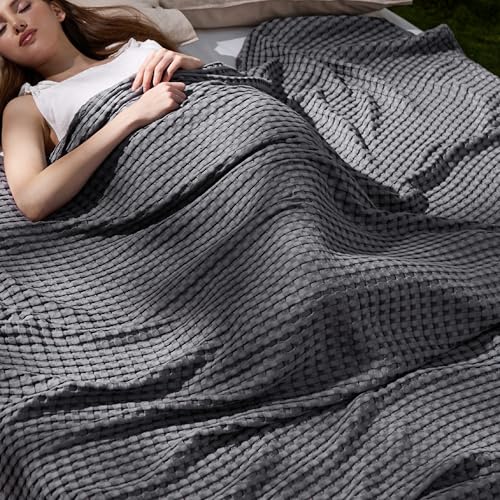
Best breathable blankets compared by fabric, weight, and size, with practical checks to run before you order.
A blanket that traps heat turns a good night into a restless one. Breathable blankets solve that with open weaves, natural or plant based fibers, and a weight that covers you without smothering you. This guide to the best breathable blankets explains which fabrics move air best, how to choose a size and weight, and which mistakes lead to sweaty nights. The table above gives you a shortlist, and the sections below show how to compare it.
The main idea is simple: breathability comes from the weave and the fiber, not from thinness alone. A loosely woven cotton blanket can feel cool and substantial, while a thin synthetic one can feel clammy.






Fabrics That Breathe Best
Cotton
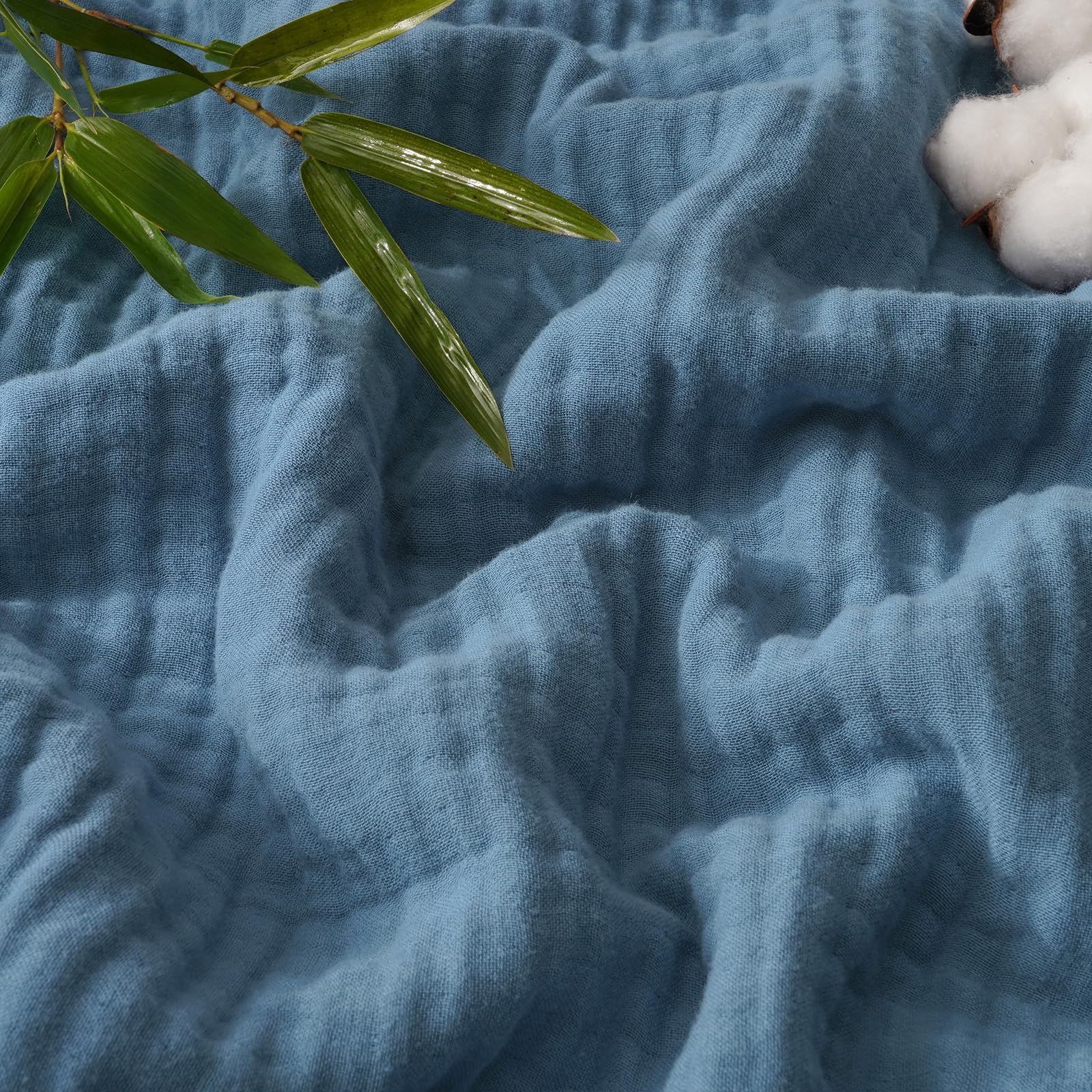
Cotton is the all round choice. Waffle weave, muslin, and percale constructions all let air move, and cotton absorbs moisture and washes easily. Waffle weave adds texture that lifts the blanket off your skin, which helps hot sleepers. Muslin feels light and softens with every wash.
Bamboo derived fabrics
Blankets made from bamboo viscose or rayon feel smooth, drape well, and tend to feel cool to the touch. They wick moisture and suit people who sweat at night. Look for blends with cotton for durability, and wash them gently according to the care label, since these fibers can wear faster under rough treatment.
Linen
Linen is among the most breathable fibers, dries quickly, and softens with age. It feels crisp and airy, which suits hot climates and warm bedrooms. It wrinkles easily and costs more, but a good linen blanket lasts for years.
Wool and blends
Fine wool regulates temperature and moves moisture away from the skin, so it can suit cooler seasons. Heavy wool is too warm for summer, and some people find it itchy, so choose a lightweight knit or a blend for year round use.
Fabrics to be careful with
Tightly woven polyester, thick fleece, and heavy microfiber trap heat. They feel cozy in winter but often cause night sweats in a warm room. If a listing calls a blanket breathable, check the fiber content and weave, not just the label.
Choosing the Best Breathable Blankets for Your Sleep
Match the blanket to your room and habits. Warm sleepers and summer beds suit waffle cotton, muslin, or linen. Sleepers who sweat at night often prefer bamboo derived or cotton blends. People in cool bedrooms can layer a light breathable blanket over a duvet rather than switching to a heavy synthetic cover.
Weight matters too. A lightweight blanket in the range of one to three pounds feels airy, while a heavy weighted blanket holds more warmth even when it is made of cotton. If you like weighted blankets, look for open knit or cooling designs and check the fill material, since glass beads and poly pellets behave differently from natural fibers.
Size, Fit, and Layering
Choose the size by bed size and by how much overhang you want. A queen bed usually needs a queen or king blanket for full coverage, and a blanket that is too small pulls off during the night. If two people share a bed, a larger size or two separate blankets avoids the tug of war that wakes both sleepers. Check exact dimensions in the listing, since sizes vary by maker.
Layering gives you control. A breathable blanket over a thin sheet suits summer, adding a light duvet or a second blanket handles winter, and you can peel layers off as the night warms up. That flexibility is why many people prefer two light layers to one heavy cover. For more on warmth and options, see our guide to the best quality blankets and the best throws and blankets.
Features to Check Before You Buy
- Fiber content listed clearly, with the percentage of cotton, linen, bamboo derived fiber, or wool.
- An open weave or knit that you can see light through when held up.
- A weight that feels comforting without pressing on the body.
- Machine washable fabric that keeps its softness and does not shrink badly.
- Finished edges and even stitching, which help the blanket last through repeated washing.
- Clear care instructions, so you know the temperature and drying method to use.
Common Mistakes to Avoid
Many buyers choose the thinnest blanket and then feel cold, or the warmest and then overheat. Breathability is about airflow, not thinness. Another common mistake is trusting the word cooling on a label without checking the fiber, since some cooling claims rely on a surface finish that fades after washing. A third is buying a size that matches the mattress exactly, which leaves no overhang once the bed is made and the blanket tucked.
Also think about washing. A blanket that is hard to clean will stay on the bed longer between washes and collect sweat and dust. Pick something that goes in your machine, and wash it often enough to keep the fibers fresh.
Care and Long Term Value
Wash breathable blankets as the maker directs and avoid high heat drying, which can shrink natural fibers and flatten waffle texture. Air drying or a low heat cycle preserves softness and airflow. Shake the blanket outdoors from time to time to freshen the fibers, and store it clean and dry in a breathable bag rather than a sealed plastic box.
A quality cotton or linen blanket usually costs more upfront than a thin synthetic one but lasts several years and improves with washing. Plan a budget that covers one good blanket per season rather than several cheap ones that pill or lose shape. Prices commonly run from about $20 for a basic cotton waffle blanket to $100 or more for linen or bamboo blends. If you also want warmth for cold nights, our guide to the best heated blanket covers a different approach to winter comfort.
Frequently Asked Questions
What material is most breathable for a blanket?
Cotton, linen, and bamboo derived blends are among the most breathable options. Linen allows the strongest airflow, cotton offers balanced comfort and easy care, and bamboo derived fabrics feel smooth and moisture friendly. Avoid tightly woven synthetics if overheating is your main problem.
Are breathable blankets warm enough for winter?
They can be when layered. Use a breathable blanket over a light duvet or add a second layer on cold nights. Layering lets you adjust warmth without trapping heat, which works better than one heavy cover.
How do I stop a blanket from making me sweat?
Choose a natural, loosely woven fabric, keep the bedroom temperature moderate, and wear light sleepwear. If sweating is new, severe, or unexplained, talk with your clinician, as it can have health causes.
What size blanket should I buy?
Match the blanket to your bed size, then go one size larger if you like generous coverage or share the bed. Check exact dimensions in the listing, because sizes vary by maker.
Can breathable blankets help allergy sufferers?
Natural, washable blankets can help if you wash them regularly at the temperature the label allows, since regular washing reduces dust. If allergies are severe, ask a clinician or allergist for advice.
Final Thoughts
Pick the fabric first, then the weight and size, and let washing ease decide between close options. A loosely woven cotton, linen, or bamboo derived blanket usually keeps you cooler than any thin synthetic. Compare your shortlist against the table above, and when you choose the best breathable blankets for your bed, plan on layering so the same blanket works through the changing seasons.