Best Box Spring and Mattress Sets: A Practical Guide for 2026
Disclosure: We may earn a commission when you buy through links on this page, at no extra cost to you. As an Amazon Associate I earn from qualifying purchases. Learn more
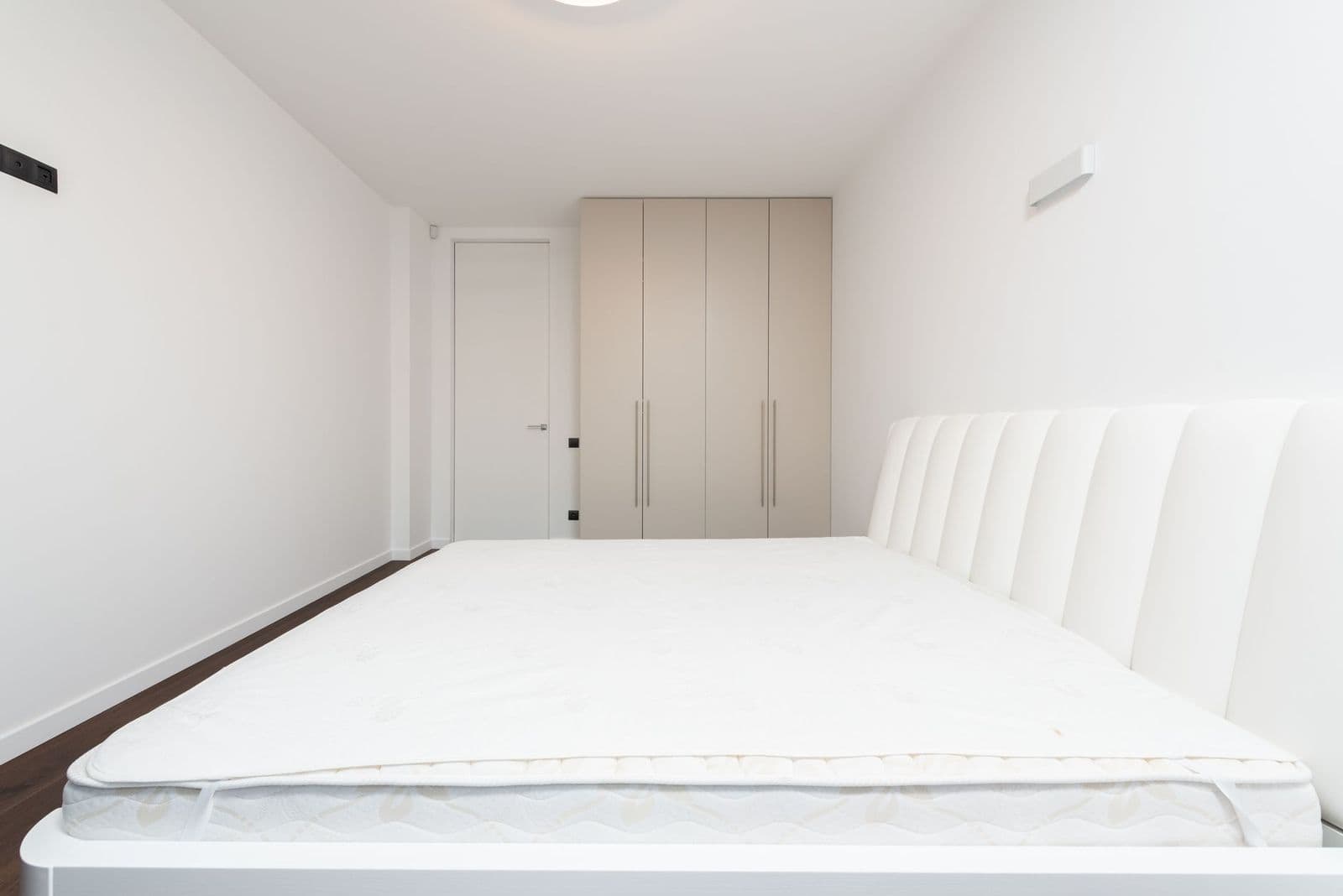
A practical guide to the best box spring and mattress sets: support, height, size, frame fit and delivery checks.
Buying a matched mattress and foundation is easier when you know how the two parts work together. This guide to the best box spring and mattress sets explains how to choose support and firmness, bed height, size and frame fit, and what to check before delivery. It is an informational guide, because the right set depends on your mattress type, your frame and the way you sleep.
A set pairs a mattress with a foundation, usually a box spring, so the two are designed to carry weight together. Buying them as a pair can simplify compatibility and keep warranty terms clear, but only if you check a few details first.
What a Mattress and Box Spring Set Includes
A traditional box spring is a wooden frame covered in fabric, sometimes with springs inside, that sits between the mattress and the bed frame. Modern foundations often use a rigid frame with slats or a steel grid and no springs at all. Either way, the job is the same: give the mattress an even, stable base and raise the bed to a comfortable height.
Not every mattress needs a box spring. Platform beds with closely spaced slats can support a mattress directly, and adding a foundation there may make the bed too tall. Check your frame before you shop, since the frame decides whether a foundation helps or just adds height.
Choosing the Best Box Spring and Mattress Sets for Your Sleep Style
Side Sleepers
Side sleepers usually prefer a medium to medium soft mattress that lets the shoulder and hip sink in a little. A firm foundation underneath keeps the mattress from sagging and helps the surface hold its shape.
Back and Stomach Sleepers
Back and stomach sleepers tend to prefer medium firm to firm surfaces, which keep the hips from sinking too far. Make sure the foundation is rigid and level, because a soft base can undo a firm mattress.
Couples
Couples should look at motion isolation, edge support and size. A king or queen set gives each person room, and a sturdy center support in the foundation prevents the middle from dipping. Test how the bed feels when one person moves, if the return policy allows it.
Guest Rooms and Kids' Rooms
For rooms used occasionally, a simple innerspring or foam mattress with a basic foundation is usually enough. Choose a durable cover and a size that fits the room, and avoid paying for premium comfort layers that will rarely be used.
Key Features to Compare
Support and Firmness
Firmness is personal, but support is not. A good set keeps the spine in a neutral line and does not sag in the middle or at the edges. Check the mattress type: innerspring, hybrid and foam each respond differently to a foundation. Foam and hybrid mattresses generally need a flat, rigid base, while innerspring mattresses work well on a traditional spring foundation.
Total Bed Height
Add the mattress height to the foundation height and the frame height. A standard foundation adds about nine inches, and a low profile one about five. A bed that is too high can be hard to climb into, while a bed that is too low can be hard to rise from, especially for older sleepers.
Size and Frame Fit
Match the foundation size to the mattress and the frame. Standard sizes are twin, full, queen and king. Check that the frame has a center support and rails wide enough for the foundation, and confirm the weight capacity of the whole bed, including people.
Mattress Warranty Requirements
Some mattress warranties require a specific type of foundation, with slat spacing within a set limit. Read the warranty before you buy, and keep the receipt and tags. Using the wrong base can void coverage, even when the mattress itself is sound.
Standard and Low Profile Sets Compared
Standard foundations suit thinner mattresses and traditional frames, while low profile versions suit tall mattresses and sleepers who prefer a lower bed. Platform friendly foundations are built to sit on modern frames and often have a flat steel or wood surface. Whichever you choose, add up the total height before you order, and picture the bed in your room.
If you are comparing a complete set against buying each part separately, our guide to the best mattresses and box springs covers the trade offs. Buyers with a large bed can also read about the best king size mattress and box spring sets.
Delivery and Setup
Measure doorways, hallways and stairs before you order. A box spring is bulky and does not bend, which makes tight turns a problem. Some foundations ship in two pieces for this reason, and a split design is worth considering for narrow stairs.
Once the set arrives, remove the packaging, place the foundation on the frame, and let the mattress expand fully before judging comfort. Many mattresses need several hours, and some need a day or two, to reach their full shape. Use a mattress protector from the first night to keep the warranty valid.
Care and Long Term Use
Rotate the mattress on the schedule the maker suggests, keep the foundation dry and ventilated, and check the frame slats and fittings once a year. Tighten loose joints to stop squeaks, and replace the foundation when it sags or no longer supports the mattress evenly. Replacing the foundation along with the mattress often gives the best result, because the two parts work as a system.
For related reading on single parts, see our guides to the best spring mattresses and the best box springs.
Common Mistakes to Avoid
- Ordering without measuring doorways and stairs.
- Putting a foam mattress on widely spaced slats or an old, sagging box spring.
- Ignoring total bed height, then finding the bed too tall or too low.
- Skipping the warranty terms about foundation type.
- Buying a thick mattress and a standard foundation for a bed frame that is already tall.
Frequently Asked Questions
Do I need a box spring with a new mattress?
It depends on your frame and the mattress. Platform beds with closely spaced slats can support many mattresses directly, while traditional frames usually need a foundation. Check the mattress maker's guidance, since it names the supports that keep the warranty valid.
Can I use an old box spring with a new mattress?
You can if it is level, quiet and fully supportive. A sagging or squeaking foundation will make a new mattress feel uneven and may shorten its life. When in doubt, replace the foundation along with the mattress.
How long do a mattress and box spring last?
Many last around eight to ten years with good care, though heavy use and moisture can shorten that. Replace them when they sag, develop noticeable dips or stop feeling supportive.
What size set should I buy?
Choose the size that fits your room and your sleeping habits. A queen suits most couples, a king gives extra room, and twin or full sizes suit single sleepers and smaller rooms. Measure the room so you can walk around the bed comfortably.
Is it worth buying a set instead of separate pieces?
A set can simplify compatibility and warranty questions, and it often costs less than buying the parts one by one. Buying separately gives you more control over firmness and height. Compare the total price and the warranty terms before deciding.
Final Thoughts
Check your frame, match the foundation to the mattress type, add up the total bed height and measure the path into the bedroom. Those steps decide whether the best box spring and mattress sets feel right on the first night and stay quiet for years. Read the warranty, protect the mattress from day one and replace worn parts together.