
Best Breathable House Slippers Made Simple for 2026: A Clear Buying Guide
Disclosure: We may earn a commission when you buy through links on this page, at no extra cost to you. As an Amazon Associate I earn from qualifying purchases. Learn more

Best breathable house slippers compared by airflow, grip, and fit, with practical checks to run before you order.
If your feet run hot indoors, ordinary slippers can feel like tiny ovens by mid morning. Breathable designs solve that with airy uppers, moisture managing linings, and shapes that let heat escape. If this is your first pair, the best breathable house slippers are simply the ones that keep your feet dry and comfortable without giving up grip or support.
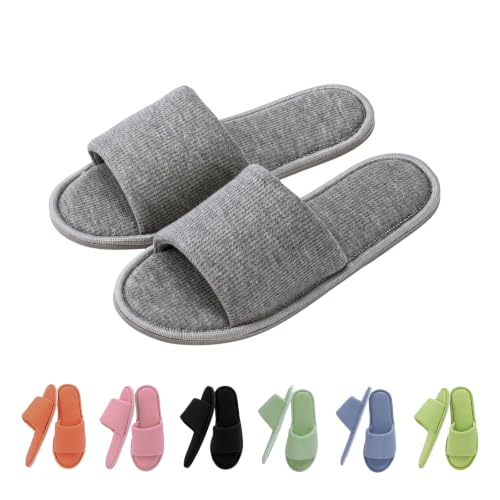
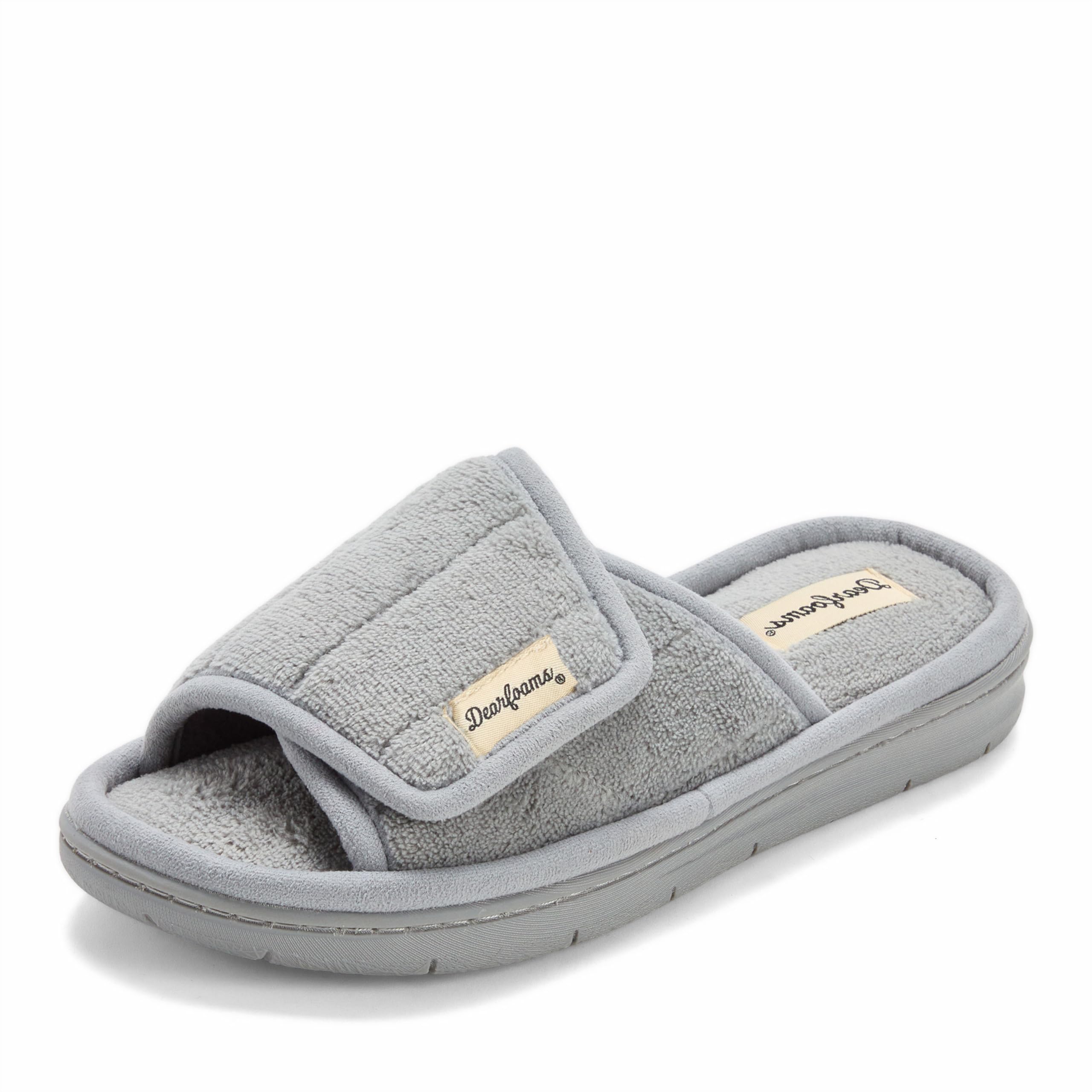
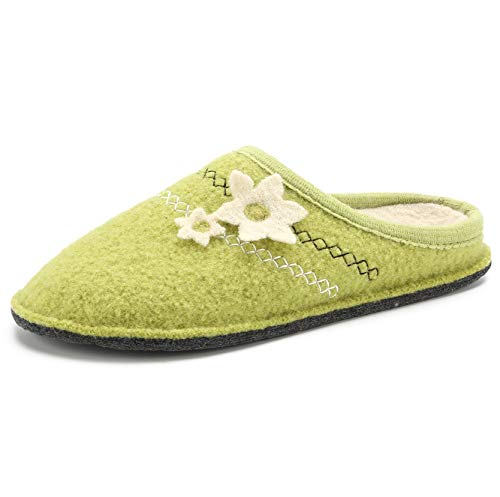
This guide starts with the basics, explains each key spec in plain English, and ends with simple first steps once your pair arrives. No jargon without a translation, and no need to know footwear terms in advance. The comparison table below shows the main styles side by side.







Breathable House Slippers 101: The Basics
A breathable house slipper is indoor footwear built to move air around the foot. Open toe and slide styles expose more skin, while closed styles use mesh, knit, perforated leather, or unlined natural fibers to vent heat. The goal is the same: less trapped sweat, less odor, and steady comfort across a full day at home.
Three parts decide how a slipper feels. The upper controls airflow and fit. The footbed, the surface under your foot, controls cushioning and moisture. The outsole, the bottom layer, controls grip on wood, tile, and carpet. When you shop, judge each part separately. A soft upper cannot fix a slippery sole, and a great sole cannot fix a sweaty lining.
Breathability also depends on your home. Warm floors, humid climates, and hours of standing all raise the need for airflow. If your feet sweat in regular shoes too, favor open designs and natural or mesh materials. If your home is cool, a breathable knit with light coverage may balance warmth and airflow better.
Key Specs Explained in Plain English
Fit, Sizing, and Toe Box
Measure your feet in the afternoon, when they are at their largest, and compare the length with the size chart for the exact style you want. Slipper sizing varies more than shoe sizing, and many styles come in whole sizes only. If you fall between sizes, most makers suggest sizing up for open styles and following their chart for closed ones.
The toe box is the space around your toes. A wide toe box lets toes spread, which improves balance and reduces rubbing in warm weather when feet swell slightly. Your toes should not press the front or hang over the edge of the footbed. A secure heel or a back strap matters too, since a loose slipper makes your toes grip with every step.
Outsole Traction and Terrain
Your terrain is your flooring. Smooth leather or fabric soles can slide badly on tile and polished wood, while rubber outsoles with tread patterns grip far better. Look for a full rubber outsole if you carry laundry down stairs, step onto a damp bathroom floor, or go out to a porch or mailbox.
Tread depth for slippers is shallow by design, but the pattern still matters. Small lugs or textured waves shed water better than a flat surface. Flex the slipper in your hands if you can. A sole that bends naturally at the ball of the foot feels easier to walk in than a stiff board, especially on carpeted stairs.
Upper Materials and Breathability
Mesh and engineered knit uppers move the most air and dry fast after washing, which suits very warm feet. Cotton terry feels soft and absorbs sweat, though it dries more slowly. Perforated leather breathes moderately and holds its shape well, while wool naturally manages moisture and odor but can feel warm in summer heat.
Linings matter as much as uppers. An unlined or lightly lined slipper vents better than one with thick fleece. Removable insoles are a bonus, since you can air them out or wash them separately. If odor is a concern, choose materials you can wash often. For general style comparisons, see our guide to the best house slippers after this one.
Durability and Expected Lifespan
A good pair of house slippers lasts about one to two years of daily indoor use, though soft foam footbeds often flatten sooner. Signs of wear include compressed cushioning that no longer rebounds, smooth spots on the outsole, and stretched uppers that let your foot slide. Rotating two pairs, if budget allows, extends the life of both.
Stitching quality predicts lifespan better than thickness. Even stitches, firm attachment between upper and sole, and a footbed that does not peel at the edges all point to careful making. Machine washable pairs simplify care but may age faster with frequent hot washes, so follow the care label and air dry to protect glues and foams.
Break In Period and Comfort Out of the Box
Most breathable slippers need little break in time. Knit and mesh styles should feel comfortable right away, while leather uppers may need a week of short wears to soften and shape to your foot. Memory foam footbeds often feel plush at first, then mold slightly and feel firmer after a few days, which is normal.
Comfort out of the box should include a stable heel, no rough seams over the toes, and cushioning that supports rather than swallows your foot. Wear new slippers around the house for an hour before removing tags, so you can return them if the fit is off. Your feet should not work to keep the slipper on.
Rookie Mistakes to Avoid
- Buying your shoe size without checking the size chart, since slipper sizing often runs smaller or larger than expected.
- Choosing style over sole grip, then slipping on tile or wood where a rubber outsole would have kept you steady.
- Ignoring arch support because the slipper feels soft, when flat foam can leave feet and heels aching after long days.
- Picking thick warm linings for a warm home, which defeats the breathability you wanted in the first place.
- Keeping a flattened, worn out pair for years, long after the cushioning and tread have stopped doing their jobs.
Support deserves one more note. If you stand on hard kitchen floors for hours, look for a contoured footbed with real arch support rather than flat padding. Our guide to the best support house slippers explains support features in more depth.
Getting Started: Setup and First Use
When your slippers arrive, check both feet, not just one, since feet often differ slightly in size. Walk on your hardest floor and on carpet, and test a few stairs if you have them. Remove any packaging from the outsole, and if the footbed is removable, take it out once so you know how it fits back in.
For the first week, wear the slippers for normal home routines and note any hot spots, sliding, or heel lift. Keep the box until you are sure. Air the pair out overnight rather than sealing them in a closet, which helps moisture escape. If an older relative shares your home, our guide to the best house slippers for elderly covers stability features for less steady walkers.
Wash or wipe the footbeds as soon as odor starts, not after it sets in. Readers shopping for women specific fits can also see our guide to the best ladies house slippers for sizing notes. And when seasons change, our guide to the best winter house slippers covers warmer options for cold floors.
FAQs
How long is the break in period?
For most breathable house slippers, the break in period is short, from a single wear for knit and mesh styles to about a week for leather. Wear them for an hour or two at a time at first. If a spot still rubs after a week of regular use, the fit is likely wrong rather than the material still softening.
Do I need waterproof shoes?
No, you do not need waterproof slippers for normal indoor use, and waterproof membranes usually reduce breathability. What you do want is a rubber outsole that grips damp bathroom or kitchen floors. If you often step outside to a wet porch or garden, choose a water resistant sole unit and an upper that dries fast, such as mesh.
How often should I replace my breathable house slippers?
Replace them when the cushioning stays flat, the tread smooths out, or the upper stretches so much that your foot slides. For daily wear that is often every one to two years. A simple test helps: if your feet or heels ache after a normal day at home and the slippers look compressed, the support is likely spent.
Are expensive breathable house slippers worth it?
They can be, if the higher price buys a contoured supportive footbed, a real rubber outsole, and washable durable materials. Those features pay off for people who stand for hours or have sore feet. If you wear slippers only briefly in the evening, a simple mid priced pair with good airflow and grip covers your needs well.
How should breathable house slippers fit?
They should fit snugly enough that your foot does not slide, with room for toes to spread and no pressure at the front. Your heel should sit fully on the footbed, not over the back edge. Walk and turn as you test the fit. A slipper you must grip with your toes to keep on is the wrong size or shape.
Can I wear them all day?
Yes, if the pair has real arch support, cushioning that has not flattened, and a stable sole. People with foot pain, diabetes, or circulation problems should ask a doctor or podiatrist about indoor footwear, since barefoot time and support needs vary by person. Rotate pairs if you can, and air them out daily to keep the materials fresh.
The Bottom Line
For a first pair, focus on three things: an airy upper that suits your home temperature, a toe box and fit that let your feet relax, and a rubber outsole that grips your floors. Add arch support if you stand a lot. Compare your shortlist with the product table above, check the size chart twice, and keep the box until the fit proves itself. Chosen that way, the best breathable house slippers keep your feet cool, dry, and steady all day at home.


