
Best Breast Pumps For Work 2026
Disclosure: We may earn a commission when you buy through links on this page, at no extra cost to you. As an Amazon Associate I earn from qualifying purchases. Learn more

Best breast pumps for work compared by portability, battery life, and cleaning time, with practical checks to run before you order.
The best breast pumps for work fit a working day, not just a nursery. The right choice balances portability, discretion, battery life, and easy cleaning with a comfortable fit that you can rely on several times a day. This guide explains those trade offs so workday pumping feels manageable.
The comparison table below gives an overview of pump types, while the sections that follow explain routine, storage, and workplace planning. A pump that suits your commute, your workspace, and your schedule will serve you better than a powerful model that is awkward to carry or slow to clean.
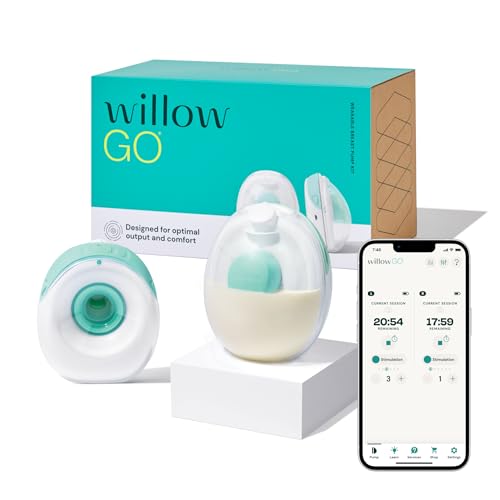
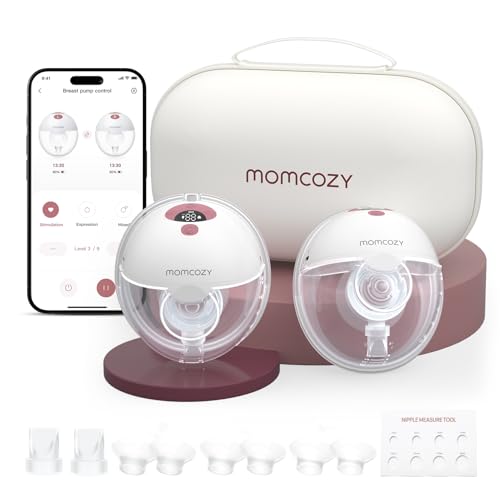
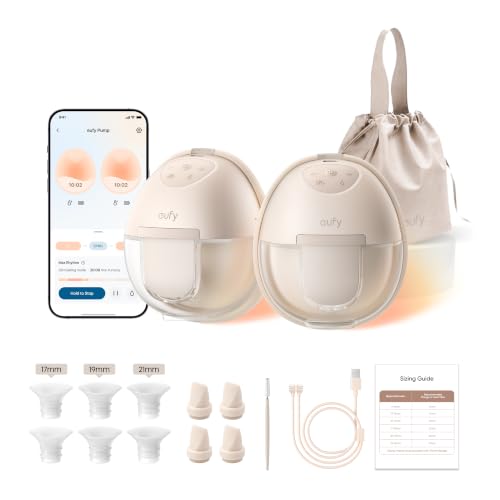

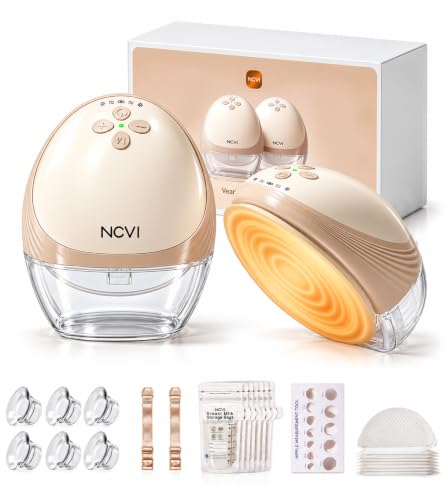

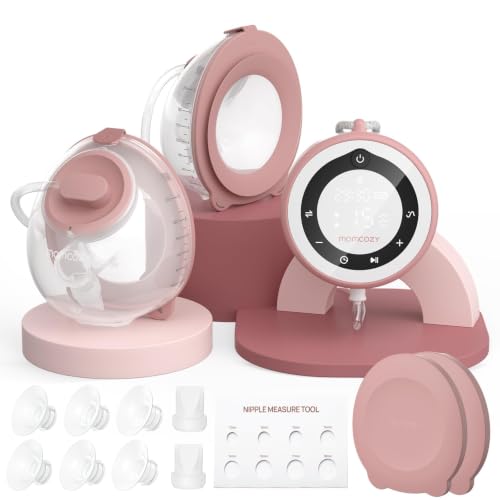
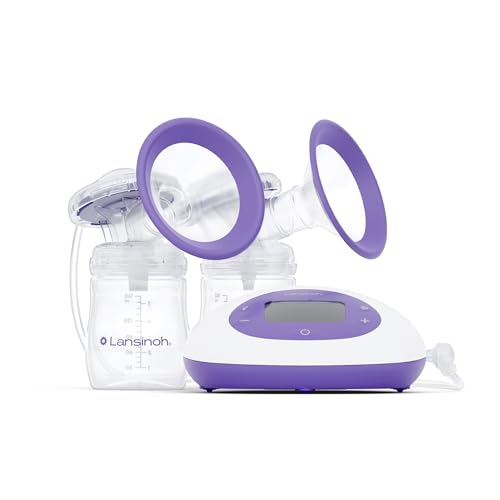
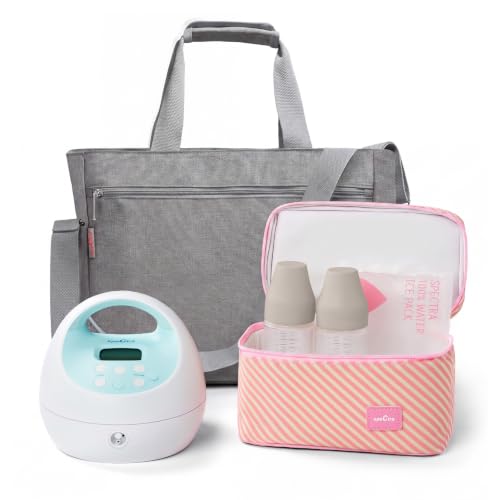
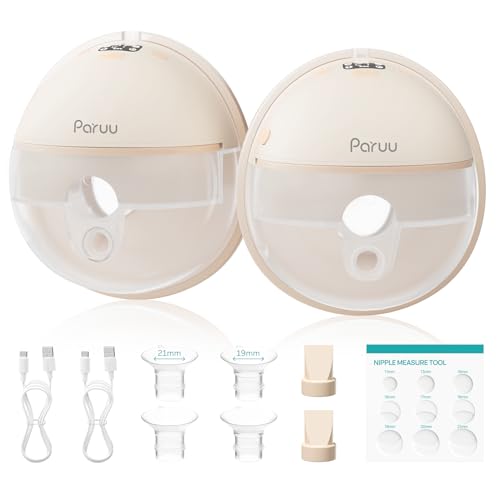
Who Should Use This Guide
For Office Workers
Office workers need a pump that is quiet, compact, and easy to pack between sessions. A bag with organised compartments for bottles, parts, and a cooler helps keep workday pumping discreet and tidy. Check whether your workplace offers a private room, and plan session times around meetings where possible.
For Workers on the Move
Workers who travel between sites or spend time in vehicles need battery life and a robust case above all. Wearable styles can help when privacy is limited, though output varies by fit. Always prioritise safety: never pump while driving, and plan stops where you can sit comfortably.
For Shift Workers
Shift workers face irregular hours and limited breaks, so a fast, easy to clean pump matters greatly. Double pumping saves time, and spare parts in your bag prevent a broken valve from ruining a shift. Talk with a supervisor early about break timing and a private space.
Key Features to Compare
Portability and Weight
Portability decides whether a pump actually travels with you every day. Weigh the pump with bottles and cooler together, not just the motor alone, and check bag fit. A lighter setup that you carry happily beats a heavier one that gets left behind on busy mornings.
Battery Life and Charging
Battery life should cover your full workday plus a margin, since charging points may be scarce. Check how long a full charge lasts at your usual settings and whether the pump can run while charging. A USB charging option adds flexibility for cars and offices.
Noise and Discretion
Noise matters in shared workspaces and thin walled rooms, so look for quiet operation and a discreet bag. Wearable pumps hide well under clothing, but traditional pumps in a closed room are also private. Test noise at home before relying on a pump in a quiet office.
Cleaning Between Sessions
Workday cleaning should be quick and simple, ideally with parts that rinse easily and dry fast. Carry spare valves and membranes, a small brush, and sealed bags for used parts. If your workplace lacks a sink nearby, plan a cleaning kit that works with bottled water and wipes approved for pump parts.
Types Worth Knowing
Portable Electric Double Pumps
Portable electric doubles are the most common work choice, offering speed and adjustable settings in a carry friendly size. They suit regular workday sessions and pair well with a cooler bag. Choose one with a battery that covers your day and parts you can clean quickly.
Wearable Handsfree Pumps
Wearable pumps sit inside a bra and let you work with your hands free, which helps in busy jobs. Output varies with fit, so compare results over a week rather than judging one session. They also need careful cleaning and charging, so factor those routines into your day.
Manual Pumps as Backup
A manual pump makes a useful backup for travel days, power cuts, or a forgotten charger. It is light and silent, though slower for regular use. Keeping one in your work bag prevents a missed session from becoming a stressful day.
Routine, Storage, and Common Mistakes
Build a simple workday routine: pack the night before, keep a checklist in your bag, and store milk in labelled containers in a cooler or fridge promptly. Plan session times that fit your meetings and commute, and keep a spare set of parts for emergencies. A calm routine reduces forgotten items and rushed sessions.
A common mistake is choosing a pump for home power and forgetting battery needs at work, or buying a wearable pump without checking output over several days. Another is skipping flange checks after returning to work, when stress and schedule changes can make fit feel different. Recheck fit early and ask a lactation consultant for help if pumping becomes painful.
Before you order, confirm your workplace pumping space, your commute bag size, and your usual session count per day. Test the pump at home for noise, battery, and cleaning time, and keep the product table above in mind as a starting point. If pain, swelling, or fever appears, talk with a clinician promptly rather than pushing through.
A Closer Look at Workday Planning
Packing the night before transforms workday pumping, since morning rushes cause forgotten parts and stressful starts. Use a checklist taped inside your bag lid covering pump, bottles, cooler, spare valves, and cleaning supplies. A calm packed bag sets a calmer tone for the whole workday.
Workplace conversations go better with a clear, practical request covering timing, space, and storage rather than a vague ask for flexibility. Suggest specific break windows and a private room, and offer to adjust around key meetings. Managers usually respond better to concrete plans than to open ended requests.
Commute planning matters for parents who pump before leaving, during breaks, or immediately on return. Keep a small kit in the car or office for emergencies, including a manual pump and sealed bags. A backup plan prevents one forgotten item from ruining an entire day.
Clothing choices can make workday pumping faster and more discreet, with front opening tops and layers that allow access without full undressing. Test outfits at home before wearing them to work, and keep a spare top in your bag for leaks. Small wardrobe choices reduce daily friction noticeably.
Colleague awareness helps when handled sensitively, since most coworkers respond supportively once they understand the routine. You need not share details, but a brief explanation of break timing prevents misunderstandings. Privacy remains your choice, and a simple explanation usually suffices.
Finally, review your workday routine after the first two weeks and adjust session timing, bag contents, and storage based on what actually happened. Early routines are drafts, not final plans, and small tweaks compound into much easier days. Keep what works and drop what does not without guilt.
Frequently Asked Questions
How many times should I pump at work?
The right number depends on your baby age, your work hours, and your feeding plan, so there is no single answer for everyone. Many parents aim to mirror home feeding times during the workday. A lactation consultant can help you set a schedule that fits your job and your baby needs.
What do I need for storing milk at work?
You need clean labelled containers, a cooler bag with ice packs or access to a fridge, and a plan for getting milk home safely. Label each container with the date and keep milk cold until you reach home storage. Follow current storage guidance from your clinician or health service for times and temperatures.
Are wearable pumps good for office work?
Wearable pumps can be good for office work because they are discreet and handsfree, but output varies with fit and some parents get less milk than with a traditional double pump. Compare results over a week and keep a traditional pump as a backup if output drops. Fit and seal matter more than brand claims.
How do I ask my employer for pumping breaks?
Ask early, in writing if possible, explaining that you need a private space and regular breaks for pumping. Many workplaces have policies for this, and a clear request helps managers plan cover. If you meet resistance, check your local employment rules and ask for the policy in writing.
What if pumping at work becomes painful?
Stop and check flange fit, suction level, and parts for wear, since pain often signals a fit or parts problem rather than a need for more power. If pain persists, or you notice swelling, redness, or fever, talk with a clinician or lactation consultant promptly. Pumping should feel like gentle pulling, not sharp pain.
Related Guides
Workday pumping often pairs with other pump styles, so best pumps for work covers general work focused options and routines. For discretion on busy days, best handsfree breast pumps and best portable breast pumps explain wearable and portable trade offs in more detail.
Use these guides alongside the product table above when choosing a setup that fits your commute, your workspace, and your schedule.
Final Thoughts
Choosing best breast pumps for work comes down to a setup you can carry, charge, clean, and use comfortably several times a day. Portability, battery life, and fit matter more than headline power, and a calm routine matters more than any single feature. Test your choice at home before relying on it at work.
Use the product table above as a starting point, then match your shortlist to your commute, your breaks, and your storage options. With the right pump and a simple routine, workday pumping can fit into your day without taking it over.


