
Best Breast Pumps for Travel of 2026: Complete Buying Guide
Disclosure: We may earn a commission when you buy through links on this page, at no extra cost to you. As an Amazon Associate I earn from qualifying purchases. Learn more

Best breast pumps for travel compared by size, battery life, and noise, with practical checks to run before you order.
Travel changes what a breast pump has to do. Size, weight, battery life, noise, and how quickly parts rinse and reassemble all matter more away from home than any peak suction number. This guide to the best breast pumps for travel explains which pump types pack well, what to check before a trip, and how to keep milk safe on the way. The table above gives you a shortlist, and the sections below help you choose between the options.
The right travel pump is the one that fits your bag, runs for a full day on a charge, and works in an unfamiliar room without complicated setup. If it also empties you comfortably, it earns its place.
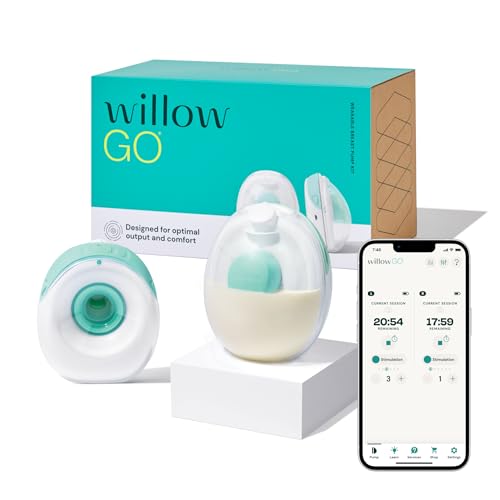
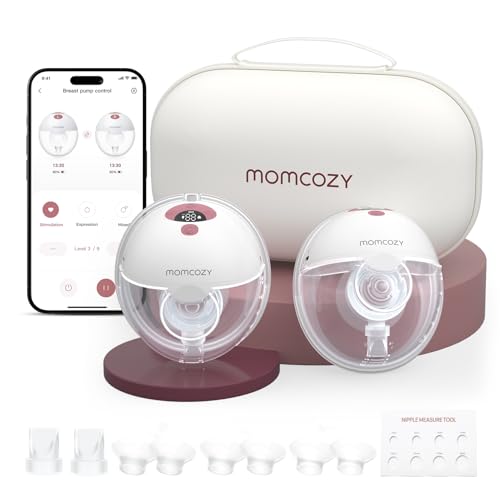
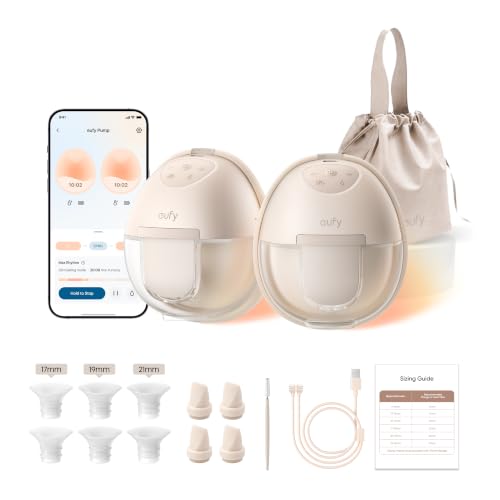

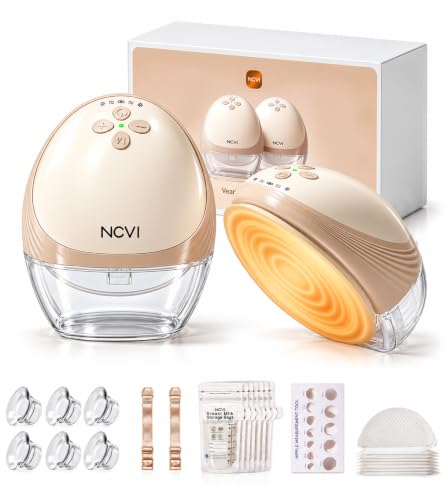

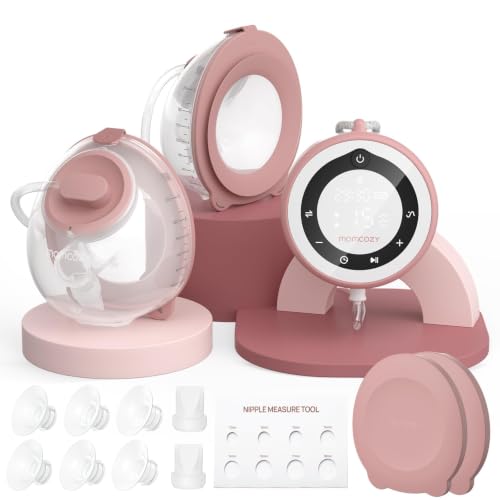
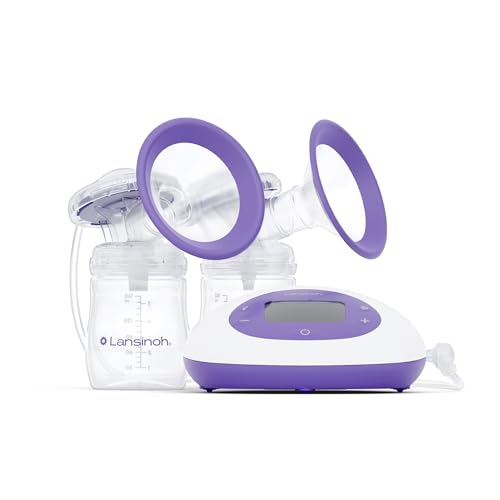
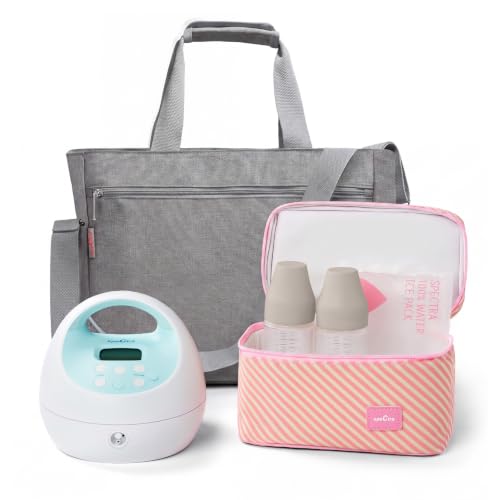
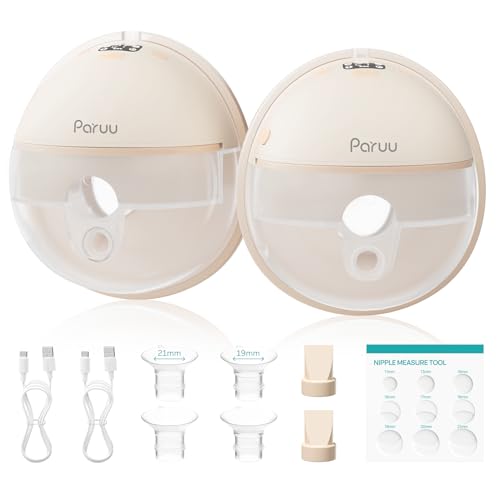
Types of Breast Pumps for Travel Compared
Wearable pumps
Wearable pumps sit inside a nursing bra, with the motor and cup in one unit, so there are no tubes or bottles to pack. They let you pump discreetly in a train seat, a meeting, or a car park, and they pack small. Cups hold less milk than standard bottles, fit depends on your body, and some parents find output lower than with a traditional pump. Our guide to the best handsfree breast pumps covers fit and capacity in more detail.
Portable double electric pumps
Compact double electric pumps keep a separate motor and bottles but shrink the case and add a rechargeable battery. Suction is usually close to a home pump, and both sides empty together, so sessions stay short. They suit work trips with a fixed room to pump in. For more on size and bag fit, see our guide to the best portable breast pumps.
Manual pumps
A manual pump weighs very little, needs no power, and makes almost no noise. It is a smart backup for a dead battery or a long delay, though it is slow and tiring for regular sessions.
Standard electric pumps
A full size electric pump can travel if you are staying somewhere with outlets, such as a hotel or relative's home. It is heavier, but it usually offers the most settings and the steadiest suction.
Key Features to Compare
Size and weight
Weigh the whole kit, not just the motor: bottles, parts, charger, cooler bag, and ice packs add up fast. Measure your carry-on or work bag and picture the kit inside it.
Battery life and charging
Count your likely sessions in a travel day and compare that number with the stated run time. USB charging helps in cars and airports, and a spare cable weighs almost nothing. Charge fully the night before.
Noise
A quiet motor is more discreet in shared spaces and on the move. Read what buyers say about noise at low settings, since listing claims vary.
Cleaning on the go
Choose parts that rinse and dry quickly, and carry a small brush, soap, and a clean container for used parts. A spare parts set means a clean set is always ready.
Flange fit
Fit decides comfort and output wherever you are. Measure the nipple across its base, check the sizes in the box, and pack spare sizes if your fit is not standard.
Work Trips, Holidays, and Daily Commutes
Different trips ask for different setups. On a work trip you usually have a few fixed pumping windows and need quiet, fast sessions, so a compact double electric pump or a wearable that fits under a blazer works well. Plan the room in advance: ask whether a private space and a fridge are available, and pack a small sign or lock if privacy is uncertain.
On a holiday the schedule is looser, but the surroundings are less predictable. A manual backup, a second set of parts, and a cooler bag cover most surprises, and a light pump you can set up on a bed or car seat helps when there is no table. For a daily commute, speed and battery matter most. Keep a labeled bag packed by the door, charge the pump each night, and rehearse the full routine at home so assembly takes two minutes, not ten.
Planning a Trip With a Breast Pump
Check airline and security guidance before you fly. In many places a breast pump counts as a medical item and does not use up a carry-on allowance, and pumped milk and ice packs are usually allowed through security when declared, but rules differ by airline and country, so confirm them in advance. Keep the pump and milk in your cabin bag rather than checked luggage.
Pack more than you expect to need: extra bottles or storage bags, a cooler bag with ice packs, spare valves and membranes, a charging cable and power bank, wipes, and a manual pump as backup. If you are staying in a hotel, ask whether the room has a fridge. Label milk with the date and time, keep it cold, and follow current storage guidance from your health provider.
Budget and Total Cost
Manual pumps often cost about $20 to $50. Portable double electric pumps usually fall between $100 and $250, and wearable systems typically range from $150 to $450. Many health plans cover a standard electric pump, so check coverage before buying a second travel pump. Our overview of the best ranked breast pumps shows how common ranking points compare.
Common Mistakes to Avoid
- Packing a pump you have never used away from home, then discovering a fit or assembly problem on the trip.
- Counting on a single charge for a long day with no backup cable or power bank.
- Leaving spare valves and membranes at home.
- Buying a wearable as your only pump without knowing your output with it.
- Forgetting a cleaning plan, which makes late sessions harder than they need to be.
Care on the Road
Rinse parts soon after each session, wash with soap and clean water when you can, and air dry on a clean towel or in a mesh bag. Use hot soapy water and a dedicated brush at your destination rather than a shared hotel sink sponge. Sanitize as the maker directs, and ask your pediatrician which routine suits a young or medically fragile baby. If pumping hurts, output drops, or you notice a painful lump, redness, or fever, contact your clinician or a lactation consultant.
Frequently Asked Questions
Can I take a breast pump on a plane?
In most cases yes, but check airline and security guidance for batteries, liquids, and cabin bag allowances before you travel. Keep the pump and milk in your carry-on.
How do I clean pump parts while traveling?
Rinse promptly, wash with soap and clean water when you can, and dry parts on a clean surface. Pack a small brush and a spare parts set so you always have a clean set ready.
Are wearable pumps good for travel?
Wearable pumps are discreet and pack small, but output and fit vary, so try one at home before relying on it for a trip.
How many bottles should I pack?
Pack enough clean bottles or storage bags for your expected sessions, plus spares for delays.
Do I need a cooler for pumped milk while traveling?
A cooler with ice packs helps keep milk cold while you travel. Follow current storage guidance from your health provider for times and temperatures.
Final Thoughts
Choose for the way you travel: a wearable for discretion, a compact double electric pump for fixed work trips, and a manual pump as a backup. Measure the kit against your bag, check the battery against your day, and pack spare parts. Compare your shortlist against the table above, and when you pick the best breast pumps for travel for your routine, run a full practice session at home first. Talk with your clinician or a lactation consultant about personal needs.


