
Best Breast Pumps For Small Breasts: Complete Buying Guide for 2026
Disclosure: We may earn a commission when you buy through links on this page, at no extra cost to you. As an Amazon Associate I earn from qualifying purchases. Learn more

Best breast pumps for small breasts compared by flange fit, cup shape, and pump type, with practical checks to run before you order.
Smaller breasts do not mean less milk, and they do not mean a different kind of pump. They do change a few practical details, mostly how a wearable cup sits and how a bra holds the shields in place. This guide to the best breast pumps for small breasts separates the myths from the details that really matter: flange fit, cup shape, bra support, and the pump type that suits your routine. The table above gives you a shortlist, and the sections below help you narrow it.
The most useful fact to start with is that flange size follows your nipple, not your cup size. A small chest can need a large flange, and a large chest can need a small one, so measure instead of assuming.


Does Breast Size Change Which Pump You Need?
Milk production depends on glandular tissue and how often milk is removed, not on outer size. Parents with small breasts pump the same volumes as anyone else, and the same pump types work for them. What differs is fit. A bulky wearable cup may gap at the sides on a small frame, and a tubed pump may need a snug bra to keep the shields level. Those are fit questions, and they are solved with measuring, bra choice, and a few trial sessions rather than a special category of pump.
Types of Breast Pumps for Small Breasts Compared
Double electric pumps
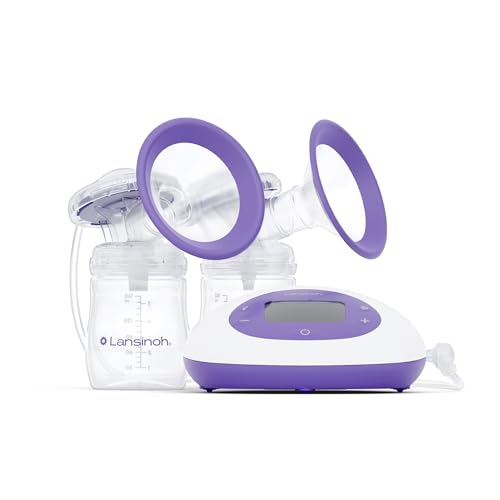
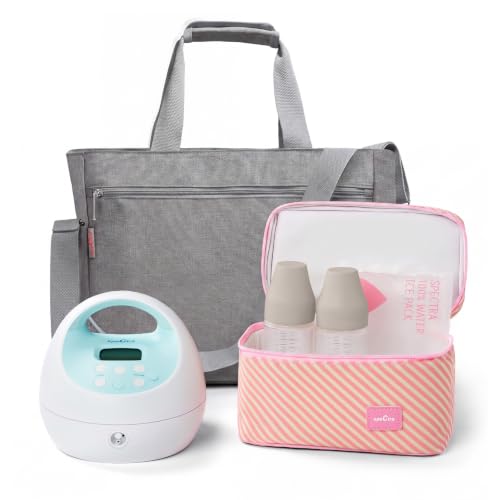
Standard double electric pumps use shields that attach to bottles, so they do not depend on cup volume or breast shape. That makes them the most predictable choice for small breasts. Both sides empty together, sessions are short, and a pumping bra or hands free band holds the shields in place. The trade off is the motor and tubing you need to carry.
Wearable pumps
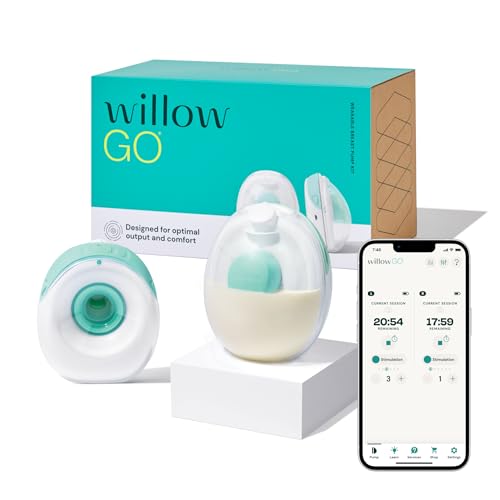
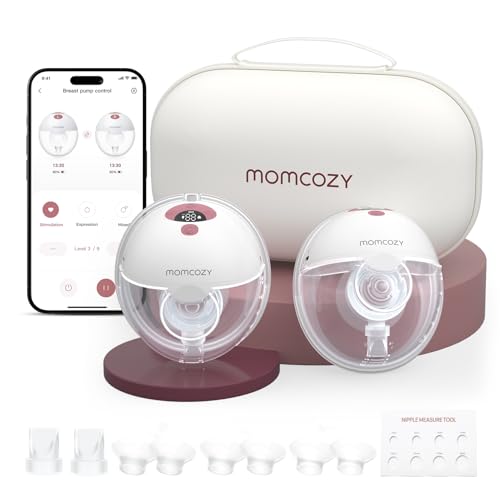
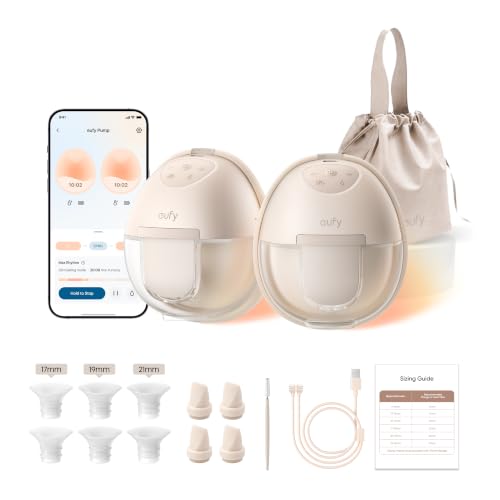
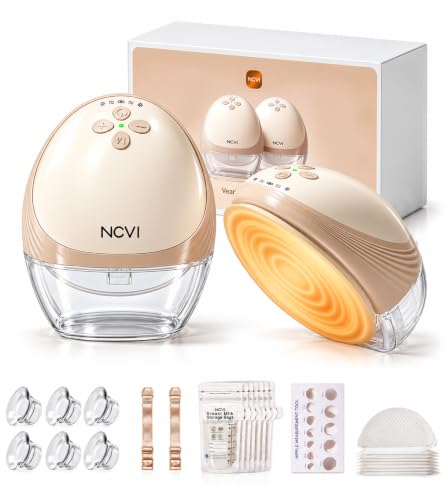
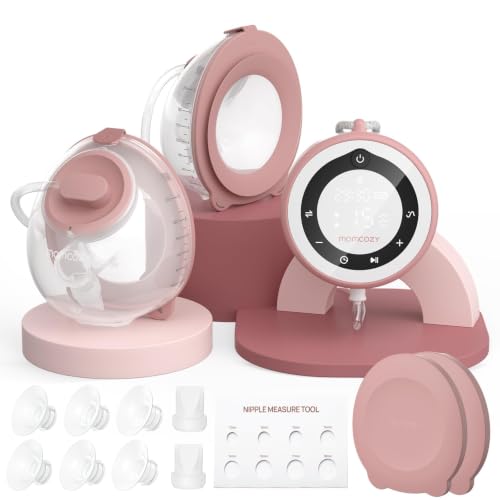
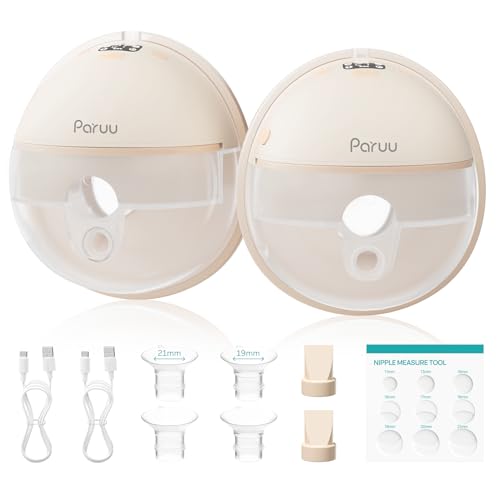
Wearable pumps sit inside a bra and are the type most affected by breast size. On a small chest, look for a low profile cup that sits flat against the body and a soft flange that seals without gaps. Check the return policy, because a cup that sits well for one person can slip on another. Our guide to the best handsfree breast pumps covers fit and capacity in more detail, and the best wireless breast pumps guide compares cord free designs.
Manual pumps
Manual pumps are light, quiet, and inexpensive, and a smaller handheld shield is easy to position. They suit occasional sessions and travel, though hand effort makes them tiring for frequent use.
Single electric pumps
Single electric pumps handle one side at a time, which doubles session length but costs less and weighs less. They work for parents who pump a few times a week.
Flange Fit: The Detail That Matters Most
Measure the nipple across its base at rest, in millimeters, and compare the number with the maker size chart. The tunnel should be slightly wider than the nipple so it moves freely without rubbing, and very little of the surrounding tissue should be pulled in. Many people with smaller breasts find standard shields too large, and some brands sell smaller flanges or soft inserts in steps of a few millimeters. Check which sizes come in the box and which are sold separately before you buy.
Signs of a poor fit include pain, a nipple that rubs the tunnel wall, redness that lasts after a session, or very little milk despite comfortable pumping. Change the size before you change the pump.
Bra Support and Positioning
A pumping bra holds the shields level and frees both hands. For a small chest, choose a bra with a firm band and stretch panels that grip without folding the shield rim, because a folded rim breaks the seal. Wearable cups depend even more on the bra: a snug, supportive bra keeps cups upright as they fill, while a loose one lets them slide. Try the setup at home before you rely on it at work. If a wearable cup shows a gap at the edge, a slightly smaller flange insert or a different bra often fixes the seal; if the cup still shifts when you lean, switch to a tubed pump for main sessions and keep the wearable for short, upright moments. Pay attention to how your skin looks afterward, and stop if you see marks that last or feel pinching.
Features Worth Paying For
Adjustable suction and speed
Separate controls let you start with a gentle stimulation phase and move to a slower expression phase. Small steps at the comfortable end of the range matter more than a high maximum number.
Quiet operation
If you pump at night or in a shared space, a quieter motor makes sessions easier to keep up.
Portability
A battery and a compact case help if you pump away from home. Our guide to the best portable breast pumps looks at size and bag fit.
Cleaning load
Fewer parts, wide openings, and dishwasher safe pieces save time. A second set of parts lets one set dry while you use the other.
Budget and Common Mistakes
Manual and basic single electric pumps often cost about $30 to $80, reliable double electric pumps about $100 to $250, and wearable systems about $150 to $400. Many health plans cover a standard electric pump, so check coverage first.
- Choosing a flange by bra cup size instead of measuring the nipple.
- Buying a wearable as your only pump before checking how the cup sits on your body.
- Turning suction up to fix a poor seal, which tends to cause soreness rather than more milk.
- Skipping spare valves and membranes, which weaken suction as they wear.
Care and When to Ask for Help
Wash parts that touch milk after each use in warm soapy water, rinse, and air dry fully. Replace valves and membranes on the schedule in the manual, and inspect shields and tubing weekly. Pumping should feel like firm tugging, never sharp pain. If you have persistent pain, cracked skin, a painful lump, spreading redness, or fever, contact your clinician or a lactation consultant promptly.
Frequently Asked Questions
Does breast size affect how much I can pump?
No, size does not predict supply. Output depends on glandular tissue, how often milk is removed, and comfortable, effective pumping, so parents with small breasts pump normal volumes.
How do I find the right flange size?
Measure your nipple across its base, compare it with the maker size chart, and judge comfort and flow during a session. If you are unsure, a lactation consultant can check the fit in person.
Are wearable pumps good for small breasts?
They can work well when the cup seals properly and the flange size is right. Cup shapes differ, so check fit guidance and return terms before relying on one.
How often should I clean a breast pump?
Clean milk contact parts after every use following the manual, wash your hands first, and dry parts fully before storage. Replace valves and membranes when output drops or parts look worn.
When should I seek help with pumping?
Seek help promptly if pumping hurts, output drops sharply, or you notice a blocked duct, fever, or signs of infection. A lactation consultant or clinician can check fit, technique, and breast health.
Final Thoughts
Match the type to your routine, measure for the flange, and make sure your bra holds the shields or cups securely. Those three steps solve most fit problems, whatever your size. Compare your shortlist against the table above, and when you choose the best breast pumps for small breasts for your day, keep the return policy handy in case a wearable cup does not sit right. Talk with your clinician or a lactation consultant about personal needs.


