
Best Breast Pumps for Nursing for 2026: Which One Fits the Way You Use It?
Disclosure: We may earn a commission when you buy through links on this page, at no extra cost to you. As an Amazon Associate I earn from qualifying purchases. Learn more

Best breast pumps for nursing compared by routine, fit, and portability, with practical checks to run before you order.
There is no single pump that suits every nursing parent, because routines differ more than product pages admit. One parent pumps at a desk five days a week, while another needs a bottle only for a weekly evening out. The best breast pumps for nursing for you are the ones that fit your schedule, your body, and your storage space.
This guide starts with how you will actually use the pump, then moves to features. Match the use case first and the feature list gets much shorter. The comparison table below shows the main types at a glance.
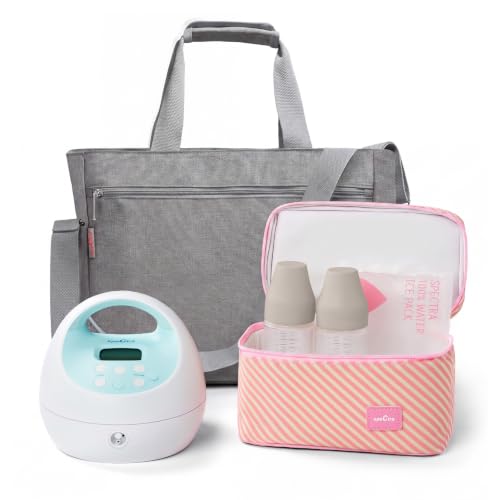
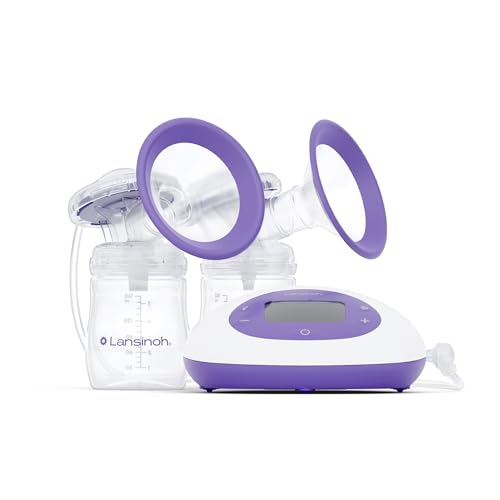


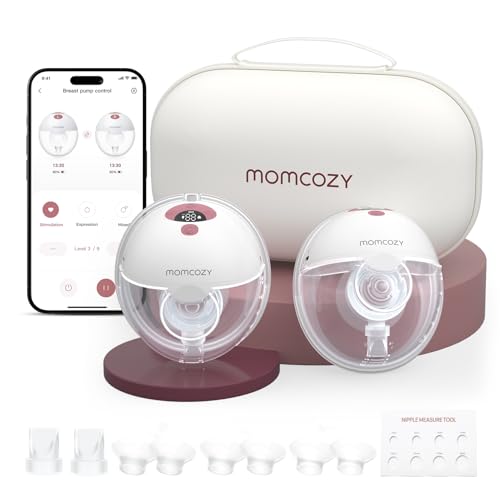
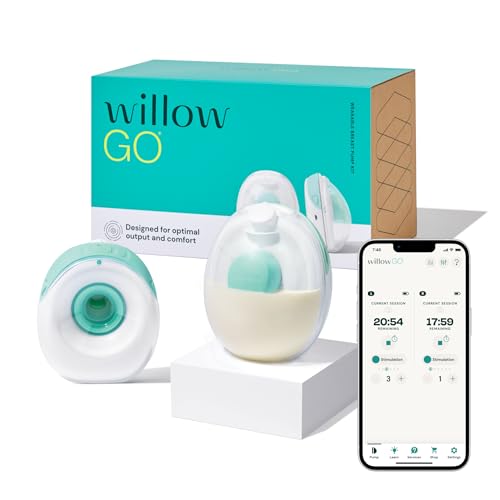


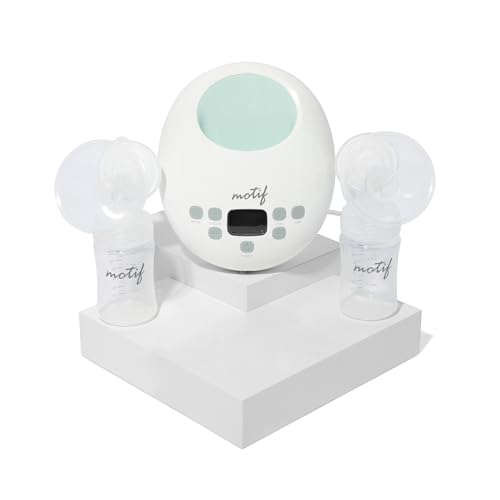
Who Should Buy Which Breast Pumps?
For Value Seekers
Value seekers should look at standard double electric pumps with widely available parts. These pumps balance price and durability well, because membranes, valves, and bottles are cheap to replace and easy to find. A corded model with an optional battery pack often costs less than a feature rich wearable.
Skip extras you will not use, such as app tracking you can do in a notebook. Spend instead on a second set of parts, which saves more time than most upgrades. If your budget is tight, check insurance coverage before paying retail, since many plans cover a standard pump fully.
For First Time Buyers
First time buyers do best with simple controls, clear instructions, and a pump that is forgiving about assembly. A standard electric pump with a letdown phase and an expression phase covers most needs without a steep learning curve. Look for bottles with clear markings and parts that only fit together the right way.
Avoid starting with a wearable as your only pump until you know your flange size and typical output. Wearables depend heavily on bra fit and placement. A lactation consultant can help with sizing at your first visit. Simple and reliable beats clever during the first sleep deprived weeks.
For Gift Shoppers
Gift shoppers should choose flexibility over a specific pump whenever possible. A gift card toward parts, a quality pumping bag, or a spare parts kit helps any parent, while a pump itself depends on insurance coverage and personal fit. If you do buy a pump, keep the receipt and confirm the return policy for unopened boxes.
Warranty support matters for gifts because the parent may register the pump months later. Choose widely sold types with parts in local stores, so a broken valve on a Sunday is not a crisis. Ask the parent or their partner what their plan covers before you spend.
For People Who Want the Best Performance
Performance focused parents pump often, sometimes exclusively, and need a motor built for many sessions a day. Premium double electric pumps deliver stronger and more adjustable suction, longer battery life, and quieter running. For heavy use, a hospital grade rental can be worth asking about for the first months.
Performance also means consistency. A pump that empties you well at a comfortable setting protects supply better than a stronger pump you dread using. If you are comparing options, our guide to the best ranked breast pumps explains how common ranking criteria differ. Prioritize fit and parts support alongside raw suction numbers.
Key Features to Compare
Portability and Size
Portability decides whether pumping happens at work, in a car, or only at home. A compact motor with a battery lets you pump where outlets are scarce, while wearable cups remove tubes entirely. Measure your work bag and your pumping space, not just the pump itself.
Also weigh the full kit. Bottles, a cooler, ice packs, and spare parts add bulk fast. Parents who commute by train often prefer the lightest setup that still empties well. If portability is your top need, see our guide to the best portable breast pumps for size focused advice.
Comfort for Baby and Parent
Comfort starts with flange fit. The nipple should move freely in the tunnel without rubbing, and pumping should not pinch or blanch tissue. Many parents need different sizes on each side, and size can change over months. Pain is a signal to refit, not a normal cost of pumping.
Cushion inserts and softer flange edges help some parents, and a pumping bra that holds flanges firmly frees your hands and improves posture. Comfort for your baby matters indirectly too. A calm, unhurried session usually yields more milk than a tense one, so a quiet motor and a private spot help.
Ease of Use for Tired Parents
Count the parts, then imagine washing them at midnight. Pumps with fewer pieces, wide bottle mouths, and dishwasher safe parts reduce daily friction. Controls should be usable with one hand, and a session timer prevents guesswork when you are half asleep.
Assembly errors are the top cause of weak suction, so designs that click together clearly are worth more than extra modes. Keep a printed quick start card near your pump for the first weeks. A spare assembled set of parts means a missed wash never cancels a session.
Safety Standards and Certifications
Look for BPA free food contact parts and a closed system that keeps milk out of tubing and the motor. Buy new from a trusted seller so you get the full warranty and genuine parts, and register the pump for recall notices. Used pumps designed for a single user carry hygiene and motor wear risks.
Follow maker guidance on replacing soft parts, since stretched membranes quietly cut suction. Use only the supplied power adapter, and never pump while a wearable or motor is charging if the maker warns against it. If your baby has medical needs, ask your pediatrician or an IBCLC for guidance before choosing.
Features That Matter for Nursing
Nursing parents pump to replace a feeding, to relieve fullness, or to build a small stash, and each goal favors different features. Replacing feedings during a workday calls for efficient double pumping and a battery. Occasional pumping calls for easy setup and small storage more than raw speed.
A gentle start phase that mimics a baby early sucking pattern helps trigger letdown for many parents. If you also nurse directly most of the time, consider how our guide to the best nursing pumps frames that mixed routine. Whatever you choose, flange fit and a realistic schedule matter more than the longest feature list.
Common Mistakes to Avoid When Buying Breast Pumps
- Buying on price alone, then paying more later for parts, inserts, and a second pump that fits better.
- Ignoring portability, so the pump stays home while you need it most at work or while traveling.
- Guessing flange size instead of measuring, which can cause pain and lower output from the first week.
- Skipping the warranty and parts check, then finding that valves or membranes are hard to source.
- Choosing a wearable as your only pump before you know your supply, fit, and daily pumping volume.
Care and Maintenance Tips
Wash parts that touch milk after every use, rinse well, and air dry fully on a clean surface rather than a used dish towel. Sanitize daily for young or medically fragile babies, following your pediatrician guidance. Replace membranes and valves as soon as suction drops, often every one to three months with regular use.
Store the motor dry, coil cords loosely, and keep a small kit with spare parts, nursing pads, and a spare shirt wherever you pump most. If freedom during sessions matters to you, our guide to the best handsfree breast pumps covers bra fit and placement tips. Regular care keeps suction strong and sessions shorter.
Breast Pumps: Your Questions Answered
What features matter most in breast pumps for nursing?
Flange fit, effective double pumping, and easy cleaning matter most for nursing parents. A comfortable fit protects tissue and supports output, while a two phase cycle helps trigger letdown. Battery power and a compact kit matter if you pump away from home. Extra modes and app features help only after those basics are covered well.
Is it covered by insurance?
Often yes. Many health plans cover one electric pump per birth, usually through an approved supplier and sometimes with a prescription. Wearable and premium types may need an upgrade payment. Call your insurer before ordering, ask which suppliers you must use, and confirm whether you can order before delivery or only after the birth.
Is a premium model really safer?
No. Safety depends on food safe materials, a closed system, intact parts, and proper cleaning, not on price. Premium models mainly add stronger motors, quieter operation, and more settings. A standard pump used correctly is a safe choice. Spend extra only when you pump often enough that speed and comfort gains show up daily.
When should I buy this before baby arrives?
Order during the third trimester if your plan allows early shipment, and practice assembly before the birth. Some suppliers ship after delivery, so order the paperwork early anyway. You may not need the pump in the first days if nursing goes smoothly, but having fitted flanges and clean parts ready removes pressure if plans change.
How do I clean and sanitize it?
Take parts apart, wash them in hot soapy water or the dishwasher if the maker allows it, rinse, and air dry completely. Sanitize with boiling water, steam, or a dishwasher sanitize cycle once a day for babies under two months or with health concerns. Never wash tubing unless the maker says to, and replace it if moisture or mold appears.
Wrapping Up
Start from your routine, then judge fit, cleaning load, and portability before price extras. Value seekers and first time buyers usually thrive with a simple double electric pump, while heavy users gain from premium strength. For electric focused comparisons, see our guide to the best recommended electric breast pumps, and check the product table above for current types. Matched well, the best breast pumps for nursing support your goals without adding stress. Talk with your clinician or lactation consultant about your personal needs.

