
Best Breast Pumps for Large Breast by Budget: A Buying Guide for 2026
Disclosure: We may earn a commission when you buy through links on this page, at no extra cost to you. As an Amazon Associate I earn from qualifying purchases. Learn more

Best breast pumps for large breast compared by flange fit, suction, and support, with practical checks to run before you order.
Prices range from under $50 for a manual pump to about $350 for a quiet double electric unit, and a larger chest makes fit matter more than raw power. The best breast pumps for large breast comfort start with a shield that fits your nipple and supports the full weight of your breast. Use the comparison table below to check flange ranges before motors.
Start with how often you will pump and where. A mother pumping once a day at home needs different support from a mother pumping three times at work. The sections below sort buyers by routine, then by price tier and features.
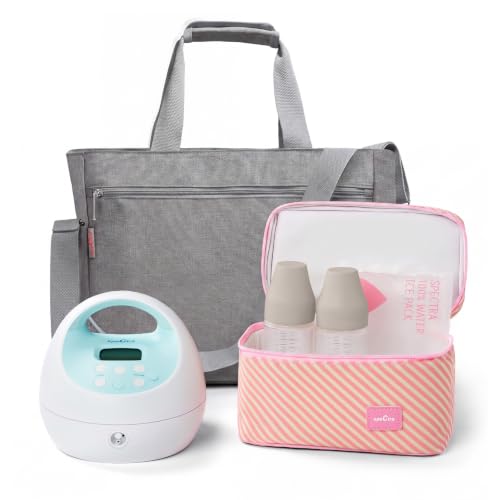
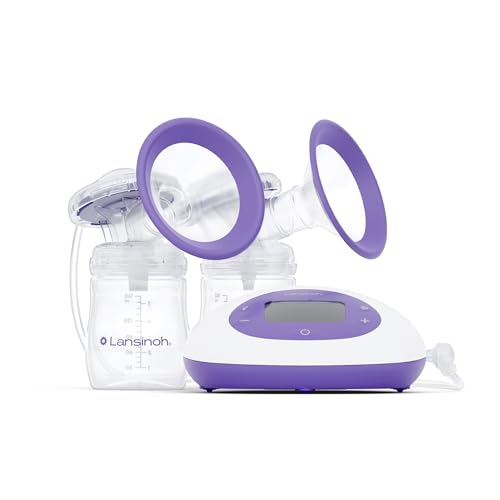


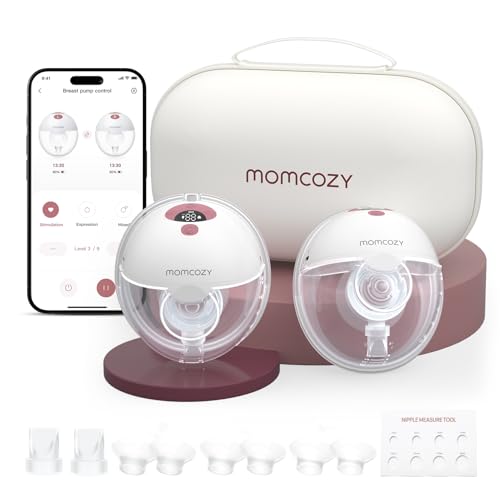
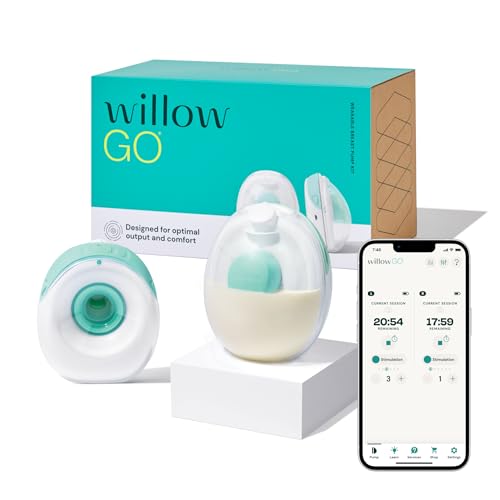


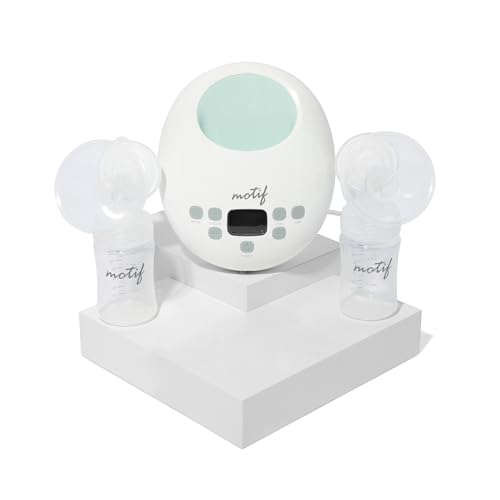
Who Should Buy a Breast Pump for a Larger Chest?
Your routine decides which style deserves your money. All three groups need a wide flange range, but they differ in support, speed and portability needs.
Mothers Who Pump at Work With a Larger Chest
You need a pump that sets up fast, stays sealed while you sit upright, and packs away neatly. Choose a double electric model with a closed system, a case and a pumping bra that holds shields firmly against heavier tissue. A battery helps when the private room has no outlet. For lighter commuting models, see our guide to the best portable breast pumps.
Mothers Who Pump Several Times a Day at Home
You need comfort over long sessions more than a tiny case. Choose a tabletop double electric pump with a stable base, long tubing, and shields with a soft rim that spreads pressure. A spare set of parts is worth more than a travel bag.
Mothers Whose Standard Shields Pinch or Slip
You need a brand that sells many flange sizes and single replacements, not only full sets. If standard shields pinch, pull in too much tissue, or slide down as your breast softens, look for wider shield angles and inserts in small steps. For cord free options inside a bra, see our guide to the best handsfree breast pumps.
Breast Pump Prices: What Changes as You Spend More
Higher prices should buy better fit choices, quieter motors and more included parts, not only a nicer screen. For a wider view of value, see our guide to the best ranked breast pumps.
Budget Tier: Simple Pumps Around $50 to $100
Expect a manual pump or a basic single electric model with a narrow flange range, fewer suction settings and a louder motor. This tier suits occasional pumping or a travel backup. The trade off is time, because one side pumping doubles your session, and larger flanges may cost extra.
Midrange Tier: Daily Pumping Around $100 to $200
Expect double electric pumping, a closed system, several suction levels and more included flange sizes. Most mothers with a larger chest get the best balance here, because included parts and quieter motors remove daily friction. Check battery run time against your longest day out.
Premium Tier: Support and Quiet Above $200
Expect the widest flange catalogs, softer shield materials, very quiet motors and extras such as app tracking. Spending more pays off if you pump often or need large sizes budget brands do not sell. It does not pay off for a color screen alone.
Key Features to Compare
Compare fit first, then suction, then convenience. That order helps you judge the best breast pumps for large breast options without paying for features that never affect comfort.
Flange Size Range and Shield Fit
Flange fit follows your nipple, not your bra cup size. Measure the nipple at rest across its base in millimeters, then choose a tunnel with a small amount of room on each side so the nipple moves freely without rubbing the walls. Common sizes run from about 15 to 36 mm, and a larger chest often needs the upper part of that range plus a shield angle that supports heavier tissue. Seek care promptly for fever, red streaks, a hard painful lump, cracked skin that is not healing, or worsening pain, and talk with your doctor or a lactation consultant about your personal needs.
Suction Control and Cycle Settings
Good control matters more than the highest suction number on the box. Look for a gentle stimulation mode that starts fast and light, then a slower expression mode with vacuum you can adjust in small steps. Strong suction cannot fix a poor flange fit, and it can leave tissue sore after one session. Memory settings also help, because the pump returns to levels that worked last time.
Breast Support and Pumping Bra Fit
A larger breast is heavier, and that weight pulls a shield downward as the breast softens and empties. A well fitted pumping bra in an inclusive size range holds both shields level, keeps bottles from tipping, and frees your hands to adjust settings. Check that bra fabric stretches over the shield without folding the rim, because a folded rim breaks the seal and forces you to hold the pump all session.
Closed System Design and Milk Contact Materials
A closed system uses a barrier so milk cannot travel back into the tubing or motor, which keeps cleaning simpler and protects the pump across many months of use. Parts that touch milk should be BPA free and made from food grade silicone or sturdy plastic that tolerates daily washing. Check that bottles, valves and shields are sold as separate replacements, because an unserviceable pump becomes costly when a small valve tears.
Picking the Right Pump Style for Different Uses
Style is a fit decision as much as a power decision, because each type places weight on your chest differently.
Best Electric Breast Pumps for Large Breast
Electric models earn their price through adjustable vacuum, adjustable cycle speed and pumping both sides at once, which shortens sessions when you have more tissue to empty. Choose a brand that sells flanges in your measured size and one size on either side. For setting comparisons, see our guide to the best recommended electric breast pumps.
Wearable Pumps and Heavier Breasts
Wearable pumps sit inside your bra, so the bra does the supporting work your hands do with a standard shield. A firm, full coverage bra in your current size keeps cups upright as they fill. Cup capacity matters too, because a full cup forces a pause. For cord free choices, see our guide to the best wireless breast pumps.
Replacement Parts and Ongoing Pump Costs
Budget for replacement valves and membranes, extra bottles and storage bags, and one spare set of washable parts. Large size flanges can cost more and ship slower, so order spares early.
Common Mistakes to Avoid
- Choosing a flange by bra cup size leaves the nipple rubbing the tunnel and makes sessions sore.
- Turning suction to the highest setting on day one can bruise tissue and cut a session short.
- Buying a wearable pump without a supportive bra lets the cups slide down as they fill.
- Skipping spare valves leaves you unable to pump when a membrane tears before a workday.
- Storing damp parts invites stale odors and forces a deep clean before use.
- Assuming a premium price guarantees your flange size leads to returns when that brand stops at smaller sizes.
Care and Cleaning for Breast Pumps
Wash your hands, take the pump apart fully, and wash every part that touches milk in warm soapy water or on the dishwasher top rack if the maker allows it. Rinse well and air dry parts on a clean towel. Keep the motor and tubing dry.
Inspect valves, membranes and shield rims each week for tears, warping or a loose fit, because worn soft parts are the most common cause of fading suction. Store dry parts in a clean closed container, replace soft parts on the maker schedule, and keep one sealed spare set at home.
FAQ
What features matter most in a breast pump for larger breasts?
Flange range, shield angle and bra support matter most in a breast pump for larger breasts. Start with the widest size range you can find, then check suction control and part prices. Keep a short note of the size and settings used on each side, because left and right often differ.
Is a premium breast pump safer than a budget breast pump?
A premium breast pump is not safer by price alone. Safety comes from a closed system, intact parts and materials made for contact with milk, and those features appear in midrange models too. Check the maker site for recall notices and register your purchase, because registration is how brands reach owners about recalled parts.
When should you buy a breast pump before your baby arrives?
Buy your breast pump in the final weeks of pregnancy once your shortlist and flange size are decided. Sizes can shift late in pregnancy and again after birth, so keep receipts and leave extra flange sizes unopened until you check your fit. Learning the controls early means your first session is not spent reading a manual.
Is a breast pump covered by insurance in the United States?
Many United States insurance plans cover a standard electric breast pump, but approved models and suppliers vary by plan. Call your insurer before you order, ask whether a prescription is required, and ask whether larger flanges and parts are covered. Keep the receipt and prescription paperwork together, because suppliers often ask for both.
How do you clean and sanitize a breast pump while traveling?
Clean parts that touch milk as soon as you can, using a dedicated wash basin or a clean sink with warm water and soap. When no sink is available, rinse with clean bottled water and wash fully at your destination. Carry dry parts in a clean closed bag with a small brush for valve openings.
Wrapping Up
Measure first, choose your price tier second, and let support and spare parts guide the final call. A pump that fits your nipple, holds level in a bra that truly fits, and has affordable parts will serve you better than a costly model with the wrong shield range. Use the product table above to confirm sizes.
When you compare best breast pumps for large breast choices with those points in mind, the right tier usually becomes clear. Buy the simplest pump that fits you well, keep spare soft parts on hand, and daily sessions will feel far more manageable.


