
Best Breast Pumps For Inducing Lactation Buying Guide 2026
Disclosure: We may earn a commission when you buy through links on this page, at no extra cost to you. As an Amazon Associate I earn from qualifying purchases. Learn more

Best breast pumps for inducing lactation compared by durability, comfort, and settings, with practical checks to run before you order.
Inducing lactation, whether you are the non-birthing parent in a family, a parent by adoption or surrogacy, or someone restarting after a break, is a personal plan best made with a clinician or lactation consultant. A pump is one tool in that plan, not the whole plan. This guide to the best breast pumps for inducing lactation explains which pump types suit the frequent, regular sessions these plans usually involve, and which details make long sessions comfortable. The table above gives you a shortlist to compare against the points below.
No pump can promise that milk will come in, and results differ widely between people. What a good pump can do is remove milk or stimulate the breast comfortably, reliably, and on a schedule you can keep up.
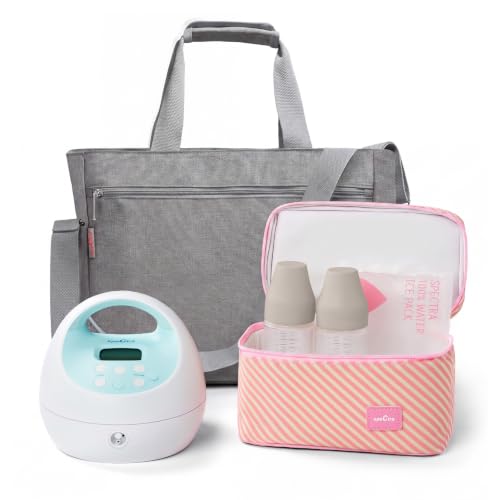
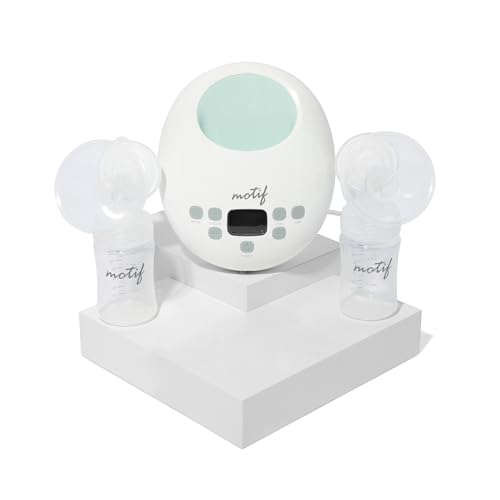
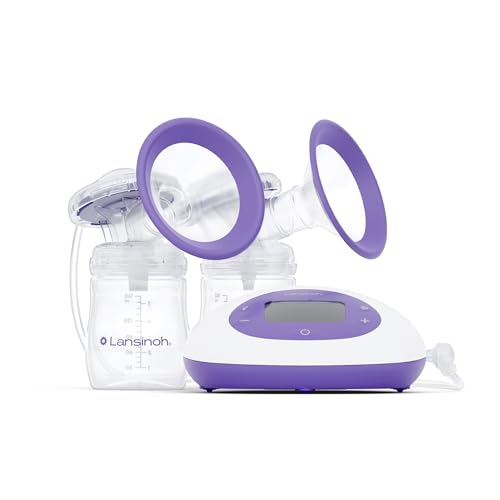


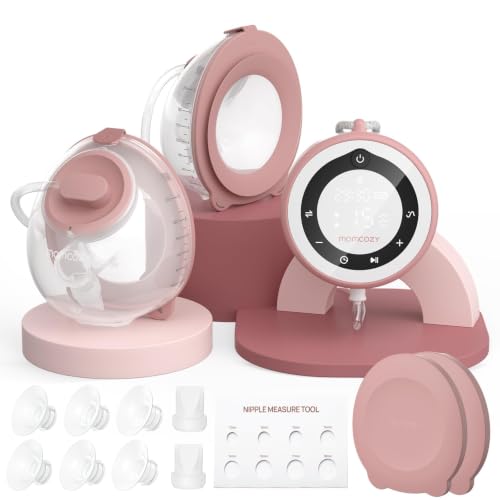
What a Pump Needs to Do for an Induction Plan
Induction routines often call for frequent sessions, sometimes eight or more a day, for weeks or months. That workload changes what matters. A pump built for occasional use may overheat, lose suction, or become uncomfortable under daily repetition, so durability and comfort rank above extras like apps or colored screens.
Look for a double electric design that pumps both sides at once, because it halves the time per session. Choose adjustable suction and cycle speed so you can find a comfortable rhythm rather than a single fixed pattern. Plan on a spare parts set as well, since valves and membranes wear with heavy use.
Types of Breast Pumps for Inducing Lactation
Double electric pumps
These are the usual main pump for induction routines. They empty both sides together, run on mains power or a battery, and offer the widest range of settings. They suit a fixed pumping spot at home and regular scheduled sessions.
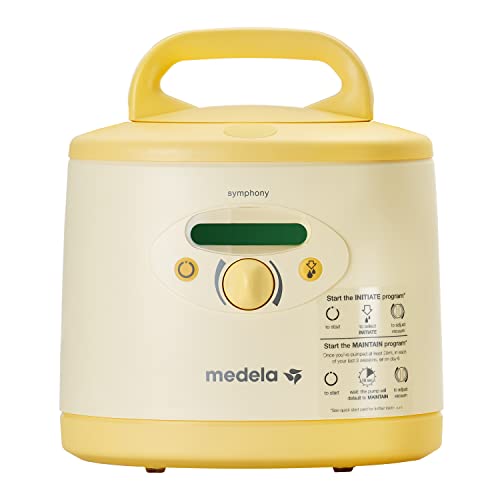
Hospital grade rental pumps
Hospital grade pumps are built for heavy daily use and are usually rented by the month through a medical supplier or a hospital program. Many people use a rental for the first weeks of an induction plan, then decide whether to buy a personal pump. A lactation consultant can advise whether renting suits your plan.
Wearable pumps
Wearable pumps sit inside a bra and free your hands, which helps when sessions are frequent and you still have a day to run. Cups are smaller and fit varies with body shape, so many people keep a traditional pump for main sessions and use a wearable for convenience. Our guide to the best handsfree breast pumps covers fit and capacity in more detail.
Manual pumps
A manual pump is a quiet, inexpensive backup for travel, power cuts, or a short extra session. The hand effort makes it tiring as a main tool for frequent pumping.
Fit, Comfort, and Settings
Flange fit matters more than motor power. A flange that is too small rubs the nipple, and one that is too large pulls in extra tissue. Either can cause pain, which makes it hard to keep to a schedule. Measure the nipple across its base, compare it with the maker size chart, and try the next size up or down if you see rubbing, redness, or discomfort. Many people need different sizes on each side, and sizes can change over weeks.
Start at the lowest comfortable suction and raise it slowly. Higher suction does not mean better results, and it can cause soreness and tissue damage, which would interrupt your plan. A gentle stimulation phase at the start of each session, followed by a slower expression phase, copies the way a baby feeds and is more comfortable for most people.
Practical Features That Matter Over Weeks
Quiet motor
Night sessions and shared homes are easier with a quieter pump. Check what buyers say about noise at low settings.
Easy cleaning
You will wash parts many times a day, so fewer parts, wide openings, and dishwasher safe pieces save real time. A second set lets one set dry while you use the other.
Portability
If you pump away from home, a battery and a compact case matter. For lighter setups, see our guide to the best portable breast pumps, and for cord free choices, our guide to the best wireless breast pumps.
Spare parts and warranty
Check that valves, membranes, flanges, and tubing are sold separately and priced fairly, and that the motor has a warranty of at least a year.
Budget and Total Cost
Reliable double electric pumps usually cost about $100 to $250, wearable and premium systems about $250 to $450, and monthly hospital grade rentals vary by supplier. Some health plans cover a standard pump or a rental, so call your insurer before paying full price. Budget for replacement parts, extra flange sizes, storage bags, and a manual backup as well.
Common Mistakes to Avoid
- Turning suction to the maximum in the hope of faster results, which usually causes pain and does not help.
- Ignoring flange fit, then blaming the pump when sessions hurt.
- Letting worn valves and membranes weaken suction without replacing them.
- Following a plan found online instead of one made with a clinician or lactation consultant.
- Skipping rest and food, which makes a long routine harder to sustain.
Care and Safety
Wash parts that touch milk after each use in warm soapy water, rinse well, and air dry on a clean surface. Sanitize as the maker directs. Check tubing, valves, and flanges each week for cracks, cloudiness, or stretching, and replace worn parts promptly. Store stored milk with dated labels and follow current guidance from your health provider.
Seek prompt help for cracked or bleeding nipples, a painful lump, spreading redness, fever, or pain that does not ease after adjusting fit and settings. Any medicines, herbal products, or supplements mentioned in induction plans should be discussed with your clinician first, because they can interact with other treatments.
Frequently Asked Questions
How often should I pump when inducing lactation?
Frequency depends on your personal plan, health, and time, so follow guidance from your clinician or lactation consultant. Many plans involve frequent, regular sessions, but rest and comfort matter too. If a plan feels unsustainable or painful, ask for a review rather than pushing through.
What flange size do I need?
Flange size depends on nipple diameter and shape, not breast size. A correct flange centers the nipple with a little room to move and no rubbing on the tunnel walls. A lactation consultant can measure and check fit, which often improves comfort quickly.
Is a wearable pump as effective as a double electric pump?
Output varies by person, fit, and pump design, so no single type is best for everyone. Wearables offer freedom of movement, while traditional double electric pumps often offer more adjustment. Many people use both, with the traditional pump for main sessions.
Should I rent or buy a pump for induction?
Renting lets you try a hospital grade pump before committing, and it can make sense for the early weeks. Buying suits a longer plan or a family expecting to pump for many months. Ask your lactation consultant and your insurer which route fits your plan and budget.
Can I induce lactation without a pump?
Some people use hand expression, nursing, or a combination of methods as part of a plan. The best approach depends on your body, circumstances, and health guidance, so talk with your clinician or lactation consultant about options.
Final Thoughts
Choose a durable double electric pump with adjustable settings, get the flange fit right, and keep spare parts on hand. A comfortable pump you can use on schedule matters more than any single feature. Compare your shortlist against the table above, and when you settle on the best breast pumps for inducing lactation for your plan, keep your clinician or lactation consultant involved in the decisions that affect your health.

