
Best Breast Pumps for Exclusive Pumping 2026: Full Time Guide
Disclosure: We may earn a commission when you buy through links on this page, at no extra cost to you. As an Amazon Associate I earn from qualifying purchases. Learn more

Best breast pumps for exclusive pumping compared by durability, comfort, and routine fit, with practical checks to run before you order.
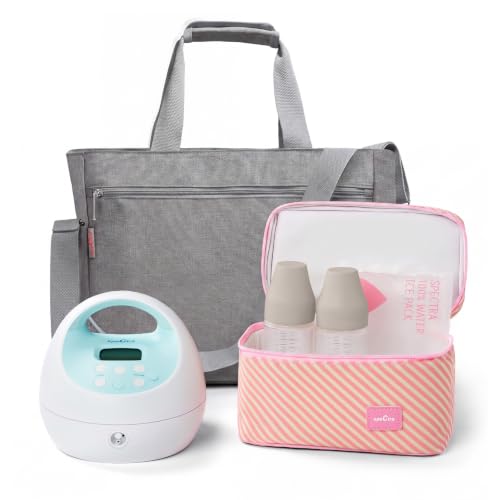
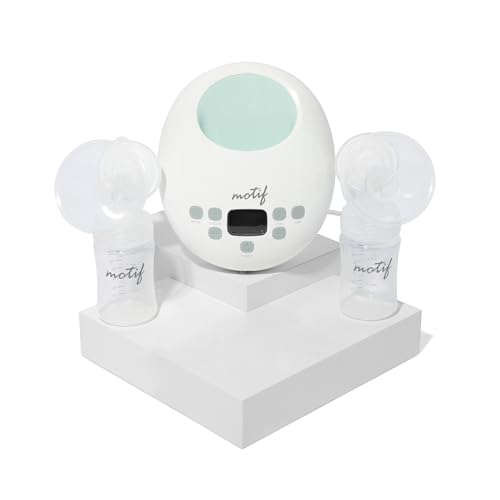
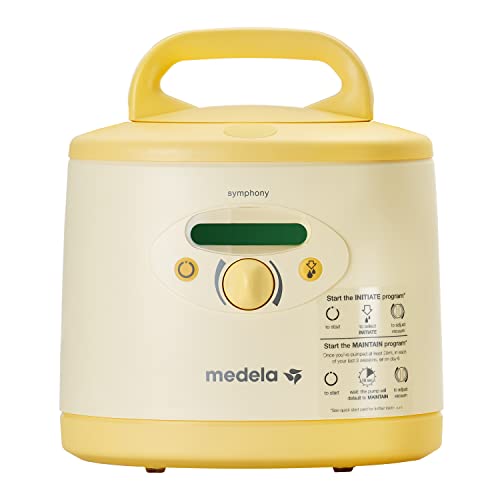
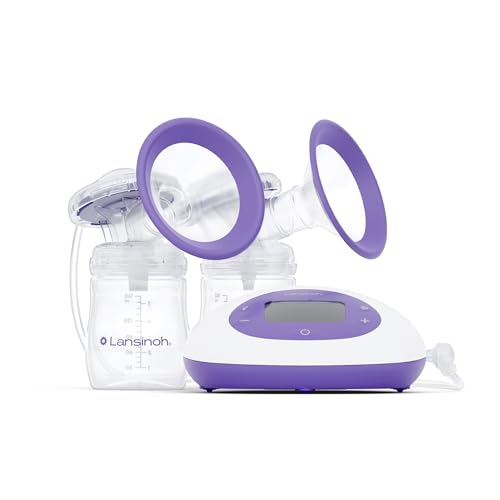
Choosing best breast pumps for exclusive pumping is different from choosing an occasional pump, because exclusive pumping means pumping every few hours around the clock, and small comfort or output differences add up fast. The right pump empties well, feels comfortable, and survives daily use for months. The comparison table below helps you compare pump types, durability, and routine fit.
Start by mapping your day: how often you pump, where you pump, and whether you pump at work, at home, or both. Also note your flange fit and any pain or output concerns, since fit problems hurt more when pumping is full time. Your routine and your body should shape the choice, not marketing alone.


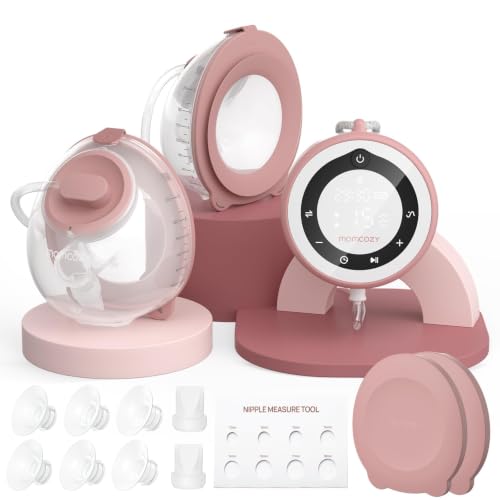
Why Exclusive Pumping Needs a Different Pump
Exclusive pumpers often pump 8 or more times a day, so motor durability, emptying efficiency, and comfort matter far more than portability alone. A pump that empties well in 15 to 20 minutes saves hours each week compared with a pump that needs 30 minutes per session. A weak or uncomfortable pump can reduce output and make the routine hard to sustain.
Hospital grade rental pumps offer strong, adjustable suction and durability for full time use, and many parents use a rental early before choosing a personal pump. Personal double electric pumps suit long term use when they offer adjustable speed and vacuum, good flange options, and reliable motors. Test output and comfort over several days, not one session, before judging a pump.
Flange Fit and Comfort First
Flange fit decides comfort and output more than any other factor, since a wrong size can cause pain, blistering, and reduced emptying. Measure your nipple diameter and try the size that matches, adjusting if pumping hurts or output drops. Many parents need different sizes on each side, which is normal and worth accommodating.
If pumping hurts, or you notice blistering, swelling, or persistent pain, stop and seek help from a lactation consultant or clinician promptly. Pain is not a normal part of pumping, and early help often fixes fit or technique quickly. Do not push through injury, since damaged tissue heals slower and can affect supply.
Building a Sustainable Routine
A sustainable routine balances pumping frequency, rest, and daily life, since exclusive pumping is demanding work. Many parents pump on a regular schedule with a consistent session length, and keep water, snacks, and supplies within reach. Hands free pumping bras and a dedicated pumping station reduce setup time and make sessions easier.
Night pumping matters for supply in the early months, but sleep matters too, so talk with your clinician or lactation consultant about a schedule that protects both. Keep spare parts, valves, and membranes ready, since worn parts reduce suction quietly. A routine you can maintain beats a perfect routine you abandon.
Portability, Work, and Daily Life
If you pump at work or away from home, portability, battery life, and discreet carrying matter, but they should not override output and comfort. A strong home pump plus a portable backup often beats one compromise pump for full time use. Check workplace pumping rights and facilities in your area, and plan storage and transport for milk safely.
Wearable pumps offer freedom of movement and discretion, yet output varies widely by body shape and flange fit. Try wearables as a supplement rather than a sole pump until you confirm output matches your needs. Keep a reliable main pump for most sessions, and use wearables for errands, work meetings, or travel when convenience matters most.
Care, Parts, and When to Seek Help
Clean pump parts after each use following maker instructions, and replace valves, membranes, and tubing on schedule, since worn parts silently reduce suction. Store milk following current health guidance, label containers clearly, and keep a backup plan for power outages or pump failure. A spare manual pump costs little and saves a session when a motor fails.
Seek medical care promptly for fever, breast pain, redness, swelling, or other concerning symptoms, since these can signal infection or other problems needing treatment. Talk with your clinician or lactation consultant about supply concerns, pain, or routine struggles at any point. Support is part of sustainable pumping, not a sign of failure.
Related Guides to Read Next
For nearby options, see our guides to the best handsfree breast pumps and the best portable breast pumps, which cover wearable and travel setups in more detail.
Living With Exclusive Pumping
Exclusive pumping becomes sustainable when the routine fits your life rather than dominating it, which means building systems that reduce daily friction. Keep a dedicated pumping station stocked with clean parts, water, snacks, and storage supplies, so each session starts without hunting for gear. That small setup saves surprising time across eight sessions a day.
Tracking output and sessions helps you notice patterns, such as times of day when output peaks or parts wear that quietly reduces suction. A simple notebook or phone note captures enough detail without becoming another chore, and it gives lactation consultants useful information when you seek advice. Data should serve you, not burden you, so keep tracking light.
Social support transforms exclusive pumping from isolating work into shared effort, whether through a partner handling washing, a friend checking in, or an online community sharing tips. Accept help with parts cleaning, milk storage, and household tasks, since pumping itself already demands hours daily. Letting others help is not weakness, but wisdom.
Rest deserves protection even in a demanding schedule, since exhaustion undermines supply, mood, and health. Talk with your clinician or lactation consultant about night pumping balance, and consider whether a slightly longer gap at night with a morning session suits your situation. A rested parent sustains pumping longer than an exhausted one chasing perfection.
Milestones deserve celebration, from the first week to the first month and beyond, since exclusive pumping is sustained effort worthy of recognition. Mark progress in whatever way feels meaningful, and remember that any amount of pumped milk represents real care and work. Be kind to yourself on hard days, and seek support whenever the routine feels overwhelming.
Frequently Asked Questions
How often should exclusive pumpers pump?
Exclusive pumpers often pump about 8 times a day in the early months, roughly every 2 to 3 hours, including at least once at night. Frequency matters more than session length for building and maintaining supply. As supply stabilizes, some parents reduce sessions with guidance from a lactation consultant. Follow your clinician advice for your situation, since needs vary.
Is a hospital grade pump better for exclusive pumping?
Hospital grade rental pumps offer strong, adjustable suction and durability that suit full time pumping, especially early or when building supply. Personal double electric pumps also work well for long term exclusive pumping when they fit well and empty efficiently. Many parents rent early and later switch to a personal pump. Choose based on output, comfort, and budget.
Why does pumping hurt sometimes?
Pumping pain often comes from wrong flange size, too high vacuum, or worn parts, and it deserves prompt attention rather than endurance. Try a different flange size, lower the vacuum, and replace valves and membranes. If pain, blistering, or swelling persists, seek help from a lactation consultant or clinician promptly. Pumping should feel like gentle tugging, not pain.
Can wearable pumps handle exclusive pumping?
Wearable pumps can supplement exclusive pumping, but output varies by body shape and fit, so confirm output before relying on one full time. Many exclusive pumpers use a strong main pump for most sessions and a wearable for work, errands, or travel. Keep a reliable main pump available, and track output when switching pumps to catch drops early.
How do I keep up with cleaning when pumping full time?
Keep multiple sets of pump parts so you can rotate clean sets and wash in batches, and follow maker cleaning instructions after each use. A dedicated drying area and a routine for replacing valves and membranes saves time and protects suction. Store milk safely with clear labels, and keep a spare manual pump for outages. A simple system beats a perfect system you cannot maintain.
Final Thoughts
The product table above helps you compare pump types and routine needs, but fit, comfort, and sustainability decide long term success. Choose a pump that empties well without pain, build a routine you can maintain, and seek help early when problems arise. With best breast pumps for exclusive pumping chosen this way, full time pumping becomes demanding but doable, day after day.


