
Best Breast Pumps and Bottles: Budget, Midrange, and Premium Picks for 2026
Disclosure: We may earn a commission when you buy through links on this page, at no extra cost to you. As an Amazon Associate I earn from qualifying purchases. Learn more

Best breast pumps and bottles compared by budget tier, suction, and bottle flow, with practical checks to run before you order.
Prices for pumps and bottles stretch from under $30 for a simple manual setup to several hundred dollars for a premium wearable system, and the gap is not always obvious. Finding the best breast pumps and bottles for your family means matching suction, bottle flow, and cleaning effort to how often you will actually pump and feed. This guide breaks down what each price tier really delivers, which features earn their cost, and which extras you can skip with confidence. The comparison table below gives you a quick view before we go through each tier in detail.
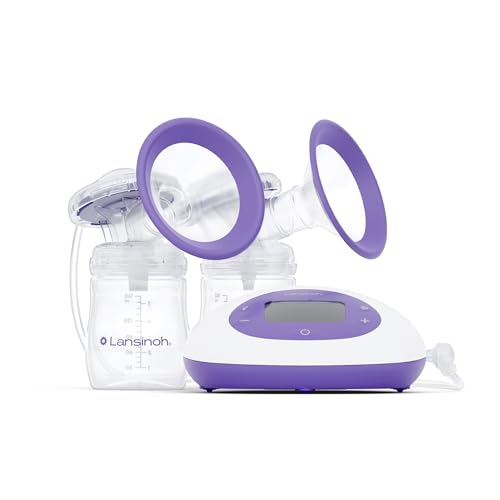


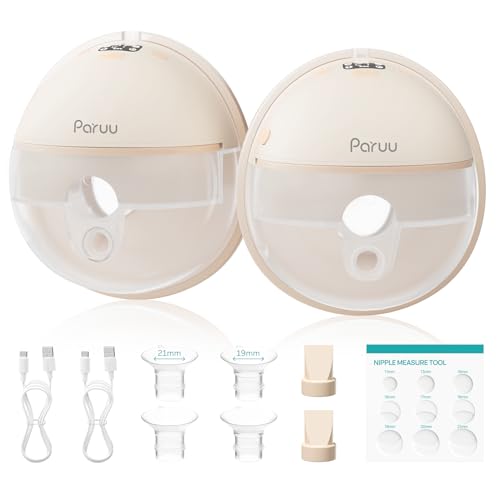
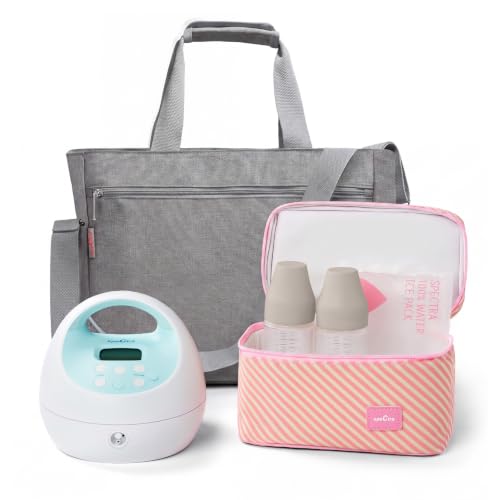

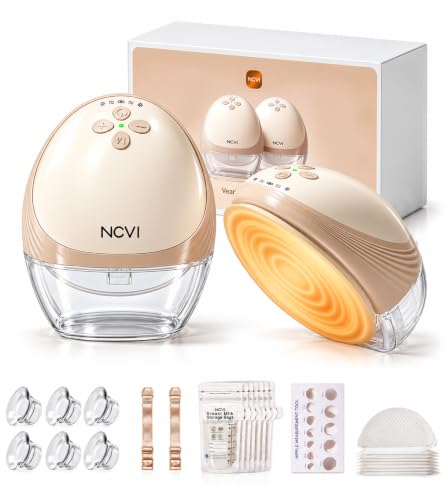
Choosing by Budget: What Each Tier Should Deliver
Think of the tiers below as checklists rather than shopping lists. At each level, your money should buy specific, named improvements, and if a product in that tier lacks them, it is not good value at any discount.
Budget Tier Essentials
A budget setup, often around $30 to $100 for the pump, suits occasional pumping, travel backup, or a parent who mostly feeds directly. At this level, prioritize a correct flange fit, a simple manual or basic electric pump, and two or three bottles with slow flow nipples. Strengths are low cost, quiet operation for manual models, and almost no learning curve. The limit is speed, because single side pumping and basic suction patterns make daily or workday pumping slow and tiring. If you will pump once a day or less, this tier can honestly be enough, especially with spare parts kept ready.
Midrange Tier Essentials
A midrange setup, about $100 to $250, suits parents who pump most days, including those returning to work. Your money should buy a double electric pump with adjustable suction and speed, a letdown mode, a closed system design, and bottles that connect directly to the pump so you handle milk fewer times. Battery operation or a car adapter adds real freedom on commuting days. This is the tier where comfort and time savings become obvious, because a session can drop to about 15 to 20 minutes for both sides. For most families, this is the sweet spot of cost, comfort, and durability across many months of use.
Premium Tier Essentials
A premium setup, roughly $250 to $450 and up, suits frequent pumpers, exclusive pumpers, and parents who need discretion at work. Expect wearable cups that sit inside a bra, quiet motors, app based tracking of sessions and output, and finer control over suction patterns. Bottles at this level often add advanced venting to reduce air swallowing and fussiness. The trade off is complexity, since premium wearables have more parts to wash, more seals to replace, and higher costs when a cup or valve wears out. Buy premium for freedom and fit, not for stronger suction, because suction strength is capped for safety across all tiers.
What Your Money Gets You at Each Price Tier
The same three tiers look different when you judge them by daily experience instead of feature lists. Here is what living with each level actually feels like over months of feeds.
Budget Tier: What to Expect
Expect simple controls, fewer settings, and more time per session. Bottles will be basic but perfectly safe, with standard nipples that some babies love and others refuse, which is true at every price. You will likely hand wash more, because budget kits include fewer dishwasher safe extras and fewer spare parts. Durability is the real question mark, since a budget motor used several times a day may fade before a premium one. For occasional use, none of this matters much. For daily use, the time cost quietly becomes the biggest expense of the budget tier.
Midrange Tier: The Sweet Spot for Most Buyers
Midrange money buys consistency, which is what pumping parents actually need at 2 in the morning and again at work. Motors hold suction steady, parts click together the same way every time, and replacement valves and membranes are easy to find. Bottles in this tier usually offer several nipple flow rates, so you can slow a fast feeder or help a sleepy newborn work a little less. You also gain better carrying cases and cooler bags that make transport simple. If you are reading roundups of the best ranked breast pumps, notice how often midrange models earn their place on comfort and reliability rather than raw power.
Premium Tier: When Spending More Pays Off
Premium spending pays off when it buys you pumping sessions you would otherwise skip. A wearable pump you can use during a meeting, a commute, or while making dinner protects your milk supply better than a stronger pump that stays in a closet. Premium bottles can help babies who struggle with air intake or who move between breast and bottle, thanks to careful venting and nipple shapes modeled on natural feeding. It does not pay off if you pump rarely, or if extra parts and app accounts will annoy you daily. Honest frequency of use, not feature envy, should drive this decision.
Features Worth Paying For and Ones to Skip
Five features decide most of your day to day experience. Judge every pump and bottle set against them, and let everything else be a bonus.
Longevity and Convertibility
A good pump should last through one child and often a second, while bottles convert across stages as nipples, sippy tops, and storage lids change. Check that the brand sells replacement parts openly, because a pump with no spare valves is a pump with a short life. Bottle systems that share one ring and collar size across sizes save money and cupboard space. Glass bottles last for years but weigh more, while plastic bottles are lighter for travel and daycare bags. Longevity also means the pump still suits you when your routine changes, such as returning to work or adding a second child.
Materials and Cleaning
Look for food contact parts labeled BPA free, and confirm which parts can go in the dishwasher and which need hand washing. Fewer parts almost always beats clever design, because every extra valve and membrane is one more item to wash, dry, and lose. A closed system, where a barrier keeps milk out of the tubing and motor, protects hygiene and motor life. Bottles with wide necks are easier to clean with a standard brush and easier to fill without spills. If a system needs special brushes or tools sold separately, add that cost and hassle to your decision now.
Ease of Use for Tired Parents
You will assemble this gear half asleep, so simple wins. Parts should connect with clear clicks, controls should work with one hand, and settings should be remembered between sessions so you are not starting from zero each time. Night friendly details matter more than brochures suggest: soft display lighting, quiet motors, and bottles with clear measurement marks you can read in dim light. Parents comparing discreet options often start with the best handsfree breast pumps, since a design you can operate without holding it in place changes how pumping fits into real life.
Performance Features
For pumps, the performance features that matter are adjustable suction strength, adjustable cycle speed, and a distinct letdown mode that mimics how a baby starts a feed. Hospital grade rental pumps remain an option when a baby cannot feed directly or supply needs strong early support, and a clinician or lactation consultant can advise you. For bottles, performance means flow rate honesty, because a slow flow nipple should truly be slow, and venting that reduces air bubbles without leaking. If you travel or commute, weigh pump size and battery life heavily, and compare the best portable breast pumps before deciding that a larger home pump will somehow fit your routine.
Safety Standards and Certifications
Buy pumps and bottles that meet current United States consumer safety rules, with clear labeling from recognized bodies. JPMA certification, where it applies to a product category, signals that a product was checked against relevant standards, and CPSC rules govern recalls and hazards for baby products. Bottles and pump parts that touch milk should be food grade and BPA free, and electric pumps should carry proper electrical safety listings. Register your products so recall notices reach you. If a price looks too good and the labeling looks vague, treat that as a safety concern, not a bargain.
Long Term Costs to Factor In
The pump itself is only the first purchase. Budget for replacement valves, membranes, and duckbill parts every few months, because worn parts quietly reduce suction and are the top cause of a pump seeming weak. Add storage bags or reusable containers, extra bottles for daycare, nipples in the next flow rate, and a second set of parts so one set can dry while you use the other. Electricity costs are minor, but your time is not, and a faster double pump can return hours each week. Before buying premium, compare the guidance on the best recommended electric breast pumps with your real routine, and keep receipts, since many pumps are eligible for insurance coverage or flexible spending accounts.
Frequently Asked Questions
How long can my baby use a breast pump and bottles?
You can use a quality pump through a full feeding journey and often for a second child, as long as suction stays strong and parts are replaced on schedule. Bottles last until cracks, clouding, or damaged threads appear, while nipples should be replaced every few months or sooner if flow changes. One detail many parents miss is that bottle size needs change fast, so buy fewer large bottles at first. Small bottles suit newborn weeks, and you can add larger ones once daily volumes are clear.
Is a premium breast pump really safer than a budget one?
No, premium does not automatically mean safer, because all pumps sold through legitimate United States channels must meet the same basic safety rules. Premium prices buy comfort, quiet, wearability, and features, not a higher safety grade. A budget pump with a correct flange fit and clean, intact parts is safer in practice than a premium pump used with cracked parts. Spend extra for fit and convenience, and judge safety by labeling, condition, and correct use instead of price.
How do I clean and sanitize a breast pump and bottles?
Wash all milk contact parts with warm soapy water after each use, rinse well, and air dry on a clean towel rather than a dish cloth. Sanitize once a day for young or medically fragile babies, using boiling, steam bags, or a dishwasher sanitize cycle as the maker directs. A practical tip is to keep parts in a clean closed container in the fridge between sessions only if current guidance for your situation allows it, and ask your pediatrician when unsure. Replace anything that stays cloudy or sticky after washing.
When should I buy a breast pump before my baby arrives?
Buying four to six weeks before your due date gives you time to check insurance coverage, learn the controls, wash parts, and confirm flange fit without pressure. Order earlier if your plan requires paperwork through a supplier, since approval and shipping can take weeks. Bottles can wait in part, because a small starter set lets you learn what your baby accepts before you stock a full cupboard. Keep tags on extra bottle sets until you know the nipple shape your baby prefers.
Is a breast pump covered by insurance?
Often yes, because most United States health plans must cover a breast pump as preventive care, though the models, suppliers, and timing vary by plan. Some plans cover a purchase, others a rental, and upgrades to wearable models may cost extra out of pocket. Cordless freedom is the upgrade parents ask about most, and our guide to the best wireless breast pumps explains what that freedom costs. Call your plan before buying retail, since buying first can make reimbursement harder or impossible.
The Bottom Line
Start with fit, suction control, and cleaning effort, because those three decide whether pumping stays sustainable for you and comfortable for your baby. Midrange setups serve most families best, budget setups serve occasional pumpers well, and premium wearables earn their price only with frequent use. Whichever tier you choose, the best breast pumps and bottles are the ones you can use correctly, clean easily, and afford to maintain, so compare the product table above with your real routine in mind. Talk with your pediatrician or a lactation consultant about your personal needs, especially if feeding ever hurts or your baby struggles to gain weight.


