
Best Brandy Mixers: A Flavor and Balance Guide for 2026
Disclosure: We may earn a commission when you buy through links on this page, at no extra cost to you. As an Amazon Associate I earn from qualifying purchases. Learn more

What mixes well with brandy: soda, ginger, citrus, vermouth, and bitters, plus ratios, glassware, and tips for balanced, responsible home drinks.
Brandy already carries dried fruit, oak, vanilla, and spice notes, so the right mixer should lift those flavors rather than bury them. The best brandy mixers are not a single bottle, but a small set of options that suit different moods: a crisp soda for a light long drink, ginger for warmth, citrus for brightness, and vermouth for a classic cocktail. The comparison table below gives a quick side by side view, and this guide explains flavor pairing, ratios, and responsible serving.
Balance is the skill that matters most. Too much sweet mixer hides the brandy, too much citrus sharpens it, and too little mixer leaves a drink that feels heavy. Starting with modest ratios and tasting as you adjust will teach you more than any fixed recipe, since brandy styles range from light and floral to dark and oaky.
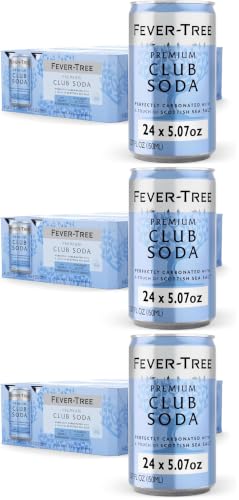


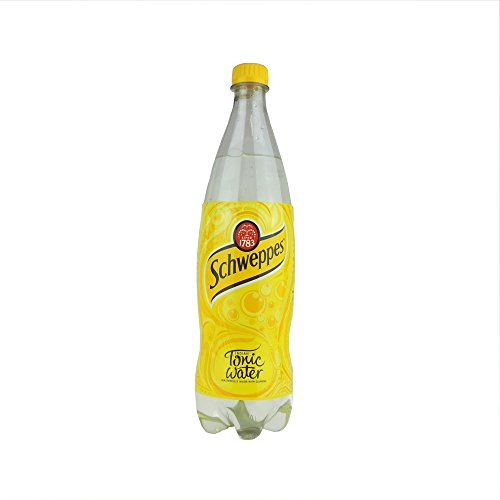
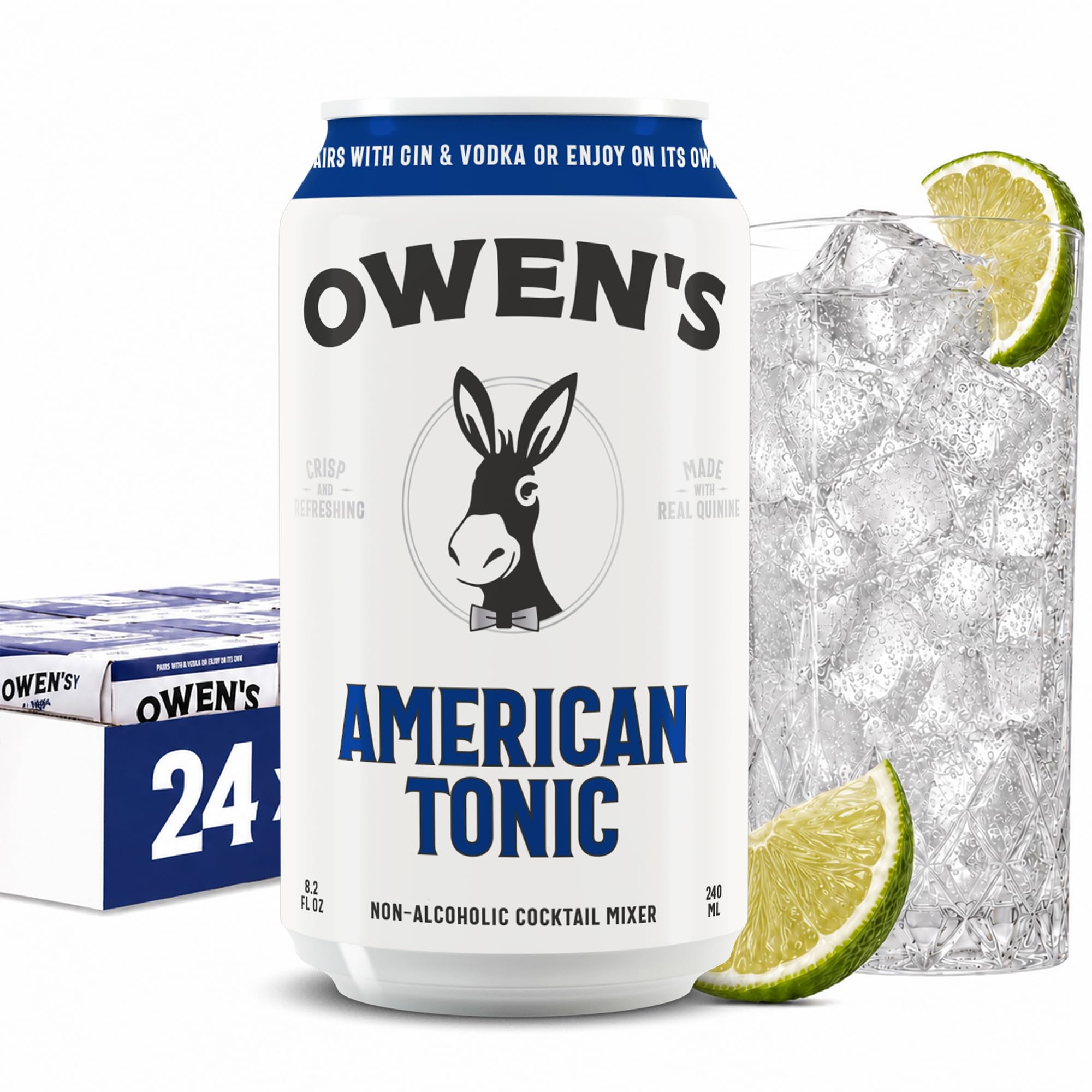
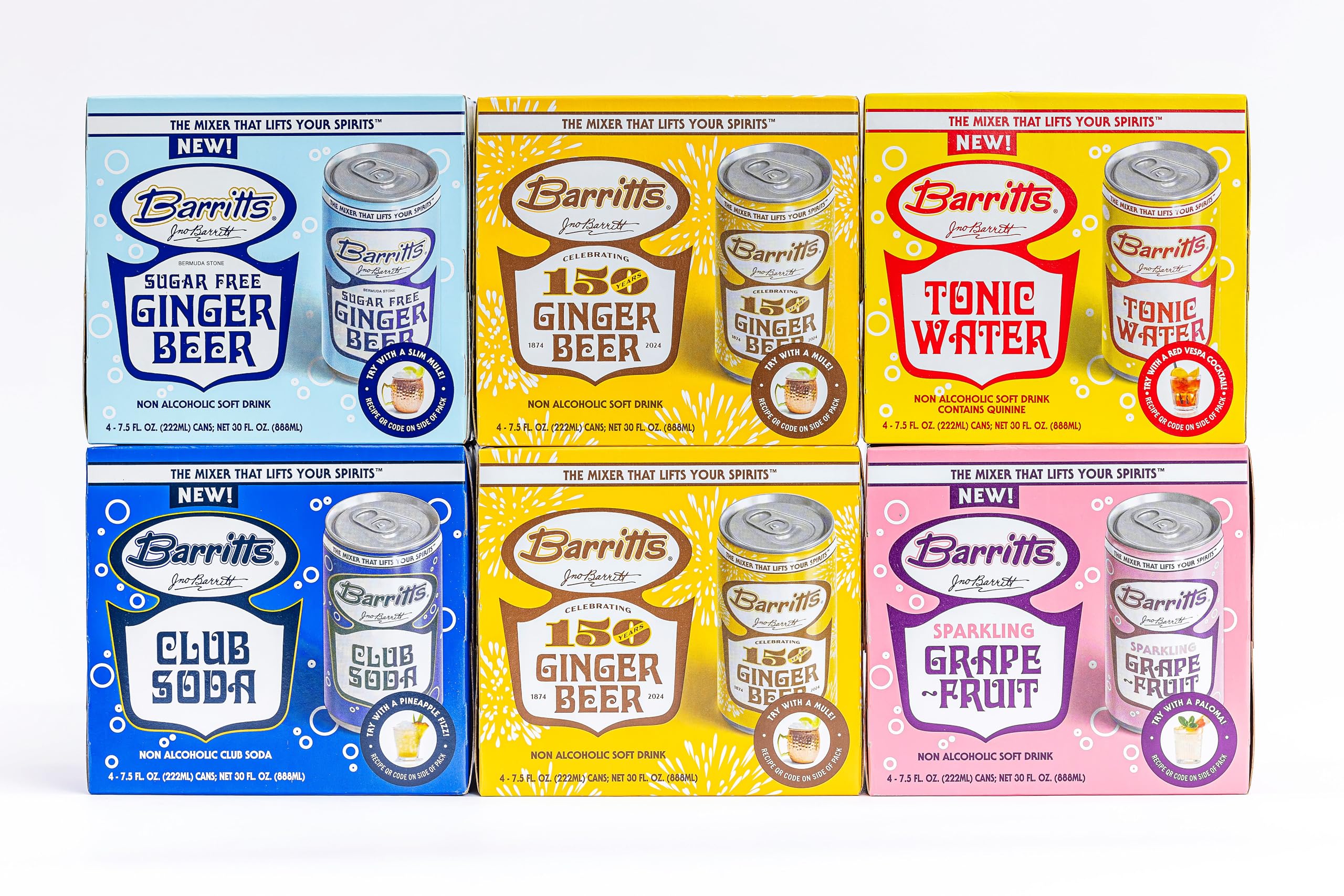

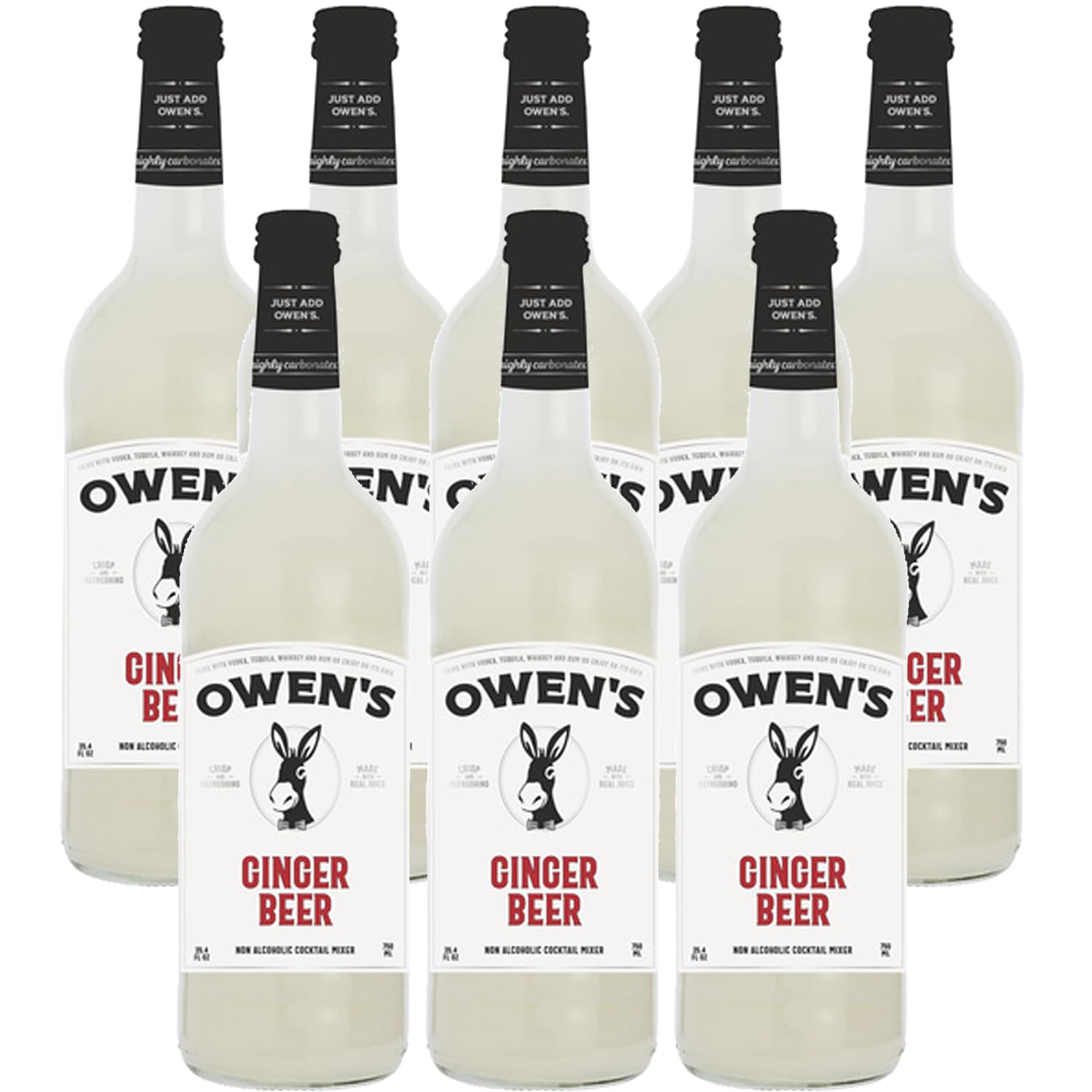
Soda and Sparkling Water: The Lightest Pairing
Soda water and sparkling water lighten brandy without adding sweetness, which suits warm evenings and drinkers who prefer the spirit flavor forward. A good ratio starts around one part brandy to two or three parts soda over plenty of ice, with an orange peel or a lemon twist for aroma. The bubbles lift dried fruit notes and keep the drink refreshing rather than heavy.
Flavored sparkling waters can add a subtle twist, but choose gentle flavors such as orange or lemon rather than strongly sweetened varieties that compete with the brandy. Keep the glass chilled and the soda fresh, since flat soda makes even good brandy taste dull. This simple serve is also the easiest to keep light on alcohol, since you control the pour and the dilution.
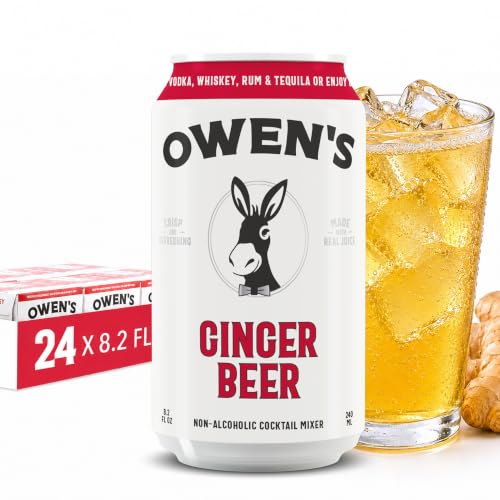
Ginger Ale and Ginger Beer: Warmth and Spice
Ginger mixers pair naturally with brandy warmth, adding spice and a gentle sweetness that complements oak and dried fruit. Ginger ale is softer and sweeter, which suits lighter brandies and longer drinks, while ginger beer is spicier and drier, which stands up to richer, older styles. Tasting both with your usual brandy will quickly show which direction you prefer.
A classic approach uses one part brandy to two parts ginger mixer over ice, finished with a lemon wedge or a slice of fresh ginger. Avoid very sweet ginger syrups that dominate the drink, and check labels for real ginger flavor rather than only sweetener and color. For a lighter version, top with soda after the ginger mixer to stretch the drink without losing spice. Whiskey leaning mixers are compared in our guide to best mixers for whiskey.
Citrus, Vermouth, and Classic Cocktails
Citrus brightens brandy and suits cocktails such as a sidecar style drink, where lemon juice balances sweetness and orange liqueur adds depth. Use fresh juice rather than bottled where possible, since fresh citrus aroma lifts the whole drink. A small amount goes a long way: start with a modest squeeze and adjust, since too much lemon can sharpen a delicate brandy.
Vermouth opens classic territory, from a brandy Manhattan style drink to simpler vermouth and brandy serves over ice with bitters. Sweet vermouth complements dried fruit notes, while dry vermouth gives a lighter, more herbal result. Keep opened vermouth refrigerated and use it within a few weeks, since stale vermouth dulls any cocktail. Drink focused mixers are covered in our guide to best drink mixers.
Bitters, Garnish, and Glassware
Bitters add complexity in drops rather than pours, and a dash of aromatic or orange bitters can tie brandy and mixer together. Experiment with one dash at a time, tasting after each addition, since bitters can quickly dominate a light drink. Garnish matters too: an orange peel expressed over the glass releases oils that lift aroma, while a lemon twist adds brightness without extra sweetness.
Glassware shapes the experience. A large wine glass or a balloon glass concentrates aroma for slower sipping, while a tall highball suits long soda and ginger serves with plenty of ice. Use large ice cubes where possible, since they melt slower and keep dilution steady. Those small details elevate a home drink without any special equipment.
Ratios, Strength, and Responsible Serving
Ratios decide strength as much as flavor. A one to two brandy to mixer ratio produces a noticeably stronger drink than one to three, even when the glass looks similar. Measure pours at home rather than free pouring, especially when trying a new combination, and keep water alongside alcoholic drinks. Eating before and during drinking, pacing servings, and planning transport home all matter more than any recipe detail.
Responsible hosting also means offering appealing alcohol free options with the same care, such as spiced sodas and citrus coolers, so guests who do not drink still enjoy a thoughtful drink. Know the legal drinking age in your area, never serve alcohol to minors, and seek help promptly if someone shows signs of alcohol poisoning, such as confusion, vomiting, seizures, slow breathing, or unconsciousness. Those signs need urgent medical attention, not sleep alone.
A Final Check Before You Stock Up
Before you stock up, choose one brandy you already enjoy and buy small bottles of two or three mixers to taste side by side. Note which pairing suits a quiet evening, which suits a gathering, and which feels too sweet or too sharp. That tasting note becomes your personal guide far faster than collecting every mixer at once.
Store mixers cool, keep vermouth refrigerated, and replace flat soda promptly. The product table above summarizes mixer types, and your own palate, tested in small pours, will confirm the combinations worth keeping. Margarita focused mixers are compared in our guide to best mixers for margaritas for readers who enjoy citrus cocktails more broadly.
Alcohol Free Options That Still Feel Special
Guests who do not drink deserve drinks made with the same care as cocktails, not an afterthought of plain soda. Spiced sodas, shrubs made from fruit and vinegar, and citrus coolers with herbs can all feel celebratory when served in good glassware with thoughtful garnish. An orange and spice soda with an expressed peel, for example, echoes brandy flavors without any alcohol, and a ginger and lime cooler offers warmth and brightness for winter gatherings.
Presentation matters as much as flavor for alcohol free drinks. Use the same quality glasses, large ice, and garnishes as alcoholic serves, and name the drink on a menu or board so guests feel included rather than singled out. Batch a large jug in advance for parties, tasting as you go, since alcohol free drinks need the same balance of sweet, sour, and aromatic notes as cocktails.
Stocking alcohol free options also helps hosts pace their own drinking and keeps gatherings inclusive. Keep a few quality mixers, fresh citrus, and herbs on hand, and you can offer every guest a drink that feels intentional. That hospitality, more than any single recipe, makes a home bar welcoming for everyone at the table.
Frequently Asked Questions
What is the simplest good brandy mixer?
Soda water is the simplest good mixer, since it lightens brandy without adding sweetness and lets dried fruit and oak notes show. Use one part brandy to two or three parts soda over ice, with an orange peel or lemon twist. It suits warm evenings and drinkers who prefer spirit forward flavor.
Is ginger ale or ginger beer better with brandy?
Ginger ale is softer and sweeter and suits lighter brandies, while ginger beer is spicier and drier and stands up to richer styles. Taste both with your usual brandy, starting at one part brandy to two parts mixer. The better choice depends on your brandy style and how much spice you enjoy.
How much citrus should I add to brandy?
Use citrus sparingly, starting with a modest squeeze of fresh lemon or an expressed peel rather than a large pour. Too much lemon sharpens delicate brandy, while a small amount brightens it. Taste after each addition, since brandy styles vary from light and floral to dark and oaky.
Does vermouth need refrigeration after opening?
Yes, opened vermouth should be refrigerated and used within a few weeks, since it oxidizes and loses aroma. Stale vermouth dulls cocktails noticeably. Buying smaller bottles helps if you use vermouth only occasionally for brandy drinks.
How can I keep brandy drinks lighter in alcohol?
Use a higher mixer ratio, measure pours instead of free pouring, choose soda based serves, and alternate alcoholic drinks with water. Eating beforehand and pacing servings also help. Offering thoughtful alcohol free options ensures guests who do not drink still enjoy a good drink.
Final Thoughts
Brandy mixers work best when they lift the spirit rather than hide it. Soda keeps things light, ginger adds warmth, citrus adds brightness, and vermouth opens classic cocktails, each suited to a different mood and brandy style. The product table above summarizes those options, and small tasting pours will show which combinations suit your palate.
Measure pours, pace servings, and enjoy brandy as a slow, flavor focused drink rather than a strong one. That balanced approach honours both the spirit and the occasion, and it makes choosing the best brandy mixers a matter of taste rather than guesswork.


