
Best branded slippers 2026: A Practical Buying Guide
Disclosure: We may earn a commission when you buy through links on this page, at no extra cost to you. As an Amazon Associate I earn from qualifying purchases. Learn more

Find branded slippers that balance comfort, durability, and style, with tips on fit, sole grip, materials, and care for indoor and outdoor wear.
best branded slippers Branded slippers range from plush indoor styles to sturdy outdoor pairs, and the brand name alone does not guarantee comfort for your feet. Fit, sole construction, and material quality vary widely even within one brand, so it helps to judge each pair on its own merits. The comparison table below gives a quick side by side view.
This guide explains how to shop branded slippers wisely: what the brand usually signals, how to check fit and durability, and how to choose between indoor comfort and outdoor versatility. Use it to find a pair you will actually wear daily.
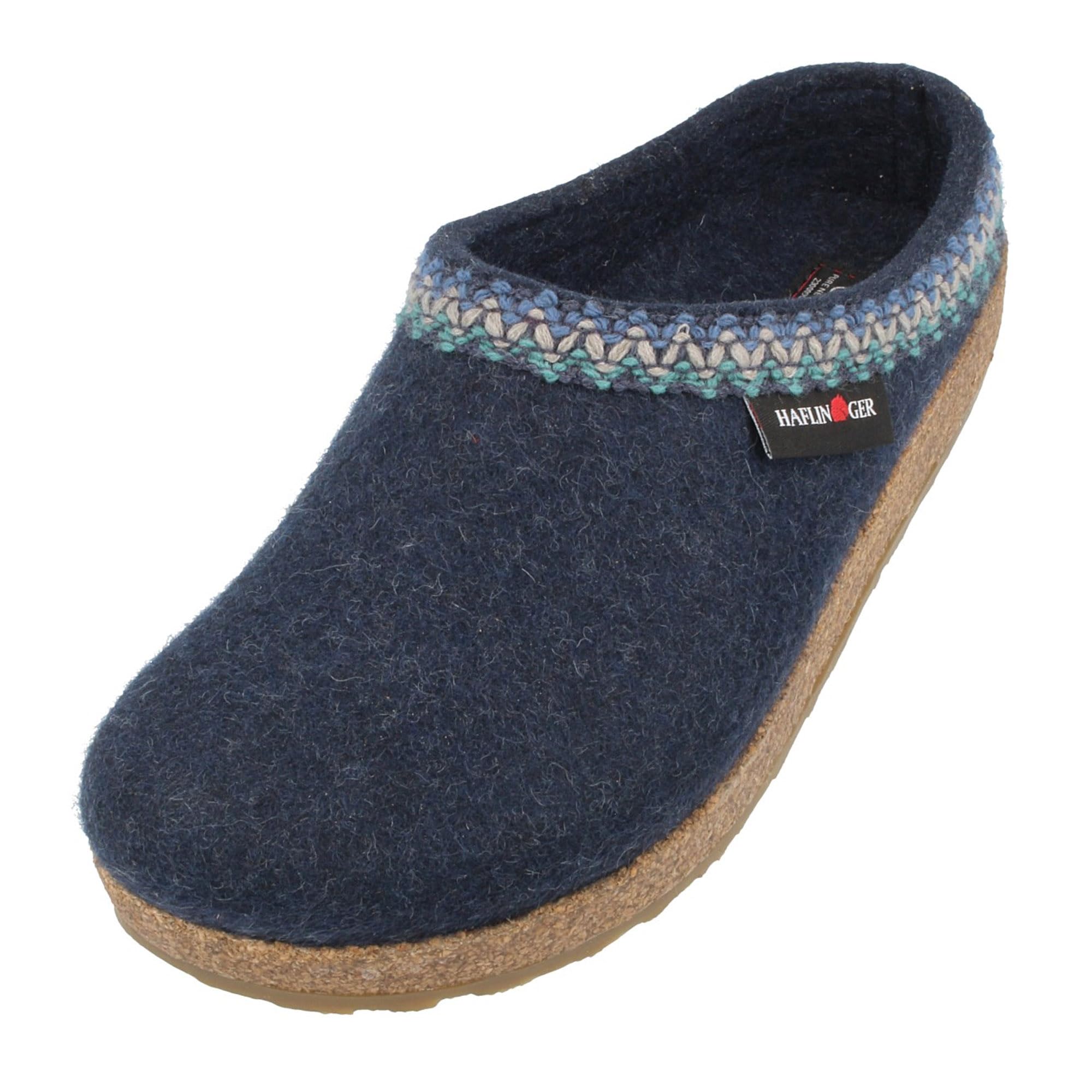

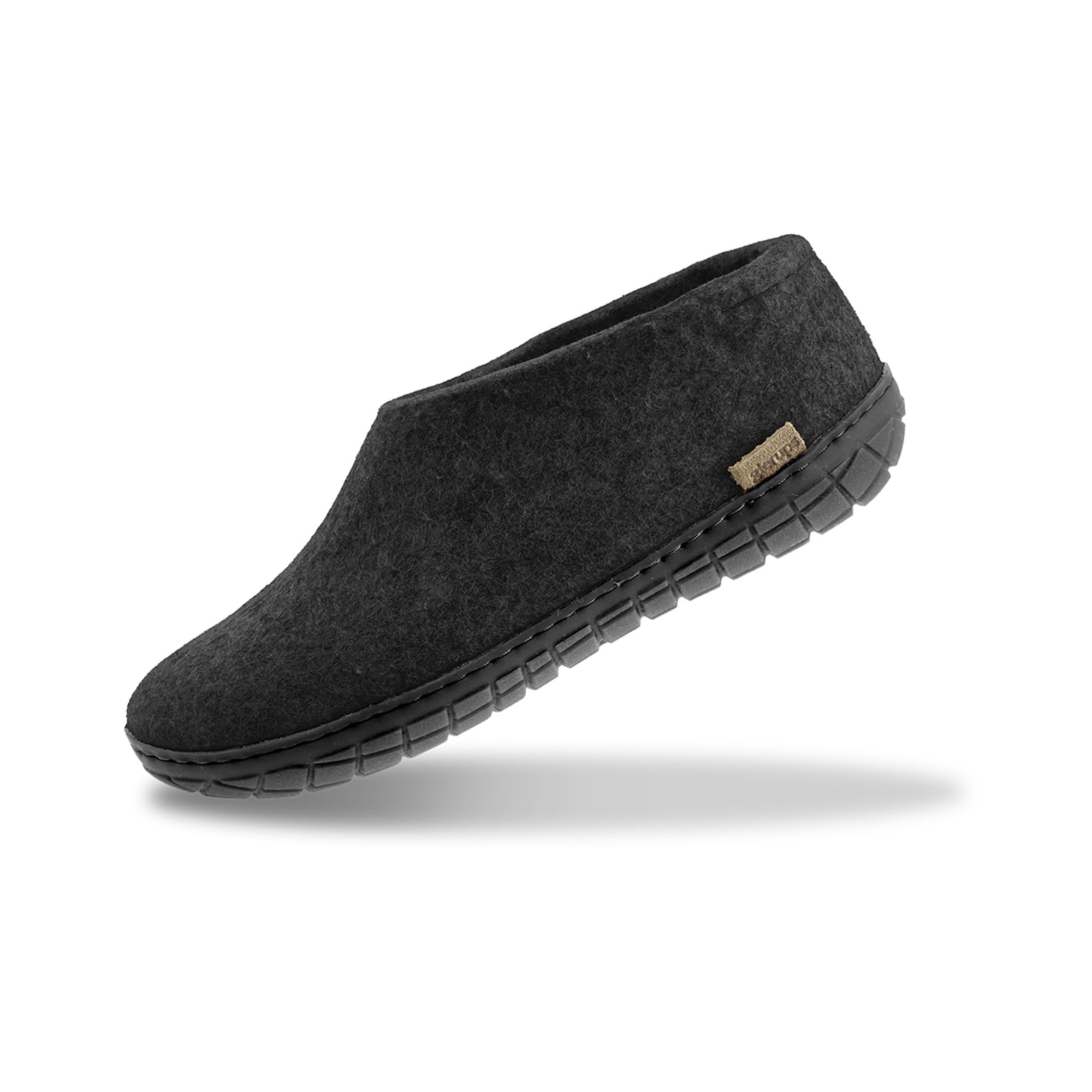



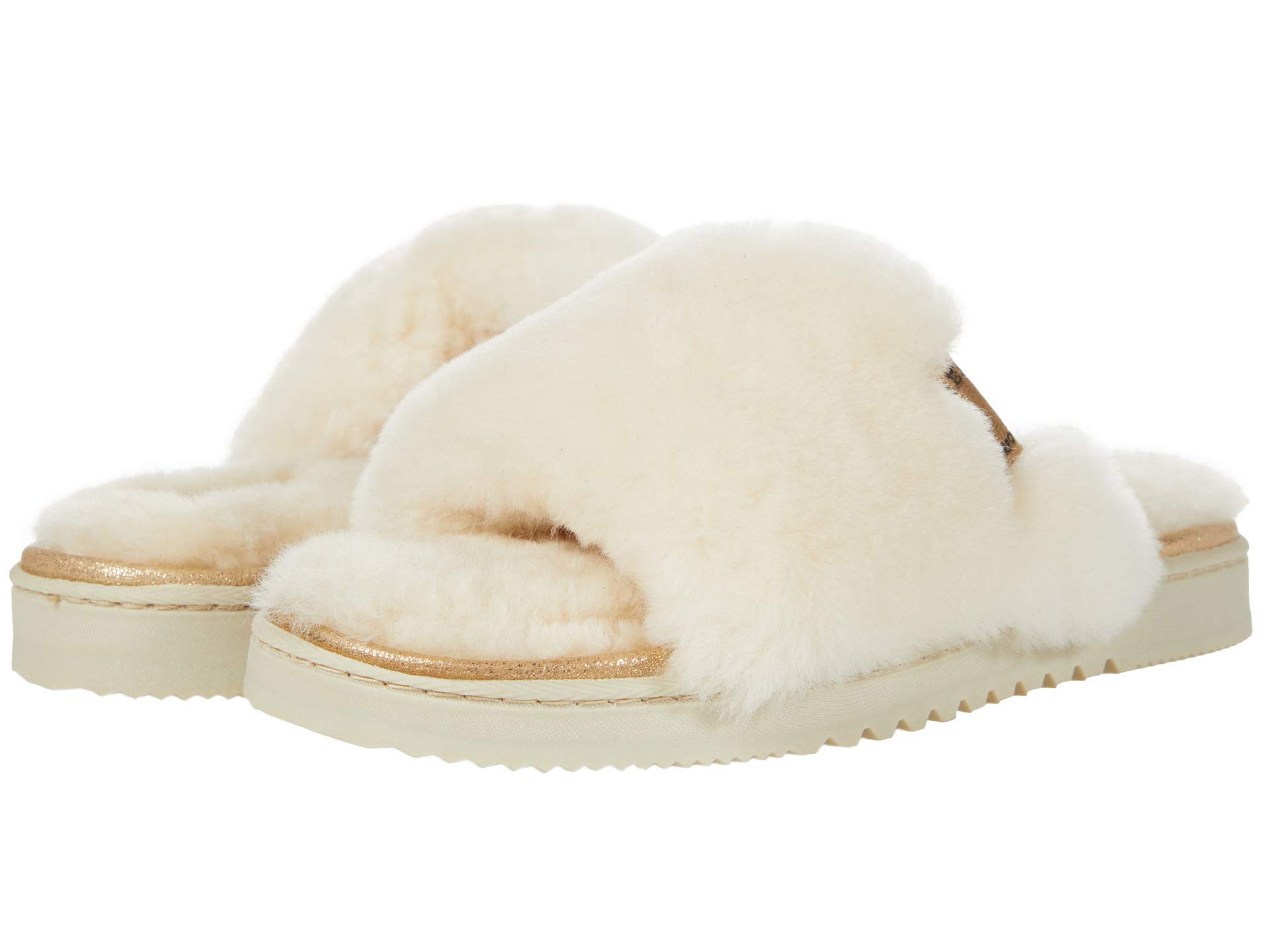


Who Should Buy Branded Slippers
Branded slippers suit buyers who value consistent sizing, warranty support, and materials they can research before buying. They also suit gift buyers, since a known brand reduces guesswork about quality and return options. For a related option, see our guide to best quality slippers.
If you need a highly specific fit, such as a wide width or strong arch support, brand matters less than the individual model. Focus on the specific pair's fit, insole, and sole rather than assuming every model from a brand fits the same. For a related option, see our guide to best slippers for women.
What a Brand Name Does and Does Not Tell You
A brand can signal consistent quality control, available replacement parts, and a clear return policy, which all reduce buying risk. It does not guarantee that a particular model suits your foot shape, your floors, or your daily routine. For a related option, see our guide to best male slippers.
Read model specific details rather than relying on brand reputation alone. Check the insole type, sole material, upper material, and care instructions for the exact pair you are considering. Two models from one brand can differ greatly in support and durability. For a related option, see our guide to best guy slippers.
Fit, Support, and Comfort
Fit should be snug at the heel without pinching toes, since a loose slipper slips on stairs and a tight one causes blisters. A contoured insole supports the arch during long indoor days, while a flat insole suits short, casual wear.
The product table above lists typical insole types, but your own feet decide the fit. Try slippers later in the day when feet are slightly larger, and walk on hard floors and stairs to test heel slip and support before you commit.
Soles for Indoor and Outdoor Use
Indoor soles prioritize quiet, non marking grip on hard floors, while outdoor soles need thicker rubber and better traction for porches and short trips outside. A slipper with an outdoor rated sole costs more but lasts longer if you step outside regularly.
Check sole thickness and tread pattern for your floors. Smooth soles slide on polished floors, while a light tread grips better without marking. If you wear slippers on stairs often, a secure heel and a non slip sole matter more than plushness.
Materials, Durability, and Care
Leather slippers mold to your feet and last well with care, shearling and fleece offer warmth, and synthetic uppers dry faster and often cost less. Durability depends on stitching, sole attachment, and insole quality as much as material choice.
Follow care guidance for the material: air out slippers regularly, clean according to maker instructions, and replace insoles when they flatten. A well cared for pair often outlasts a neglected premium pair by years.
Questions to Ask Before You Order
Before you order, confirm sizing and width, insole support, sole type, and whether the pair suits indoor only or indoor and outdoor use. Check the return policy so you can test fit at home on your own floors.
Wear the slippers for several days during the return window, including stairs and your usual rooms. Daily wear reveals fit and support issues faster than a brief try on.
Slippers for Different Floor Types
Hard floors need a non slip sole with light tread, while carpeted rooms suit a softer sole that grips fibers without catching. If your home mixes floor types, choose a sole that handles both, and test on stairs, since stairs combine hard surfaces with a fall risk.
Tile floors in kitchens and bathrooms get wet, so a water resistant upper and a grippy sole matter there. Keep a separate pair for wet areas if your main slippers are fabric, since repeated wetting shortens fabric life and encourages odor.
Slippers as a Gift: Getting Size Right
Gifting slippers is tricky without size knowledge, so check the recipient's usual shoe size and width preference before ordering. Many brands offer exchanges, so confirm the return policy and keep packaging until the recipient tries them on.
Choose a versatile style and a neutral color for gifts, since personal taste varies. A gift receipt and a note about exchanges make the gift easier to enjoy, and a comfortable, well fitting pair is more appreciated than a fashionable pair that pinches.
Extending Slipper Life With Simple Care
Rotate two pairs if you wear slippers daily, since rotation lets each pair dry and recover between wears. Air slippers after use, replace flattened insoles, and clean according to material guidance. These habits often double slipper life.
Store slippers in a ventilated spot rather than a closed box, and avoid leaving them in direct sun or near heaters. Heat dries leather and weakens adhesives, while trapped moisture encourages odor. Simple storage care preserves comfort and appearance.
Slippers for Cold Floors and Winter Comfort
Cold floors need slippers with insulating uppers and a thick sole that blocks cold from below. Shearling, fleece, and thick felt all insulate well, while a rubber sole adds a barrier against cold tile. Choose warmth that matches your home heating and floor type.
Winter slippers should still breathe, since sweaty feet chill quickly when you sit still. A breathable lining with a warm outer balances insulation and moisture control. Air slippers daily in winter, since damp linings lose insulating power and develop odor.
If your floors are very cold, consider slippers with a closed back and a higher ankle for extra warmth. A secure heel also prevents slipping on cold, smooth floors, which can be slicker in winter when condensation forms.
Frequently Asked Questions
Are branded slippers worth the higher price?
They can be, when the brand brings consistent sizing, better materials, and a clear warranty. However, price alone does not guarantee fit, so judge each model on insole, sole, and construction. A mid priced pair that fits well often beats an expensive pair that slips or pinches.
How should slippers fit?
Slippers should fit snugly at the heel without pinching toes, and your toes should not press against the front. A small amount of room for toe movement is fine, but excessive heel slip causes tripping on stairs. Try slippers later in the day when feet are slightly larger.
Can I wear slippers outside?
Only slippers with an outdoor rated sole are designed for regular outdoor use. Indoor soles wear quickly on rough surfaces and may lack traction. If you step outside often, choose a pair with a thicker rubber sole and check the maker guidance for outdoor use.
How do I clean branded slippers?
Follow the maker care guidance for the material. Most slippers benefit from airing out, spot cleaning, and occasional insole replacement. Avoid machine washing unless the maker allows it, since heat and agitation can damage adhesives, shearling, and leather.
When should I replace slippers?
Replace slippers when the insole flattens, the sole wears smooth, the heel slips persistently, or odor persists after cleaning. Worn soles lose grip and increase fall risk on hard floors. For daily wear, many pairs last one to two years before support fades.
Do branded slippers run true to size?
Sizing varies by brand and model, so check the specific sizing guide for the pair you are considering. Some slippers run large to allow thick socks, while others fit snugly. Order your usual size first, and test fit on hard floors during the return window before committing.
Are memory foam slippers good for all day wear?
Memory foam insoles feel comfortable initially and mold to your foot shape, but they can flatten with daily wear and offer less lasting arch support than contoured insoles. For all day wear, a supportive insole with resilient cushioning often lasts longer. Replace flattened insoles promptly to maintain comfort and support.
Final Thoughts
Choosing well comes down to matching the product to your space, your routine, and your real needs. The product table above is a helpful starting point, but your own measurements and daily habits are the final check. Take time to compare, test during the return window, and choose the best branded slippers option that you will enjoy using every day. If you are torn between two pairs, choose the one that fits best on your own floors after several days of wear, since fit and grip matter more than brand prestige or a small price difference.


