Best Brand of Sandals for Men for 2026: Strengths, Weak Spots, Value
Disclosure: We may earn a commission when you buy through links on this page, at no extra cost to you. As an Amazon Associate I earn from qualifying purchases. Learn more

A budget based guide to the best brand of sandals for men, comparing quality, value and support across price tiers so you can match a brand to your needs.
Two pairs of men sandals can look nearly identical in photos and cost three times apart in price, which makes brand shopping confusing. The gap hides in footbed density, strap hardware, outsole rubber, and how long the pair stays comfortable. This guide compares the best brand of sandals for men by budget tier, so price becomes useful information instead of a guessing game.
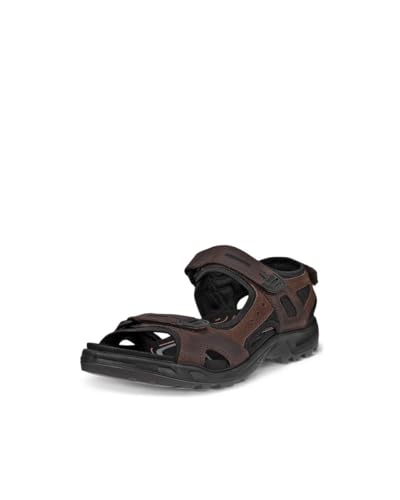
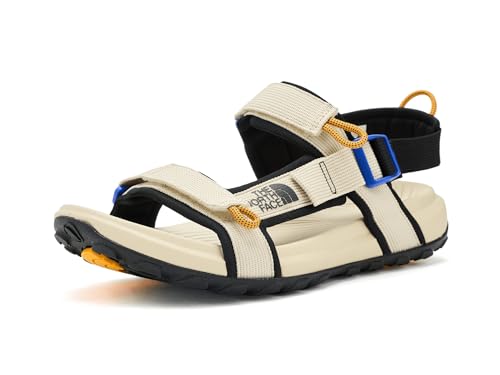
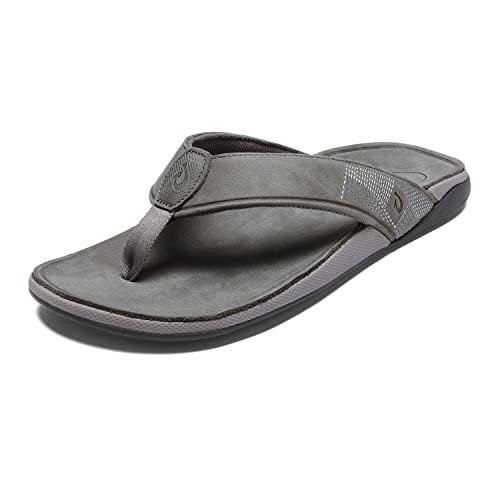
Each tier below explains what your money buys, where brands cut costs, and who should stop at that level. Use the comparison table below to see the live spread of prices, then read with your main use in mind, because a beach pair, a walking pair, and a leather pair for dinners follow different value rules.




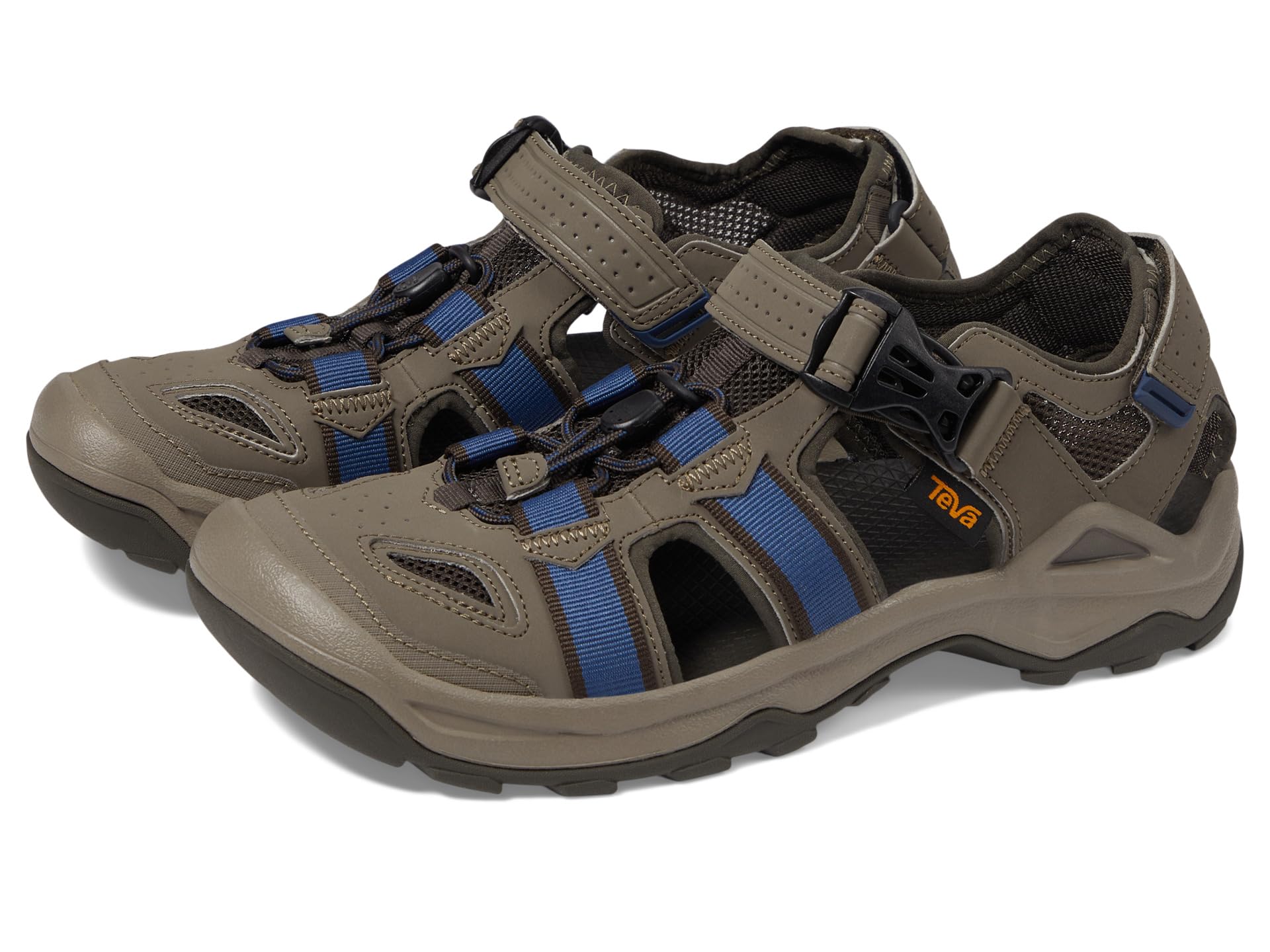
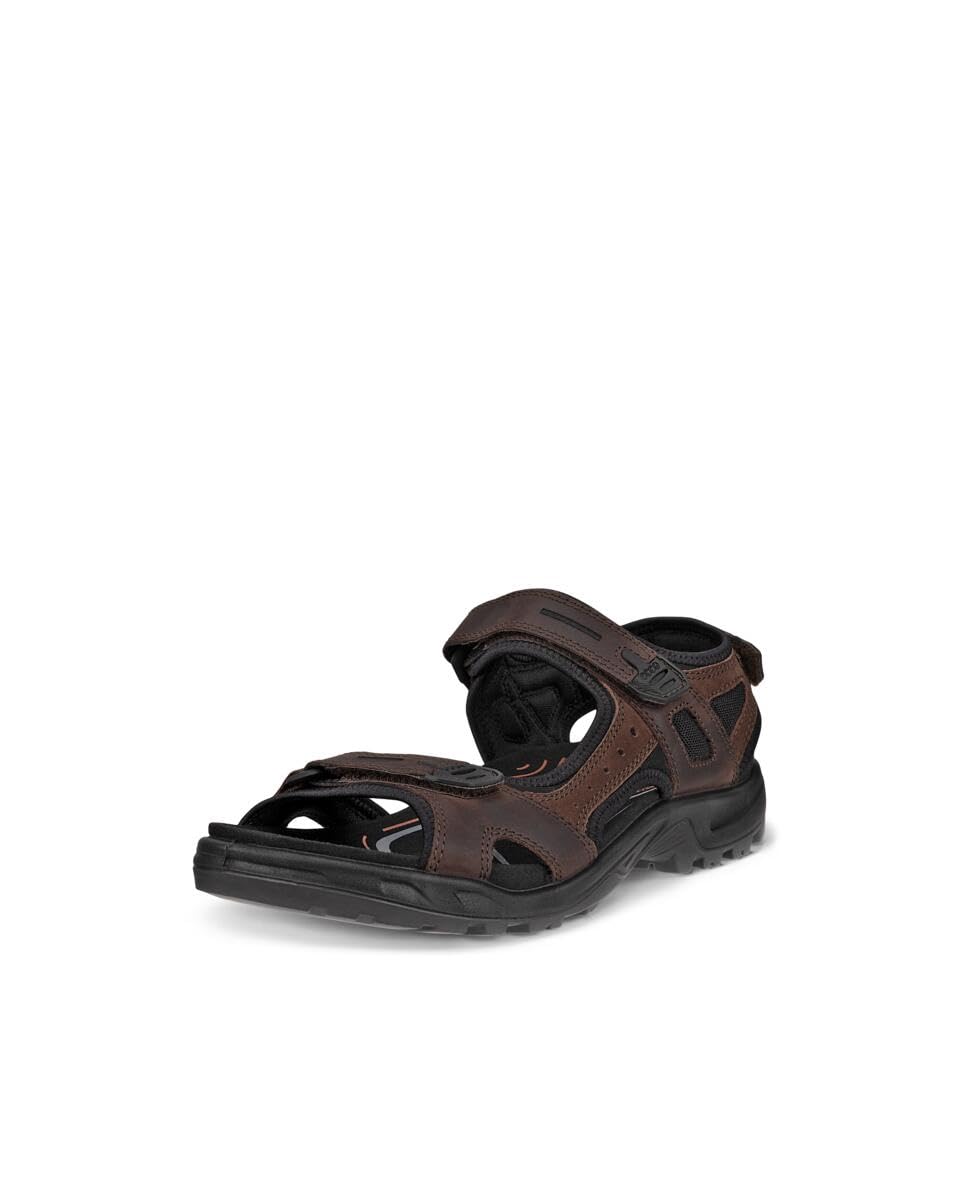
What Makes a Great Sandal Brand?
A great sandal brand is honest about what each price level delivers. Entry lines should still offer even stitching, secure strap anchors, and a footbed that does not collapse in a month. Premium lines should justify their cost with better materials, longer warranties, and support that real people answer. Brands that keep fit consistent across seasons also deserve loyalty, because reordering your size should not feel like a fresh gamble every summer.
Range matters too. Strong brands cover slides, sport sandals, walking models, and leather styles with a clear logic, so you can stay with a fit you trust across uses. They publish materials, weight, and care guidance, and they sell replacement parts where designs allow it. When a brand offers only fashion colors with no fit or durability data, it is telling you its priorities.
Fit, Sizing, and Toe Box
Measure both feet in the afternoon and use the larger measurement against the brand size chart. Men sandals often run on a wide last, but toe box shape varies: some brands taper and suit narrow feet, others stay broad for natural toe spread. Adjustable straps at the heel and forefoot forgive small sizing errors, while single strap slides demand an exact match. If you wear orthotics in shoes, ask whether the sandal footbed is contoured enough to keep your arch position similar.
Durability and Expected Lifespan
Footbed compression ends more sandal lives than broken straps. Dense foam or cork blends hold support far longer than soft, plush foam, which can feel great in the store and flat by late summer. Expect a quality daily pair to serve about two to four summers, rotating with other footwear. Rinse grit from straps, dry pairs away from direct heat, and retire them when the tread smooths or the heel wears at an angle that changes your gait.
Outsole Traction and Terrain
Outsole design should match your ground. Wet pavement needs siped rubber with many fine cuts, trails need deeper lugs, and pool decks need soft rubber that grips smooth tile. Tread depth alone does not guarantee grip, because hard rubber lasts longer but slides more when wet. Brands that state their outsole compound and intended terrain help you choose well. If you mostly walk city streets, a moderate all purpose tread beats aggressive trail lugs that wear down fast on concrete.
Top Brands at a Glance
The tiers below organize the market by spend. The product table above shows current examples, and each tier note covers strengths, weak spots, and the buyer it fits. Remember that a strong brand sells pairs in several tiers, so compare the exact model in front of you against its tier promises.
Value Tier Brands, Under About $50
Value brands cover beach trips, showers, yard work, and spare pairs for guests or gym bags. Expect molded single piece construction, synthetic straps, and flat or lightly shaped footbeds. Comfort is fine for a few hours, but arch support and stability are limited, so these are not all day walking sandals. The bright spot is risk: if sizing feels off, replacement costs little. Inspect strap joints and sole bonding at home, and use the return window quickly if anything feels loose, because early defects predict short life in this tier.
Core Tier Brands, About $50 to $100
Core tier brands give most men the best return per dollar. You get contoured footbeds with genuine arch support, adjustable straps, and rubber outsoles that grip wet sidewalks. Styles widen here too, from sport sandals to casual leather looks that work with shorts or chinos. For daily walking within this budget, our guide to the best walking sandals for men details the support features that matter. Plan on two or three summers of regular use, and expect warranties of about a year against defects.
Premium Tier Brands, About $100 to $180
Premium brands compete on longevity, support, and finish. Footbeds use denser materials that hold shape, leather arrives thicker with cleaner stitching, and hardware feels solid rather than decorative. Men on their feet all day, or with recurring heel pain, often settle here; our guide to the best orthopedic sandals for men explains which support claims are meaningful. The weak spot is fashion risk: an expensive pair in a trendy shape can look dated while it still has years of wear left, so choose classic styling at this price.
Heritage Leather Brands for Dress Casual Wear
Heritage brands build leather sandals meant to age gracefully, with full grain straps that darken and mold to your feet. Prices overlap the premium tier, but the value logic differs: you are paying for appearance and repairability as much as comfort. Cobbler friendly construction, stitched soles and replaceable footbeds on some lines, extends life well beyond glued designs. See our guide to the best leather sandals for men for care routines, and the best looking sandals for men notes for pairing ideas with summer outfits.
Performance Sport Brands for Trail and Water
Sport focused brands spend their budget on grip, drainage, and secure straps rather than looks. Toe protection, contoured footbeds that stay grippy when wet, and lugged rubber define this group. Prices usually sit in the core to premium range, and value depends on how much rough ground you cover. A hiker who crosses streams weekly gets full value; a mostly urban buyer pays for capability that stays unused. Rotate sport pairs after wet hikes so straps and footbeds dry fully, which slows odor and material breakdown.
Comfort and Recovery Brands for Home and Rest Days
Comfort brands build plush, heavily cushioned slides and sandals for home wear, post workout recovery, and sensitive feet. Prices run from value to core tier, and the softness is the point, not a flaw. Stability is limited, so keep these off trails and ladders. Men who own one firm walking pair often add a recovery pair and extend the life of both by rotating. For a wider view of how specialties divide the market, our overview of the best sandals brand options maps the main brand families.
How to Choose Between Brands
Start with the job, then set the tier. Beach and shower duty needs only the value tier, daily walking deserves the core tier, and long standing days or foot pain justify premium support. Within a tier, fit decides: try pairs late in the day, walk on hard floors, and reject any strap rub you feel in the first ten minutes, because it will not improve with mileage.
Then weigh ownership costs. A premium pair with replaceable straps can outlast two core pairs, while a core pair on sale often beats a premium pair at full price. Read the warranty and return terms before ordering, and keep proof of purchase. Brand reputation should confirm your choice, not make it: the model, the tier, and the fit on your own feet carry the decision.
Sandals: Your Questions Answered
What makes sandals for men different from other sandals?
They are built on a longer, usually wider last with strap positions and footbed shaping for a higher instep and heavier average load. That shape, not the color palette, is the real difference. Anyone whose feet match the shape can wear them well. Always check width and arch placement in the size chart, because brands interpret men sizing differently and a half size error shows quickly in open footwear.
Do I need waterproof sandals for men?
Rarely in the membrane sense. Sandals get wet by design, so the practical question is how fast they dry and whether the footbed stays grippy when soaked. Membranes such as Gore Tex belong to closed shoes for cold rain. For summer use choose synthetic straps, drainage friendly footbeds, and rubber that grips wet tile. Leather pairs should stay out of pools and heavy rain, since repeated soaking stiffens and cracks the straps.
Can I wear men sandals all day?
Yes, with the right tier. Core and premium pairs with arch support, a defined heel cup, and adjustable straps handle full days of walking and standing. Flat value slides do not, because your toes grip constantly and your calves tire. Build wear time gradually with any new pair, and if heel or arch pain persists beyond a week of normal use, talk with a doctor or podiatrist about your personal needs.
How long is the break in period for men sandals?
Synthetic sport and walking sandals usually feel right within two or three outings once you dial in strap tension. Leather pairs take longer, often one to two weeks of short wears, as straps soften and the footbed takes your imprint. Wear new leather pairs around the house first, and use socks during early sessions if a strap edge feels firm. Pain that cuts or blisters skin is a fit problem, not a break in stage.
How often should I replace my men sandals?
Replace them when support fades, not on a fixed calendar. Signs include a footbed that stays compressed overnight, tread worn smooth in the heel or forefoot, and straps stretched to the last adjustment hole. Daily wear pairs may last one to three summers, while rotation stretches that span. A quick check is standing balance: if a once stable pair now feels wobbly on one leg, its structure is done.
How should men sandals fit?
The heel belongs fully in the heel cup, the arch support should meet your arch without digging, and your toes need a small margin before the front edge. Straps should hold the foot without leaving deep pressure marks after ten minutes of walking. Fit on hard floors, not carpet, and test a gentle slope if possible, since downhill sliding reveals forefoot strap weakness that flat standing hides.
Are expensive men sandals worth it?
At the premium tier, extra money buys denser footbeds, better leather or webbing, stronger hardware, and longer support life. That pays off for daily wearers and men with foot pain. It pays off poorly for occasional beach use, where a value pair does the same job. Compare cost per summer of expected use, warranty length, and whether parts can be replaced, and the expensive option either justifies itself clearly or it does not.
Final Thoughts
Budget is a useful compass when it is tied to use: value tiers for water and errands, core tiers for daily walking, premium and heritage brands for support and longevity. Recheck the product table above, confirm fit with a careful home trial, and choose the best brand of sandals for men option that matches your ground, your feet, and the summers you expect it to serve.