
Best Brand of Hiking Sandals for 2026: An Honest Comparison
Disclosure: We may earn a commission when you buy through links on this page, at no extra cost to you. As an Amazon Associate I earn from qualifying purchases. Learn more

Compare the best brand of hiking sandals by traction, fit, durability and support, with tier guidance for day hikes, water trails and long summer walks.
Hiking sandals look simple, yet the wrong pair can end a trip with blisters, sore arches, or a slip on wet rock. Dozens of brands claim trail readiness, and their sandals differ more in outsole grip, strap security, and footbed shape than photos reveal. This guide judges the best brand of hiking sandals by criteria you can verify before your first hike.
You will learn what strong trail brands do differently, how price tiers trade comfort against durability, and how fit should feel on real ground. Start with the comparison table below to see the current field, then narrow your choice by terrain, water exposure, and the distances you honestly plan to walk each week.


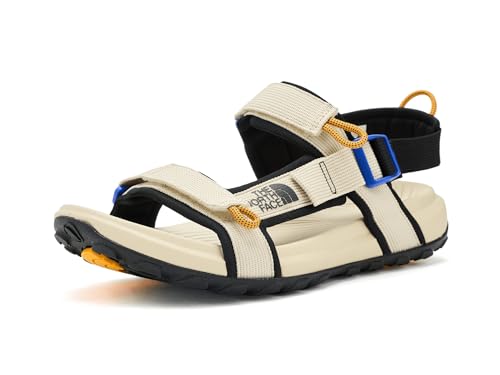
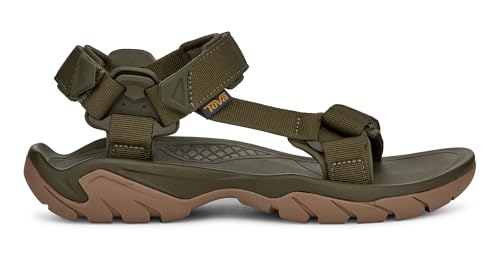
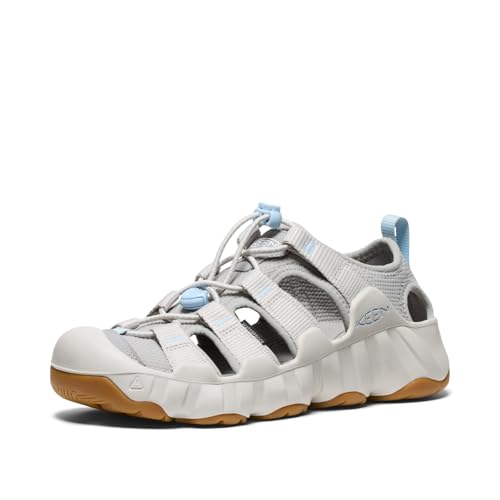


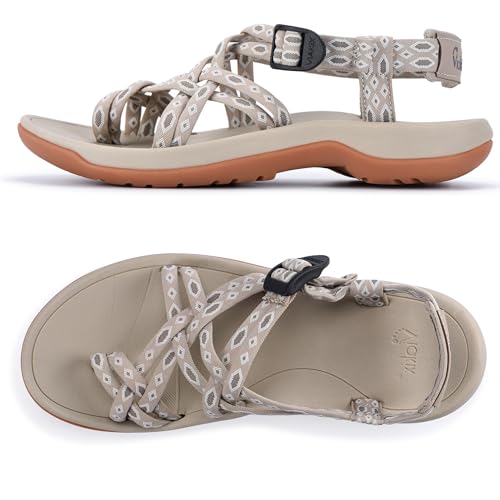
What Makes a Great Hiking Sandal Brand?
A great hiking sandal brand designs for movement, not just standing comfort. Straps must hold the foot without hot spots when you climb, descend, and cross streams, and the footbed must keep grip when wet. Strong brands publish lug depth, weight, and drop figures, offer wide sizes, and keep the same fit from one season to the next so returning buyers can reorder with confidence.
Support and service complete the picture. Look for contoured footbeds with real arch support, toe protection options for rocky trails, and warranties that cover strap anchors and sole bonding. Brands that sell replacement straps or offer resoling guidance extend the life of a pair. When a brand treats a trail sandal like a beach slide with thicker straps, the trail will expose that shortcut quickly.
Fit, Sizing, and Toe Box
Measure your feet in the afternoon and try sandals with the socks you plan to wear, if any. Your toes need room to spread on descents, so choose a toe box that lets them lie flat without touching the front bumper. Most trail brands size close to athletic shoes, but strap layout changes the feel, so confirm free returns. A secure heel strap matters more than a soft footbed, because heel lift on climbs is where blisters begin.
Outsole Traction and Terrain
Traction comes from lug shape, rubber softness, and contact area. Deep, widely spaced lugs shed mud and bite into loose dirt, while flatter patterns grip wet rock and pavement better. Premium rubber compounds, including Vibram style soles, trade slower wear for stronger grip. Match the pattern to your terrain: forest trails need mud clearance, desert rock needs wide contact, and town to trail days need a middle ground. No sandal grips algae covered stone, so step carefully near streams regardless of brand.
Durability and Expected Lifespan
A well used pair of hiking sandals often lasts about 300 to 500 miles before the cushioning and tread fade, similar to the working life of trail shoes. Straps and stitching usually outlast the midsole, which is why a pair can look fine yet feel flat and unstable. Rotate two pairs if you hike weekly, and rinse grit out of strap channels after sandy hikes, because trapped sand saws through webbing over time. Store pairs away from heat, which ages adhesives.
Top Brands at a Glance
Think in tiers and trail specialties rather than single winners. The product table above shows the current range, and the groups below explain what each part of the market delivers and where it compromises. Many brands span two tiers, so judge the exact model, its outsole, and its fit against your feet.
Budget Tier Brands for Easy Trails
Budget brands, often under $60, suit groomed paths, camp wear, and short summer hikes. Expect molded foam footbeds, simple two strap layouts, and tread that handles dry dirt well but feels vague on wet roots. Arch support is usually mild, and cushioning can compress within a season of weekly use. This tier makes sense while you learn whether sandal hiking suits you at all. Check strap anchor stitching before every trip, since budget pairs tend to fail there first, and carry a backup pair of shoes on longer outings.
Midrange Brands for Day Hikes
Midrange brands, roughly about $60 to $110, cover most day hikers well. You get firmer contoured footbeds, three point strap adjustment, and rubber outsoles with meaningful lugs. Many models here handle stream crossings and moderate grades without drama. If you are comparing ratings across this tier, our guide to the best rated hiking sandals explains what owner scores actually reflect. Weight stays reasonable too, which matters on climbs. For hikers who split time between trail and travel, this tier gives the widest choice of colors, widths, and closed toe options.
Premium Trail Brands for Rough Ground
Premium brands, often about $110 to $160, focus on grip, protection, and lifespan. Expect high traction rubber, reinforced toe bumpers, and midsoles that stay supportive past the 300 mile mark. These brands also tend to publish clearer sizing data and honor warranty claims on bonding defects. The cost only makes sense if you hike often or tackle uneven terrain where a slip has real consequences. Lighter hikers on easy trails may never feel the difference, so match the spend to your hardest regular route, not your most ambitious dream trip.
Water Ready Brands for Rivers and Coasts
Water focused brands build around drainage ports, quick drying webbing, and footbeds that stay grippy when soaked. Razor siping on the outsole, thin cuts that flex and channel water, helps on boat decks and wet rock. These sandals dry overnight at camp and resist odor better than padded designs. Our guide to the best hiking and water sandals goes deeper on drainage design. Skip leather here entirely, and rinse salt water out after coastal days to protect metal buckles and strap hardware from corrosion.
Wide Fit and Support Focused Brands
Some brands earn loyalty by serving feet that mainstream lines ignore: wide toe boxes, high arches, and larger sizes. Their sandals use firmer foam, deeper heel cups, and straps placed to avoid bunions and tailor joints. Fit notes from these brands tend to be unusually honest about volume and width. Women shopping across categories may also want our guide to the best hiking sandals for women for last shape differences. Men with orthotics should ask whether the footbed removes cleanly, since many trail sandals glue theirs in place.
Minimalist Brands for Ground Feel
Minimalist brands offer thin, flexible soles with low or zero heel to toe drop for hikers who prefer ground feel and natural foot movement. The trade off is protection and fatigue, because your feet and calves do the work that cushioning usually absorbs. Transition slowly, starting with short flat walks, and stop if pain sharpens rather than fades. This style suits experienced barefoot shoe wearers on moderate trails. Everyone else should treat it as a specialty choice, and our broader look at the best sandals brand market shows where minimalist lines fit among mainstream options.
How to Choose Between Brands
Let terrain decide first, then fit, then price. List your three most common hikes and note surface, water, and distance for each, and buy for the hardest of the three. A model that fits your arch and heel shape from a midrange brand will outperform a premium model that almost fits, because strap rub and heel slip grow worse with every mile, not better.
Test at home on stairs and slopes if you can, wearing a loaded day pack to mimic trail weight. Check that your toes clear the front edge when you press downhill against a step. Review the return window before ordering, and keep indoor trial pairs clean. Brands differ in how they treat exchanges after outdoor use, and that policy is worth real money when sizing runs unusual. For related reading on men specific lines, see the best men's sandals brands overview.
FAQs
How should hiking sandals fit?
Your heel should sit inside the heel cup without overhang, straps should hold snugly without numbness, and toes should clear the front edge by a small margin. Fit feels tighter than a beach slide because trail movement demands control. If your foot slides forward on a home stair test, try a half size change or a model with an extra forefoot strap before accepting the fit.
Do I need waterproof hiking sandals?
No, and most trail sandals skip waterproof membranes on purpose. Open designs drain instantly and dry fast, while a membrane such as Gore Tex belongs in closed footwear for cold, damp days. Waterproof boots make sense for mud season or snow melt, but in summer a hiking sandal that manages water beats one that tries to block it. Choose quick drying straps and a grippy wet footbed instead.
Can I wear hiking sandals all day?
Yes, on trails and in town, provided the footbed supports your arch and the straps stay adjusted. Rotate footwear on multi day trips when you can, and give feet a rest if hot spots appear, because a small rub at mile three becomes a blister at mile nine. If you have diabetes or poor circulation, talk with your doctor before long sandal hikes, since open footwear raises cut and infection risk.
How long is the break in period for hiking sandals?
Most synthetic trail sandals need only two or three short walks to settle straps and reveal rub points. Leather models can take two weeks of gradual wear. Wear new pairs on walks near home first, adjust straps as materials relax, and never debut any footwear on a long planned hike. A thin layer of anti friction balm on known rub spots helps during the first outings.
Are expensive hiking sandals worth it?
They are worth it when you hike often, carry a pack, or cross wet and rocky ground where grip and support prevent falls. Premium cost buys better rubber, stronger strap anchors, and longer midsole life. Occasional walkers on groomed paths gain little, because budget and midrange pairs already cover that ground safely. Judge by cost per season of real use rather than by the launch price or the logo.
How often should I replace my hiking sandals?
Replace them when lugs smooth down, the midsole feels flat, or straps stretch beyond their adjustment range. For weekly hikers that is often every one or two seasons. A practical check is wet pavement: if a pair that once gripped now slides on painted crosswalk lines, the rubber has hardened or worn past its useful life, even if the upper still looks presentable.
The Bottom Line
Match the tier to your terrain: budget pairs for easy paths, midrange brands for most day hikes, premium lines for rough ground, and water ready designs for rivers and coasts. Recheck the comparison table above with your shortlist and your honest weekly mileage, then choose the best brand of hiking sandals whose fit and outsole suit the trails you walk most, not the trails you hope to walk someday.


