
Best Brand for Elliptical: Stride, Fit and Build by Brand Tier for 2026
Disclosure: We may earn a commission when you buy through links on this page, at no extra cost to you. As an Amazon Associate I earn from qualifying purchases. Learn more

Match the best brand for elliptical training to your height, stride and workout style, from compact home models to long-stride, heavy-frame machines.
Two people can walk into the same store, ask for the best brand for elliptical training and leave with different machines, and both can be right. A 5 foot 2 beginner and a 6 foot 3 runner do not need the same stride, and a brand that excels at one often makes only an average version of the other. This guide matches brands to the person using them, so the product table makes sense for your body and your routine.
Start with your height, how often you will train and how much space you have. Those three facts narrow the field faster than any brand ranking.


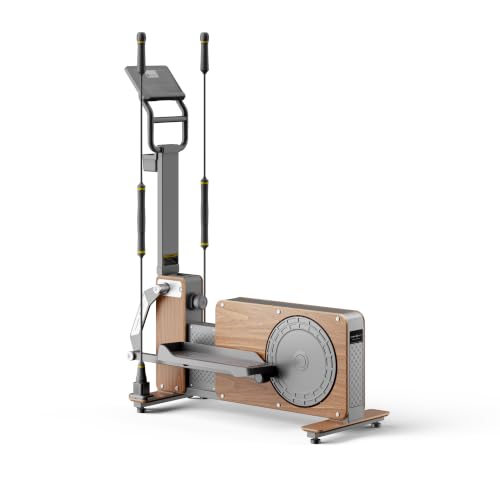
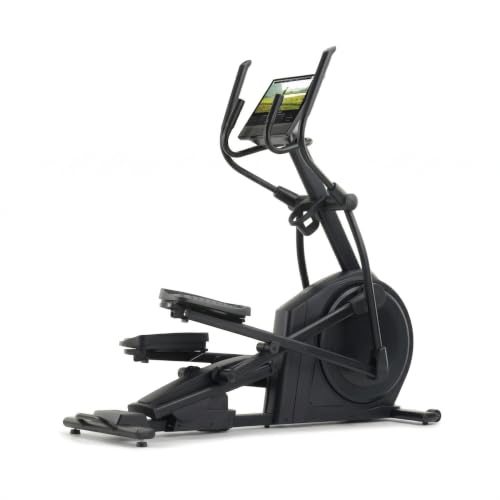

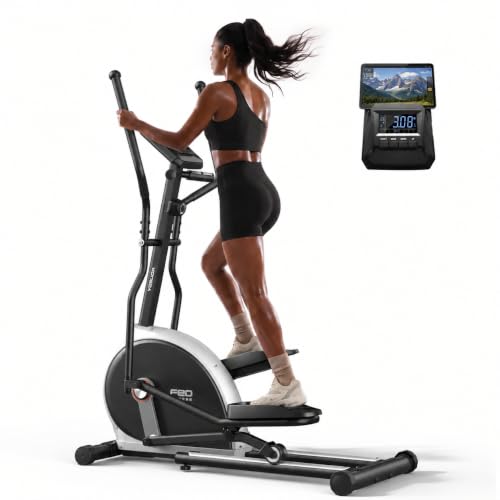
Start With Your Height and Stride Length
Stride length is the single most personal spec on an elliptical. If it is too short for you, every rotation feels cramped and your knees work against the machine. If it is too long, your hips rock to reach the pedals. As a rough guide, users under about 5 foot 4 are comfortable at 14 to 16 inches, most adults between 5 foot 4 and 6 foot do well at 16 to 18 inches, and taller users usually prefer 18 to 20 inches or an adjustable stride.
Brands tend to specialize here. Premium makers more often offer 18 to 20 inch strides and adjustable stride lengths, mid-range makers cluster around 16 to 18 inches, and compact specialists stay shorter to save floor space. Check the stated stride for each model rather than assuming it from the brand.
Brand Tiers and What Each One Is Good At
Premium Brands: Long Stride and Heavy Frames
Premium names build heavier flywheels, thicker steel and larger pedals, which gives a smooth, quiet motion even at high resistance. They suit tall users, heavier users and anyone training most days. You also get stronger weight ratings and longer parts coverage. The trade-off is size and delivery weight, so measure the room and the stairs before you order.
Mid-Range Brands: Balanced Value
Mid-range makers offer 16 to 19 inch strides, magnetic resistance and consoles with a few workout programs at a price many households can manage. They are the sensible choice for regular but not extreme training. Look at the weight capacity and the flywheel weight, which are the quickest guides to how solid the frame will feel.
Compact and Specialist Brands
Some makers concentrate on smaller footprints, seated or recumbent designs, or folding frames. They give up stride length and sometimes console features in exchange for space. They fit apartments, shared rooms and users who want a gentler motion, and they are not the right pick if you want a gym-like workout.
Drive Layout: Front, Rear or Center
Where the flywheel sits changes how the machine feels and how much space it takes. Front-drive machines are compact and affordable, with a slightly steeper pedal path. Rear-drive machines have a flatter, more natural path and often a longer stride, but they are longer overall. Center-drive designs aim for a smooth, compact motion. The brand matters less than the layout, so compare the drive type in each model's description and match it to the room you have.
Resistance, Incline and Console Extras
Magnetic resistance is quiet and low maintenance, so it is the standard in this class. Higher resistance level counts do not always mean a bigger range, so read how the lowest and highest levels feel in buyer comments. Incline is worth having if you like variety, because it shifts the work toward the glutes and hamstrings. Bluetooth or app support is a bonus for guided classes, but check whether the content needs a subscription before you count on it.
Comparing Brands Fairly
When two brands both fit your height and budget, break the tie with practical points. Compare weight capacity, because a higher rating usually signals a stronger frame. Compare the warranty lines for frame, parts and labor. Compare the footprint with the space you have, including room to step on and off. Finally, compare delivery and return terms, because an elliptical is a large item and a return is only practical if the process is clear.
- Check the stated stride against your height.
- Check the weight capacity against the heaviest person who will use it.
- Check the length and width with a tape measure, plus ceiling height for the pedal rise.
- Check what the console shows and whether any feature needs a paid plan.
Who Should Buy Which Kind of Elliptical
A tall runner who wants a low-impact cross-training day should look at long-stride premium machines, since a short stride would feel like a step down from running form. A household that shares one machine among adults of different heights benefits from an adjustable stride or a mid-range 18 inch design that sits comfortably between short and tall users. A beginner returning to exercise may value a lower step-up height, sturdy handles and simple controls more than the longest stride on the market.
If you are unsure, favor the brand with the clearer return policy. A machine that feels wrong in the first two weeks should be easy to send back, and that matters more than a small difference in console features. The best brand for elliptical shopping always comes back to fit first and extras second.
Setup, Placement and Care
Assemble the machine where it will live, because moving a finished elliptical is awkward. Put it on a firm mat and leave at least a couple of feet of clear space at the back and sides. Tighten every bolt after the first week, then check them monthly, since vibration slowly loosens fittings. Wipe the rails and pedals after each session and keep the console away from direct sunlight.
If the machine develops a click, find it early. Most noises come from a loose pedal arm or a dry pivot, and both are easier to fix when you catch them promptly than after weeks of use.
Frequently Asked Questions
Which brand type suits a tall user?
Tall users usually do best with premium or large-stride models that offer 18 to 20 inches of stride and a sturdy frame, so the legs can extend fully without bumping the end of the stroke.
Is a long stride always better?
No. A long stride suits tall users and fitness-focused training, but it needs more space and can feel awkward for shorter users. Match the stride to your height.
Do I need an elliptical with incline?
You do not need one, but it adds variety and can make workouts more demanding without adding impact. It is a useful feature if you plan to use the machine for several months or years.
How much space does a premium elliptical need?
Many full-size models are around 5 to 6 feet long and 2 feet wide, plus space to get on and off. Check the exact dimensions and ceiling height on the listing.
Final Thoughts
The best brand for elliptical training is the one that makes a machine in your size range, with a stride that fits your legs and a warranty you have read in full. Use the product table to see the long-stride and premium options side by side, and let your height, space and routine decide between them. Ask your doctor before starting a new exercise routine if you have a health concern.


