Best Brake Disc Hardware Kits for a DIY Brake Job
Disclosure: We may earn a commission when you buy through links on this page, at no extra cost to you. As an Amazon Associate we earn from qualifying purchases. Learn more

If your brakes are squeaking, rattling over bumps, or wearing your pads unevenly after a recent brake job, worn hardware is often the real culprit. The best brake disc hardware kits replace the small spring clips, caliper slide pins, bushings, and shims that keep your brake pads seated, quiet, and moving freely inside the caliper bracket. Skipping this small step when you replace pads or rotors is one of the most common reasons DIY brake jobs end up noisy. This guide covers what these kits contain, which materials hold up best, how to match a kit to your specific vehicle, and the mistakes that send people back under the car a second time.
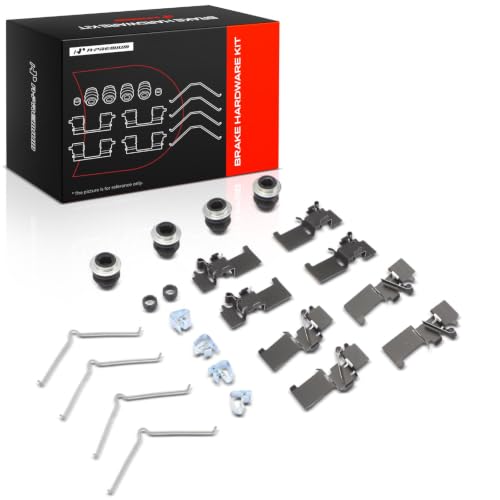
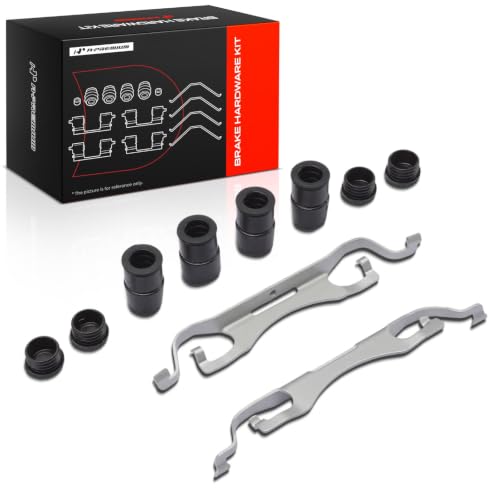
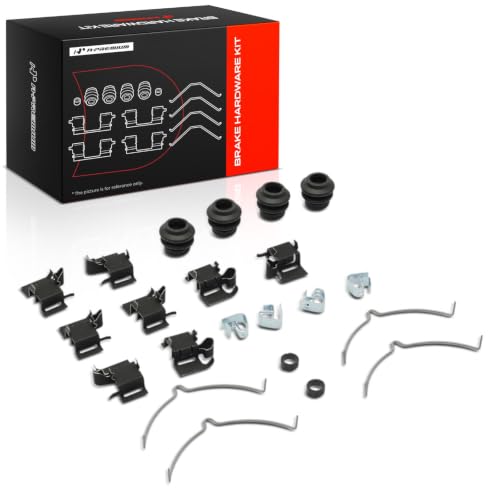
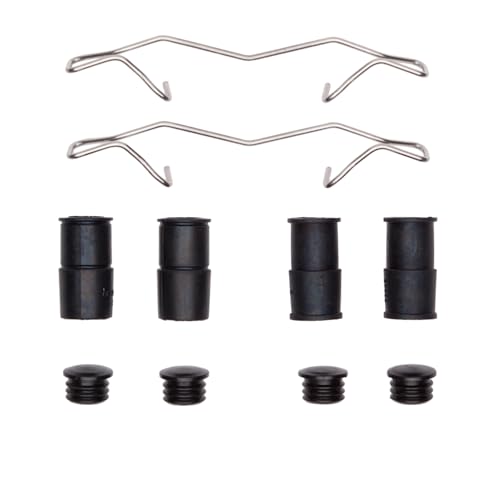
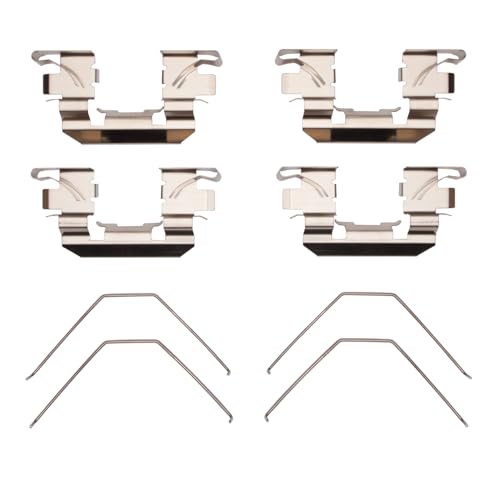
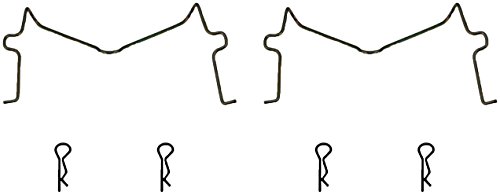
What's Actually Inside a Brake Disc Hardware Kit
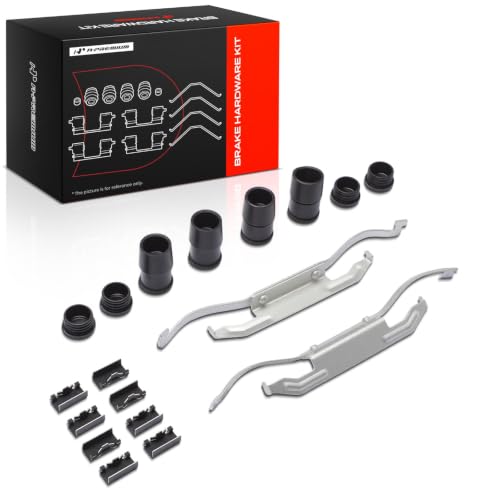
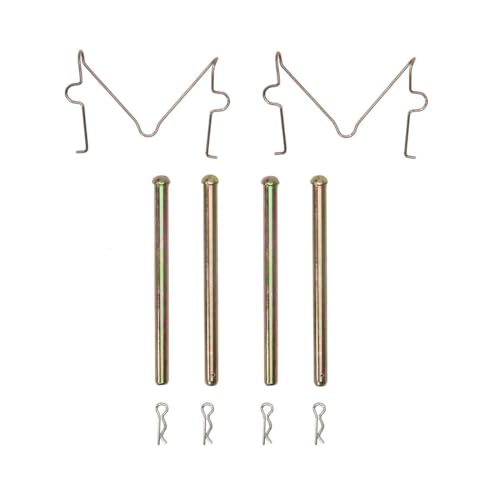
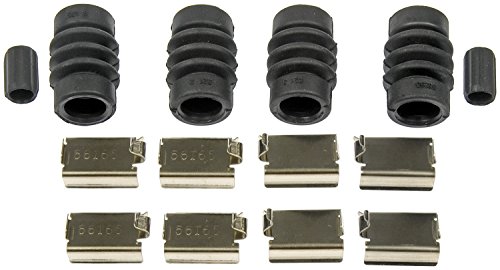
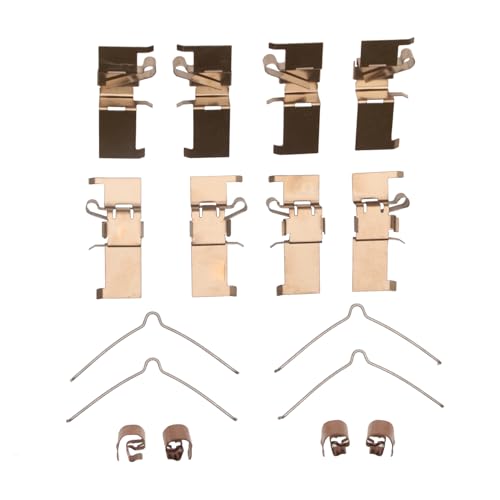
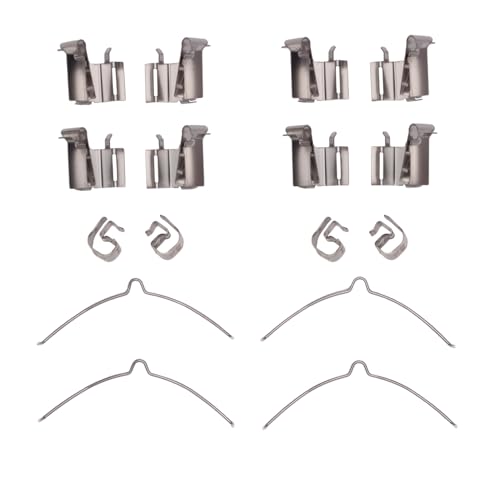
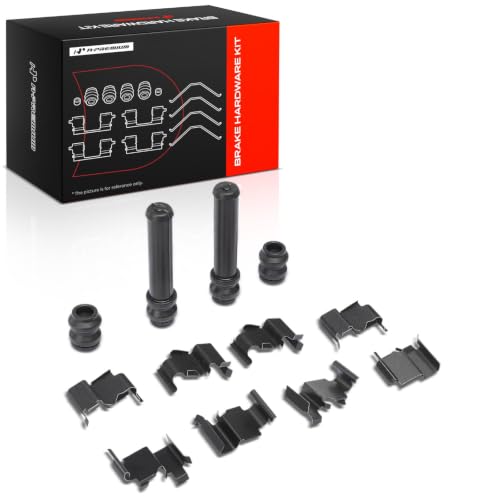
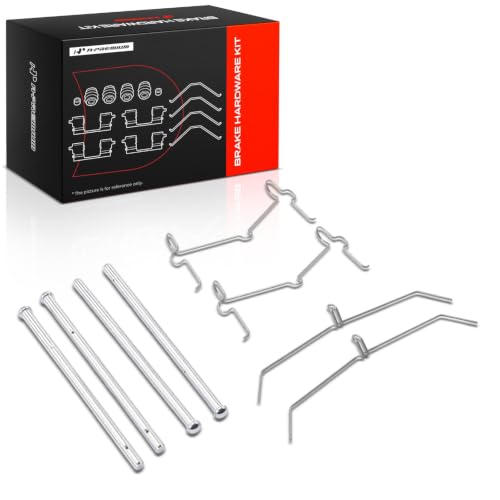
A typical kit bundles a handful of small parts that rarely get much attention until they fail. Anti-rattle clips are thin spring-steel pieces that wedge between the brake pad and the caliper bracket, holding the pad snug so it does not vibrate against metal every time you hit a pothole. Caliper slide pins, sometimes called guide pins, let the caliper move freely as the pad wears down, and they usually come with rubber boots that keep dirt and moisture out.
Bushings cushion the caliper where it contacts the bracket, absorbing vibration and preventing metal-on-metal wear over time. Shims sit between the pad backing plate and the caliper piston to dampen vibration and cut down on brake squeal. Some kits also include small springs, retainer clips, or abutment hardware depending on the caliper design. None of these parts costs much on its own, but together they decide whether your brakes feel tight and quiet or loose and noisy.
Why Skipping Hardware Replacement Costs You Later
It is tempting to reuse the old clips and pins when you are already elbow deep in a brake job, especially if they still look fine. The problem is that spring steel loses tension over time from constant heat cycling, and a clip that has lost its spring force will not hold the pad tight even though it still looks intact. That loss of tension is what leads to the rattling and squeaking that shows up weeks after what felt like a clean brake job.
Worn bushings and pins cause a different problem: they let the caliper drag or stick instead of sliding evenly, which wears one pad faster than the other and can make the car pull slightly to one side under braking. Fresh hardware costs very little compared with pads and rotors, so replacing it during the same job is cheap insurance against a comeback repair.
Stainless Steel vs Galvanized: Picking Hardware That Won't Rust Out
Material matters more than most people expect for parts this small. Galvanized hardware is coated in zinc, which sacrifices itself to protect the steel underneath, and it works fine for a while. Once that coating wears through from road salt, moisture, and brake heat, though, the bare steel underneath starts to corrode, and a rusted clip loses its spring tension fast.
Stainless steel hardware resists corrosion because the chromium in the alloy forms a protective layer that does not wear away the same way zinc plating does. It costs a bit more, but it holds its shape and tension much longer, which matters most if you live somewhere with road salt, coastal humidity, or heavy winter driving. For a kit you only want to install once, stainless is usually worth the small price difference.
Matching Hardware to Your Vehicle's Year, Make, and Model
Brake hardware is not one-size-fits-all, even though some kits are marketed as universal. Clip width, spring tension, pin length, and bushing diameter are all engineered around a specific caliper design, and a kit meant for one platform can fit loosely or bind on another. A loose-fitting clip will not hold the pad the way a properly sized one does, which defeats the purpose of replacing it in the first place.
Shopping for the best brake disc hardware kits starts with knowing your exact vehicle fitment rather than just the caliper brand. Search by your year, make, model, and sometimes trim, since brake systems can differ between front and rear axles or between base and upgraded brake packages on the same model. Front and rear kits are also rarely interchangeable, so double check which axle you are working on before you order.
Common Mistakes That Lead to Squeaky or Uneven Brakes
The most common mistake is reusing corroded or bent hardware to save a few dollars, then wondering why the new pads squeal within a month. If a clip looks flattened, rusted, or has lost its spring shape, it belongs in the trash, not back in the caliper.
Another frequent issue is buying a generic kit without checking fitment against the vehicle's actual axle and trim, which leads to hardware that is close but not quite right. Skipping brake lubricant on the contact points is another small step that causes big noise, since dry metal-on-metal contact between the pad and hardware is a common source of squeal even with brand-new parts. Finally, mixing old hardware with new pads, instead of replacing the whole set together, often leaves one weak link that undoes the rest of the job.
Frequently Asked Questions
Do I really need to replace brake hardware every time I change pads?
Not always, but it is worth inspecting closely. If the clips, pins, and bushings are free of rust, still spring back into shape, and show no visible wear, many people reuse them. If there is any corrosion or the metal has lost its tension, replace it while the caliper is already apart.
What happens if I skip the hardware kit during a brake job?
You may not notice anything at first, but worn clips and bushings often lead to squeaking, rattling over bumps, or a caliper that does not slide smoothly. Over time that uneven movement can wear one pad faster than the other.
Are universal brake hardware kits worth buying?
Universal kits can work in a pinch, but they are a compromise. Vehicle-specific kits are sized to match your exact caliper design, so the clips and pins hold their tension and fit properly instead of sitting loose.
Why do new brakes still squeak after I install fresh pads?
Squealing after a pad replacement is often traced back to old or missing hardware rather than the pads themselves. Dry contact points, worn shims, or reused clips that have lost tension are common causes.
Is stainless steel brake hardware really better than standard plated steel?
For most drivers, yes, especially in areas with road salt or high humidity. Stainless steel resists corrosion far longer than galvanized or plated steel, so the clips and pins keep their spring tension for more seasons.
Can worn brake hardware actually be dangerous?
It is more of a comfort and wear issue than a sudden safety failure in most cases, but a caliper that sticks or drags because of worn pins can cause uneven braking force from side to side, which is worth addressing rather than ignoring.
How do I know which hardware kit fits my car?
The most reliable way is to shop by your vehicle's exact year, make, model, and axle, since front and rear kits are usually different and not interchangeable.
Getting the Most Out of Your Next Brake Job
The best brake disc hardware kits are the ones matched exactly to your vehicle and built from corrosion-resistant material that will still be doing its job years from now. They are small, inexpensive parts, but they play a real role in how quiet and smooth your brakes feel after a DIY job.