
Best Braiser Pans: The Complete Buying Guide for Home Cooks
Disclosure: We may earn a commission when you buy through links on this page, at no extra cost to you. As an Amazon Associate we earn from qualifying purchases. Learn more
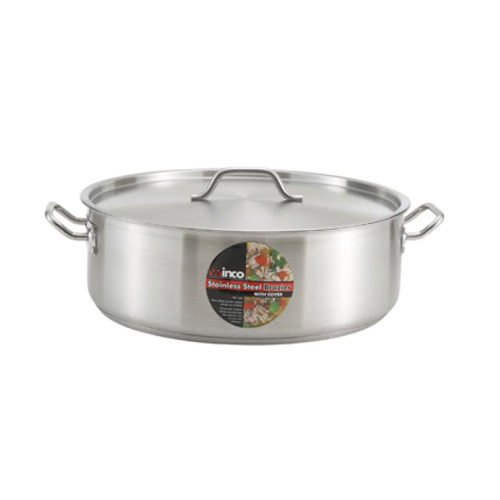
Some dishes need a hard sear followed by a slow, gentle simmer, and no single pan handles both jobs quite like a braiser. If your stews come out watery, your roasts dry out under a tight lid, or your cookware collection only has a shallow skillet and a deep stockpot, you are probably missing the piece that sits right in between. Finding the best braiser pans for your kitchen starts with understanding size, material, and lid design, long before you start comparing individual products. In this guide, you will learn how a braiser differs from a dutch oven, which material actually fits the way you cook, what size makes sense for your household, and the small design details that decide whether you reach for this pan every week or leave it in the cabinet.

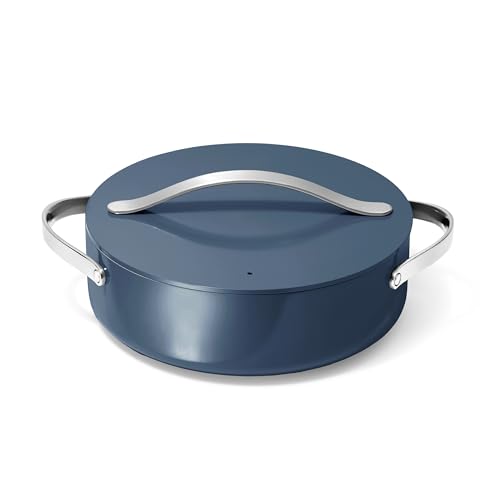
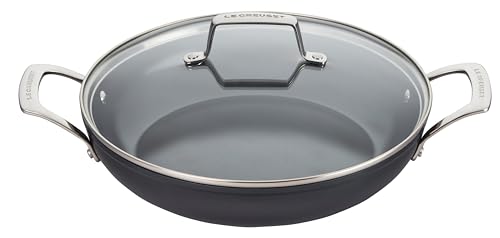
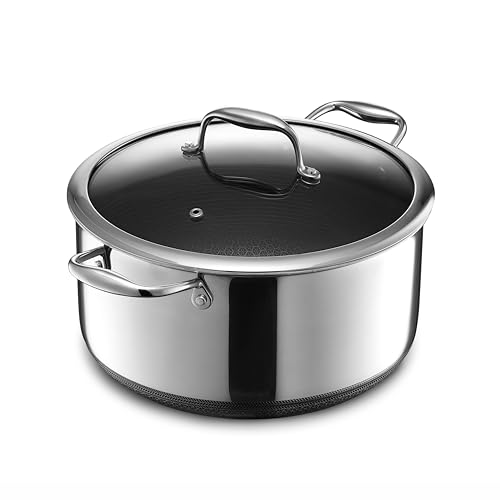
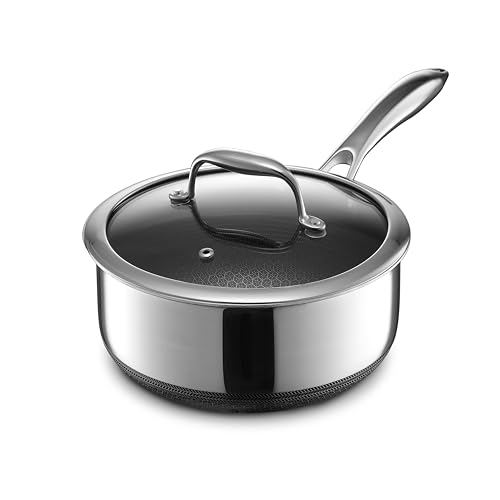
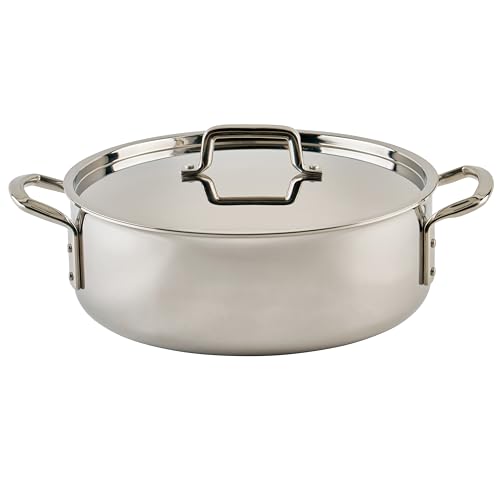
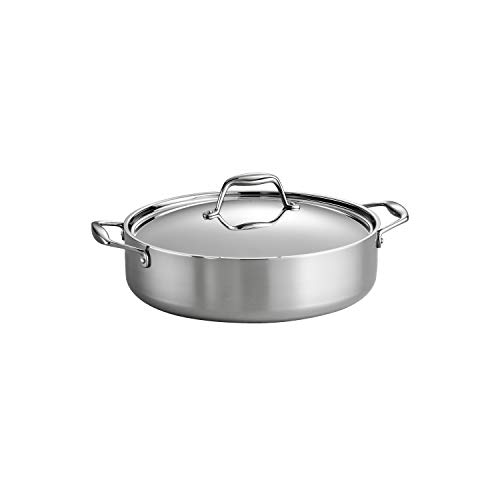
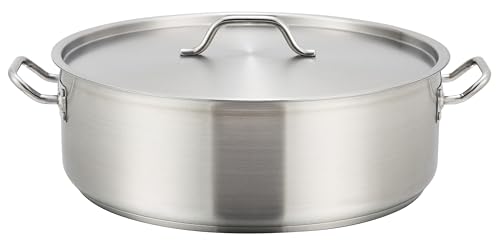
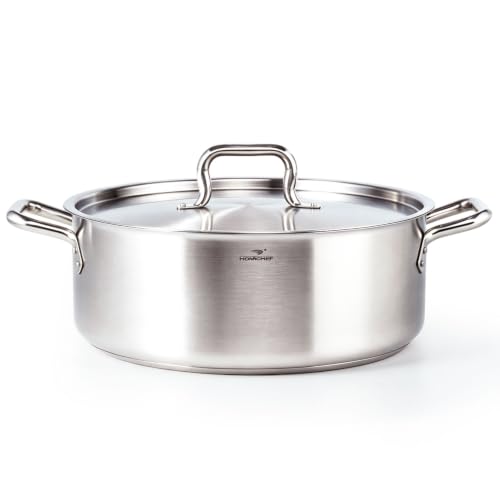
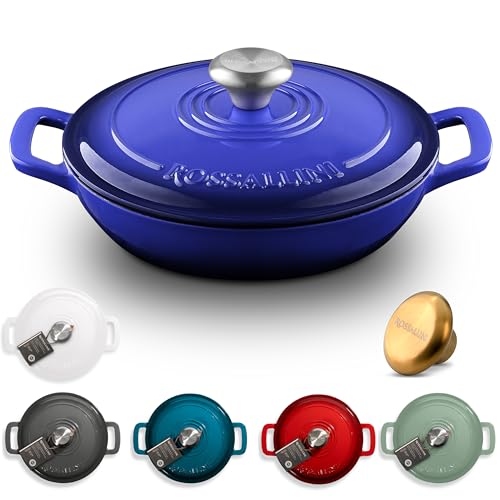
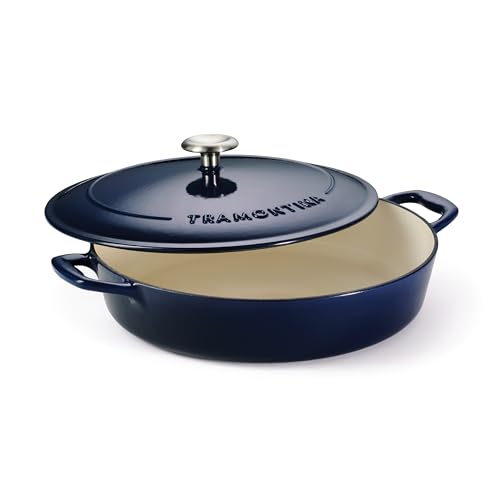
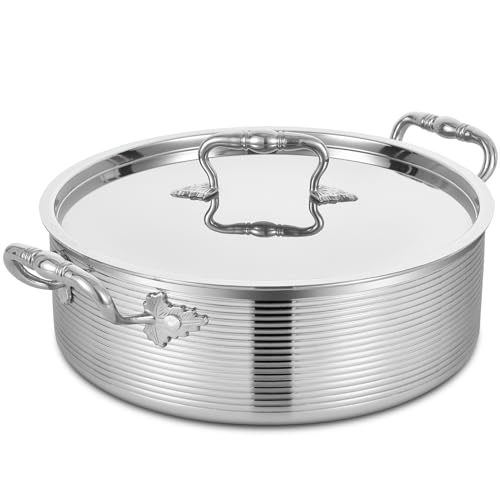
Material Options: How Enameled Cast Iron, Stainless, and Ceramic-Coated Braisers Compare
Material is where most buying decisions start, and it has more impact on day-to-day performance than almost any other spec. A braiser pan needs to do two things well: hold a strong, even sear and then transition into a gentle, sustained simmer without scorching the bottom. Different materials handle that combination in different ways.
Enameled Cast Iron
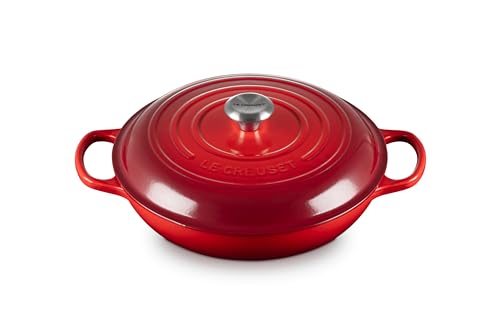
Enameled cast iron is the material most home cooks picture when they hear the word braiser, and there is good reason for that. It heats slowly but holds heat extremely well, which makes it forgiving for long, low simmers where you want the pan to keep working even after you turn the burner down. The enamel coating also makes it safe for acidic ingredients like tomatoes and wine, something bare cast iron cannot always claim. The tradeoff is weight; a full enameled cast iron braiser and lid can be noticeably heavier than other options, which matters if you plan to lift it in and out of the oven often. For related options in this material, our guide to cast iron cookware sets covers how enamel quality tiers affect chip resistance over years of use.
Stainless Steel and Multi-Ply Clad
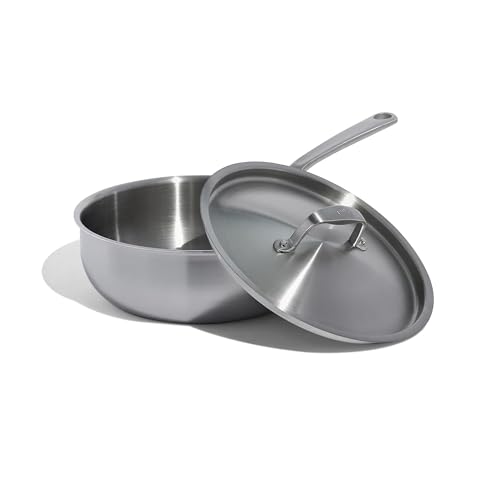
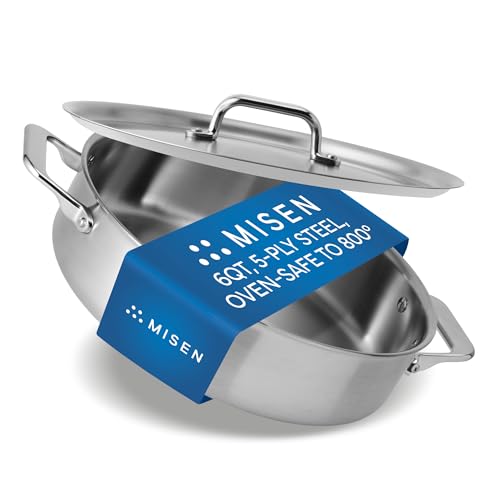
Stainless and multi-ply clad braisers respond faster to heat changes than cast iron, which makes them better suited to cooks who like to adjust the flame frequently while searing or reducing a sauce. They are also considerably lighter, which shows up as an advantage every time you carry a full pan from stovetop to oven and back. The main compromise is heat retention: once you take a stainless braiser off the burner, it cools faster, so it is less ideal for extremely long, unattended braises. If you already lean toward this material, it is worth comparing against a full stainless steel cookware set to see whether a matching braiser fits your existing pieces.
Ceramic-Coated and Nonstick Options
Ceramic-coated braisers have become more common as an alternative to traditional enamel, marketed mainly on being free of certain nonstick chemical coatings while still offering easy release and simple cleanup. They tend to sit between cast iron and stainless in weight, and they can be a reasonable middle ground for cooks who want low maintenance over maximum heat retention. Keep expectations realistic here: any nonstick-style surface, ceramic or otherwise, will not develop the deep browning that a bare metal or enameled surface achieves during a hard sear.
Picking the Right Size for How You Actually Cook
Among the best braiser pans on the market, size is often the detail people get wrong first. Braiser sizes are almost always listed in quarts, and getting this number wrong is one of the most common regrets people mention after buying one. A rough rule many cooks use is about one liter, or roughly one quart, of finished dish per serving, though that estimate shifts depending on how much liquid a particular recipe uses.
Cooking for One or Two
For a single person or a couple who cooks modest portions most nights, a braiser in the 2 to 2.5 quart range is usually enough. It heats up quickly, uses less oil and liquid per batch, and still has enough capacity to handle a few servings when you have a guest over. Anything smaller starts to feel more like a saute pan than a true braiser.
Family-Size and Entertaining
A 3.5 quart braiser is the size most manufacturers treat as their standard, and it works well for families of four to six without becoming too heavy to maneuver comfortably. If you regularly cook for six to eight people, or you like having leftovers for the next day, sizing up to 5 quarts or larger gives you more room without needing a second batch. The tradeoff at the largest sizes is weight and stovetop footprint, so measure your burner spacing and oven clearance before committing to the biggest option available.
Lid, Handles, and the Details That Affect Everyday Use
Once material and size are settled, the details that separate a pan you love from one that just sits there usually come down to the lid and the handles.
Domed Lid vs Low-Profile Lid
A domed lid gives food more room to circulate steam and moisture as it cooks, which can help larger cuts stay evenly tender. A lower, flatter lid sits closer to the food and traps less air, which some cooks prefer for shorter braises where they want more concentrated flavor and less dilution. Glass lids let you check progress without lifting the lid and losing heat, while solid metal or enamel lids tend to hold heat more consistently and are usually more durable over years of oven use.
Handle Style and Grip
Because a braiser moves between stovetop and oven constantly, handle design matters more here than on many other pans. Look for handles that stay reasonably cool on the stovetop and are large enough to grip securely with oven mitts, since a heavy, hot pan is not something you want to fumble. Side handles set at a slight upward angle tend to be easier to lift safely than handles mounted flush with the rim.
Braiser or Dutch Oven: Which One Fits Your Cooking Style
This is one of the most common points of confusion, and it deserves a direct answer. A dutch oven is a tall pot with straight sides, often four to five inches high, built to hold a large volume of liquid for soups, stews, and dishes that need to fully submerge the ingredients. A braiser is wide and shallow, usually no more than about two to two and a half inches at the sides, and it is built specifically for searing meat or vegetables and then simmering them in a relatively small amount of liquid so the food stays partly above the surface. That shallow shape also lets more liquid evaporate during cooking, which concentrates flavor faster than a deep pot would.
A dutch oven can often stand in for a braiser in a pinch, since its wider models still allow some searing before you add liquid. A braiser is a poorer substitute for a dutch oven, though, because it simply cannot hold enough liquid for a big batch of soup or a whole submerged roast. If your dutch oven already handles most of your cooking and you rarely braise smaller cuts with minimal liquid, you may not need both. If you frequently cook chicken thighs, short ribs, or vegetables that benefit from a hard sear followed by a short simmer, a braiser fills a real gap that a deep pot does not cover as well.
Getting the Most Out of a Braiser in Your Kitchen
A braiser earns its space in a kitchen by doing more than just braising. Its wide, shallow shape gives you a large searing surface, similar to a skillet, so you can brown meat or vegetables directly in the same pan before adding liquid and moving to a slow simmer. Because most braisers are fully oven-safe, that same pan can go from stovetop searing straight into the oven for finishing, which cuts down on extra dishes.
Beyond braising, the shape works well for shallow-frying, roasting smaller cuts of meat, and even baking casserole-style dishes, since the wide surface area and shorter sides make serving straight from the pan easy. If you already own a favorite casserole dish, think of a braiser as a stovetop-capable alternative that also handles searing, something a baking-only dish cannot do. For anyone who cooks braised short ribs, coq au vin, or seared-then-simmered vegetables on a regular basis, this versatility is often what justifies adding a dedicated pan rather than relying on a dutch oven or skillet alone.
Frequently Asked Questions
What is the difference between a braiser and a dutch oven?
A braiser is wide and shallow, built for searing followed by a short simmer in a small amount of liquid. A dutch oven is deeper with straight sides, built to hold a large volume of liquid for soups and stews.
What size braiser should I buy?
For one or two people, look at 2 to 2.5 quarts. For a family of four to six, 3.5 quarts is the standard size. For six to eight people or regular entertaining, size up to 5 quarts or larger.
Can a braiser go in the oven?
Most braisers are designed to move from stovetop to oven, which is one of their main advantages. Always check the manufacturer's maximum oven temperature, since handle and lid materials can vary in heat tolerance.
Is enameled cast iron or stainless steel better for a braiser?
Enameled cast iron holds heat longer and suits slow, extended braises, while stainless steel heats and cools faster and is lighter to lift. Neither is objectively better; the right choice depends on how long your typical braise runs and how much weight you want to handle.
What can you cook in a braiser besides braised meat?
A braiser handles shallow-frying, searing, roasting smaller cuts, and even baked casserole-style dishes, thanks to its wide surface and oven-safe construction.
Should I get a glass lid or a metal lid?
A glass lid lets you monitor cooking without losing heat by lifting it, while a solid metal or enamel lid typically holds heat more evenly and tends to hold up better over years of regular oven use. Both are common, so this often comes down to personal preference.
Making Your Decision
Choosing among the best braiser pans comes down to matching material and size to how you actually cook, not to picking whatever looks most impressive on a shelf. If you braise often and cook in longer, unattended stretches, enameled cast iron in a 3.5 quart size covers most households well. If you want a lighter pan that responds quickly to heat changes, a stainless or clad option may suit you better. Either way, understanding what makes a braiser different from a dutch oven or a skillet is the real first step toward using it well.