
Best Nail Gun for DIY: A Buying Guide for Home Projects
Disclosure: We may earn a commission when you buy through links on this page, at no extra cost to you. As an Amazon Associate I earn from qualifying purchases. Learn more
Walk into any hardware store and the wall of nail guns can be overwhelming, especially when you're just trying to find the best nail gun for DIY projects around the house. Between brad nailers, finish nailers, framing nailers, and the choice between cordless and pneumatic power, it is easy to end up with the wrong tool for the job. The good news is that most home projects only call for one or two nailer types, not the whole lineup. This guide breaks down how nail guns differ, which features actually matter for a DIYer, and how to match a nailer to projects like trim, small furniture, and light framing so you can buy with confidence.

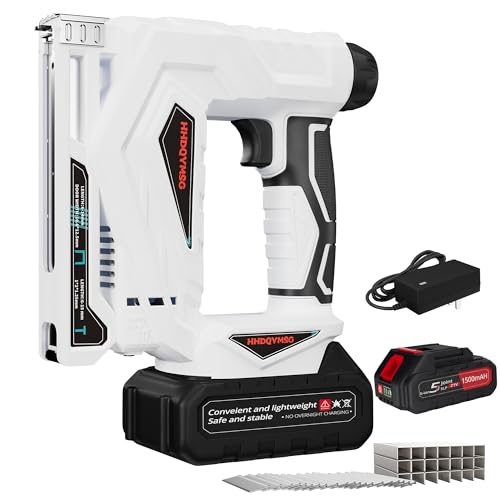
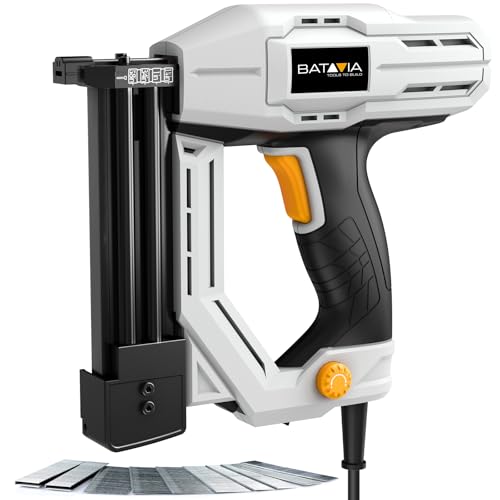
Brad, Finish, or Framing: Which Nail Gun Type Fits Your Project
Nail guns are grouped by the size of nail they shoot and the amount of holding power they deliver. For most home projects, that boils down to three main types, plus a decision about how the tool gets its power. Understanding what each one does well keeps you from buying more, or less, tool than your project actually needs.
Brad Nailers for Delicate Work
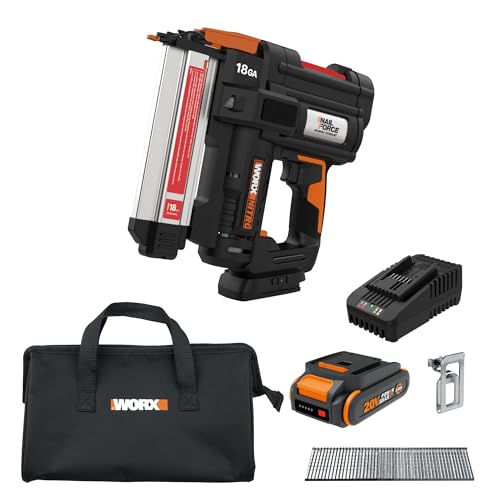
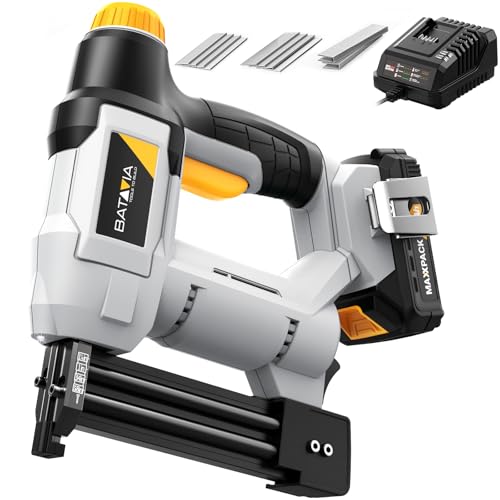
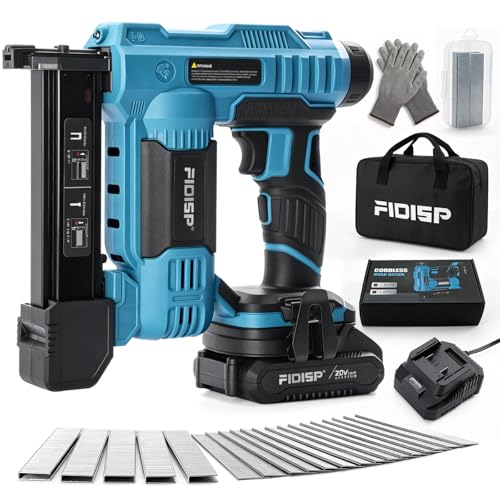
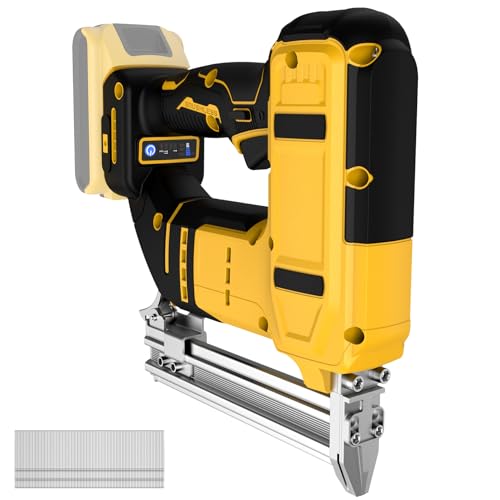
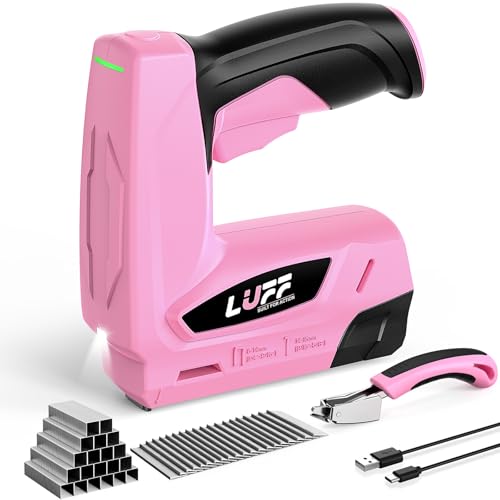
Brad nailers fire thin 18-gauge nails that leave a barely visible hole, which is why they show up so often in craft projects, cabinet trim, and small furniture repairs. They do not hold as strongly as thicker nails, so they work best paired with wood glue rather than as the sole fastener. If your projects lean toward delicate materials or finished surfaces where appearance matters, a brad nailer is usually the first tool to add to a DIY shop.
Finish Nailers for Trim and Casing
Finish nailers step up to 15 or 16-gauge nails, giving you noticeably more holding strength for baseboard, door casing, crown molding, and other trim work. The thicker nail leaves a slightly larger hole that needs filling, but the tradeoff is a joint that stays put without relying on glue. Many DIYers who tackle a lot of trim carpentry find the finish nailer earns its keep faster than any other nailer type.
Framing Nailers for Light Structural Work
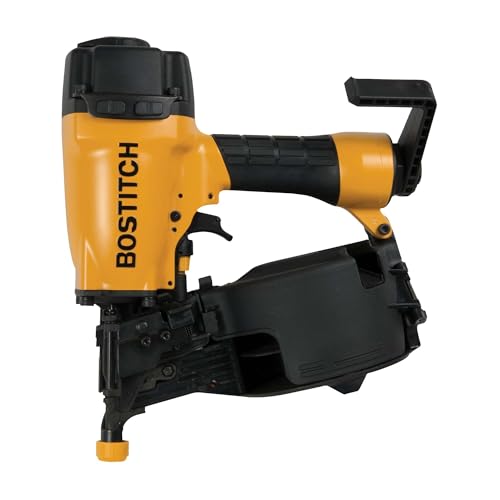
Framing nailers drive much larger nails meant for connecting structural lumber, so they matter for projects like building a shed, a deck, or a raised garden bed frame. That extra power is overkill, and even risky, for thin trim or furniture pieces, since it can split delicate wood. Most casual DIYers only need a framing nailer occasionally, which makes it a reasonable tool to rent rather than own.
Cordless vs. Pneumatic Power
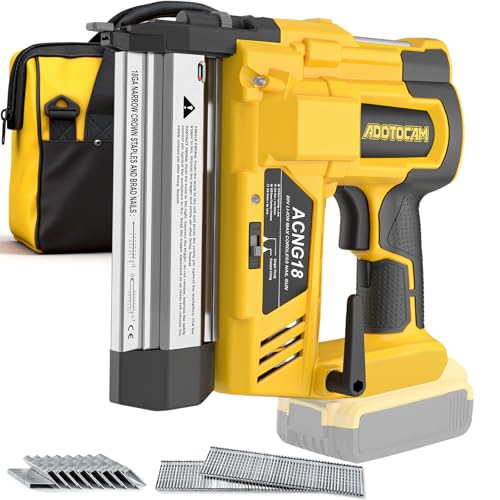
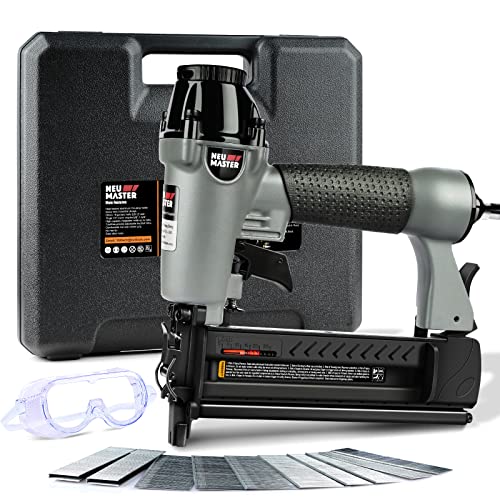
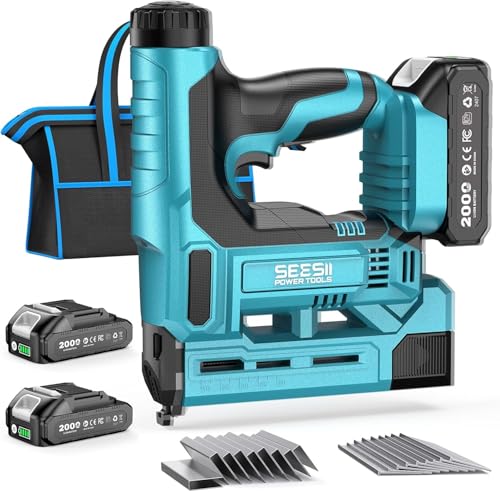
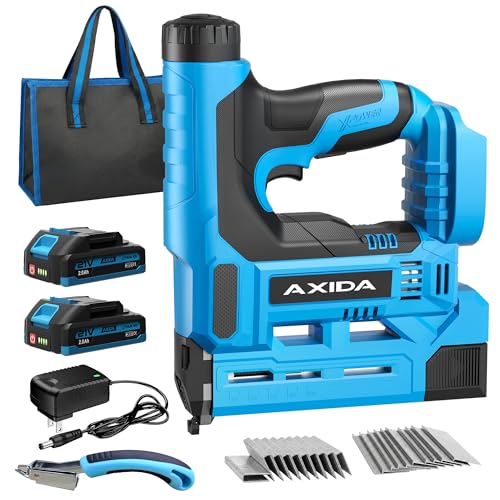
Beyond nail size, you will choose between a cordless nailer that runs on a battery, or a battery plus fuel cell, and a pneumatic nailer that needs an air compressor and hose. Cordless models offer more freedom to move around a room or yard without dragging a hose, which suits smaller, scattered DIY projects. Pneumatic nailers tend to be lighter in hand and fire faster since there is no motor or battery to carry, and they usually cost less if you already own a compressor.
Matching Your Nailer to the Job: Trim, Furniture, and Light Framing
The fastest way to find the best nail gun for DIY projects is to think about the work you actually plan to do this year, not every project you might someday attempt. A nailer that is perfect for one job can be the wrong pick for another, even within the same house.
- Trim and molding: a finish nailer in the 15 or 16-gauge range handles baseboard, casing, and crown molding with enough hold to skip extra clamping.
- Small furniture and crafts: a brad nailer's thin nails avoid splitting delicate boards and leave holes small enough to fill and paint over.
- Cabinet backs and shelving: a brad nailer or light finish nailer secures thin panels without punching through the other side.
- Light framing, like a shed wall or deck frame: a framing nailer provides holding power that thinner nails cannot match.
- Upholstery and craft assembly: a brad nailer, or even a narrower pin nailer, keeps fasteners nearly invisible on show surfaces.
If your project list spans more than one category, a brad nailer paired with a finish nailer covers the majority of interior DIY work, while a framing nailer stays a rental for the occasional bigger build.
Key Features to Check Before You Buy
Once you know which nailer type fits your projects, a handful of features separate a tool that feels good to use from one that frustrates you on day one.
- Power source: decide between cordless convenience and pneumatic speed based on how often you will move around during a project.
- Nail gauge and length range: confirm the nailer accepts the nail sizes your typical projects call for, with some room to go slightly longer or shorter.
- Depth adjustment: a tool-free depth dial lets you sink nails flush without a mallet, which matters on finished surfaces.
- Jam clearing: look for a nose that opens without tools, since jams happen even with quality nailers and gauges.
- Weight and grip: a lighter nailer is easier to control one-handed, especially when you are also holding trim or a workpiece in place.
None of these features matter equally for every DIYer. Someone building furniture in a garage cares more about depth control and weight, while someone doing occasional yard projects may value quick jam clearing more than fine depth adjustment.
Safety Features That Matter for Home Use
Nail guns are simple tools, but they are still capable of causing a serious injury if the trigger style does not match how carefully you work. Two trigger types show up on nearly every nailer, and the difference is worth understanding before you buy.
A sequential trigger requires you to press the nose against the work surface first, then pull the trigger for each individual nail. This is the safer choice for most DIYers, especially beginners, since it prevents accidental double fires. A bump or contact trigger fires as long as the trigger is held down while the nose bounces against the surface, which speeds up repetitive work but raises the risk of an unintended shot.
Beyond the trigger, look for a trigger lock or safety switch that disables the tool between uses, plus a nose guard that keeps fingers clear of the firing point. Eye protection is not a nailer feature, but it belongs on the same shopping list, since even a properly sequenced nailer can send debris flying.
Mistakes DIYers Make When Choosing a Nail Gun
The most common mistake is buying based on the biggest, most powerful nailer available rather than the one suited to typical projects. A framing nailer looks impressive, but it is the wrong tool for cabinet trim or a small side table, where it can split wood or blow straight through thin material.
The opposite mistake happens too. Choosing a brad nailer for a project that needs real holding strength, like exterior trim or a heavier frame, leads to joints that loosen over time. Matching gauge to the job, not just picking whatever is on sale, avoids both problems.
Another frequent misstep is ignoring nail availability. Some nailers use proprietary nail strips that cost more and are harder to find locally, which becomes an ongoing annoyance long after the purchase. Checking that a nailer takes widely available, standard nail sizes saves money and frustration on every future project.
Frequently Asked Questions
What nail gun should a DIY beginner buy?
For most beginners, a combination of a brad nailer and a 16-gauge finish nailer covers the widest range of home projects. This pairing handles everything from small furniture to trim work, which is why it is often recommended as the best nail gun for DIY starter kits.
Do I need an air compressor for a nail gun?
Only if you choose a pneumatic nailer. Cordless nailers run on batteries, or a battery plus fuel cell system, and skip the compressor entirely, though they tend to cost more upfront and can be heavier in hand.
What gauge nail gun is best for baseboard and trim?
A 15 or 16-gauge finish nailer is the standard choice for baseboard, door casing, and crown molding, since it offers enough holding power without oversized holes to fill.
Can I use a framing nailer on furniture?
It is not recommended. Framing nails are thick enough to split thinner furniture-grade wood, and the extra power makes precise placement harder on small pieces.
What is the difference between a sequential and a bump fire trigger?
A sequential trigger fires one nail per full press-and-pull cycle, which gives you more control and fewer accidental shots. A bump fire trigger fires continuously while held down and bounced against the surface, which is faster but less precise for careful DIY work.
How do I stop my nail gun from jamming?
Keep the magazine loaded with the correct nail size and type for that specific nailer, and avoid overfilling it. Regularly clearing dust and debris from the nose and driver channel also cuts down on jams significantly.
Is a cordless nail gun worth it for occasional DIY use?
If your projects are spread out and you do not already own an air compressor, a cordless nailer's convenience often outweighs its higher price for occasional use. Frequent, heavier use tends to favor pneumatic tools instead.
Wrapping Up Your Nail Gun Decision
Choosing the right nailer comes down to matching gauge and power to the projects you actually do, not chasing the most powerful tool on the shelf. A brad nailer and a finish nailer cover most interior DIY work, while a framing nailer stays useful mainly for occasional structural projects. Once you know your project mix, narrowing down a nail gun becomes a quick, straightforward decision.