Best Bracelets to Wear with Watches: Types Compared and How to Choose for 2026
Disclosure: We may earn a commission when you buy through links on this page, at no extra cost to you. As an Amazon Associate I earn from qualifying purchases. Learn more

Compare the best bracelets to wear with watches by material, comfort, scratch risk and style, with sizing and care tips for a balanced wrist stack.
Wearing a bracelet beside your watch can complete an outfit, but the wrong pairing scratches cases, tangles clasps, or overwhelms your wrist. With so many materials and widths available, it helps to compare types clearly before you buy. The best bracelets to wear with watches sit comfortably on the same wrist, protect the watch finish, and match the style of the watch you wear most.
Start with the comparison table below to see how bracelet styles differ, then use the guidance that follows to match a type to your watch and routine. A small, well chosen addition usually looks better than a crowded stack chosen without a plan.

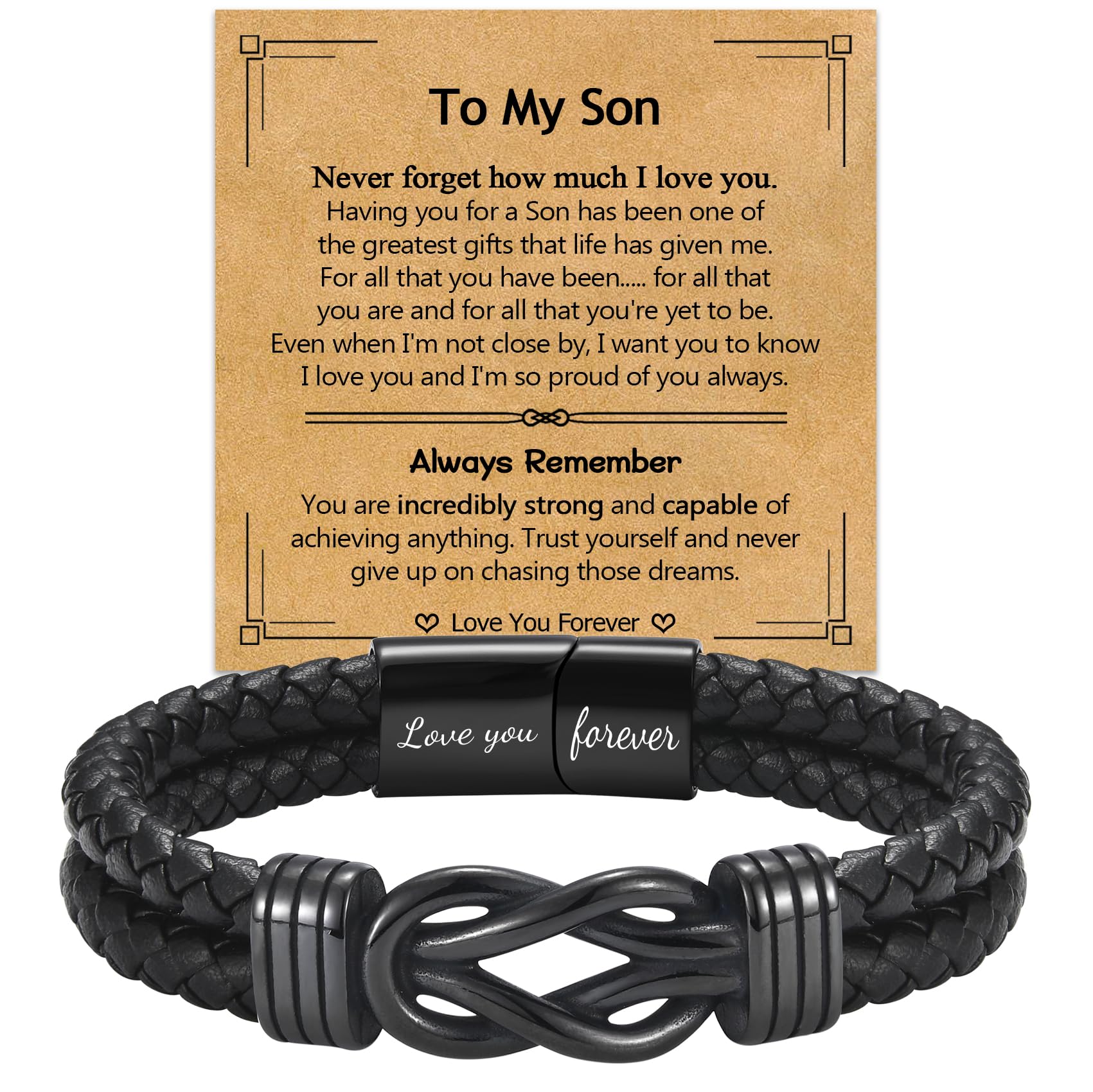
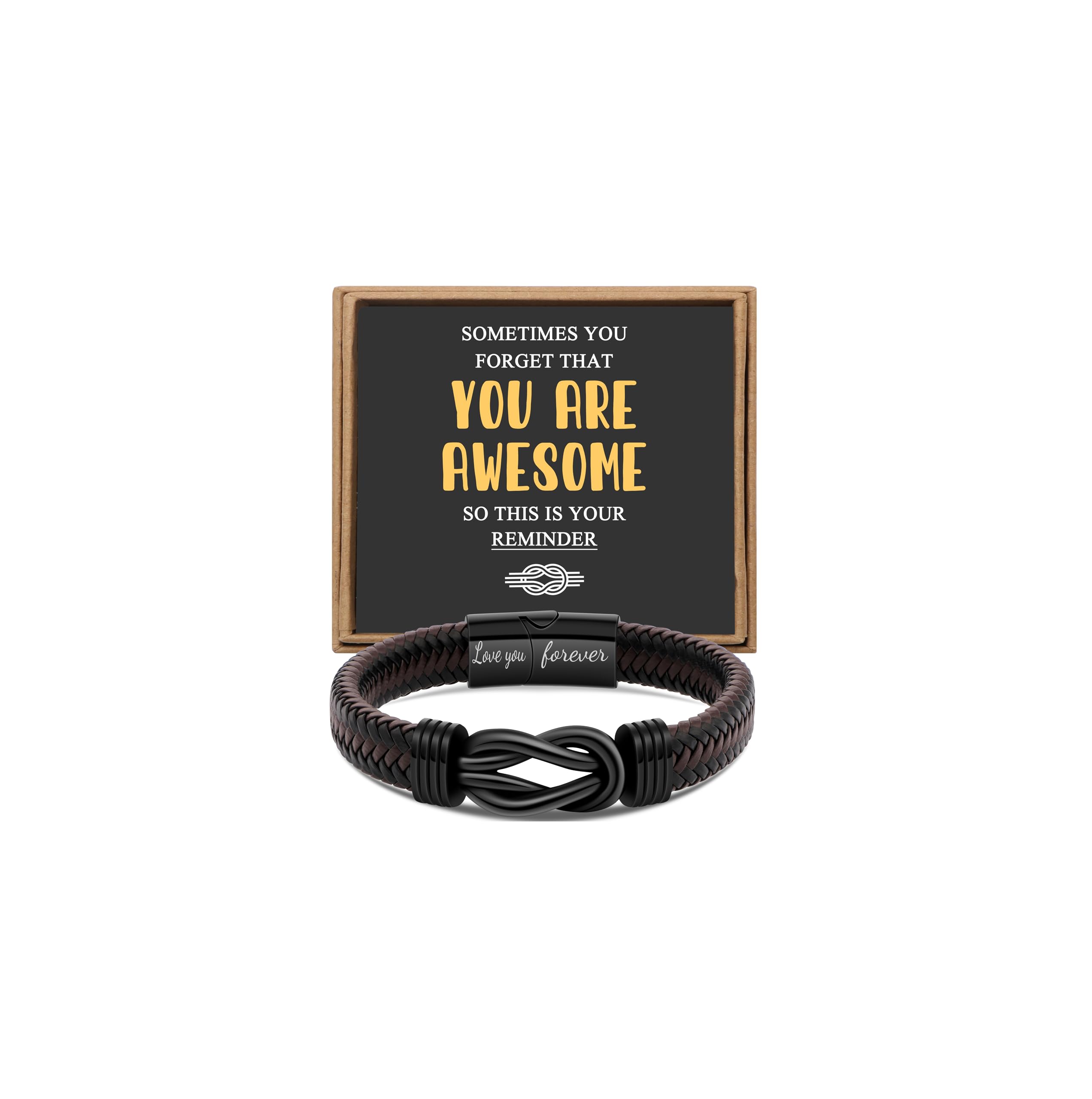
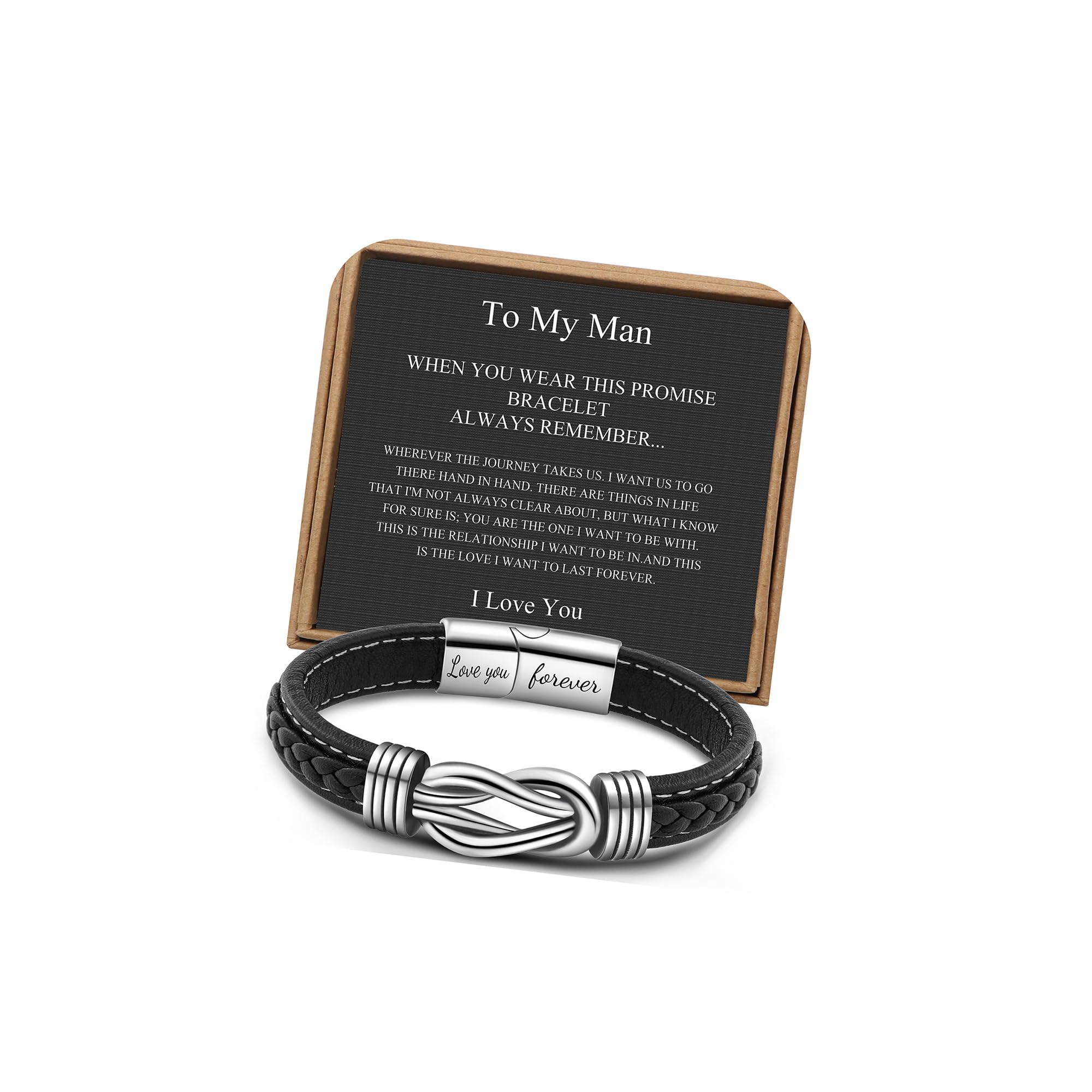



Types of Bracelets to Wear Compared
Bracelet types differ in weight, hardness, and how they move against a watch case. Soft materials are gentle on finishes but may look casual. Hard metal bracelets match formal watches but need spacing or smooth edges to limit scratching. Typical prices run from around $15 for simple cord and beaded styles to around $50 to $150 for quality metal and leather pieces, with precious metals costing more. Judge each type below by best use, strengths, limits, and price before you decide.
Pairing With Smartwatches
With smartwatches, choose light and low profile bracelets such as slim cord, small beads, or a narrow silicone band worn beside the case. Smartwatch cases and screens often use softer coatings than classic steel watches, so avoid hard metal edges that strike the case during workouts or typing. Silicone and cord clean easily after exercise and will not corrode with sweat. This pairing suits active users who want personality without bulk. Keep the stack loose enough for heart rate sensors to sit correctly on the watch itself, and remove extra bracelets during intense training if they slide and distract you.
Pairing With Automatic Watches
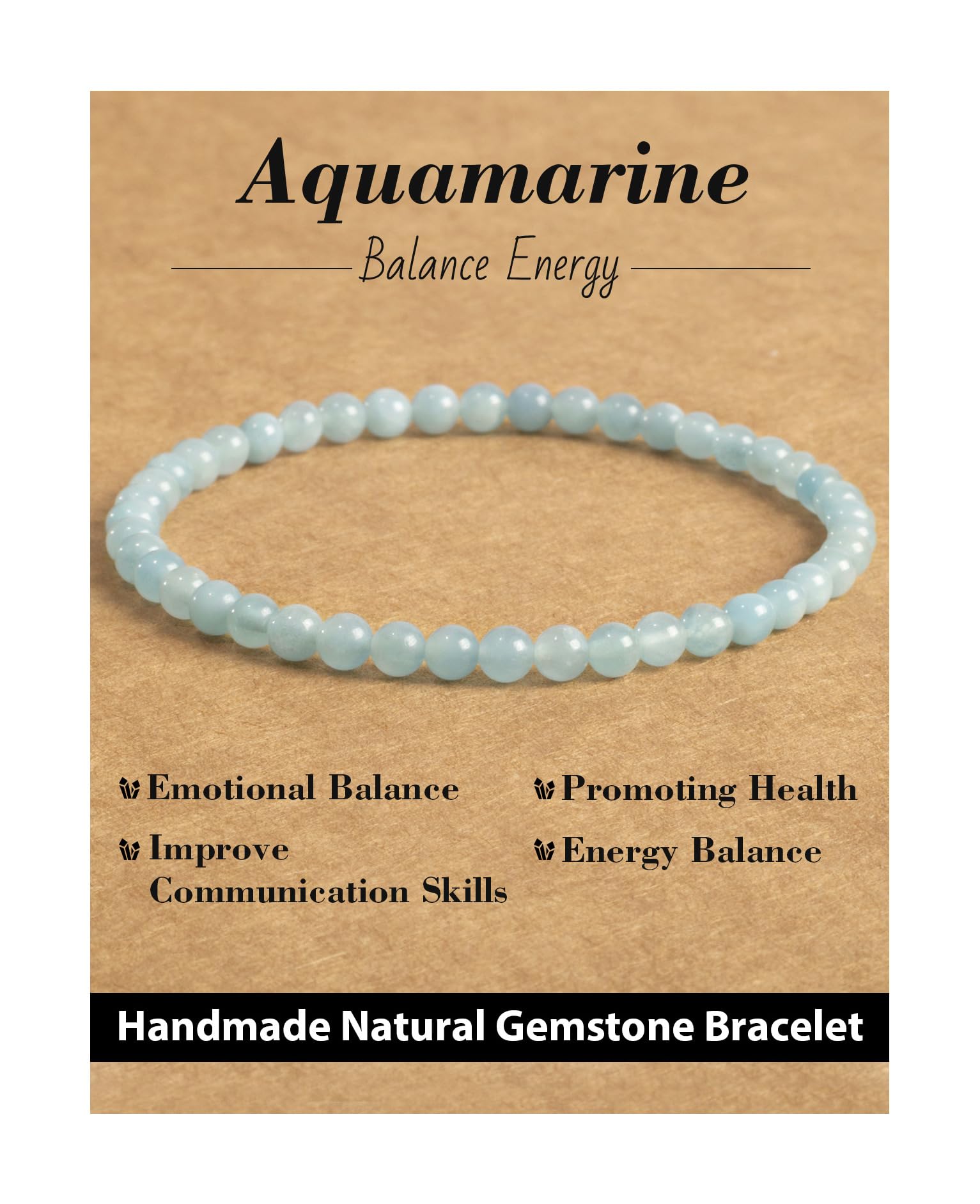
Automatic watches often carry polished cases and sapphire or mineral crystals that owners want to protect, so leather cuffs, woven fabric bracelets, and smooth beaded styles are safer neighbors than chunky chains. Leather adds warmth beside a dress or field watch and cushions contact points. Beaded bracelets in stone or wood bring texture without sharp edges when beads are round and well finished. This pairing suits readers who value the watch as the main piece and want the bracelet to support, not compete. Leave a small gap on the wrist or place a soft bracelet between two harder pieces.
Pairing With Solar Watches
Solar watches are built for everyday ease, and they pair well with durable everyday bracelets such as stainless steel chains with rounded links, braided leather, or simple metal cuffs with smooth inner surfaces. Because solar models often serve as daily beaters for travel and outdoor time, choose bracelets that handle water and sun without fading. Avoid dyed materials that bleed color when wet. This pairing suits practical buyers who want one reliable stack for work and weekends. Check that the extra bracelet does not shade the dial in a way that matters indoors, though normal wear rarely blocks enough light to affect charging.
Smartwatches vs Automatic Watches: Which Should You Choose?
If your main watch is a smartwatch, your bracelet choice should favor lightness, sweat tolerance, and soft contact points, because you will likely wear the stack during movement and sleep tracking. If your main watch is an automatic, favor texture and craftsmanship, keep hard metals separated, and accept a dressier, quieter stack. Solar watches sit between the two, pairing with almost anything durable. Consider also how often you charge or wind: a crowded wrist makes crown and button access harder. Choose the pairing that fits your dominant watch first, then test the same bracelet with other watches before buying multiples in similar styles.
How to Choose the Right Bracelet to Wear
Case Size and Wrist Fit
Proportion decides whether a stack looks intentional. With cases from 38mm to 44mm, a bracelet width of about one third to one half the case width usually balances well. Smaller watches suit delicate chains and narrow leather, while larger sport watches can carry wider cuffs. Leave enough room for both pieces to move slightly without spinning around your wrist. Measure your wrist and add modest ease rather than a tight fit, because heat and activity will swell your wrist during the day and a tight stack quickly becomes uncomfortable and marks skin.
Water Resistance Rating
Your bracelet should match the water life of your watch. A 30m watch is splash only, so leather beside it shares the same limit. With 100m and 200m watches, choose bracelets that can get wet, such as silicone, quality stainless steel, or treated cord, and dry them after swimming. Leather, wood, and some stone beads dislike prolonged soaking and salt. Rinse metal bracelets after saltwater exposure just as you would the watch. Matching water tolerance prevents the odd situation where your rugged watch survives a swim but your bracelet fades, cracks, or smells afterward.
Why Choose a Bracelet to Wear With Watches
A bracelet beside a watch adds color, texture, and personal meaning that a watch alone may not express, from a gift bead to a metal that matches your rings. The benefit is style flexibility: you can change the bracelet for seasons or events without buying another watch. The limit is wear and comfort, since hard pieces can scratch cases and crowded stacks can irritate skin. Choose this look if you enjoy styling details and will inspect contact points. Skip stacking on days when you need full focus on performance, such as timed sports or manual work.
Crystal and Case Materials
Know what your bracelet will touch. Sapphire crystal resists scratches very well, but polished case sides in steel, gold tone, or titanium can still mark when hard bracelets slide against them. Softer bracelet materials protect all finishes. If you love metal on metal, pick bracelets with smooth, rounded links and no exposed clasps near the case, and consider wearing the bracelet on the other side of a soft buffer piece. Cases in brushed 316L steel hide small marks better than mirror polished cases, while titanium feels lighter in a stack and reduces total wrist weight noticeably.
Movement Type (Quartz, Automatic, Solar, Smart)
Movement type affects stacking in practical ways. Quartz and solar watches need little daily interaction, so a fuller stack is fine. Automatic watches may need crown access for winding and time setting after rest days, so keep that side clear. Smart movements need button and sensor access and regular charging, so avoid bracelets that press buttons or block the back sensor. None of these limits is severe, but planning around them keeps your routine smooth. A stack you must dismantle every morning to set or charge your watch will not stay in your routine for long.
Tips to Get the Most From Your Bracelet and Watch Pairing
Inspect contact points weekly for new scratches, loose clasps, or frayed cords, and swap sides or add a soft spacer if you see wear starting. Service automatic watches every 5 to 7 years as usual, and mention your stacking habit so seals and case condition can be checked. Rinse after saltwater exposure and dry both pieces fully before storing. Store away from magnets and keep bracelets separated in a soft pouch rather than tossed together in a drawer. For formal pairings, our guide to the best watches to wear with suits shows how restraint works well with tailored clothing, and our guide to the best watches for casual wear covers relaxed combinations. You can also browse our guide to the best watches to wear for broader styling context.
FAQs
How long does a watch battery last?
Quartz watch batteries usually last about 2 to 3 years, and wearing a bracelet beside the watch does not change that. Solar models avoid routine battery swaps by charging from light. When a battery runs low, replace it promptly and have seals checked if you use the water rating. Keep spare bracelets off the wrist during the battery change visit, so the watchmaker can handle the case and clasp without extra pieces in the way.
How water resistant should a watch be?
Choose 30m for splashes only, 100m for regular swimming, and 200m for diving and rough water. Then match your bracelet material to that same exposure, or accept that the bracelet sets the limit for the whole stack. Leather and wood should stay dry even beside a dive watch. Silicone and stainless steel keep pace with active water use. Always dry the space between bracelet and case after swimming, because trapped moisture can irritate skin and dull finishes.
Is a smartwatch worth it over a classic watch?
A smartwatch is worth it if you use notifications, health tracking, or GPS often enough to value them daily. A classic watch is better for longevity, simple style, and carefree stacking with jewelry bracelets. Your bracelet choices differ slightly between them, favoring soft and light pieces for smart models. Many owners keep a classic watch for formal stacks and a smartwatch for training days, which lets each bracelet pairing do one job well instead of compromising.
Quartz or automatic: which is better?
Quartz is better for accuracy and low upkeep, while automatic suits buyers who enjoy mechanical craft and wear the watch often. For stacking, quartz leaves you free to build a fuller wrist without daily setting chores. Automatic watches reward a more careful pairing that protects polished cases. Either can look excellent with the right bracelet. Decide first by how you maintain watches, then style the bracelet around that choice, and the combination will feel natural rather than forced.
What case size fits my wrist?
Most wrists suit 36mm to 42mm cases, and lug to lug fit matters as much as diameter. Once the watch fits, scale the bracelet to it: narrow and light for small cases, broader for large sport cases. Try the full stack while typing and bending your wrist. If the bracelet digs in when your wrist flexes, size up slightly or choose a softer material. Comfort during movement is the true test, not how the stack looks while your arm rests flat for a photo.
Our Verdict
Match material hardness to your watch finish, scale the bracelet to the case, and keep water and movement needs in mind. Soft, smooth, well proportioned pieces will protect your watch and complete your outfit at the same time. Review the product table above with those rules ready, and you will find best bracelets to wear with watches that feel comfortable from the first morning and still look right months later.