
Best Bra Strap Cushions Made Simple: A Clear Buying Guide for 2026
Disclosure: We may earn a commission when you buy through links on this page, at no extra cost to you. As an Amazon Associate I earn from qualifying purchases. Learn more

New to strap pads? This clear guide explains how the best bra strap cushions spread strap load, and how to compare gel, foam and fabric pads by fit and care.
Deep shoulder grooves at the end of a long day are usually what send people shopping for strap pads the first time. The best bra strap cushions are small soft pads that slide onto a bra strap and rest between the strap and your shoulder, spreading the load across a wider patch of skin. They are inexpensive, they need no sewing, and they work with the bras already in your drawer.
Because this guide is written for first time buyers, it starts with the basics, then explains the few specs that matter in plain English. You will learn why fit comes before padding, how gel and foam differ, and how grip keeps a pad in place. The comparison table below gathers the main styles side by side so the differences are easy to see.
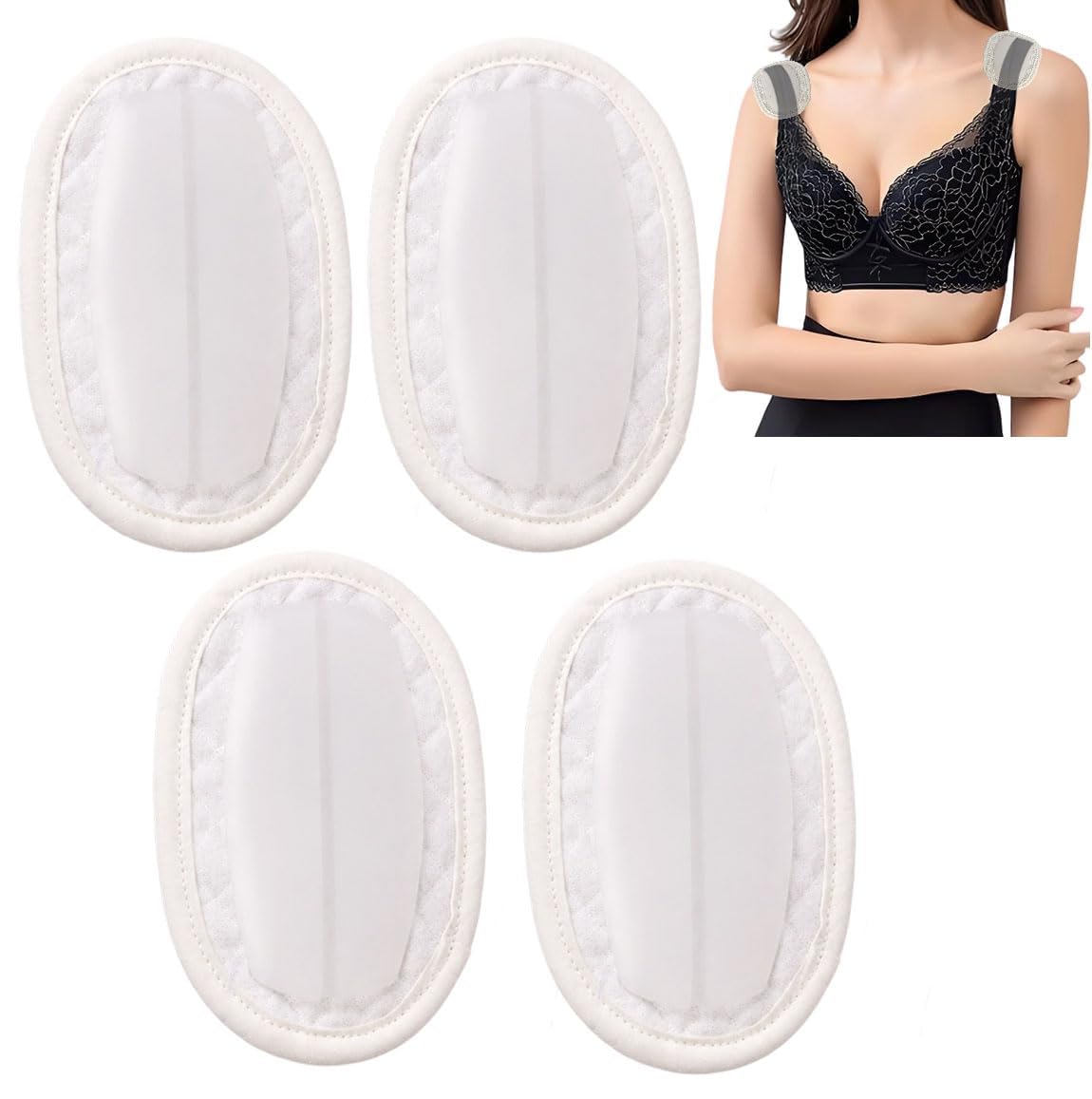
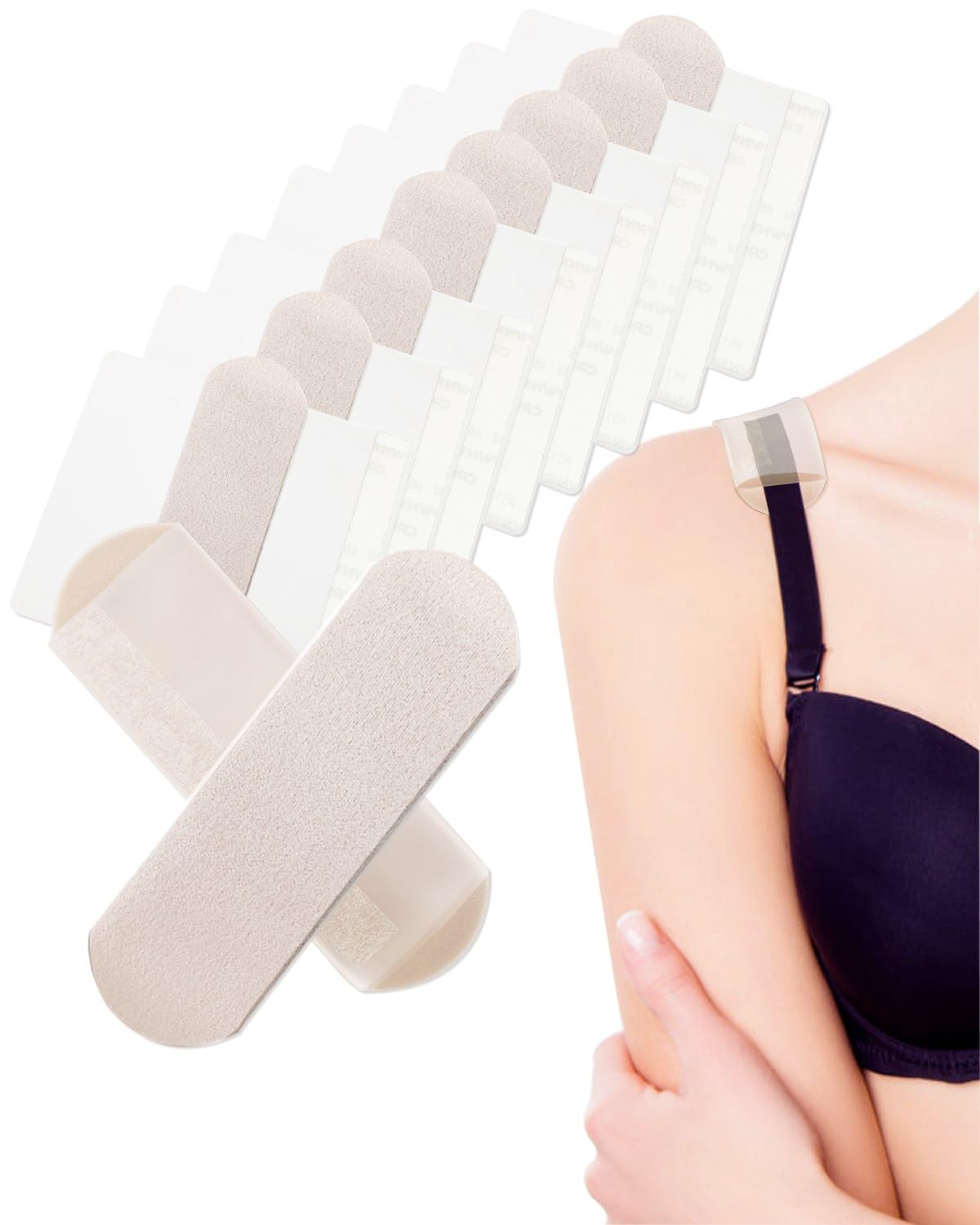
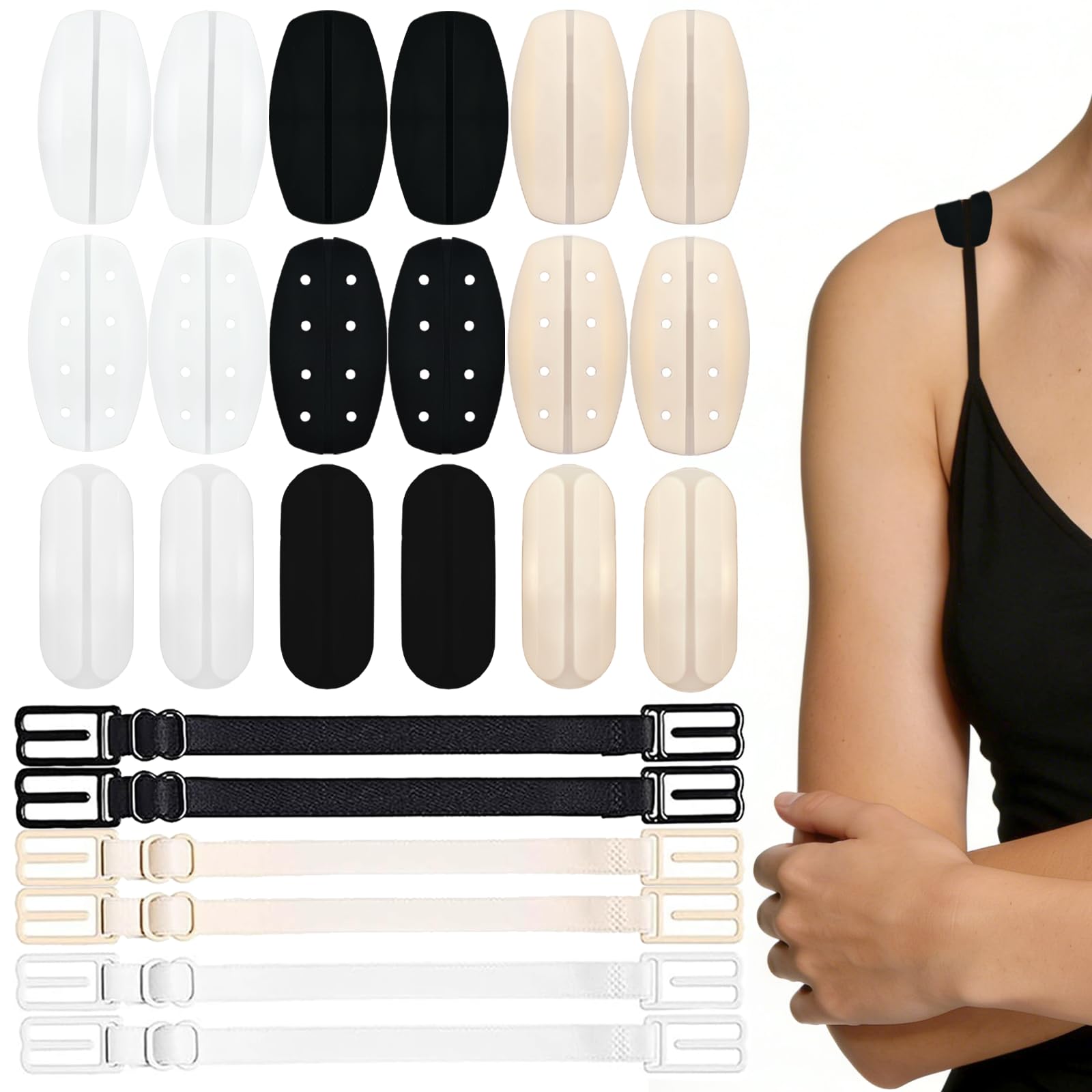
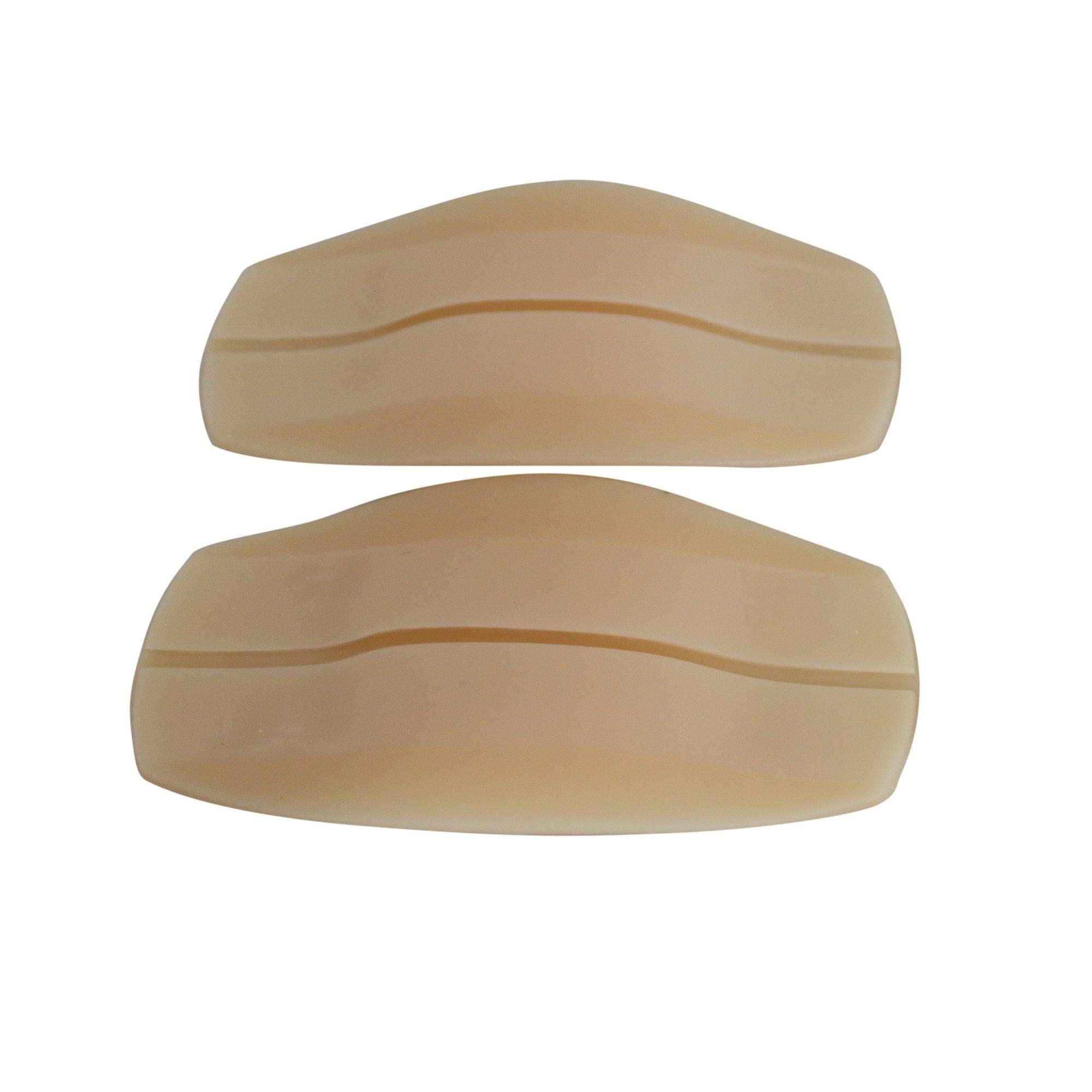
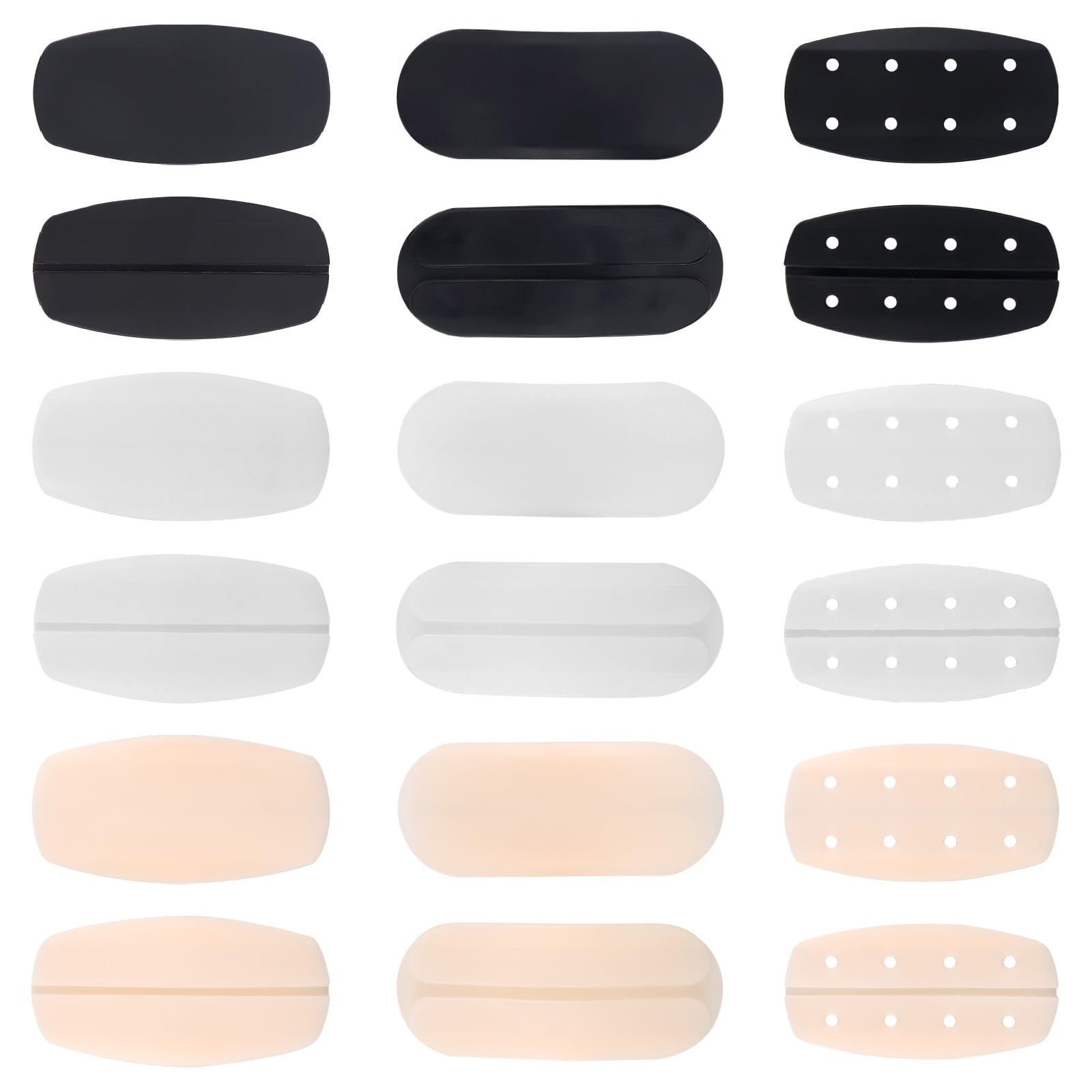
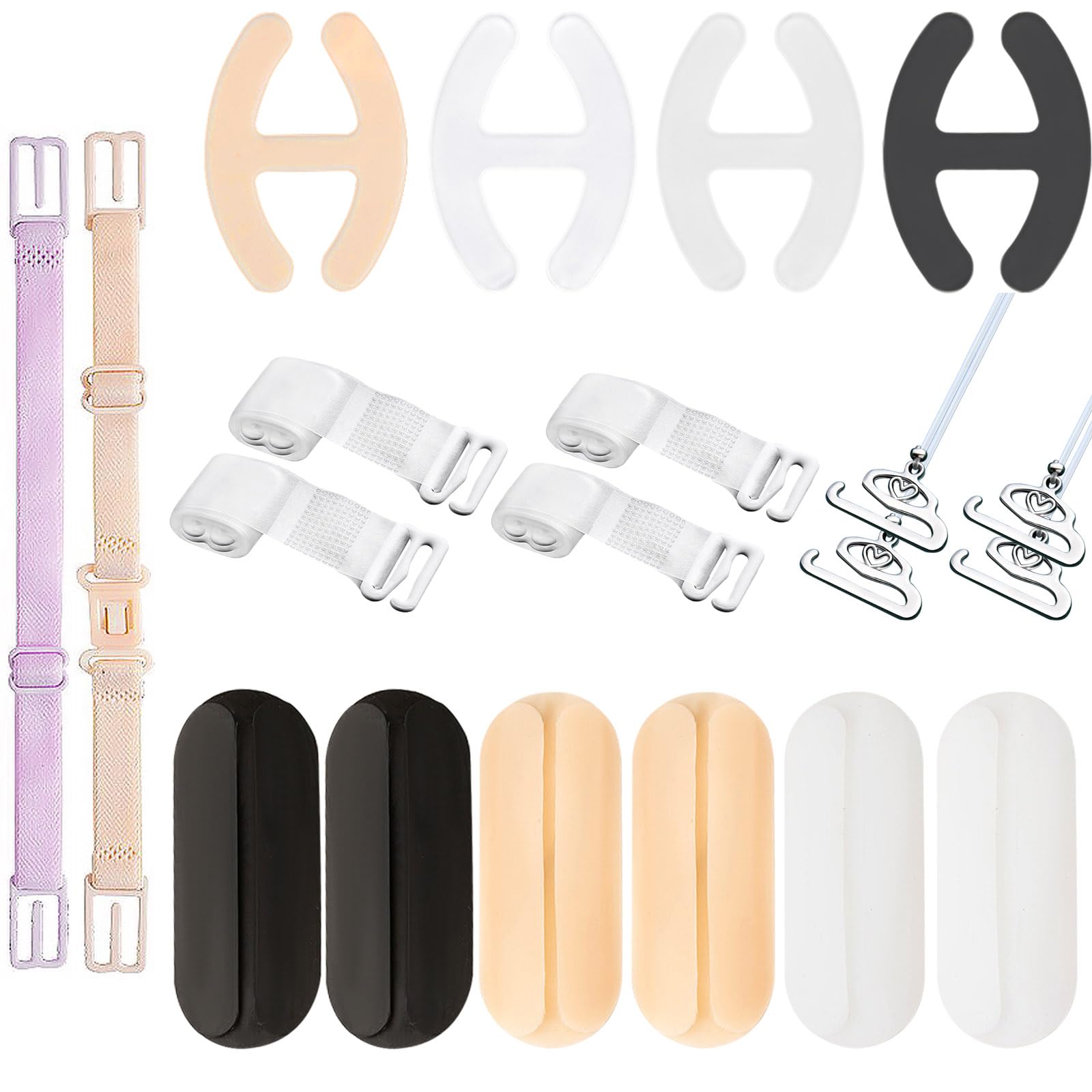
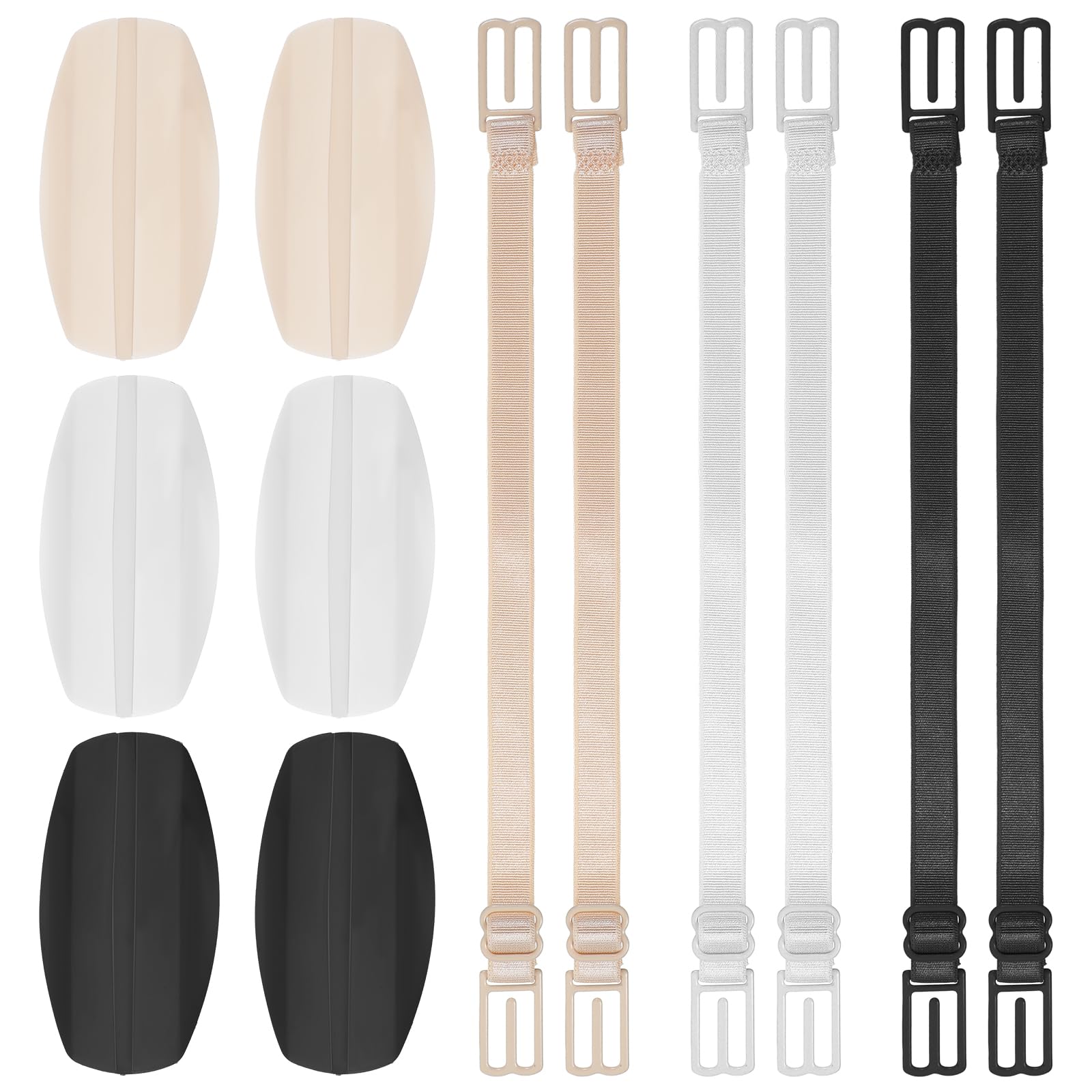
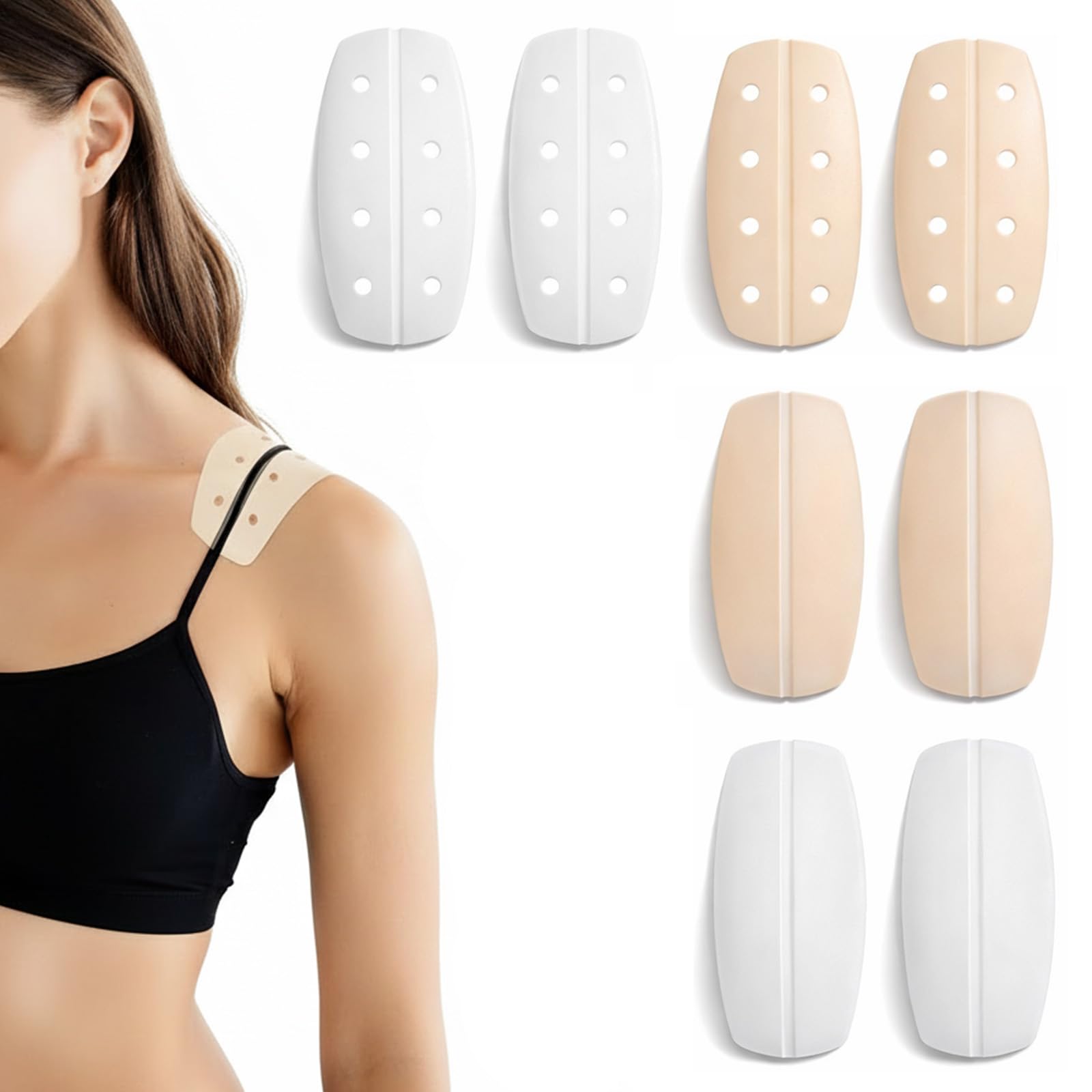
Bra Strap Cushions 101: The Basics
A strap cushion is an accessory, not a part of the bra itself. Most styles are short sleeves or wrap around pads, about 4 to 6 inches long, that the strap threads through or that close around the strap with a soft hook and loop band. Once fitted, the pad sits at the top of the shoulder, exactly where the strap presses hardest.
The best bra strap cushions do one simple job well: they widen the contact patch so the same support load presses on more skin. They do not lift, reshape, or add support of their own, and they cannot fix a bra that fits badly. Think of them as padding for a strap that already sits where it should.
Key Specs Explained in Plain English
Price is the easiest spec to read: basic multipacks cost about $6 to $12, gel sets run about $10 to $18, and fabric covered sets with spares reach about $15 to $25. The specs below matter more than price, because the wrong pad in the right material still fails by lunchtime.
Fit First: A Digging Strap Is a Signal
A cushion spreads strap load over more skin, and that is the whole of its job. A strap that digs is a fit signal first, because straps are meant to carry only a small share of support while the band does most of the work. If the band rides up or feels loose, the straps take the extra weight and start to cut in, so check the band fit before you pad the strap and treat pads as comfort for a strap that already sits correctly. Grooves that linger for hours, tingling, or numbness in the arms deserve a proper fitting or a word with a clinician, not a thicker pad.
Material and Fill: Gel, Foam and Fabric
The gel versus foam choice is really a thickness and washing question: gel pads are thin and dense, mould gently to the shoulder, and wipe clean, but many cannot go in the wash. Foam pads feel softer and thicker at first, yet they compress over weeks and can hold moisture against the skin. Fabric covered pads, usually cotton or polyester over a thin foam core, wash the most easily and breathe best in warm weather. Read every thickness claim against the few millimetres a strap pad can actually hold.
Staying Put: Grip and Strap Width
Whether a pad stays put is read by its grip and by how well its width matches your strap. Silicone dot backs grip skin or clothing and suit smooth straps, while wrap around styles grip the strap itself and suit satin straps that slide. Standard straps run about 10 to 20 mm wide, and a pad much narrower than the strap lets the edges keep digging. A pad much wider can peek out at the neckline, so measure your strap before ordering, because width is the spec listings state most clearly.
Size and Coverage
Most pads are about 4 to 6 inches long, enough to cover the shoulder point where pressure peaks. Longer pads help when the sore spot sits slightly forward or back of the highest point of the strap. Wider coverage suits heavier support loads, where the strap carries more weight through the day. If you wear thin or light colored tops, choose a low profile pad in a shade close to your skin or the bra, because thick edges can print through fabric.
Skin Contact and Care Labels
A strap pad rests on skin for ten or more hours, so the surface matters. Smooth, seam free inner faces reduce rubbing, and soft natural fibre covers suit skin that reacts to synthetics. Textile safety labels on the packaging tell you the cover meets a safety standard for common skin irritants, which is worth checking on unbranded sets. Wash new pads before the first wear to remove factory finishes, and let them dry fully so moisture is not trapped against the skin.
Rookie Mistakes to Avoid
Five mistakes account for most disappointed first purchases:
- Padding a badly fitting bra. A cushion softens a strap, but it cannot move support back to a loose band, so the digging returns.
- Choosing the thickest pad on the page. Extra thickness adds bulk that shows under tops and can push the strap off the shoulder point.
- Skipping the strap measurement. A pad narrower than the strap leaves both edges free to cut in exactly as before.
- Expecting pads to stop slipping straps. Digging and slipping are different problems, and slipping usually traces to strap length or shoulder shape.
- Never washing the pads. Skin oils and sweat flatten foam and dull silicone grip within a few weeks.
Getting Started: Setup and First Use
Wash the pads first and let them dry flat. Thread the strap through the pad, or wrap the pad around the strap and press the closure flat, then dress as usual and settle the pad on the highest point of the shoulder. Because the pad adds a little thickness, you may need to lengthen each strap slightly so the fit feels the same as before.
Wear the set for one full day before judging it. Check at midday whether the pad has crept forward, and nudge it back rather than tightening the strap. Keeping two sets in rotation lets one dry fully between wears, which keeps foam springy and grip reliable for longer.
Bra Strap Cushions: Your Questions Answered
How often should I replace bra strap cushions?
Replace bra strap cushions when the padding stays flat after a night off, which is about every three to six months for foam sets worn daily. Gel pads last longer, often a year, because the gel does not compress the way foam does. A simpler test is comfort: if grooves return even though the pad looks fine, the core has tired. Keeping a dated spare set in the drawer makes the swap painless and shows you the difference at once.
How do I wash bra strap cushions safely?
Hand washing in cool water with a mild detergent is the safest method for every pad type. Fabric covered and foam pads can usually go in a mesh laundry bag on a gentle machine cycle, but heat from a dryer breaks down foam and warps gel, so always air dry them flat. Wash after every few wears rather than on a fixed weekly schedule, because skin oil, not dirt, is what dulls grip and flattens padding. Never wring silicone pads hard, because the grip dots can tear away from the backing.
Will bra strap cushions stop straps slipping off my shoulders?
Not reliably, because slipping and digging come from different causes. Pads widen the contact patch, and a silicone backed pad adds a little friction, which helps straps that wander slightly. Straps that fall daily usually need shortening, a converter clip that draws them together at the back, or a bra with straps set closer to the neck. If only one side slips, check whether that strap has stretched more than the other, a common wear pattern that new pads cannot correct.
Can I wear bra strap cushions under thin or fitted tops?
Yes, if you choose the thinnest gel style and match the shade to your skin or the bra. Thick foam pads can print a visible ridge through jersey and other clingy fabrics, especially across the shoulder point. Check the pairing at home by looking at your shoulder line in a mirror under bright light before a long day out. For very sheer fabrics, pads in a nude tone disappear better than white ones, which can glow through pale material.
Do bra strap cushions work with convertible or crossed straps?
They work, but placement changes because converted straps cross the shoulder blade area instead of resting on the shoulder point. Slide the pad to where the strap crosses your back or sits nearest the neck, and expect a snugger feel since the strap angle pulls the pad sideways. Some wearers use a shorter pad for converted styles so the ends do not poke past the strap edges. Try the arrangement on a short outing first, because a pad that migrates on a diagonal strap is more annoying than one on a straight strap.
Final Thoughts
For a first purchase, keep the order simple: confirm the band fits, match the pad width to your strap, then choose gel for thin discretion or fabric covered foam for easy washing. Start with one mid priced set rather than a large multipack, because your shoulder will tell you within a week which material suits your skin. The best bra strap cushions for you are the ones you forget you are wearing by midday. The product table above collects the main styles in one place, so compare grip, width and care needs there before you order.


