Best BPA Free Water Bottles (2026): Materials, Sizes and Buying Tips
Disclosure: We may earn a commission when you buy through links on this page, at no extra cost to you. As an Amazon Associate I earn from qualifying purchases. Learn more

Material, size and lid design decide the best BPA free water bottle. Here is how to match one to your household routine.
Picture a weekday morning in a busy kitchen. Lunch bags sit open on the counter, a gym bag waits by the door, and three people all reach for a bottle at once. The right best bpa free water bottle for that home depends on how many people drink from it, where it gets stored, and how often it gets washed. This guide helps you choose by household size, daily routine, and budget, and the comparison table below sums up the main types side by side.
Material, capacity, lid style, and cleaning effort decide whether a bottle becomes a daily habit or a cupboard ornament. Our broader guide to the best water bottle covers general picks, while this page focuses on what the BPA free label means for your family.
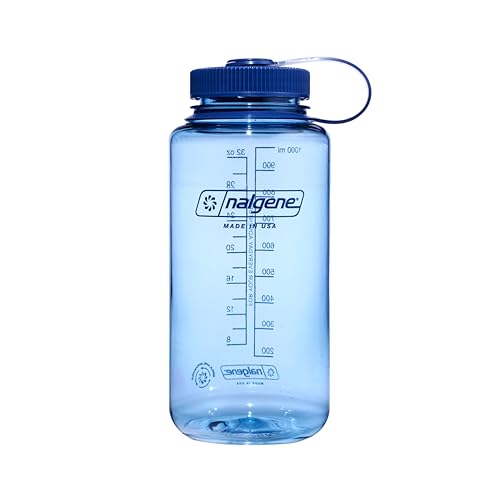

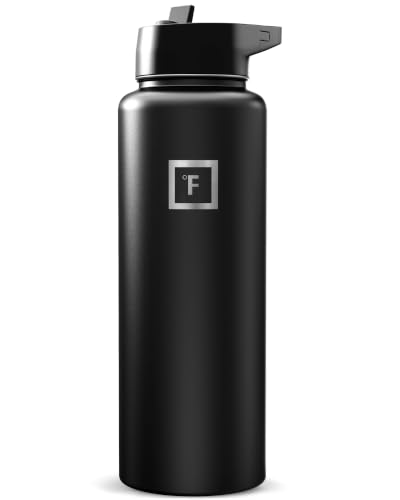


Quick Answer: Choosing a Bottle That Fits Your Home
For most homes, a BPA free plastic bottle in the 24 to 32 oz range is the lightest and most affordable starting point. Choose stainless steel if you want cold drinks for hours and a bottle that shrugs off drops. Choose glass if taste matters most and the bottle will mostly stay at home or at a desk. Match the type to your routine first, then compare lids and sizes within that type.
Before You Buy: A Quick Checklist for Choosing a Water Bottle
The checklist below walks through the decisions in the order that matters. If you want a wider buying framework first, read our notes on what to look for when buying a water bottle, then come back here for the BPA free specifics.
Size: Match It to Your Space
Capacity only helps if the bottle fits your life. A 16 or 20 oz bottle suits short trips, younger students, and small bags, and it slides into most car cup holders. Bottles from 24 to 32 oz cover a workday with one refill stop. Sizes from 40 to 64 oz cut refill trips for outdoor work, but they grow heavy when full and may not fit a standard holder. A half gallon jug makes sense for a team bench, not a daily commute.
Which Type Fits Your Routine
BPA free plastic is light, resists drops, and costs the least, which suits school bags and busy family use. Stainless steel adds insulation and toughness for rough handling, though it weighs more. Glass gives the cleanest taste and no lingering odor, but it needs a protective sleeve. If taste is your priority, our guide to the best glass water bottle explains the trade offs in depth. Collapsible bottles fold down for travel, while smart or self cleaning designs add cost most homes do not need.
Features Worth It (and Ones to Skip)
A straw lid encourages steady sipping for kids and drivers, while a wide mouth makes adding ice and scrubbing the inside far easier. Time markers on the side help some people pace their intake through the day, and a sturdy handle matters once a bottle passes 32 oz. A fruit infuser is worth it only if you already flavor water at home. Skip built in filters if your tap water tastes fine, and skip extra gadgets like speakers or storage pods that add weight, cost, and more parts to wash.
Lead and Cadmium Free Glazes
Some bottles use painted finishes, printed designs, or ceramic style coatings, and those surface layers deserve a quick check. Look for a clear statement from the maker that decorative glazes and coatings are free of lead and cadmium, and be cautious with unbranded bottles that make no statement at all. A plain finish from a maker that publishes its material details is the safer bet for a bottle that children will use every day.
Dishwasher, Microwave and Oven Safety
Always check which parts can go in the dishwasher, because the answer often splits by part. Many plastic bottles and lids are fine on the top rack, while insulated steel bodies often need hand washing to protect the vacuum seal and the outer finish. No water bottle belongs in an oven, and plastic or steel bottles should never go in a microwave. If a bottle has a removable silicone seal, pop it out now and then so trapped moisture does not lead to odor.
Set Size and Open Stock Availability
Households rarely need just one bottle. A matching set lowers the cost per bottle and means one washing routine works for all of them. The catch is replacement parts, so favor designs sold as open stock, where a spare lid can be bought later on its own. If lids are hard to find, one cracked cap can retire an otherwise sound bottle.
Realistic Budget Ranges
Under about $20, expect simple single wall plastic or basic steel bottles with a standard lid, which is plenty for school and short trips. Between about $20 and $30, you gain better lids, straw options, and tougher finishes. Between about $30 and $50, insulation improves and steel gets thicker. Paying above that range usually buys brand name styling rather than better daily performance.
Three Types Compared: BPA Free Bottles for Different Homes
This section compares the three types that cover nearly every household. Use it with the product table above to see which type fits your space, your people, and your budget.
BPA Free Plastic Bottles for Most Homes
A BPA free plastic bottle is the default choice for families because it is light, cheap to replace, and hard to break. Wide mouth versions take ice cubes easily and clean up fast, and most lids swap between straw and chug styles. The limits are real but manageable. Plastic can hold odors from flavored drinks, it does not insulate, and a bottle left in a hot car will serve warm water. For daily school, office, and errand use, those limits rarely matter.
Simple Single Wall Bottles for Value
If your budget is under $20 per bottle, a simple single wall design in plastic or steel gives you the most for the money. You give up insulation, so drinks reach room temperature within a few hours, but you gain a slim shape that fits bags and holders. This type suits short outings, indoor workouts, and anyone who refills often anyway. Buying two simple bottles, one for home and one for a bag, often serves you better than one costly bottle that you worry about losing.
Insulated Stainless Steel Bottles for the Long Term
Insulated steel costs more up front, but it keeps drinks cold through a full workday and survives years of drops that would crack plastic. That durability lowers the cost per year of use, which is why it suits commuters, outdoor workers, and anyone who dislikes lukewarm water. Our guide to the best stainless steel water bottle digs into insulation and lid choices. The drawbacks are weight, a higher price, and hand washing for many models, so weigh those against how long you plan to keep it.
Our Selection Process: What Counts as a Good BPA Free Bottle
We judge these bottles on material safety, durability, lid design, cleaning effort, and value for the price. Material claims come from maker specifications, and we weigh patterns in verified buyer reviews about leaks, cracks, and fading finishes. A bottle earns a place in this guide only if its maker clearly states that it is BPA free and if spare lids or seals can be found without much hunting.
BPA Free Bottles Compared With Other Options: What Works and What Falls Short
The BPA free label matters most on plastic bottles, where it tells you the maker has avoided bisphenol A in the resin. Steel and glass contain no BPA in the first place, so on those bottles the label is more of a reassurance than a distinction. What BPA free plastic does well is combine low weight, low cost, and drop resistance in one bottle. Where it falls short is insulation and long term wear, since repeated washing and sunlight can cloud the surface over time.
BPA free also does not describe every chemical in a plastic, so buy from makers that publish their material choices and retire bottles that crack or turn cloudy. For travel days, a collapsible or steel bottle may serve you better, and our guide to the best water bottle for travel compares those options. For home and school routines, BPA free plastic remains the easiest fit.
Common Buying Mistakes to Avoid
- Buying the largest size on sale, then leaving it at home because a full 64 oz bottle is too heavy to carry.
- Ignoring cup holder and bag pocket measurements, so the new bottle fits nowhere you actually travel.
- Paying for a filter, infuser, and smart cap you never use, while the basic lid you wanted is sold separately.
- Forgetting replacement costs, since a lost lid or worn seal can cost nearly as much as a budget bottle.
- Assuming BPA free means every part is plastic free, when lids and straws may use different materials than the body.
Cost of Ownership and Care
The purchase price is only the start. Budget for a bottle brush at around $10, replacement seals or straws every year or so, and a new lid if the original cracks. Wash the bottle daily with warm soapy water, let it dry fully with the lid off, and deep clean it weekly. Our step by step guide on how to clean a water bottle covers brushes, soaking, and stubborn smells. Store bottles unsealed and upright, out of direct sunlight.
FAQ
What makes a BPA free water bottle reliable over time?
Reliability comes from the lid and seal more than from the body. A bottle is reliable when the cap threads line up smoothly, the silicone seal sits flat, and the maker sells spare parts for that exact model. Check the seal monthly, because a flattened or nicked ring is the usual cause when a once trusted bottle starts to leak in a bag.
Is a reusable BPA free bottle worth it compared with bottled water?
Yes, for most households the math works quickly. A family that buys bottled water by the case can spend more in a single month than one good reusable bottle costs. The less obvious gain is convenience, since a filled bottle by the door removes the daily decision. Start with one bottle per person rather than a full set, and add more only after the routine sticks.
How long does a BPA free water bottle usually last?
A plastic bottle in daily use often lasts about one to two years before scratches, clouding, or a worn lid make it less pleasant to use. Steel bottles commonly serve far longer, with seals and straws as the parts that wear out first. Retire any plastic bottle that cracks, warps in the dishwasher, or keeps an odor after a deep clean, because damaged surfaces are harder to keep clean.
Are BPA free water bottles a better choice than standard plastic bottles?
They are the better default when you buy plastic, because the maker has stated that BPA is not part of the resin. That statement is worth more from a maker that also explains what the bottle is made from and how to care for it. If you want to avoid plastic entirely, steel or glass removes the question, at the cost of more weight or more care in handling.
What is the best BPA free water bottle for a family just starting out?
Start with a 24 or 32 oz wide mouth plastic bottle for each person, since that size covers school, work, and short outings without extra weight. Pick one lid style for the whole family so parts can be shared and washing stays simple. Add an insulated steel bottle later only if warm drinks during the day turn out to be a real complaint, not a guessed one.
Final Thoughts
The right bottle is the one your household will fill, carry, and wash without thinking about it. Match the size to your space, pick the material that fits your routine, and keep the feature list short. Whether you land on light plastic, tough steel, or clean tasting glass, the best bpa free water bottle is the one that still gets used every day months from now. Use the product table above to compare the types once more before you order.