
Best Bolster Pillows 2026: Types Compared and How to Choose
Disclosure: We may earn a commission when you buy through links on this page, at no extra cost to you. As an Amazon Associate I earn from qualifying purchases. Learn more

Compare the best bolster pillows by fill type, length, firmness and price to pick the right cushion for your knees, back or neck.
A bolster looks like the simplest pillow on the bed, yet the wrong length or fill quickly turns it into clutter you move aside every night. Choosing the best bolster pillows for your routine starts with the job you want the cushion to do. A bolster is a long round cushion built to sit under the knees, behind the lower back, along the neck, or between the ankles while you rest, and it is a comfort and positioning aid only, never a treatment for any condition. The comparison table below gathers the main types in one place so you can match the shape to your own habits.
Below, we compare the fill families side by side, explain how length and diameter change the feel, and finish with care tips and straight answers to common questions. Prices stay in plain bands, because the same style often sells at several prices per season.
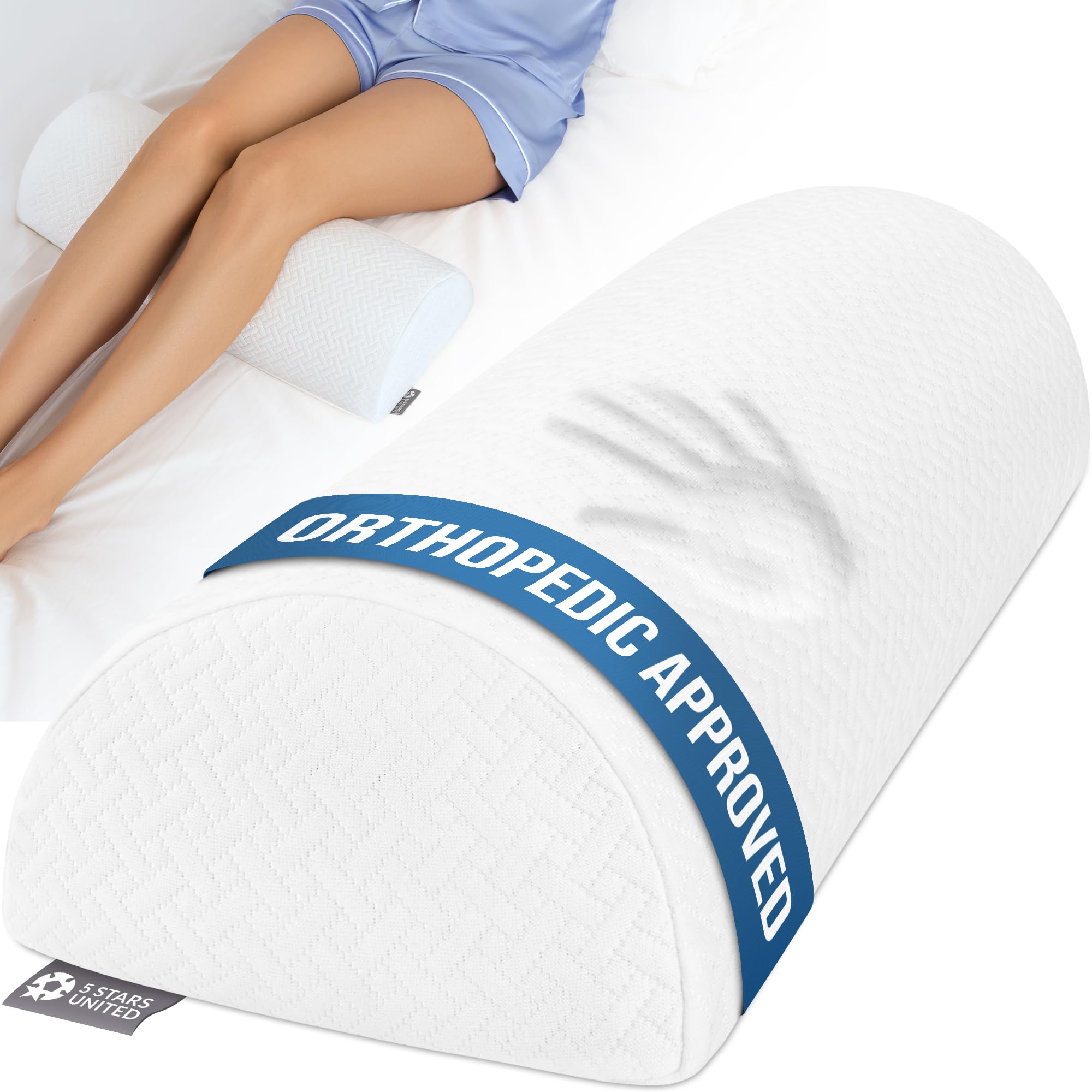

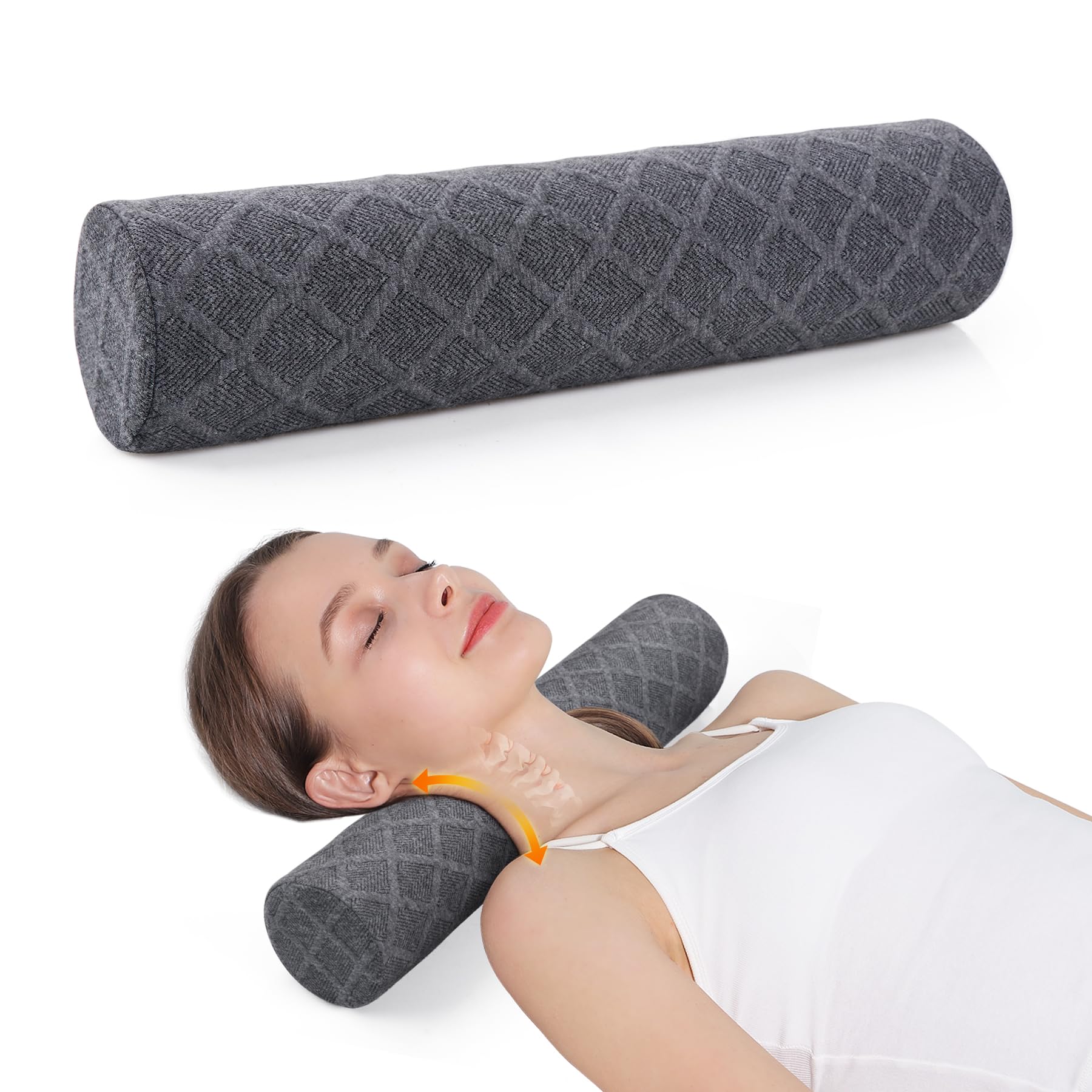





Types of Bolster Pillows Compared
Every bolster shares that long round shape, but the fill inside changes how it feels after an hour and how long it holds up. Size matters just as much as fill: a short slim roll suits the neck, while a long thick roll belongs under both knees. The table here compares the fill families you will see most often.
| Type | Best For | Pros | Cons | Typical Price |
|---|---|---|---|---|
| Cooling fabric designs | Hot sleepers | Cooler surface at first touch | Cooling feel fades through the night | about $20 to $50 |
| Memory foam | Steady support under the knees | Holds its shape well | Can sleep warm | about $25 to $60 |
| Hybrid fills | Mixed sleep positions | Balances softness and support | Feel varies a lot by blend | about $30 to $70 |
| Polyester fill | Guest rooms and decoration | Light and low cost | Flattens sooner | about $15 to $35 |
Cooling Fabric Designs
These bolsters pair a standard foam or fiber core with a cover woven to feel cool against the skin. The surface feels cooler for the first part of the night, which helps warm sleepers settle. The effect fades as the fabric reaches body temperature, so think of it as a head start rather than all night cooling. Choose this type if heat at the surface is your main complaint, and pair it with a breathable cotton case in summer.
Memory Foam
A solid memory foam roll softens under body heat and moulds to the curve of your legs or neck, then returns to shape when you get up. It gives the steadiest support of the group, which suits back sleepers who keep a bolster under their knees all night. The trade offs are weight and warmth: foam rolls are heavier to move and can hold heat. Pick memory foam when holding one position matters more than a cool surface.
Hybrid Fills
Hybrid bolsters blend materials, such as shredded foam mixed with fiber, or a foam core wrapped in a soft outer layer. The blend aims for support in the middle with a gentler surface than solid foam. Feel varies more between brands than with any other type, since the ratio of foam to fiber changes the result. This is a sensible middle path if solid foam felt too hard in the past but plain fiber went flat too fast.
Cooling Fabrics vs Memory Foam: Which Should You Choose?
These two types solve different problems: on surface feel, the cooling design wins for the first hour, while plain foam can feel neutral to warm. On support, memory foam holds its height through the night, and a cooling model only matches that if its core is also dense foam. On care, both need a washable cover, since foam cores should not go in the wash, and on price the two overlap, so cost alone should not decide it. Choose cooling fabric if falling asleep hot is your barrier, and choose memory foam if staying supported until morning matters more.
How to Choose the Right Bolster Pillow
Star ratings and lists of best ranked pillows can show what other shoppers compare first, but a score cannot tell you how a round cushion will feel under your own knees. Use the factors below, in this order, and the choice usually becomes clear.
Length and Diameter Come First
Length and diameter govern what a bolster can do, so measure before you shop. A neck roll is usually about 12 to 18 inches long and about 4 to 6 inches across, and a bolster for under the knees runs about 18 to 24 inches long and about 6 to 8 inches across, wide enough for both legs. Full width bed bolsters reach about 36 to 48 inches and serve more as a backrest or border. A slim roll placed at the neck is also where readers comparing best pillows for neck issues sometimes start, since the shape fills the curve without lifting the head.
Firmness and Sleep Position
Firmness is a comfort choice, not a medical one. Back sleepers usually prefer a firm roll under the knees and a softer, lower one under the ankles. Side sleepers often place a longer bolster between the knees, where a medium feel keeps it from feeling like a log, and stomach sleepers, if they use one at all, need it thin and soft under the ankles. If neck comfort is the main goal, the shaped options in our guide to best pillows for sore neck may suit you better than a plain roll.
Material, Fill, and Covers
Beyond the fill itself, the cover decides how the bolster feels against skin and how easy it is to keep clean. Cotton covers breathe and wash well, linen feels cooler and rougher, and bamboo derived fabrics feel smooth but need gentler washing. A removable cover with a zipper is worth having on any fill, since the cover takes most of the wear. If fabric safety labels matter to you, look for a recognised certification such as OEKO TEX on the cover, and note that down and down alternative fills exist in decorative bolsters but pack down fast under leg weight.
A Note on Pain
A bolster can make a resting position more comfortable, but it cannot fix a neck or back problem, and no fill or firmness level treats pain. Pain that persists, keeps coming back, or spreads into an arm or a leg needs a clinician, not another pillow. Readers researching support shapes for ongoing trouble can look at best pillows for neck problems for background, but treat every product page, this one included, as general information only.
How to Make Your Bolster Pillow Last Longer
Wash the removable cover every week or two, since it collects skin oil faster than the core wears out. Air the core in a dry room monthly, and keep foam bolsters out of the washing machine, where water breaks the foam down. Turn the bolster end to end each week so one spot does not pack down from the same leg resting on it nightly. Keep it out of strong direct sun, which dries out covers and foam alike, and when a bolster stays flat after a good shake and a night of airing, the fill is done and replacement is the honest fix.
Frequently Asked Questions
How do I wash a bolster pillow safely?
Wash the removable cover in the machine and spot clean the core only. Most foam and fiber cores lose their shape or break apart in a full wash, so keep them out of the machine and clean marks with a damp cloth and mild soap. One point many people miss: let the cover dry fully before you zip it back on, because a damp cover sealed around a core invites mildew. If the bolster has no removable cover, a washable outer case is a cheap workaround.
Are cooling bolster pillows worth it for hot sleepers?
They are worth it if surface heat is what keeps you awake at the start of the night. The fabric feels cooler on contact, which helps you settle, but the effect fades as the material warms to body temperature. A useful comparison: a plain foam bolster in a breathable cotton cover often feels much the same by the middle of the night, at a lower price. Spend on cooling fabric for the first hour, not for all night temperature control, and keep the rest of your bedding light as well.
How often should I replace my bolster pillow?
Replace a bolster when it stays flat after fluffing, develops lumps you can feel through the cover, or no longer holds the position you bought it for. For most people that point arrives after about two to four years, depending on the fill. Nightly use under the knees wears foam out faster than occasional use as a backrest, so judge by feel rather than by the calendar. A torn cover alone is not a reason to replace the whole pillow, since covers are sold separately.
What bolster firmness feels best for back comfort?
A medium firm bolster under the knees is the most common comfort choice for back sleepers, but no firmness level treats or prevents back pain. Treat firmness as a preference you test over a few nights, not as a prescription. If you also wake with neck ache, you can compare best pillows for neck ache for the head end of the bed. Pain in either place that keeps returning, or that comes with numbness or weakness, should be checked by a clinician rather than shopped around.
Is a higher thread count always better on a bolster cover?
No, a higher thread count is not always better. Thread count measures threads per inch of fabric, but fiber quality and weave matter just as much, and very dense weaves can feel warm and slick rather than soft. For a bolster cover, a mid range count in a tightly woven cotton usually outlasts a silky high count fabric, because the cover gets dragged, sat on, and washed often. Prioritise a sturdy weave and a zipper that opens fully, since easy washing protects the core more than any thread count does.
Final Thoughts
Start with size, since length and diameter decide what a bolster can do, then pick the fill that matches how you sleep: cooling fabric if you run warm, memory foam for steady support, a hybrid for something in between. The product table above pulls the main types together for a quick comparison. Chosen well, the best bolster pillows are the ones you stop noticing, because the position simply feels easy. If pain is part of the picture, talk with your clinician about your personal needs before relying on any pillow.


