
Best Bounce Back Pillows Made Simple: A Clear Buying Guide for 2026
Disclosure: We may earn a commission when you buy through links on this page, at no extra cost to you. As an Amazon Associate I earn from qualifying purchases. Learn more
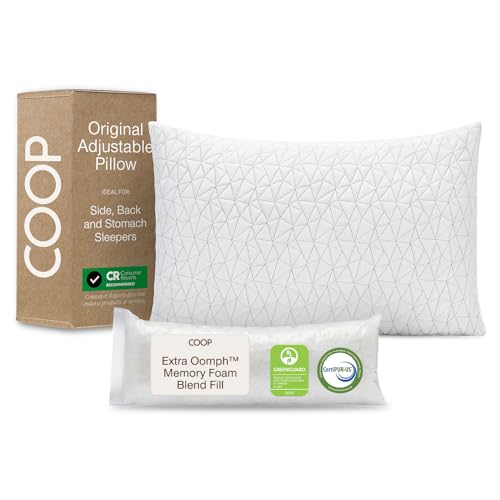
Shopping for the best bounce back pillows for the first time? Learn the terms, compare options, and avoid rookie mistakes with this easy guide.
If your current pillow stays flat where your head was, you already understand the idea behind best bounce back pillows. These pillows push back against your head and regain their shape once you lift away, so the loft feels similar on night seven as it did on night one. This guide explains the basics for first time buyers.
You will learn what the fill names mean, how loft and firmness pair with your sleep position, and how to judge cooling claims, sizes, and trial terms. Use the comparison table below to line up your shortlist.


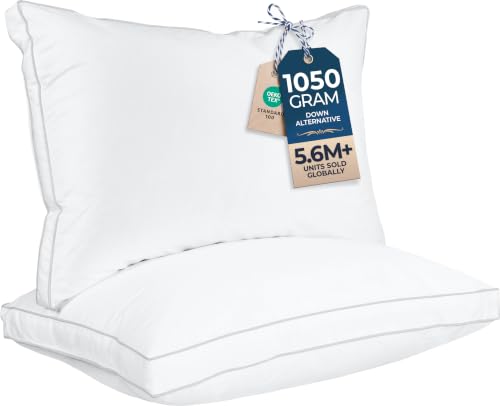


Bounce Back Pillows 101: The Basics for First Time Buyers
A bounce back pillow stores energy in its fill when your head presses down, then springs upward when the weight lifts. Loft is the height of the pillow at rest, while firmness describes how much it gives under your head. A pillow can be tall yet soft, or low yet firm, so treat the words as separate choices.
The spring usually comes from clustered polyester fibers that slide and recover, or from latex, which is naturally elastic. Classic solid memory foam behaves in the opposite way. It softens with body heat and returns to shape slowly, giving a molded feel instead of a lively push.
Side Sleepers Whose Pillows Go Flat by Morning
Side sleeping places the width of your shoulder under the pillow, so you need enough loft to fill the gap between your ear and the mattress. Look for a medium firm or firm feel, and test while a partner checks that your nose lines up with the center of your chest.
Back Sleepers Who Want Lift Without a Tilted Chin
Back sleepers usually do best with a medium loft that supports the curve of the neck while the back of the head sinks in slightly. If your chin tips toward your chest, the pillow is too high. For more support shapes, see our guide to the best back pillows. If you wake with numbness in an arm or pain that travels, talk with your clinician instead of swapping pillows.
Combination Sleepers Who Change Position All Night
If you roll from your back to your side and back again, you need a pillow that recovers fast enough to serve both positions. A very high pillow suits your side hours but pushes your chin down on your back, while a flat one does the reverse. Choose a middle loft that rebounds in seconds, and avoid deep cutouts.
Pillow Specs Decoded: Fill, Loft and Firmness
When you compare best bounce back pillows side by side, work through the five factors below in order. Fill decides the spring, loft and firmness decide the fit, and size, cooling, and durability decide how the pillow behaves over time.
Material and Fill: Where the Spring Comes From
Cluster fiber fill is the most common bounce back material. Short polyester fibers are grouped into small balls that compress under your head and expand again, and the pillow can usually be machine washed. Latex, either solid with vent holes or shredded inside a zip cover, rebounds almost instantly and resists packing down, though it costs more. Shredded memory foam blends molded comfort with some recovery, but the rebound stays slower than latex. Down alternative fills feel plush yet often lose loft fastest, so check the stated fill weight.
Loft and Firmness Matched to Sleep Position
Loft is measured in inches with the pillow at rest, and most adults land between about 4 and 7 inches before compression. Side sleepers tend toward the upper part of that range, back sleepers toward the middle, and stomach sleepers toward the low end so the neck stays level. Body weight matters too, since heavier shoulders compress the same fill further. For more on support heights, see our guide to the best pillows for back support.
Size and Fit: Standard, Queen, and King Explained
Pillow sizes follow the pillow, not the mattress. A standard pillow measures about 20 by 26 inches, a queen about 20 by 30 inches, and a king about 20 by 36 inches. Match the size to the pillowcases you own, because a case that is too small squeezes the fill and makes the pillow feel firmer than intended. A king pillow also suits restless sleepers who travel across the bed.
Cooling Covers and Airflow for Warm Sleepers
Cooling claims come in three forms. Some covers feel cool to the touch for the first minutes, some fills are open and airy so warm air escapes as you move, and some cores carry gel or vent holes. Airflow through cluster fiber or shredded fill tends to last all night, while a cool touch cover alone fades once the fabric warms.
Durability, Trial Periods, and Certifications
Durability shows up as loft retention, so look for a stated fill weight and a washable cover, since clean fill recovers better than fill loaded with moisture and skin oils. A sleep trial of at least a few weeks lets you judge the pillow after the new pillow stiffness fades. CertiPUR US applies to foam fills and limits certain chemicals and emissions, while OEKO TEX labels test cover fabrics for harmful substances. Neither label guarantees comfort, but both narrow your shortlist.
Rookie Mistakes to Avoid
Most returns from first time buyers trace back to a handful of avoidable errors.
- Judging loft from a product photo alone, because a pillow photographed plump may compress far lower under your head.
- Buying solid memory foam and expecting a springy rebound, because that material recovers slowly by design and feels flat footed if you toss and turn.
- Ordering a king size pillow for standard cases, because the squeezed fill raises the loft and changes the firmness you chose.
- Skipping the sleep trial terms, because a pillow you cannot return after testing is a gamble rather than a trial.
- Buying the firmness a friend loves, because the right loft for a side sleeper often strains the neck of a stomach sleeper.
First Night Setup: Unpack, Fluff and Press Test
Most bounce back pillows arrive compressed in a box or roll. Cut the packaging, shake the pillow out, and give it several hours in a ventilated room to expand. Fluff it by hand, pushing the fill from the corners toward the center, then run the press test. Press your palm deep into the middle and let go. A healthy pillow recovers most of its height within a few seconds.
Fit a washable protector before the first night, since protectors are easier to launder. Sleep on the pillow for at least three or four nights before judging it, because your neck needs time to adjust to a new loft. If the fill is adjustable, change only a small handful at a time.
Care and Maintenance for Bounce Back Pillows
Fluff the pillow each morning to pull air back into the fill, and stand it on its side during the day if your room is humid, so moisture can dry out. Wash the protector about every two weeks, following its care label.
When the pillow itself needs washing, check the label first. Most cluster fiber pillows can go through a gentle machine wash in warm water, ideally two at once to balance the drum, and they must dry completely before use, since damp fill clumps and loses its spring. Latex and solid foam cores should never be machine washed. Wipe them with a damp cloth and air dry them away from direct sun.
FAQs About Bounce Back Pillows
Are cooling bounce back pillows worth it for hot sleepers?
Yes, they can be worth it if the cooling comes from airflow rather than only a slick cover. Choose cluster fiber or shredded latex fills that let warm air move out as you shift, and pair the pillow with a breathable cotton case instead of flannel. A waterproof protector can trap heat, so pick one described as breathable if night sweats are your main problem.
What firmness is best in a bounce back pillow for back pain?
A medium firm pillow that keeps your head level with your spine is the usual starting point for back sleepers with a sore back. Keep a morning log for a week, noting where you ache, because patterns in that log tell you more than one bad night does. For more, see our guide to the best pillows for back pain. Ongoing or worsening pain belongs in a conversation with your clinician.
How often should I replace my bounce back pillow?
Replace your bounce back pillow when it fails the fold test. Fold it in half, set a light shoe on top for about 30 seconds, and let go. A pillow with life left springs open at once, while a worn one stays folded or creeps open slowly. Many fiber pillows reach that point after about 1 to 2 years of nightly use, and waking stiff despite a good mattress is another sign.
Does a thick pillowcase change how a bounce back pillow rebounds?
Yes, a tight or heavy case can mute the rebound you paid for. A case one size too small compresses the fill before your head even lands, and thick quilted cases add a stiff layer that slows the spring. Use a smooth case in the correct size with a little ease at the seams. If the pillow feels firmer than promised, test one night with a plain thin case before deciding it is the wrong pillow.
How long does a bounce back pillow take to expand after unboxing?
Most bounce back pillows reach near full loft within a few hours, and full recovery can take up to a day in a cool room. Warmth speeds the process, so a ventilated room works better than a cold spare room. If one corner lags, pull the fill apart gently with your fingers rather than using dryer heat, since high heat can damage synthetic fibers.
Wrapping Up
For a first purchase, keep the decision to three checks. Pick a fill that springs back, match the loft and firmness to your sleep position, and confirm the size fits the cases you own. Cooling covers and trial length then separate two pillows that look equal on paper. When you are ready to choose your best bounce back pillows, revisit the product table above and compare your finalists against those three checks.


