Best Bowstrings for Barnett Crossbows: Which One Fits the Way You Use It in 2026?
Disclosure: We may earn a commission when you buy through links on this page, at no extra cost to you. As an Amazon Associate I earn from qualifying purchases. Learn more
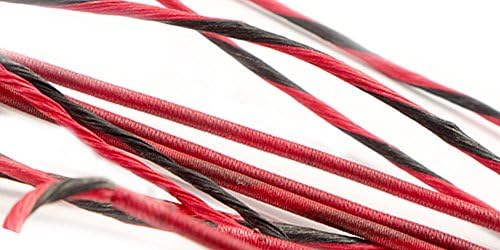
Choose the best bowstrings for barnett crossbows by exact length, material, and serving fit with this guide for hunters and target shooters.
A crossbow string is a wear part with your safety and accuracy riding on it, and Barnett models vary enough in string length and cam design that close enough is not good enough. Finding the best bowstrings for barnett crossbows starts with your exact model name, the string length in its manual, and how you shoot, whether that is a short hunting season or year round target practice. The comparison table below shows the current options, and this guide explains how materials, serving, and strand choices affect fit, speed, and service life. Safety note: string replacement on most Barnett models requires a bow press, and a qualified shop should do the work if you do not own one and know how to use it.


Who Should Buy the Best Bowstrings for Barnett Crossbows?
For Value Seekers
Value seekers need a string built to the exact factory length for their model, with sound materials and tidy serving, at a fair price. Stock style replacement strings in standard colors deliver that balance, because the money goes into fiber quality and careful construction rather than custom color work. Buy one string and install it before the season, or buy two so a spare is already stretched and ready. A cheap string with sloppy serving costs more in the long run through peep style sighting headaches, serving separation, and early replacement.
For Gift Shoppers
A bowstring makes a practical gift only when you know the exact crossbow model, since lengths differ between Barnett lines and even between years of the same line. When the model is certain, a mid range string plus a tube of string wax and a spare set of cables is a thoughtful bundle for a hunter. Include the receipt and the packaging, because fit returns are common in this category. If the model is unknown, a gift certificate to an archery shop is the safer and still generous choice.
For People Who Want the Best Performance
Performance buyers shoot a lot and notice small changes, so they benefit from premium low creep fibers, carefully matched strand counts, and serving wound tight enough to resist separation at the cams and latch. These strings settle in quickly, hold brace and timing longer, and keep arrow speed consistent across a long practice session. Hunters who shoot in cold weather also gain, because premium fibers react less to temperature swings. If you are comparing custom work, our guide to the best custom bowstrings for barnett crossbows explains the options in depth.
Key Features to Compare
Features That Matter for Barnett Crossbows
Barnett crossbows need the exact string length listed for the model, the correct number of strands for its draw weight, and a center serving diameter that matches the nock and the trigger latch. Too thick a serving can fit tight and wear fast, while too thin a serving lets nocks sit loose and harms consistency. Check whether your model uses a separate cable set that should be replaced at the same time, and confirm the string is built for your cam style rather than a generic length that merely looks close.
Price vs Value
Budget strings generally run under $40 and suit a backup role or a bow that shoots a few dozen arrows a year. Mid range strings at about $40 to $80 bring better fibers, tighter serving, and more consistent lengths from one string to the next. Premium and custom strings above that range add low creep materials, color choices, and careful finishing that high volume shooters appreciate. Installation at a shop adds a labor cost on top of any tier, so include it when you compare your true total.
Intended Use and Who It Is For
Hunters need a string that stays quiet, holds up to weather, and keeps its tune from preseason practice through cold late season sits. Target shooters need consistency above all, since small creep shows up as vertical drift on the target over a long day. Occasional shooters need durability and a long service interval more than peak speed. Name your main use before you shop, because the right answer for a once a year hunting bow is a poor answer for a weekly league bow, and the reverse is also true.
Key Performance Specs
The specifications to verify are string length in inches for your exact model, strand count matched to draw weight, fiber type, and serving material and diameter. Modern synthetic fibers with low creep hold length better than older blends, which protects cam timing. Strand count affects both strength and speed: more strands add safety margin and durability, while fewer strands can add a little speed at the cost of that margin. Never guess length from a similar model name, because a quarter inch error changes how the bow tunes and shoots.
Common Mistakes to Avoid When Buying Bowstrings
- Ordering by model family instead of the exact model and year, then forcing a string that is slightly the wrong length.
- Judging by price alone and getting serving that separates at the latch within a single season.
- Replacing the string but keeping worn cables, so timing problems return almost at once.
- Ignoring center serving diameter, which controls nock fit and release consistency.
- Skipping the manual check for press requirements and trying to install the string with improvised tools.
Care and Maintenance Tips
Read the manual before first use of a new string, including the maker guidance on break in shots and waxing intervals. Wax the exposed strands lightly and often, working the wax in with your fingers, but keep wax off the center serving where the latch engages. Inspect regularly for fraying, serving separation, and cut strands, especially where the string crosses the cams and the rail. Store the crossbow in a dry place away from heat and sunlight, and never leave it cocked longer than the maker allows. Any cut strand means the string comes off service at once.
FAQs
What features matter most in bowstrings for barnett crossbows?
Exact length for your model matters most, because it sets brace height, cam timing, and safe operation. Next come fiber quality and serving fit at the latch and nocks. A string built from low creep synthetic fiber with a center serving matched to your nock size will shoot consistently and last longer than a generic string that happens to be the right color. When in doubt, match the factory specification exactly rather than experimenting.
What features matter most when buying bowstrings?
Across all brands, the deciding features are correct length, suitable strand count for the draw weight, durable serving, and honest construction quality. Materials set the ceiling for creep and lifespan, while build quality decides whether you reach it. If you also own other brands, our guide to the best bowstrings for tenpoint crossbows shows how specifications differ between makers. Always confirm fit for the specific bow rather than assuming crossbow strings are interchangeable.
Are expensive bowstrings worth it?
They are worth it for high volume shooters and hunters who cannot afford a mid season failure. Premium fibers creep less, settle faster after installation, and keep timing stable through temperature changes. A low use hunting bow that fires a few dozen arrows a year gains little beyond what a sound mid range string gives. The upgrade is about stability and lifespan, not a dramatic jump in arrow speed, so buy it for consistency rather than velocity.
How much should I spend on a bowstring?
Most owners should budget about $40 to $80 for the string itself, which lands in the dependable mid range for typical Barnett models. Add shop labor if a press install is needed, often a modest fee that is money well spent for safety. Keeping a matched spare string and cable set raises the total but prevents a ruined hunt. Extremely cheap strings are false economy on a high draw weight bow, where a failure can damage limbs and cams.
How long does a bowstring last?
Service life depends on shot count, care, and storage more than on the calendar alone. Many makers suggest replacing crossbow strings every two to three years or after a set number of shots, and heavy target use shortens that window. Waxing, dry storage, and prompt attention to serving wear extend life. Our guide to the best bowstrings for mission crossbows offers a useful comparison of replacement intervals across brands. When strands look fuzzy or serving gaps appear, replace rather than gamble.
How do I maintain a bowstring?
Light, frequent waxing of the strands is the core habit, paired with a quick visual check before every session. Keep the rail lubricated as the manual directs so the serving slides without excess friction, and store the bow uncocked, cool, and dry. Replace the string at the first cut strand or separated serving. If you are unsure about condition, have a shop inspect it, since their eyes and press make the call safely. See also our guide to the best bowstrings for excalibur crossbows for recurve specific care notes.
Final Thoughts
Confirm the exact length for your model, choose fibers and strand count for your shot volume, and make sure the center serving fits your nocks and latch. Those three checks decide almost everything about how a string performs and how long it lasts. With them settled, the best bowstrings for barnett crossbows become a short list rather than a gamble, so review the product table above and order with enough time for a proper press install before your season starts.