Best Bowhunting Boots by Budget: A Clear Guide for 2026
Disclosure: We may earn a commission when you buy through links on this page, at no extra cost to you. As an Amazon Associate I earn from qualifying purchases. Learn more

Compare the best bowhunting boots by budget, fit, waterproofing, and traction, and learn which upgrades are worth paying for before you buy a pair.
Bowhunting boots sell at prices from under $100 to well over $300, and the gap is not just a logo. Extra money usually buys quieter soles, better waterproof membranes, and uppers that survive several seasons of brush and mud. This guide to the best bowhunting boots shows what each price tier actually delivers, so you can spend where it helps your hunting and save where it does not.
Bowhunters walk slowly, sit still for hours, and cross wet ground in the dark, so comfort and silence matter more than raw toughness. The comparison table below lines up the main boot types side by side, and the sections after it explain the trade offs behind the prices.
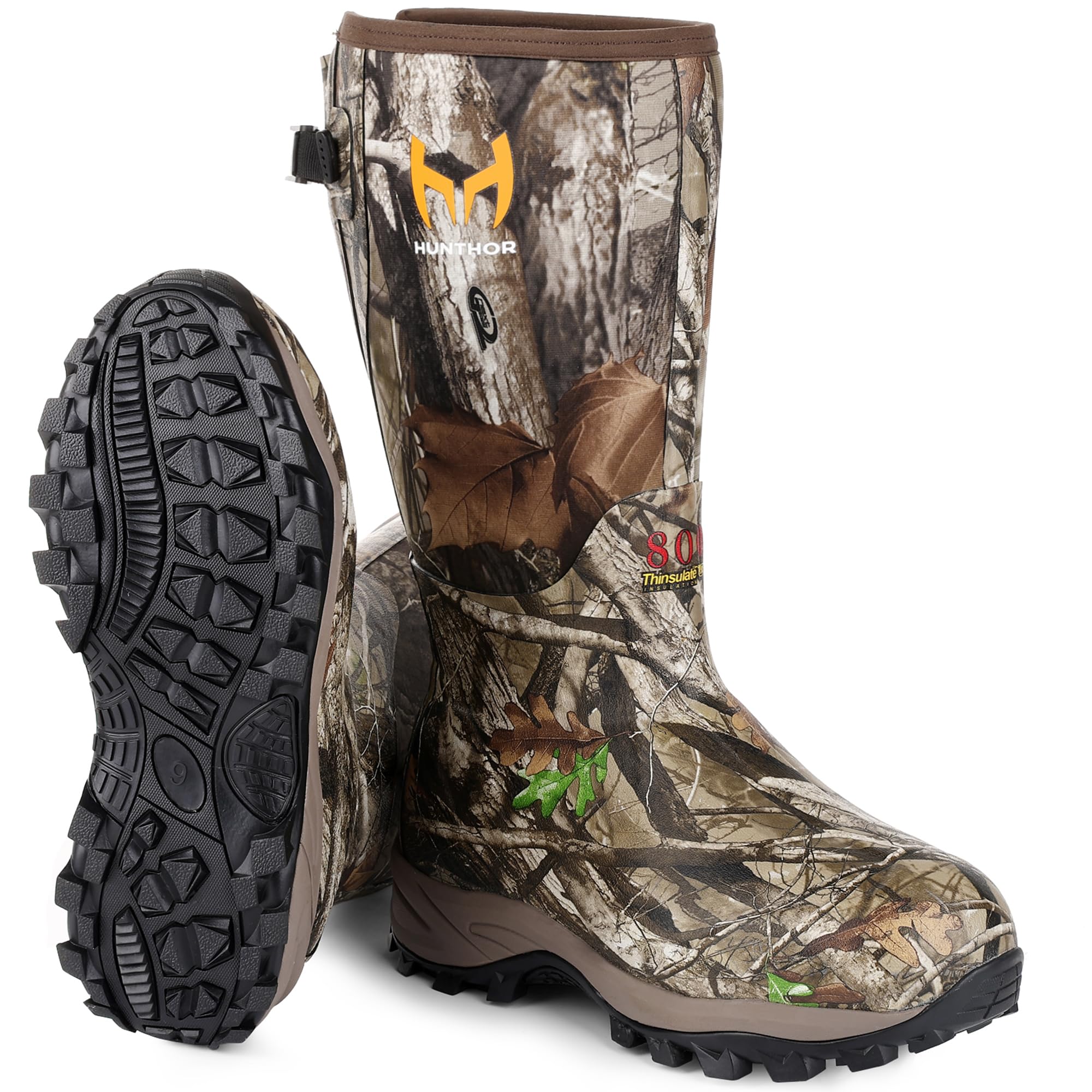

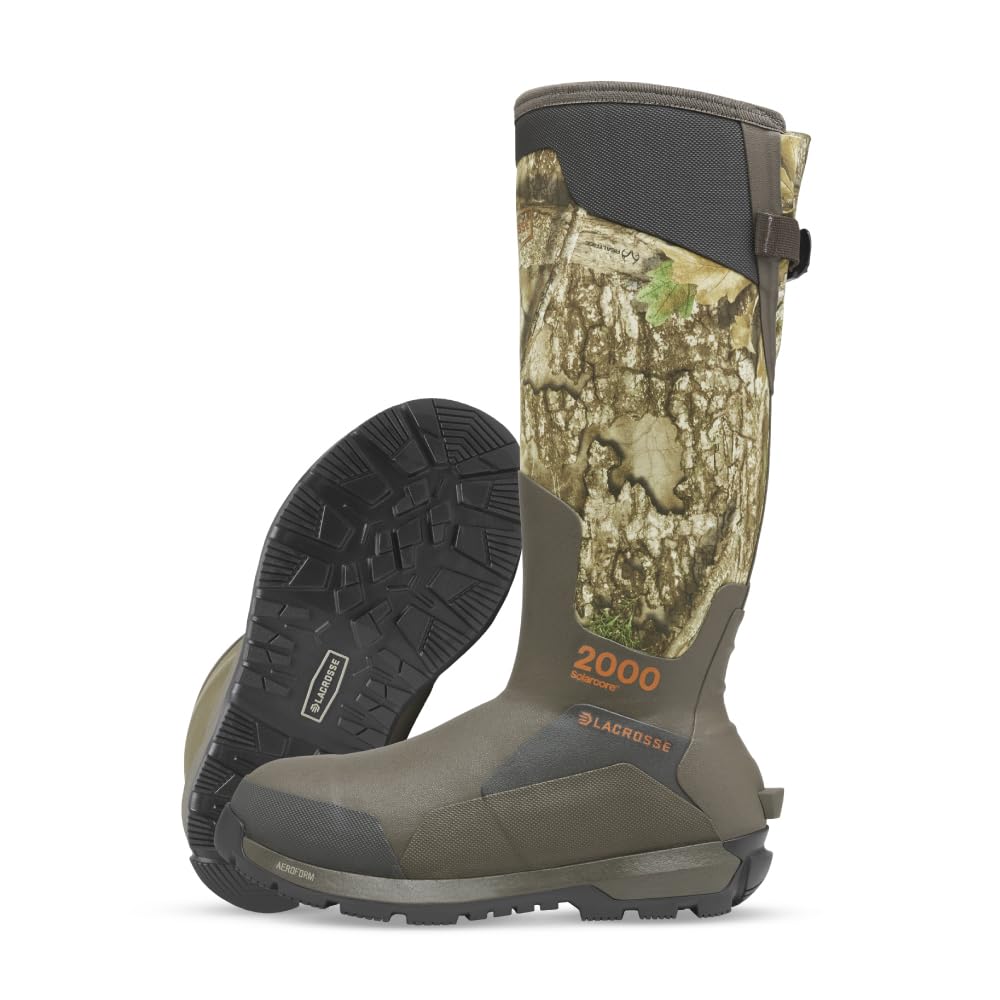

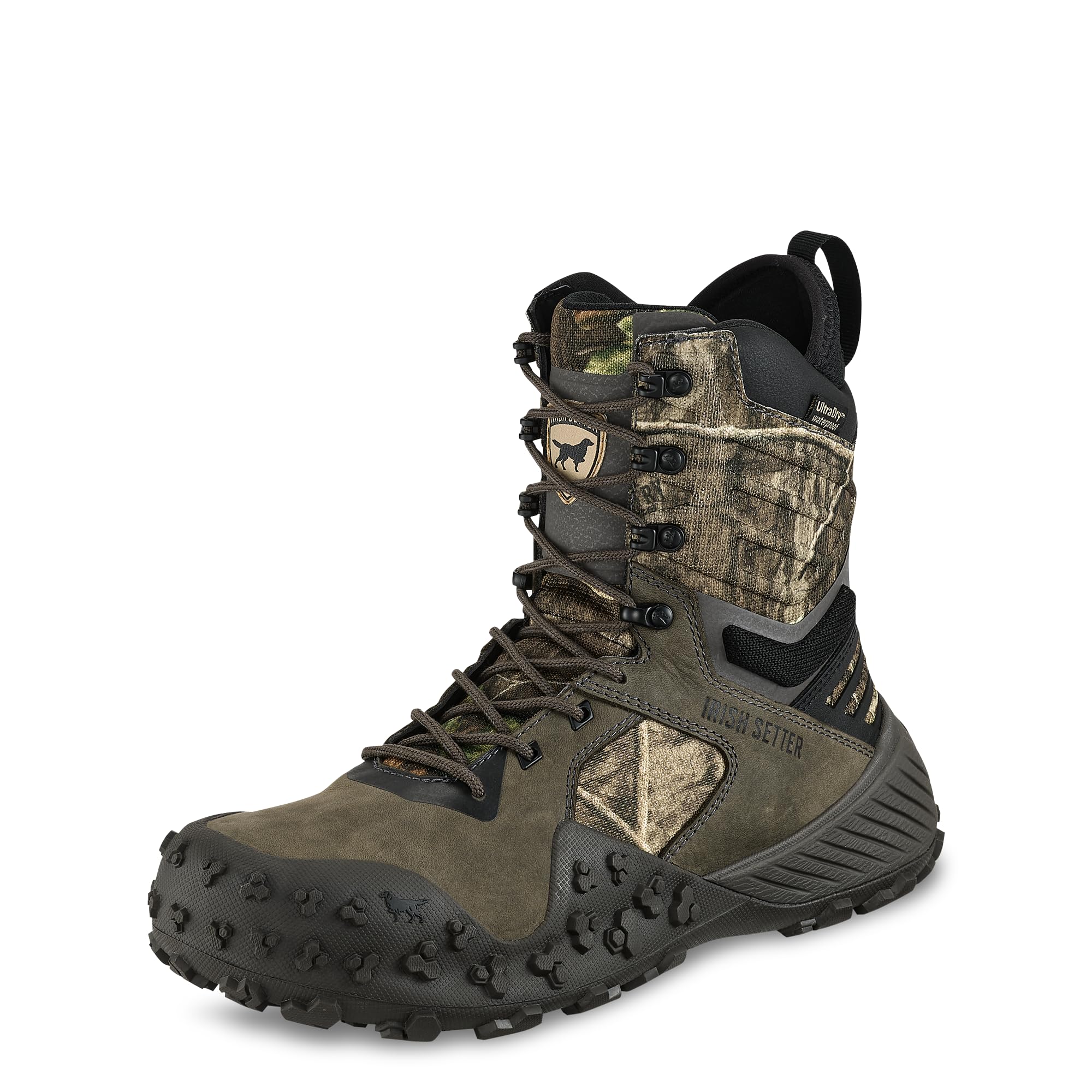


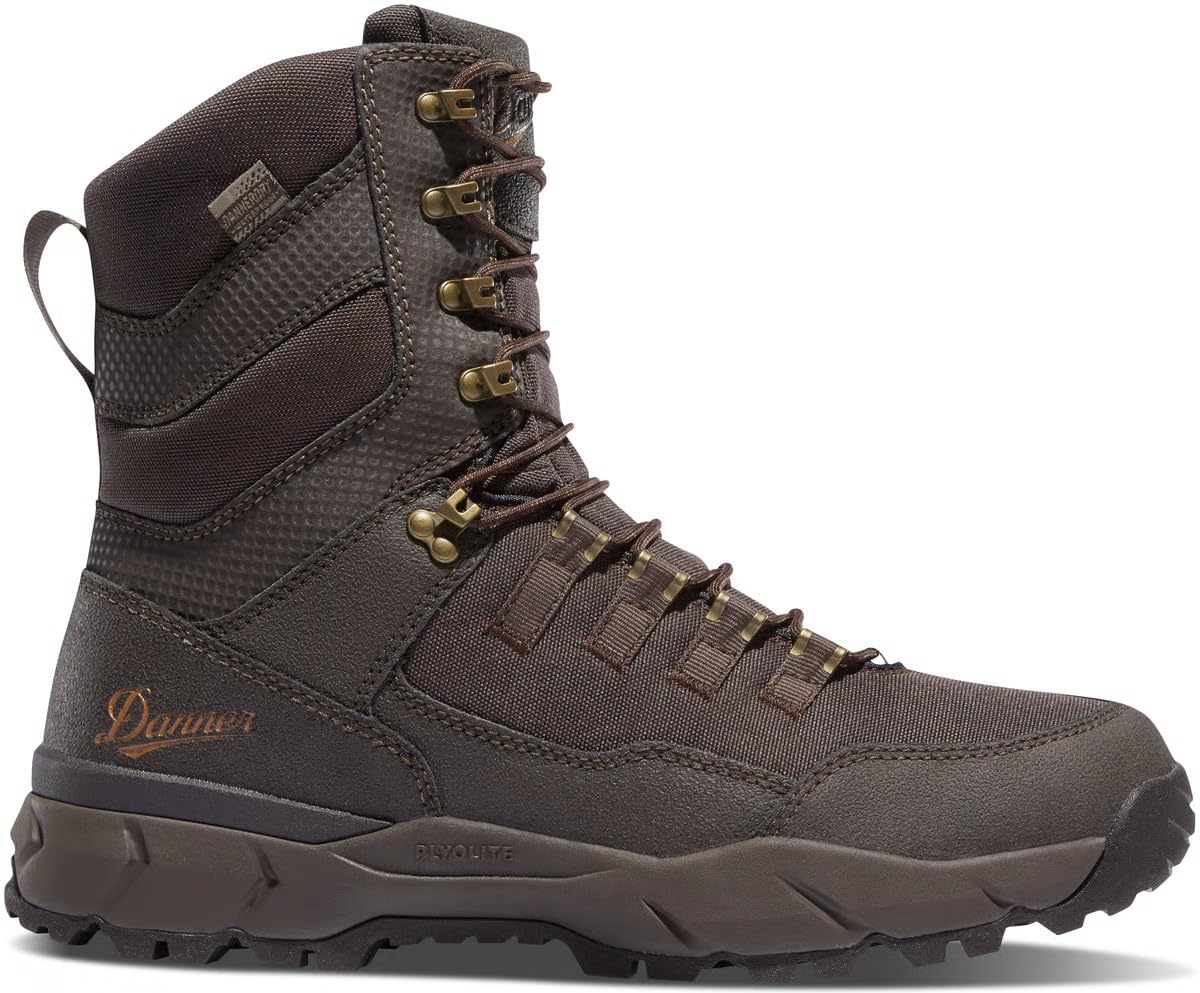


What Your Money Gets You at Each Price Tier
Budget Tier: What to Expect
Budget bowhunting boots cost about $70 to $120 and cover the basics for short walks to a stand on mild, dry ground. Expect synthetic uppers, basic rubber outsoles, and light insulation or none at all. Waterproofing at this level is usually a treated surface or a simple membrane that handles dew and shallow puddles but may leak in steady rain.
These boots suit new bowhunters who hunt a few weekends a season close to home. The trade off is lifespan, since glued soles and thin linings tend to wear out within a couple of seasons of regular use.
Midrange Tier: The Sweet Spot for Most Buyers
Midrange boots run about $120 to $220 and are where most bowhunters get the best value. This tier adds dependable waterproof membranes, quieter flexible soles, and better ankle support for uneven ground. Insulation choices widen too, so you can match the boot to early season warmth or late season cold.
Uppers often mix leather and synthetic panels, which balances durability with a shorter break in period. If you hunt most weekends from September into November, this is the tier that usually covers every condition you will meet without paying for features you rarely use.
Premium Tier: When Spending More Pays Off
Premium boots cost about $220 to $350 and earn their price on long hikes, steep ground, and cold late season sits. You get full grain leather or advanced synthetic uppers, high quality waterproof membranes that stay breathable, and outsoles with deeper lugs for mud and wet leaves.
Fit improves as well, with more width options and shaped ankle collars that reduce heel slip on climbs. Hunters who pack into backcountry spots or hunt in standing water will feel the difference. Casual hunters on flat, dry land will notice the price more than the performance.
Features Worth Paying For (and Ones to Skip)
Weight and Flexibility
A lighter, more flexible boot helps you place each step quietly, which matters when you stalk or still hunt within bow range. Very stiff boots protect your feet on rocky ground but can feel clumsy and noisy on soft forest floors.
Most bowhunters do best with a medium flex boot that bends at the forefoot while still supporting the ankle. Paying for ultralight construction is worth it if you walk miles each day. If your stand is a short walk from the truck, standard weight boots are fine and usually cost less.
Waterproofing and Membranes
A waterproof membrane keeps feet dry through wet grass, creek crossings, and snow, and it is worth paying for if your hunting ground stays damp. The trade off is breathability, since membranes vent heat and sweat more slowly than plain mesh uppers. In hot, dry early season conditions, an unlined breathable boot can actually be more comfortable.
Rubber boots give the strongest water protection and block scent well, but they fit loosely and offer little ankle support. Choose based on the wettest conditions you hunt often, not the single worst day of last season.
Durability and Expected Lifespan
Durability comes from upper material, stitching, and how the sole attaches to the boot. Stitched soles can often be repaired or resoled, while glued soles are lighter but usually end the boot when they separate.
Leather uppers handle abrasion from brush and rocks better than thin synthetic panels. A well made midrange or premium boot can last several seasons of regular hunting, while budget boots often show worn tread and cracked uppers sooner. Spending more here lowers your cost per season, which matters if you hunt often.
Outsole Traction and Terrain
The outsole decides how quietly and safely you move over wet leaves, mud, and frosty logs. Shallow, closely spaced lugs roll quietly on soft ground and shed mud well, which suits most woodland bowhunting.
Deeper, widely spaced lugs bite better on steep or slick terrain but can pick up gravel that clicks on hard surfaces. Rubber compounds that stay soft in cold weather grip better on frozen ground. Match the tread to your ground rather than paying for aggressive mountain style lugs you will never need on flat farmland.
Fit, Sizing, and Toe Box
Fit matters more than any single feature, because a blister or numb toes will end a hunt early. Measure your feet in the afternoon, when they are slightly swollen, and try boots on with the socks you plan to hunt in. Your toes should wiggle freely without sliding forward on downhill steps, and the heel should stay seated when you climb.
A roomy toe box helps when you wear thick cold weather socks and lets air circulate as insulation. If foot pain keeps returning after hunts, see a doctor rather than hoping a different boot alone will solve it.
Long Term Costs to Factor In
The purchase price is only part of what a pair of boots costs over its life. Budget for waterproofing treatments for leather uppers, replacement insoles after a season or two, and quality wool blend socks that protect both your feet and the boot lining. Rubber boots may need patch kits for punctures from thorns or barbed wire.
Check the warranty length before buying, since longer coverage on seams and soles adds real value. A midrange boot that lasts four seasons often costs less per year than a budget boot replaced every second season.
Your Bowhunting Boot Questions Answered
How often should bowhunting boots be replaced?
Bowhunting boots should be replaced when the tread is worn smooth, the waterproofing fails even after treatment, or the midsole feels flat and unsupportive. For hunters covering rough ground every weekend, that can be after about three to five seasons. Boots used only a few times a year last longer in calendar terms. Check the heel and forefoot lugs before each season, since worn tread on wet leaves is a safety issue, not just a comfort one.
How should bowhunting boots fit for stand hunting?
Bowhunting boots should fit snugly at the heel and midfoot with clear space in front of the toes. Stand hunters sit still for hours, so a fit that is even slightly tight can restrict circulation and make feet cold faster. Leave room for a liner sock plus a heavy outer sock if you hunt late season. Walk around the shop and step up onto a platform edge if you can, because a boot that feels fine standing flat may pinch when your foot flexes.
Can bowhunting boots be worn all day?
Yes, bowhunting boots can be worn all day if the fit and insulation match the weather. All day sits in one position are harder on feet than walking, so cushioning under the heel and room for toes to move both help. Boots built for hiking long distances usually have better footbeds for full day wear than simple rubber boots. If your feet ache after every long sit, add a supportive insole before assuming the boot itself is wrong for you.
Are expensive bowhunting boots worth the money?
Expensive bowhunting boots are worth the money when you hunt often, walk far, or face cold and wet conditions for much of the season. The extra cost buys longer lasting materials, better waterproof membranes, and more precise fit options. A hunter who goes out twice a year on mild days will rarely feel those advantages. Think in cost per hunt rather than sticker price, and remember that one ruined hunt from soaked, cold feet can cost more in time than the price gap between tiers.
How long does the break in period take for bowhunting boots?
The break in period for leather bowhunting boots usually takes about two to four weeks of regular short walks. Start with walks around the neighborhood, then add uneven ground before your first real hunt.
Synthetic and rubber boots need little break in but also mold less to your feet over time. Never wear brand new boots on an all day hunt, because stiff spots that feel minor at home can raise blisters after miles of walking. Socks with padding at the heel ease the process.
Do bowhunting boots need to be waterproof?
Bowhunting boots need to be waterproof if your hunting involves wet grass, mud, shallow water, or snow, which covers most whitetail and turkey country. Dry feet stay warmer and blister less on long walks. In arid regions with little ground moisture, waterproof membranes can trap sweat and make feet hotter, so a breathable non waterproof boot may serve you better there. Many hunters own one waterproof pair for wet and cold days and a lighter breathable pair for hot early season hunts.
The Bottom Line
Start with your hunting ground and season, then let those two facts set your budget tier. Fit, quiet traction, and the right level of waterproofing matter more than paying for the highest price tag, and the product table above can help you compare types once you know your tier. Always follow local hunting rules for your area, including any blaze orange requirements during shared seasons. For most hunters, the best bowhunting boots are a midrange pair that fits well, stays quiet on soft ground, and keeps feet dry through a full morning in the stand.