Best Bowflex Treadmill: Folding, Running and Screen Types (2026)
Disclosure: We may earn a commission when you buy through links on this page, at no extra cost to you. As an Amazon Associate I earn from qualifying purchases. Learn more

Best Bowflex treadmill guide to folding, running and large screen types, belt size, incline, space needs and app costs.
Every Bowflex treadmill carries the same brand name, yet the models differ a lot in deck size, screen size, folding design, and price. The right pick depends on how you train, how much room you have, and who else will use the machine. Start by deciding whether the best bowflex treadmill for you is a compact walker friendly model, a roomier runner focused model, or a large screen model built around guided classes.
Use the product table to line up the main models side by side before you read the details. If you are still weighing this brand against the wider market, our guide to the best treadmill options overall is a useful place to compare what other brands offer at similar prices.


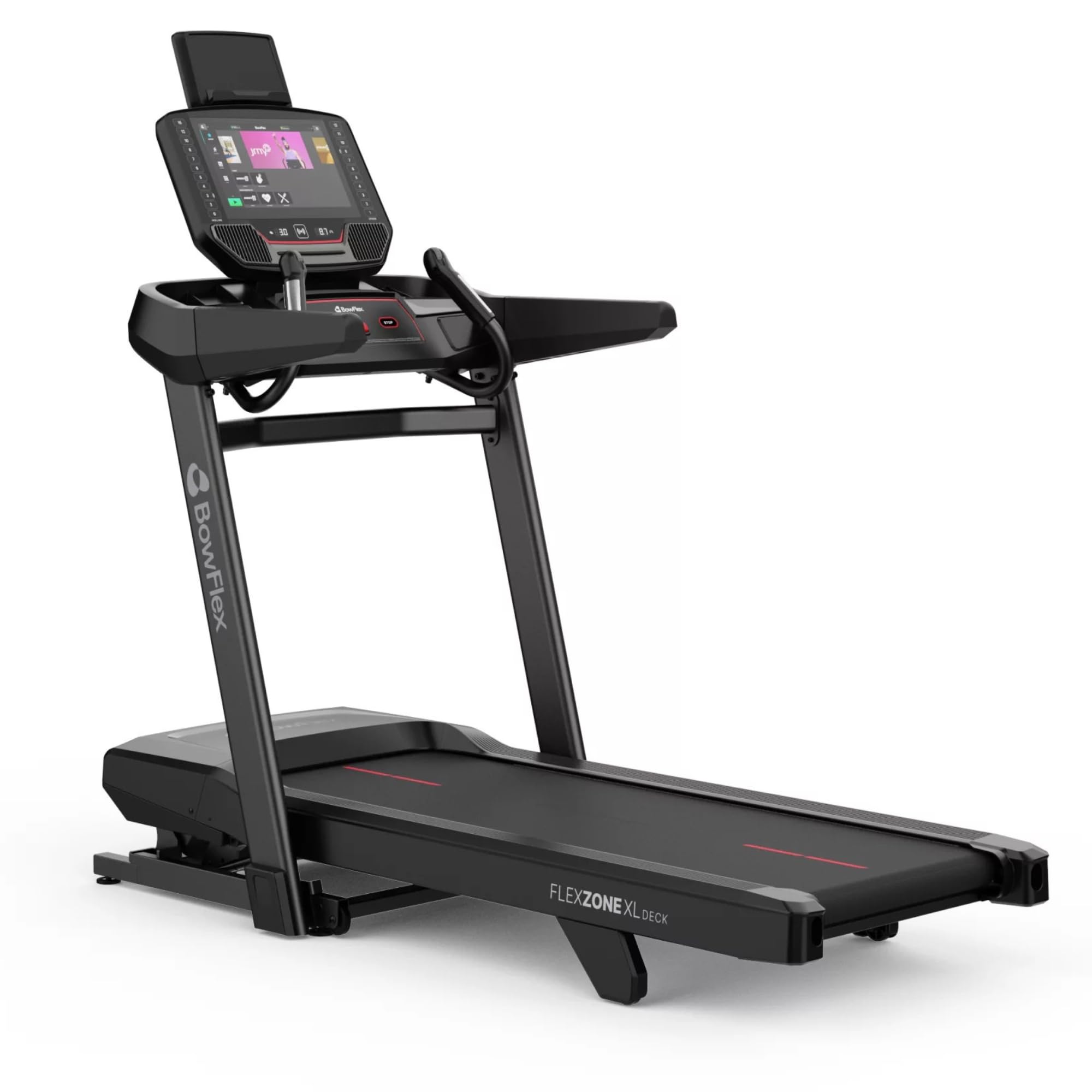
The Three Types at a Glance
This guide compares types rather than reviewing individual products, so think of the three groups below as three different answers to the same question. One puts storage first, one puts running room first, and one puts the screen and class experience first. Naming your priority early will save you from paying for size or features you will never use.
- Balanced folding type: a midsize deck, a folding frame, and a modest screen for daily walking and jogging.
- Roomy running type: a longer and wider belt, a stronger motor class, and more speed and incline range for harder training.
- Large screen type: a big display and a deep class library for people who train best with a coach on screen.
Best Bowflex Treadmill Types Compared
The lineup is easiest to read as a ladder. As price climbs, you generally get more belt room, a larger screen, and a frame that feels steadier at speed. What you do not automatically get is a better fit for your home, so the type matters more than the tier.
Balanced Folding Treadmill Type
This is the type most households should look at first. The belt is long enough for brisk walking and steady jogging, the frame folds to free up floor space, and the console covers the basics without forcing you into the largest screen. It suits shared homes where one person walks while another jogs. If your main goal is regular cardio rather than race training, this balance of size, storage, and price is the sensible middle of the lineup.
Simpler Folding Treadmill Type
The simpler end of the range trims the screen and some training extras while keeping the folding frame and the core walking experience. That trade makes sense if you mostly walk, watch your own tablet or TV, and care more about getting moving than about classes. Choose this type when your workouts are steady, your space is tight, and a smaller bill matters more than extras.
Large Screen Training Treadmill Type
The premium type spends your money on a big display, a roomier belt, and a heavier frame. It fits runners who train several days a week and walkers who stay consistent only when a coach leads the session. The larger belt also helps taller users who need stride room at speed. Serious runners should compare this type against the picks in our guide to the best treadmill for running before deciding, because belt length and motor strength matter more at speed than screen size does.
How to Choose the Right Treadmill
Work through the factors below in order. Size and fit come first, because a treadmill that crowds your room or shortens your stride will annoy you every single session, while a missing app feature will not.
Size and Form Factor
Belt size shapes comfort most. Walkers can manage with a shorter and narrower belt, while runners need extra length so each stride lands without thought and extra width so small sideways drift feels safe. Taller users should favor length, since a short belt forces a choppy stride at speed. Also check the step up height of the deck if knees are a concern, because a tall deck is harder to mount. Judge comfort by the belt and storage by the folded frame.
Type
The lineup is built around folding home treadmills, but your training style still splits the choice. A walking focused type favors lower speeds and a compact frame. An incline focused type adds steep grades that turn walks into harder hill work. A running focused type pairs a stronger motor with a longer belt. A smart type centers on the screen and classes. If you are debating a flat walking pad instead, our comparison of walking pad vs treadmill explains why a pad lacks handrails, incline, and higher speeds.
Features Worth Paying For
Incline is the feature with the clearest payoff, since raising the grade raises effort without raising speed, which is kind to joints. A clear screen matters if you follow classes on the machine, and sturdy handrails matter if your balance needs support during grade changes. Bluetooth is worth having for headphones and heart rate straps, and automatic incline makes coach led sessions feel smooth. Skip a huge screen if you plan to watch a wall mounted TV, and skip extra speed if walking is your only goal.
Space and Footprint
Measure the room before you fall for a model. You need the full running footprint, plus open space behind the belt so a stumble has a safe landing zone, plus side clearance for getting on and off. Check folded height too, because some folded decks lean tall against a wall. Ceiling height also counts once incline lifts the deck and your head rises with it, especially in basements.
Weight Capacity
Every model lists a maximum user weight, and you should leave a sensible margin below that figure rather than buying right at the limit. A frame working near its limit tends to feel less steady and can wear faster, while a higher capacity frame usually signals stronger parts throughout. Add the weight of anything you carry, such as a weighted vest, to your own weight when you check.
Programs and App Subscriptions
Built in programs on the console usually cover intervals, hills, and heart rate guided sessions at no extra cost. The richer class libraries, scenic routes, and adaptive plans live inside the brand app and need an ongoing subscription after any trial ends. Before you pay more for a large screen model, confirm what the screen shows without a membership, because some displays limit you to a few basic modes when the subscription lapses. Also check whether your household can share one account.
Noise and Floor Protection
Treadmill noise comes from the motor, your footfalls, and vibration passing into the floor. A heavier frame and a thicker belt usually run quieter, but placement matters just as much. Put the machine on a dense equipment mat to soften vibration and protect hard floors or carpet pile. Ground floor rooms carry less noise to neighbors than upstairs rooms. Keep the belt aligned and clean, since a wandering or dusty belt adds a rhythmic slap.
How Much Should You Spend?
Bowflex sits in the middle to upper part of the treadmill market. Listings in the product table run from about $2,150 for a folding model with a 16 inch screen to roughly $4,300 for the larger series listing, so budget for the machine, an equipment mat, and the app subscription. Spend for belt room and frame strength first, because you feel those daily.
The Bowflex Treadmill Lineup Explained: Which Model Is Which?
Read the lineup from the bottom up. The entry models keep the screen small and the deck compact, which suits walking and light jogging in a spare corner. The middle models widen the belt, raise the incline range, and add a screen large enough to follow classes comfortably. The top models pair the biggest screens with the longest belts and the highest weight capacities, aimed at runners and households training daily.
One shortcut helps: screen size is the most visible difference between tiers, but belt size is the most important one. If two models look close on paper, pick the one with the belt that fits your stride and the folded size that fits your room. Walkers at gentle speeds can also compare their needs with our guide to the best treadmill for walking, since a walking only routine rarely needs the top tier.
FAQs
Which Bowflex treadmill is best for most homes?
For most homes, the balanced folding type is the safest answer, because it covers walking and jogging without the cost or bulk of the largest models. Before you order any model, though, measure your doorway and the tightest turn on the delivery path. Delivery boxes are wide and heavy, and a model that fits the room perfectly is still the wrong choice if the box cannot reach that room. That delivery check is the step buyers most often skip.
Is Bowflex a good treadmill brand?
Bowflex is an established home fitness brand, and its machines sit in the middle of the market rather than at the bargain or club level. What matters for you is support after the sale: check that replacement belts, decks, and rollers for your model are listed by the brand, and read the manual online before buying. A manual that explains belt care and error codes clearly is a good sign that ownership will be straightforward.
Which Bowflex treadmill should a household with several users buy?
Shop for the tallest and heaviest regular user, then check that everyone else can reach the controls and the safety key with ease. Separate user profiles help in shared homes because each person keeps their own saved workouts instead of resetting the console every session. If one person runs and the others walk, let the runner set the belt size requirement, since walking on a longer belt feels fine while running on a short belt does not.
How should a new owner use a treadmill for the first workouts?
Start beside the belt with one foot on each side rail, clip the safety key to your clothing, and begin at a slow walking speed before stepping on. Our full guide on how to use a treadmill walks through safe starts in more detail. For your first week, keep sessions short, hold a natural arm swing instead of gripping the rails, and finish each walk by slowing the belt gradually rather than jumping off a moving deck.
How long should you walk on a Bowflex treadmill to support weight loss?
There is no single session length that fits everyone, because results depend on your pace, the grade you set, your overall activity, and your eating habits. Build toward longer, regular walks you can repeat most days, and use incline to raise the effort on days when time is short. If you have a health condition or joint pain, talk with your clinician about a pace and duration that suit your personal needs.
How much does a Bowflex treadmill cost once you own it?
The purchase price is only part of the total. Our breakdown of how much does a treadmill cost covers the wider market, and Bowflex owners should also budget for an equipment mat, possible delivery or room placement fees, and the app subscription renewal if they keep the classes after the trial. Electricity use is modest, and routine belt care costs little, so the subscription is usually the largest ongoing expense to plan for.
Final Thoughts
Match the type to your training first, your room second, and your screen wishes last. The balanced folding type will serve most homes well, the simpler type keeps walkers moving for less, and the large screen type rewards daily runners and class fans. Whichever group you choose, measure your space, leave a margin under the weight limit, and check the product table above once more before you order the best bowflex treadmill for your goals.