Best Bowflex Home Gyms (2026): Models, Resistance and Buying Tips
Disclosure: We may earn a commission when you buy through links on this page, at no extra cost to you. As an Amazon Associate I earn from qualifying purchases. Learn more

Resistance, stations and floor space decide the best Bowflex home gym. Here is how to match a model type to your goals and room.
Choosing a Bowflex gym feels harder than it should, because the models look alike in photos yet differ in resistance, stations, and size. The right best bowflex home gym for you depends on how much resistance you need, which exercises matter most, and how much floor space you can give up for good. This guide compares the lineup by build quality, user weight capacity, footprint, and features so you can match a type to your goals.
Start with the comparison table below, which lines up the main types side by side.

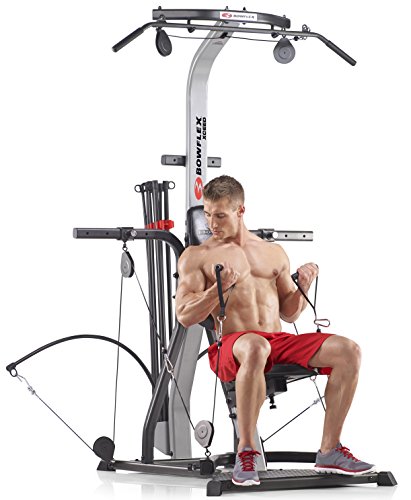
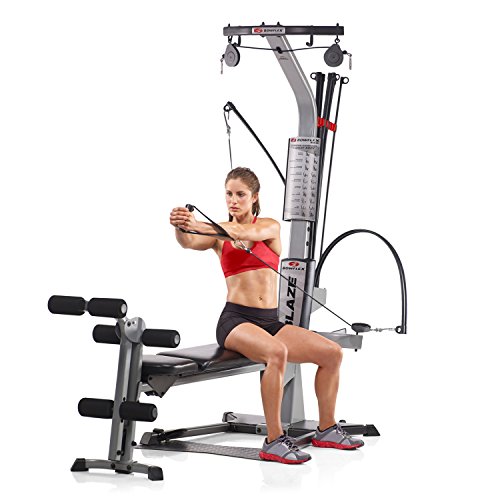

The Lineup at a Glance
Think of the lineup in three paths. A versatile mid size gym suits most people, because it covers the core lifts and still fits a spare room. A compact budget gym trims stations and resistance to save money and space. A premium gym adds more resistance, more attachments, and a sturdier frame for heavier or taller users. Each path trades cost, size, and exercise variety in a different way.
How Bowflex Home Gym Types Compare
The Versatile Type for Most Homes
This is the middle of the lineup, and it is the type most buyers should study first. You get rod based resistance that covers presses, rows, pulldowns, and leg work, plus a bench that adjusts for flat and incline positions. Resistance starts at a level that suits beginners and can be raised by adding rods later on many models. The frame feels stable under load, yet it still fits along one wall of a garage or spare room. Choose this type if you train three or four days a week and want one machine to handle nearly all of it.
The Compact Budget Type
Smaller Bowflex gyms cut cost by offering fewer stations, a lighter frame, and a lower top resistance. You still get the main cable movements for chest, back, arms, and shoulders, and the bench and pulley layout feel familiar. What you give up is room to grow. Stronger users may reach the resistance limit sooner, and some leg or cable options may be missing. This type makes sense for a first gym, a tight room, or a buyer who trains for general fitness rather than maximum strength. Measure your space with care, because even compact models need clear room in front for the bench and cables.
The Premium Type With More Resistance
At the top of the lineup, you pay for a heavier frame, higher resistance out of the box, and more attachments, such as a leg developer, a lat tower, or extra pulley positions. Taller users often prefer this type, because the longer cables and taller frame leave more room to move. The footprint grows too, and assembly takes longer. Pick this type if you already train with weights, expect your strength to climb, or share the gym with a partner at a different level. It costs more up front, but it delays the day you outgrow the machine.
How We Chose the Best Bowflex Home Gyms
We compared the lineup on five points drawn from maker specifications and patterns in verified buyer feedback. First came build quality and user weight capacity, because a gym must feel steady and suit everyone who will use it. Next came footprint and storage, then features and programs, then noise, and finally warranty cover on the frame, rods, and parts. We did not rely on claimed exercise counts alone, since a long list means little if key stations are awkward to reach or resistance tops out too soon.
How to Choose the Right Home Gym
Type
Bowflex gyms are all in one cable stations built around flexible rod resistance rather than a weight stack or free weights. That design keeps the machine quiet and removes the need for plates, but it also means the feel differs from a gym barbell. If you want plates and a bar instead, compare a best home gym guide that covers several designs, or look at a best power rack home gym for barbell training. A best smith machine home gym suits lifters who want a guided bar path. Stay with Bowflex if cable variety in one footprint is your priority.
Features Worth Paying For
Focus on the stations you will use weekly. A lat pulldown bar and a low pulley row cover most back training, while adjustable cable arms widen your options for chest and shoulder work. A leg developer adds leg extensions and curls that are hard to copy with cables alone. Look for a bench that locks in flat and incline positions and pulleys that change height without tools. Extra attachments only add value if they match your program. A squat strap or an ab harness is worth paying for when those moves are already in your routine, not as a just in case extra.
Space and Footprint
Measure the full working area, not just the frame. You need room to extend the bench, stand clear of moving cables, and walk around the machine to change rods. Leave space above the lat tower for pulldowns and in front of the bench for leg work. Check ceiling height too, because taller frames can crowd a low garage ceiling. Some models fold or roll for storage, but moving a heavy frame daily gets old fast. A fixed spot you can use at once beats a smaller setup you must rebuild before each session.
Weight Capacity
Two numbers matter here. The user weight capacity tells you the heaviest person the bench and frame are rated to support, and many home gyms sit at about 300 pounds, though ratings vary by model. The resistance capacity tells you how much load the rods can provide, and stronger lifters should check whether extra rods can be added later. Match both numbers to the strongest and heaviest person who will train, with room to spare. A gym run close to its limits feels less stable and wears faster, so buying one step up often pays off in comfort and service life.
Programs and App Subscriptions
Most rod based Bowflex gyms work without any subscription, and the exercise guides and charts in the box cover the basic movements. Some newer Bowflex equipment pairs with training apps, so check whether the features you want sit behind a monthly fee before you buy. If guided classes and tracked workouts keep you consistent, a best smart home gym may suit you better than a rod gym. If you follow your own written program, skip the screen and put the money toward more resistance or a better bench. Either way, confirm what still works if you cancel the app later.
Noise and Floor Protection
Rod and cable gyms are among the quietest strength options, because there are no plates to clang and no stack to slam. Most noise comes from the bench shifting, cables rubbing guides, or your feet on a hard floor. A dense rubber mat under the frame protects the floor, steadies the machine, and softens sound for rooms below. Keep cables clean and check pulleys for grit, since a dirty pulley can squeak under load.
How Much Should You Spend?
Compact Bowflex gyms often cost under $1000, and they cover general fitness if your strength goals stay modest. The versatile middle of the lineup tends to run about $1000 to $1500, adding stations, a sturdier frame, and more resistance headroom. Larger premium models can pass $1500, and the extra money mainly buys capacity and attachments rather than new exercises. Set your budget after you list your must have stations, not before. Spending a little more for resistance you will grow into is usually smarter than saving now and replacing the whole gym in two years.
The Bowflex Home Gym Lineup Explained
The lineup shares one idea. Flexible rods bend as you pull the cables, and the resistance rises as the rods bend further, so the start of a rep feels lighter than the finish. Adding or removing rods changes the load in set steps. Models differ mainly in how many rods come in the box, how high the load can go with added rods, and which stations surround the bench. Entry models keep the bench and one pulley setup simple. Larger models add a lat tower, leg developer, and more pulley positions, which opens up more angles for the same muscle groups.
That shared design has practical effects. There are no plates to store, change, or drop, and the machine stays fairly light for its size, which helps if you ever move house. The trade off is feel. Rod resistance does not match the steady pull of a weight stack, and the rated pounds are not a direct match for the same number on a barbell. Treat the numbers as a guide within the lineup rather than a conversion chart.
FAQs
What is the best bowflex home gym?
For most people, the best choice is the versatile mid size type, because it balances resistance, stations, and footprint without the premium price. Buyers with little space or a modest budget do better with the compact type, while stronger or taller users should look at the premium type. One extra point helps you decide: count the sessions you truly expect each week. A gym that fits your space and schedule beats a larger model that crowds the room and slowly turns into storage.
Is Bowflex a good home gym brand?
Bowflex has sold rod based gyms for many years, and parts, added rods, and manuals remain widely available, which matters for a machine you plan to keep. Build quality is solid in the middle and upper lineup, though entry models use lighter frames. Check the warranty term for rods and parts on the exact model you want, because cover differs across the range. Also confirm that added resistance rods for that model are still sold before you rely on upgrading later.
How long does a home gym last?
A well kept home gym can serve for many years, and the frame usually outlasts the wear parts. Cables fray, pulleys wear, and upholstery splits long before steel fails, so inspect those parts each season and replace them at the first sign of damage. Rods can lose some spring if they sit bent under load, so store them unloaded as the manual directs. Keeping the original manual and part numbers makes ordering replacements far easier years later.
How do you clean a home gym?
Wipe the bench and handles after each session with a mild cleaner, because sweat left on vinyl and grips breaks the surface down over time. Dust the frame and rods weekly, and vacuum grit from around the base so it stays out of the pulleys. Never spray liquid into pulley housings or rod mounts. A small habit helps here: keep a towel and a spray bottle beside the gym, since a cleaner stored across the room rarely gets used.
Is a home gym worth the money for home training?
It can be, if you train often enough that the cost per session beats a gym membership you would otherwise keep paying for. Our guide on is a home gym worth it walks through that math in detail. One factor people miss is travel time. Saving a round trip three times a week often decides whether training happens at all.
How should a beginner start training on a Bowflex gym?
Begin with light rods and learn each station at an easy load before you chase numbers. Our walkthrough on how to use a home gym covers safe setup and session structure for new users. Start with two or three full body sessions a week, write down your rod settings for each move, and raise the load only when your form stays steady through the last rep. Stop and get advice from a qualified trainer or clinician if pain, dizziness, or numbness shows up during training.
Final Thoughts
Match the gym to your space, your strength, and the stations you will use every week, and the lineup becomes easy to read. Compact models serve small rooms and starter goals, mid size models cover most homes, and premium models buy you years of headroom. Look back at the product table above to compare the three paths once more, then choose the best bowflex home gym that fits your room and routine. Measure twice, check the capacity ratings, and you will train on it for years.