
Best Bottles for Breastfed Babies: A Buying Guide
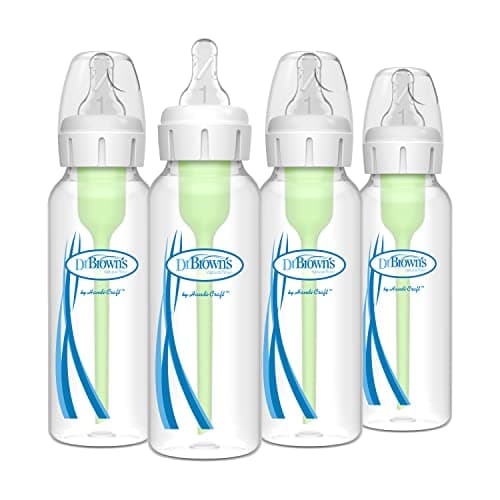
Introducing a bottle to a baby who is used to nursing can feel like a gamble. Some babies take to it right away. Others clamp their mouths shut and cry the moment a nipple that is not Mom touches their lips. If you are standing in the baby aisle unsure where to start, you are not alone, most parents of nursing babies go through a few false starts before landing on something that works. The best bottles for breastfed babies share a few specific traits: a nipple shape that mimics a natural latch, a flow that matches breastmilk's pace, and venting that keeps swallowed air to a minimum. This guide walks through exactly what to look for, how to introduce the bottle without a fight, and how many you will actually need to keep on hand.
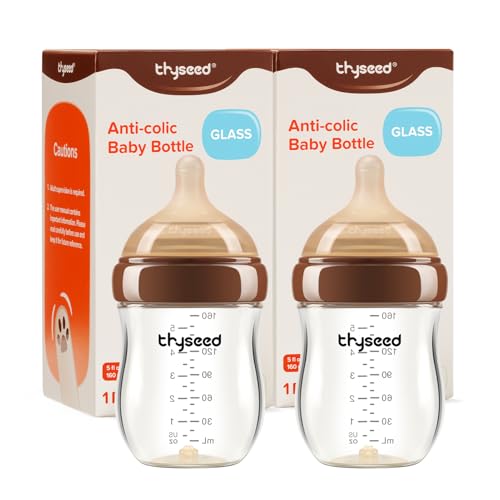
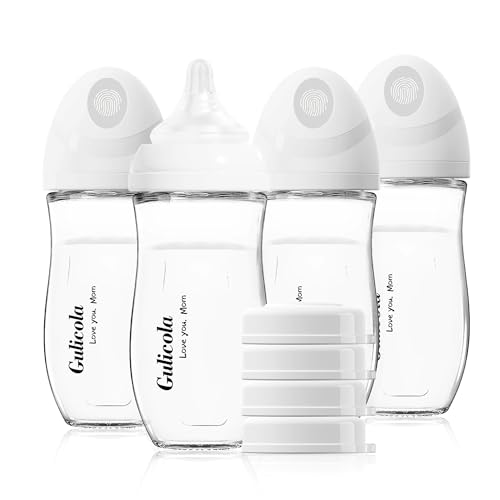
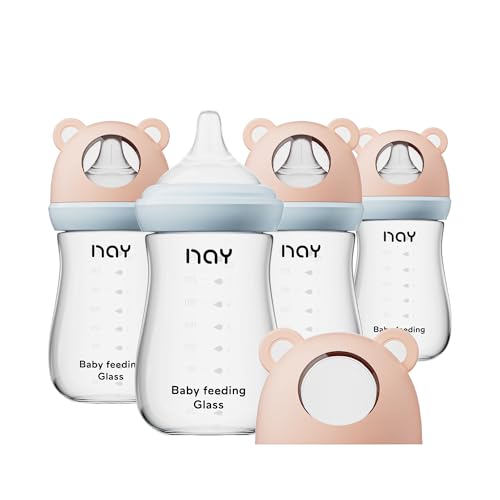
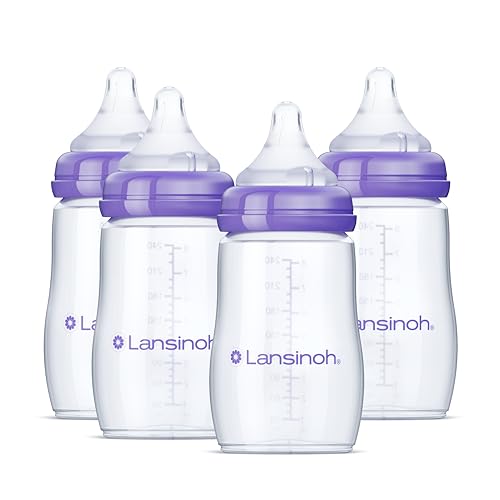
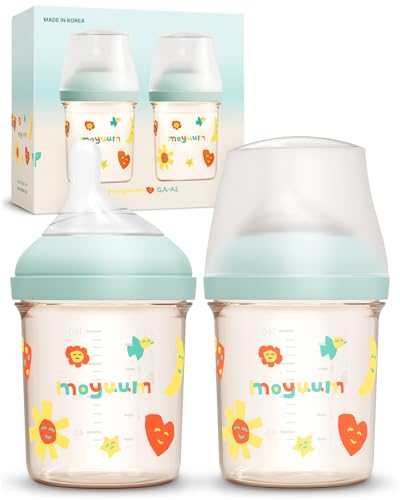
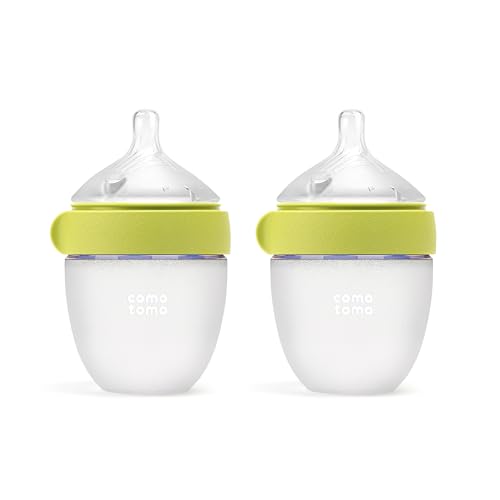

What Actually Matters When Choosing Bottles for a Breastfed Baby
Not every feature on the packaging matters equally. When you are shopping for bottles for breastfed babies, a handful of details make the difference between a baby who feeds calmly and one who fights the bottle at every feed.
Nipple Shape and Latch Feel
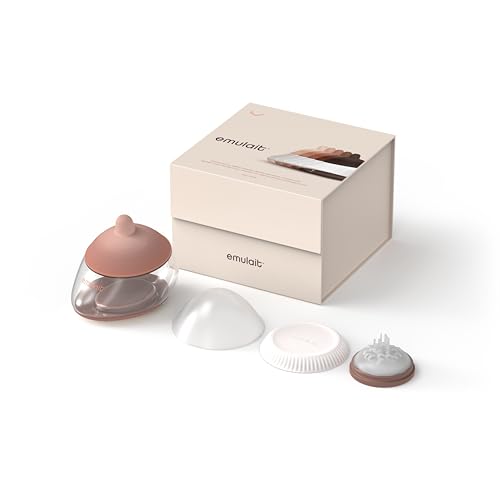
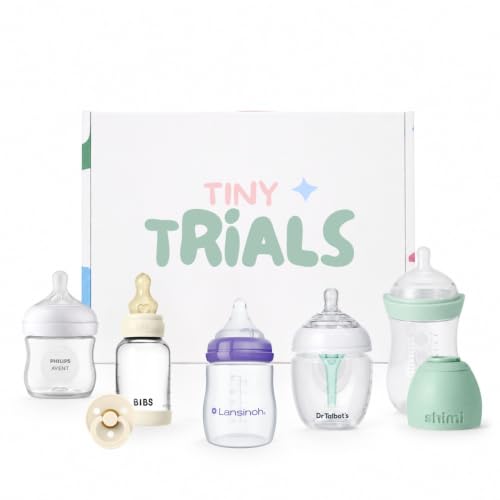
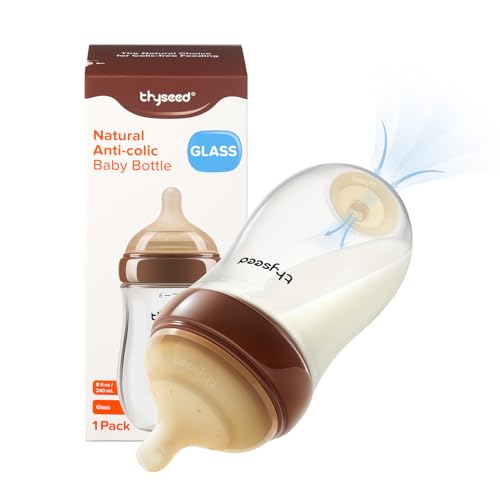
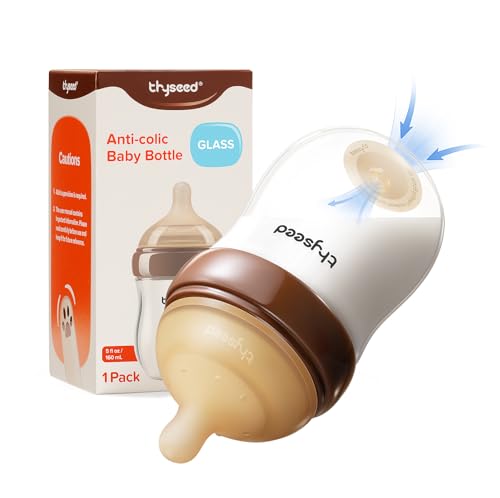
A nursing baby has already learned a specific way to latch, seal, and draw milk. Nipples with a wide, gently sloped base and a soft, pliable tip come closest to that feel, which is why lactation consultants often point parents toward wide neck designs first. A narrow, stiff nipple can force a baby to change how they latch entirely, and that mismatch is a common reason a bottle for a breastfed baby gets rejected outright. A few manufacturers build their entire lineup around this shape, and it can be worth starting your search with bottle systems designed specifically around a breast-like latch before branching out to other options.
Flow Rate
Breastmilk does not pour out at one constant speed. A nursing baby controls the pace with their own sucking rhythm, pausing to breathe and swallow along the way. Bottle nipples are labeled by flow level, and starting with the slowest option available lets your baby set a similar pace instead of getting a mouthful faster than they can manage. Moving up in flow should happen gradually, and only if your baby seems frustrated or is taking too long to finish a feed.
Venting and Anti-Gas Design
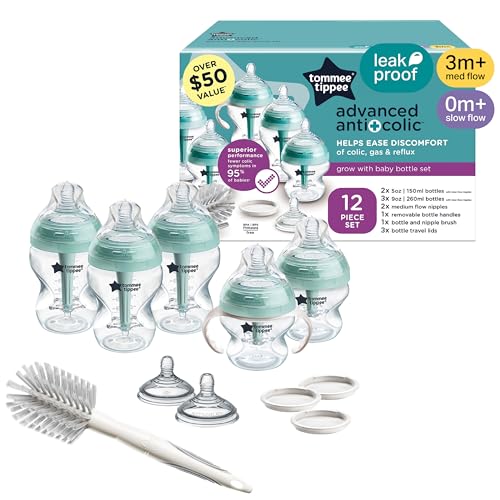
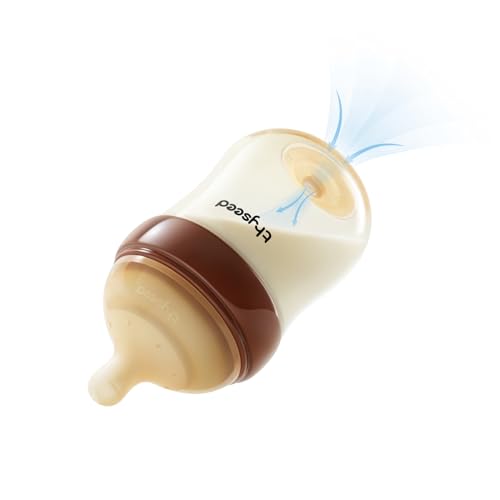
Swallowed air is one of the biggest contributors to fussiness after a bottle feed. Bottles with a vent built into the base or collar, rather than through the nipple itself, keep air bubbles from mixing into the milk as your baby drinks. That matters twice over for a breastfed baby: it reduces gas, and it protects the delicate fats and antibodies in pumped breastmilk from breaking down as air churns through it.
Material
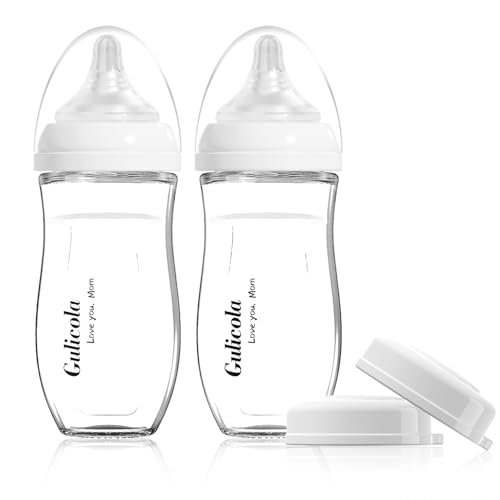
Plastic bottles are lightweight, affordable, and widely available, and any bottle sold today should be BPA-free. Glass bottles do not retain odors or scratch as easily over repeated sterilizing, though they are heavier and less forgiving if dropped. Silicone bottles split the difference, offering a soft grip and some shatter resistance. None of these materials change how well a bottle works for a nursing baby, so pick based on what fits your routine rather than assuming one is inherently better.
Ease of Cleaning
Look for bottles with as few separate parts as possible, since every seam and crevice is somewhere milk residue can hide. Wide mouths make it easier to reach every corner with a bottle brush, and parts that are dishwasher safe and can withstand boiling or steam sterilizing will save you time on days when you are washing bottles multiple times.
Timing and Technique: Making the Switch Easier
Even the right bottle can fail if it is introduced the wrong way. How and when you start bottle feeding often matters more than which product you buy.
When to Start Bottle Feeding a Breastfed Baby
Most lactation consultants recommend waiting until breastfeeding is well established, typically around three to four weeks, before offering a bottle. Introducing it too early can interfere with a newborn's latch at the breast, while waiting too long sometimes makes babies more resistant to trying something new. If you know you will need to bottle feed regularly, for work or otherwise, starting in that window gives you room to troubleshoot before it becomes a necessity.
Paced Bottle Feeding
Paced bottle feeding is a technique that keeps the bottle nearly horizontal and pauses feeding every so often, mimicking the natural suck, swallow, and breathe rhythm of nursing. It slows the flow down so your baby has to actively work for the milk instead of it pouring in, which helps prevent overfeeding and makes it easier to switch back and forth between breast and bottle without confusion.
What to Do If Your Baby Refuses the Bottle
If your baby turns away or cries at the bottle, try having someone other than the primary breastfeeding parent offer it, since babies often associate one caregiver with nursing. Warming the nipple slightly, offering it when your baby is calm rather than starving, and trying a different nipple shape can all help. Persistence over several attempts, rather than a single failed try, is usually what gets a reluctant baby on board.
How Many Bottles and Nipple Sizes You'll Actually Need
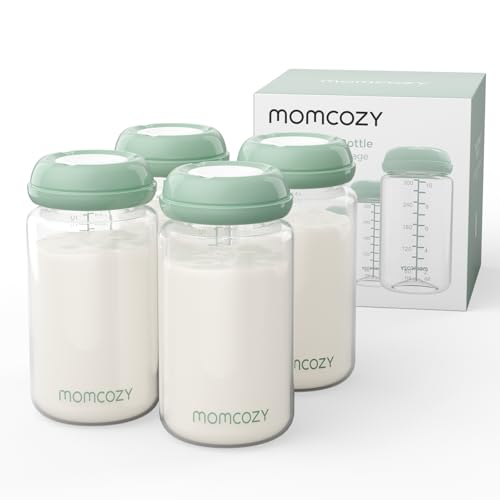
If you are pumping and bottle feeding only occasionally, three or four bottles with a slow flow nipple are usually enough to get started. Parents heading back to work or relying on daycare tend to need six to eight, since bottles pile up quickly between feeds, washing, and sterilizing cycles. It is worth buying nipples in more than one flow level early on. Babies grow, and a flow that was appropriate at six weeks may leave a five month old working too hard for their milk. If you are pumping and bottle feeding regularly, especially once you are back at work, having a dedicated breast pump bag built for daily transport makes it far easier to keep bottles, milk, and pump parts organized and clean between feeds.
Bottles are typically a temporary tool rather than a permanent one. Many families phase them out gradually around the first birthday, and once your baby is steady with solids and drinking from an open or straw cup, that transition tends to move quickly. A straw cup designed for early sippers is a common next step once your baby is ready to move past the bottle stage.
Frequently Asked Questions
What is the best nipple shape for a breastfed baby?
A wide, gently sloped nipple that mimics the shape of a natural latch tends to work best for nursing babies. It is not a guarantee, since every baby's mouth is different, but it is the right place to start.
Should breastfed babies use slow flow nipples?
Yes, in most cases. Starting with the slowest flow available helps match the pace your baby is already used to at the breast, and you can move to a faster flow later if your baby seems ready for it.
Why won't my breastfed baby take a bottle?
Bottle refusal is common and usually comes down to nipple shape, flow rate, who is offering it, or timing. Trying a different caregiver, a different nipple, or offering the bottle when your baby is calm rather than overtired often resolves it.
What is paced bottle feeding and why does it matter?
Paced bottle feeding keeps the bottle level and pauses regularly so your baby controls the pace, much like they would at the breast. It helps prevent overfeeding and makes switching between breast and bottle less confusing for your baby.
Are wide neck bottles better for breastfed babies?
They are a popular starting point because the wider, sloped nipple resembles a natural latch. That said, a wide bottle does not guarantee a wide latch, so it still comes down to what your individual baby takes to.
Can anti-colic bottles help with gas from breastmilk?
Bottles with venting built into the base rather than the nipple reduce the amount of air your baby swallows during a feed, which can noticeably cut down on gas and fussiness after bottle feeds.
When should you introduce a bottle to a breastfed baby?
Around three to four weeks, once breastfeeding is going smoothly, is the timing most lactation consultants recommend. That gives you enough runway to troubleshoot before a bottle becomes a daily necessity.
Making Your Decision
There is no single bottle that works for every nursing baby, and some trial and error is normal. Focus on nipple shape, a slow starting flow, and good venting first, since those three factors matter more than material or brand. Once you find the best bottles for breastfed babies for your own family, pacing the feed and staying patient through the first few tries will do more for a smooth transition than the bottle itself.