Best Breast Pump Bag for Working Moms: What to Check Before You Buy
Disclosure: We may earn a commission when you buy through links on this page, at no extra cost to you. As an Amazon Associate we earn from qualifying purchases. Learn more

Somewhere between packing your laptop, remembering an ice pack, and finding a private spot to pump, the bag itself becomes a bigger decision than most working moms expect. The best breast pump bag for working moms has to do double duty: carry your pump and milk safely, and still look like something you'd bring to a client meeting. Get the wrong one and you're stuck rearranging pump parts on your desk or realizing the cooler section can't hold a second session's worth of milk. This guide breaks down what to check before you buy, how traditional and wearable pump setups change what you need, and the questions most working moms end up asking once they start shopping.
What Actually Matters When You're Choosing a Pump Bag
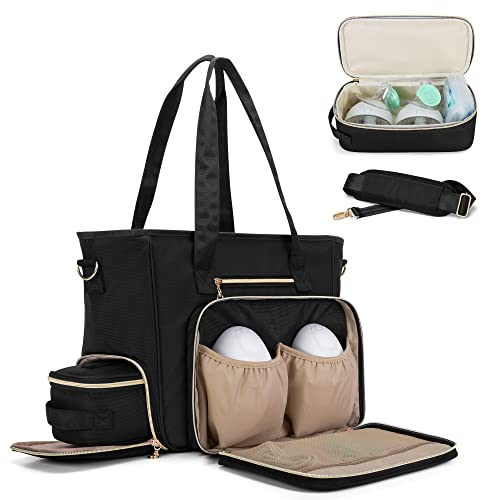
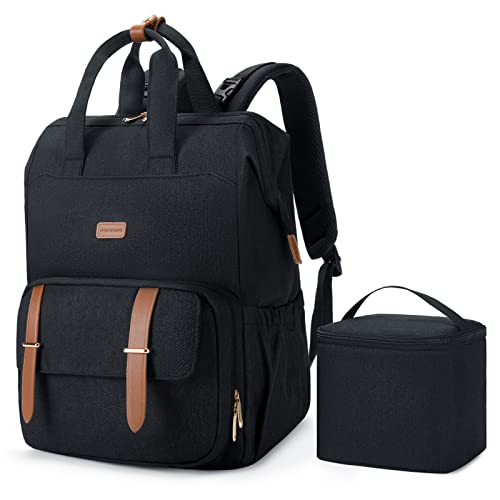
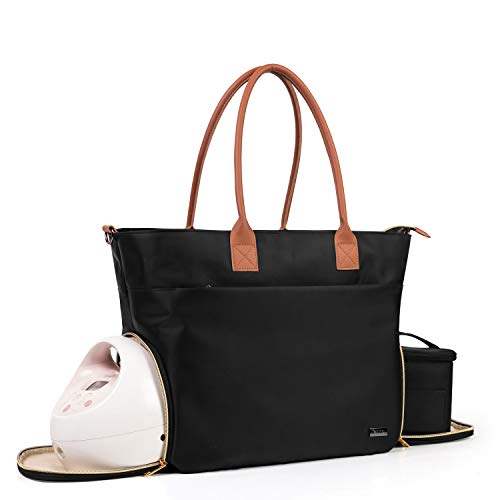
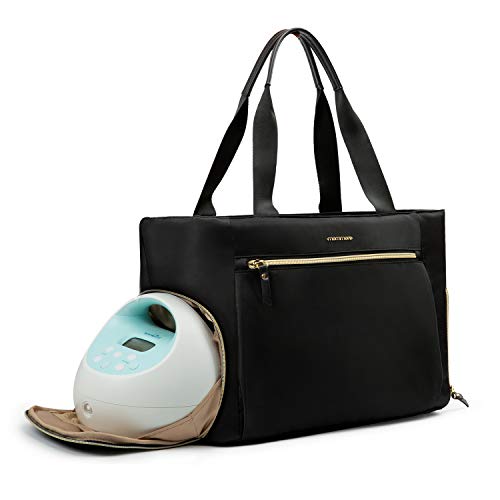
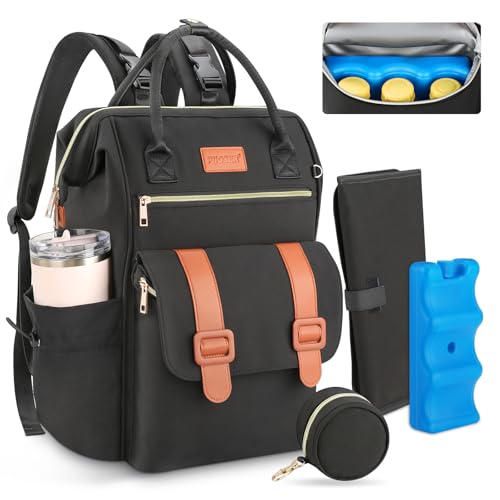
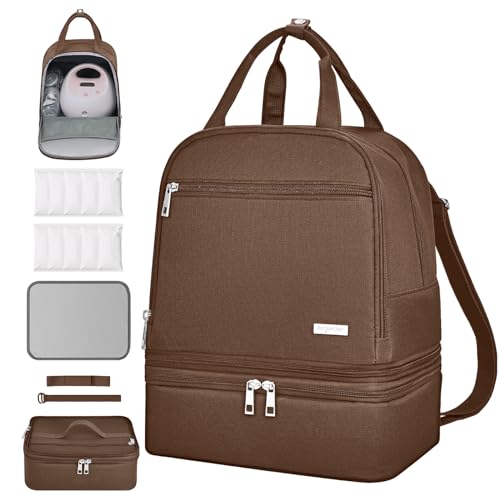
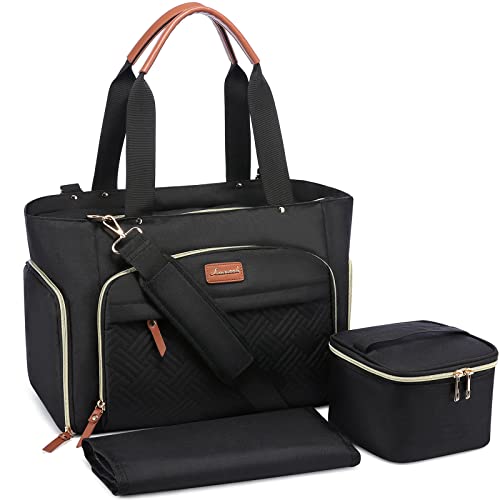
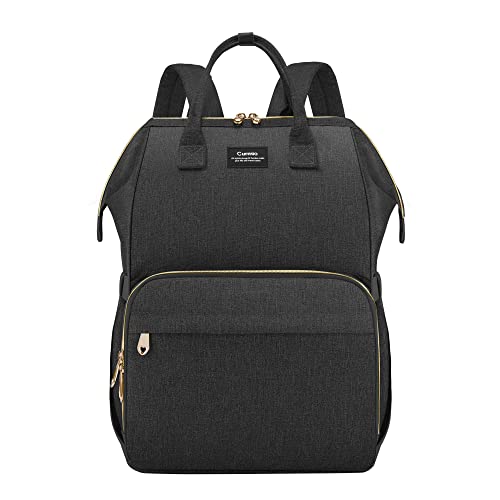
A lot of pump bags look nearly identical online, structured shape, a few pockets, a cooler section, so it's easy to assume they're interchangeable. They aren't. When you're comparing options for the best breast pump bag for working moms, four things tend to separate the bags that actually get used every day from the ones that end up in a closet after a month.
Confirm Your Pump Actually Fits
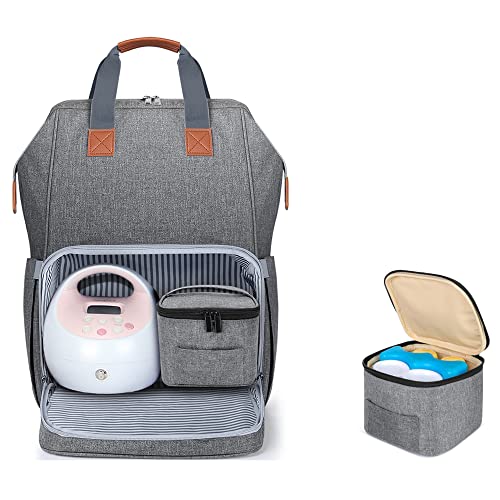
Not every pump bag is sized the same, and plug-in pumps vary quite a bit in footprint. Some run compact enough to slide into almost any bag, while others are noticeably bulkier once you account for the motor unit, tubing, and flanges together. Before you buy, measure your pump's dimensions and check them against the bag's stated compartment size rather than assuming it will fit based on photos alone.
Insulation That Holds Up Through a Full Shift
Milk needs to stay cold from the moment you finish pumping until it reaches a fridge, sometimes for several hours if your office doesn't have shared refrigerator space. Look for a dedicated, leak-resistant cooler compartment rather than a single open pocket where cold air and condensation reach your pump motor and other items. If you already rely on a good freezable lunch bag to keep food cold through a workday, that same level of insulation is roughly what you want from a pump bag's cooler section.
A Design That Reads as a Work Bag, Not Medical Gear
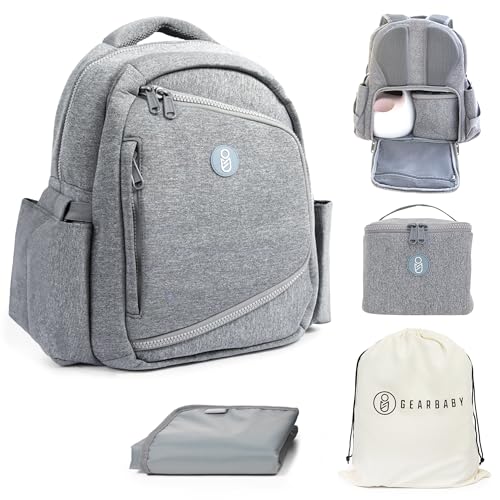
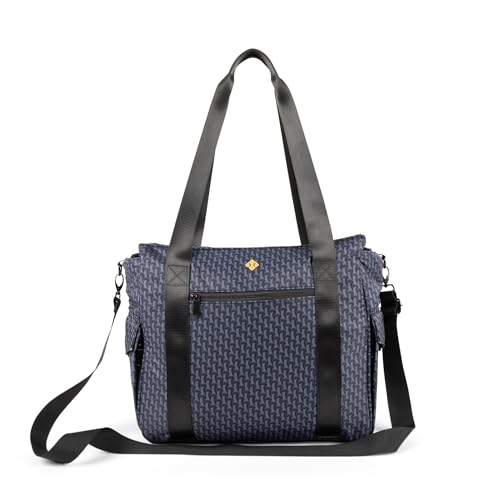
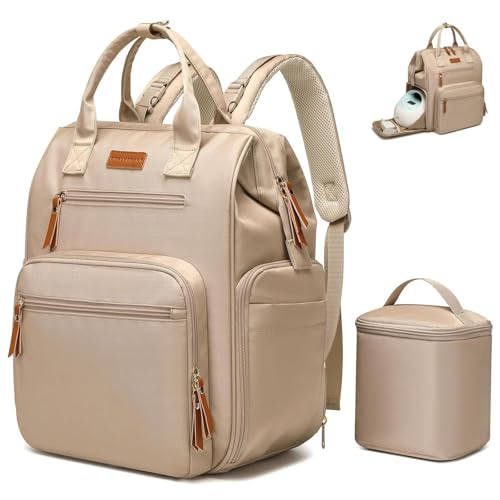
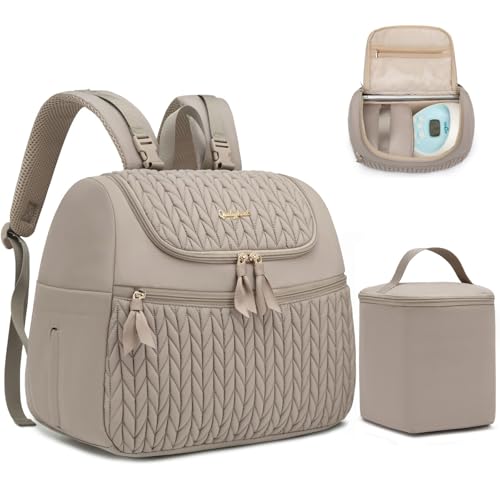
Plenty of working moms say the biggest frustration isn't the pumping itself, it's carrying something that looks obviously medical into a meeting. Structured shapes, neutral colors, and clean exterior lines go a long way toward making a pump bag look like an ordinary work tote or backpack instead of a piece of equipment.
Room for Your Laptop and Daily Essentials
If you're going from your desk to a pumping room and back several times a day, carrying a separate laptop bag on top of your pump gear gets old fast. A padded sleeve built into the pump bag, even a small one, means one bag covers both needs. Measure your laptop before you shop, since padded sleeves vary more in depth than you'd expect.
Traditional Pump Bags vs. Bags Made for Wearable Pumps
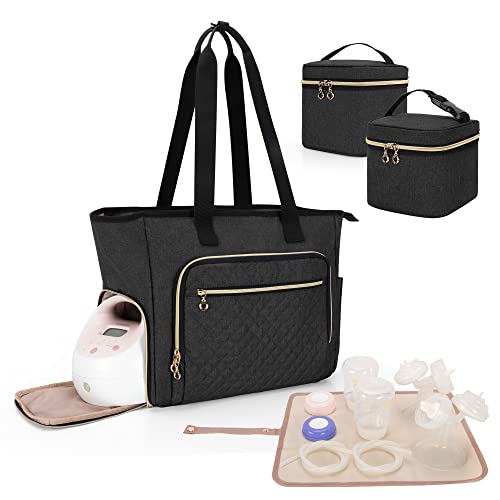
Not all pumping setups need the same amount of bag. Traditional double-electric pumps, the kind that plug in and sit outside your clothing, come with a motor unit, tubing, and a stand-alone bottle setup, so they need a bag built around a fairly rigid, boxy compartment plus room for accessories.
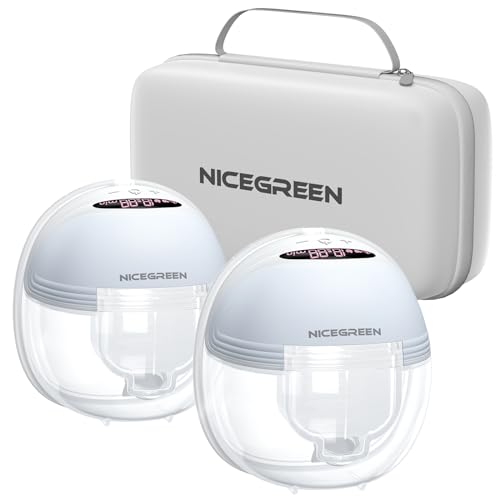
Wearable, clip-on style pumps work differently. The pump itself sits inside your bra, and there's no separate motor unit to carry once you're done, which means the bag you actually need is much smaller: something closer to a padded pouch or a compact cooler pocket for the collection containers rather than a full structured pump bag. If you switched to a wearable pump after using a traditional one, hanging on to your old, bulkier bag usually just means carrying extra empty space you don't need anymore. Matching the bag to the pump you actually use, not the one you used to own, is often the simplest fix for a bag that feels like overkill.
How Much Capacity You Actually Need for a Full Workday
Cooler capacity is one of the easiest things to underestimate when shopping online, since a bag can look spacious in photos but only hold enough ice and milk for a single session. If you pump two or three times during a shift, the cooler section needs enough room for that many bottles or storage bags plus an ice pack, not just one round's worth.
As a rough guide, a cooler compartment that comfortably holds somewhere in the range of four to six bottles alongside a standard ice pack works for most full workdays. If you tend to pump more often or store extra milk for backup, sizing up matters more than any other single feature. It's the same logic as picking a cooler for an all-day outing: better to have a bit of unused space than to run out of cold storage halfway through the afternoon.
Keeping It Clean and Ready for the Next Shift
Pump parts and milk containers occasionally leak, so a wipeable interior lining saves you real frustration over time. A bag with a smooth, water-resistant liner can be cleaned in a couple of minutes, while fabric interiors tend to hold onto odors and stains much longer.
Durable zippers and reinforced straps or handles matter just as much, since a pump bag typically gets used daily for months. A bag that starts fraying or losing zipper teeth within a few weeks ends up costing you more in replacements than a slightly sturdier option would have upfront.
Frequently Asked Questions
Will my breast pump actually fit in a pump bag?
It depends on the bag and your specific pump model, so check the compartment dimensions before buying rather than assuming a standard size will work. Larger plug-in pumps with bulkier motor units need a bag with a correspondingly roomy, structured compartment.
Do I need a different bag if I use a wearable pump?
Often, yes, since wearable pumps don't require the large structured compartment a traditional pump needs. A smaller pouch or compact cooler bag built for collection containers is usually a better, lighter option than a full-size traditional pump bag.
How much milk storage capacity should my bag hold?
Aim for a cooler section that can hold four to six bottles or storage bags along with an ice pack if you pump multiple times a day. If you only pump once during your shift, a smaller cooler compartment is usually enough.
Is a backpack or a tote better for the commute?
Both work well, and it mostly comes down to how you get to work. A backpack frees up your hands if you walk or take public transit, while a structured tote can look more polished for client-facing roles.
Does my employer have to give me time and space to pump at work?
In the United States, most nursing employees have a federal right to reasonable break time and a private space, other than a bathroom, to pump during the workday. Specific rules can vary by state and job type, so it's worth checking your workplace's policy directly if you're unsure.
How often should I clean my pump bag?
Wiping down the interior lining once a week helps prevent odors and keeps the cooler compartment hygienic. If your bag has a removable liner or insert, rinse it every few days, especially when it's warm enough for milk to spoil faster.
Can I keep using the bag once I'm done pumping?
Many pump bags convert easily into a regular work bag or laptop bag once you no longer need the cooler section for milk. Choosing a design that looks like an everyday bag from the start makes that transition simpler when the time comes.
Making Your Decision
The best breast pump bag for working moms isn't necessarily the one with the most pockets, it's the one sized correctly for your actual pump and pumping schedule. Start with fit and cooler capacity, confirm the design won't draw unwanted attention at work, and the rest of your daily routine tends to fall into place on its own.