Best Bose Surround Speakers for 2026: Which One Fits the Way You Use It?
Disclosure: We may earn a commission when you buy through links on this page, at no extra cost to you. As an Amazon Associate I earn from qualifying purchases. Learn more

Placement, channel count and tuning explained, so the best bose surround speakers fit your room and the way you watch.
There is no single Bose surround setup that suits every room, every couch, and every listening habit. A small apartment living room, a family movie room, and a desk based gaming corner ask for very different speaker counts, sizes, and connection styles. This guide to the best bose surround speakers starts with how you actually watch and listen, then matches features to that routine.
By the end you will know how many channels you need, where each speaker should sit, and which extras are worth paying for. Use the product table below to check sizes and formats once your shortlist is clear, and save your money for the parts of the system you will hear every day.

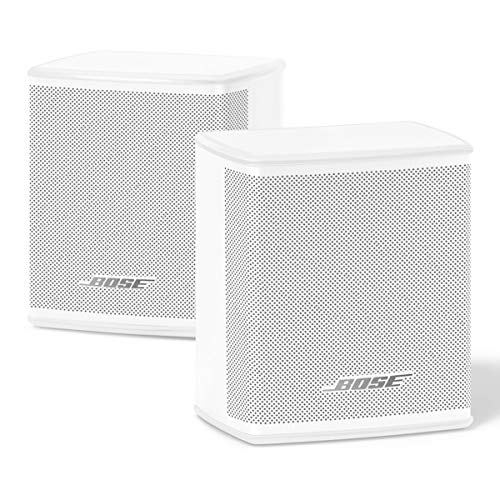
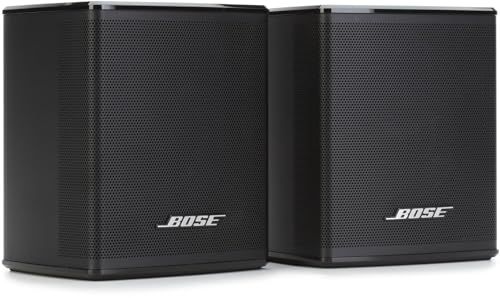
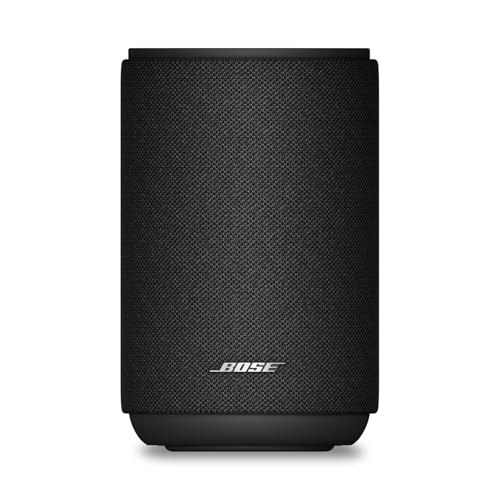
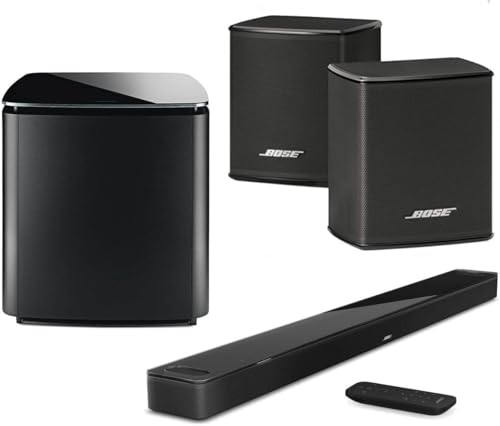
Who Should Buy Which Bose Surround Speakers?
For Students and Everyday Users
Students and casual viewers usually need clear dialogue, simple controls, and a footprint that fits a small room or a shared apartment. A compact soundbar with two rear speakers often beats a large system here, because it fills a small space without crowding desks, shelves, or walkways. Prioritize easy setup, a clear voice mode for late night viewing, and a price that leaves room in your budget for a streaming stick or a sturdy stand. Stability matters more than raw power at this level.
For Travelers and Commuters
Frequent travelers who split time between home and the road should think about how the surround system lives at home while a smaller speaker travels. Look for a setup where the main speakers stay wired in place and a portable unit can join the same app for music in another room. Light weight matters for the portable piece, while the home system should reconnect on its own when you return. Durable cabinets and simple cable runs also help if you move apartments often.
For Remote Workers and Creators
Remote workers and creators need surround speakers that double as an everyday desk or studio tool. Prioritize a wired input for a computer, low delay for video editing, and a remote or app that switches inputs in one tap. Clear midrange helps voices on calls and in podcasts sound natural, and a headphone output is handy for late edits. Reliability also counts, so favor systems with steady firmware support and plain, well labeled connections over flashy extras you will rarely open.
For Gamers and Power Users
Gamers and power users should focus on low latency, strong rear channel separation, and a subwoofer that adds impact without shaking the whole house. A system that passes modern video formats through to your TV keeps wiring simple and avoids lip sync problems during fast scenes. Look for game or night modes, per channel level controls, and enough inputs for a console, a PC, and a streaming box. If you play competitively, test delay with a rhythm game or a shooter before the return window closes.
As you sort yourself into one of these groups, it helps to compare the wider market too. Our guide to the best surround speakers shows how channel counts and room sizes line up across brands, which makes the Bose lineup easier to place.
Key Features to Compare
Ecosystem and App Features
The Bose app and ecosystem shape daily use more than most spec sheets admit. Check whether the system supports room correction, adjustable dialogue levels, and grouped playback with other speakers in your home. Firmware updates delivered through the app can add formats and fix bugs, so a system with active support ages better. Also confirm how the system behaves without WiFi, because a wired fallback keeps movie night running during a router outage. Simple, stable software is worth more than a long list of rarely used sound modes.
Placement and Room Size
Placement decides whether surround sound feels immersive or merely loud. Rear speakers belong slightly behind and to the sides of your main seat, aimed toward your ears, while the front unit stays centered under the TV. Small rooms under about 150 square feet do well with compact rears, while open plan spaces need larger drivers or a stronger subwoofer to fill the extra air. Leave a few inches of space behind ported speakers, and avoid corners for the subwoofer at first, since corners exaggerate boomy bass.
Sound Quality and Tuning
Sound quality comes from driver size, cabinet design, and tuning working together. A frequency response that stays fairly even from the low mids through the treble gives you natural voices and effects that sit in the scene instead of jumping out. Strong bass matters for action films, but clean midrange matters more for the dialogue you hear in every scene. Use the EQ in the app to trim treble if the sound feels harsh in a bare room, and raise the center level rather than the master volume when speech is unclear.
For a broader view of the brand beyond surround duty, see our guide to the best bose speakers, which covers the main home models and how their tuning differs.
Common Mistakes to Avoid When Buying Bose Surround Speakers
- Buying on price alone and ending up with rear speakers too small for your room, which leaves effects faint and uneven.
- Ignoring the app and ecosystem, then discovering your new system cannot group with the speakers you already own.
- Choosing a system that is too large for a small room or too small for an open plan space, instead of matching size to square footage.
- Skipping the warranty and return terms, even though speaker placement problems often appear only after a week of real use.
- Placing the subwoofer in a corner on day one and blaming the system for boomy bass that placement caused.
One more practical check is format support. If your TV and streaming apps use a surround format your system cannot decode, you will get downmixed stereo instead, so confirm compatibility in the manual before you order. Readers comparing formats across brands may also find our guide to the best surround sound speakers useful for plain language format explanations.
Tips to Get the Most From Your Bose Surround Speaker
- Keep firmware updated through the app, and run the room calibration again after any update that changes audio processing.
- Run calibration again whenever you move a couch, add a rug, or shift a speaker, because small changes alter reflections.
- Dust cabinets and grilles with a dry cloth, and keep vents clear so amplifiers stay cool during long films.
- Label both ends of every cable with tape before a move, so reassembly takes minutes instead of an afternoon.
- Set a sensible maximum volume if kids use the system, which protects both hearing and drivers.
A useful tip is to level match by ear after calibration. Play a familiar scene with dialogue and effects, then adjust the rear level in small steps until effects support the scene without pulling your attention behind you. Another is to keep the center speaker at ear height when seated, because even a foot too low can muffle voices.
If part of your setup travels between rooms, our guide to the best bose wireless speakers explains battery and connection tradeoffs for the portable side of a home system. For a speaker that leaves the house with you, see the best bose portable speakers guide as well.
FAQs
Wired or wireless Bose surround speakers: which sounds better?
Wired connections usually sound the most consistent because they avoid compression and dropouts entirely. Wireless rear speakers from Bose use a dedicated link that keeps delay low, and most listeners cannot hear a difference in normal film content. Choose wired if your room already has cable paths, and wireless if running cables would cross doorways or a rental agreement forbids drilling.
Do I need a special codec for Bose surround speakers?
No special codec is required for TV and film use, because surround formats travel over HDMI or optical from your TV or console. Codecs such as AAC matter mainly when you stream music from a phone over Bluetooth, where they affect quality and delay slightly. For movies, confirm your TV output settings match the formats your system decodes, which matters far more than any Bluetooth codec choice.
Wrapping Up
Start with your room size and your main use, then match channel count, placement options, and app features to that picture. The product table pulls the shortlist together, so compare your finalists against the criteria in this guide rather than against headline power numbers. Chosen well, the best bose surround speakers disappear into the film, the match, or the game, leaving you with clear dialogue, believable effects, and a system your household can run without a manual in hand.